Braveheart
"One man's scream shook a kingdom."
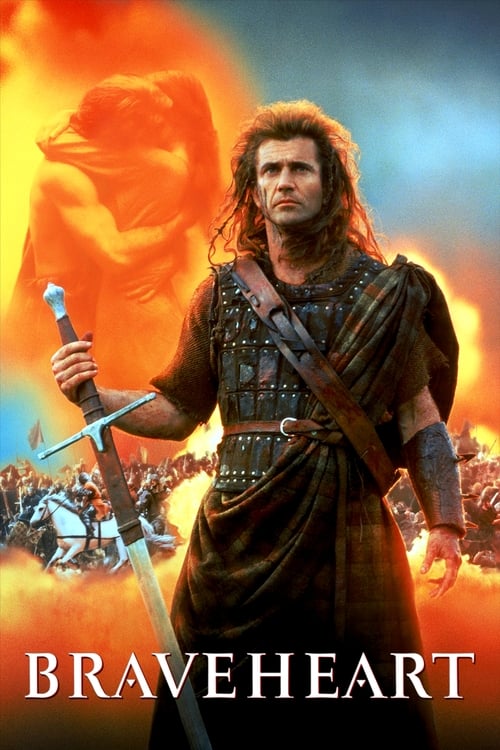
In 1995, before digital armies were a click away and every battlefield was a green-screened void, there was the sheer, terrifying weight of three thousand Irish Army reservists charging across a field in County Meath. You can feel that weight in your marrow when you watch Braveheart. It’s a film that smells of damp wool, wet horsehair, and the metallic tang of blood—a massive, sprawling epic that feels like the last of its kind before the pixels took over.
The Brutality of the Blade
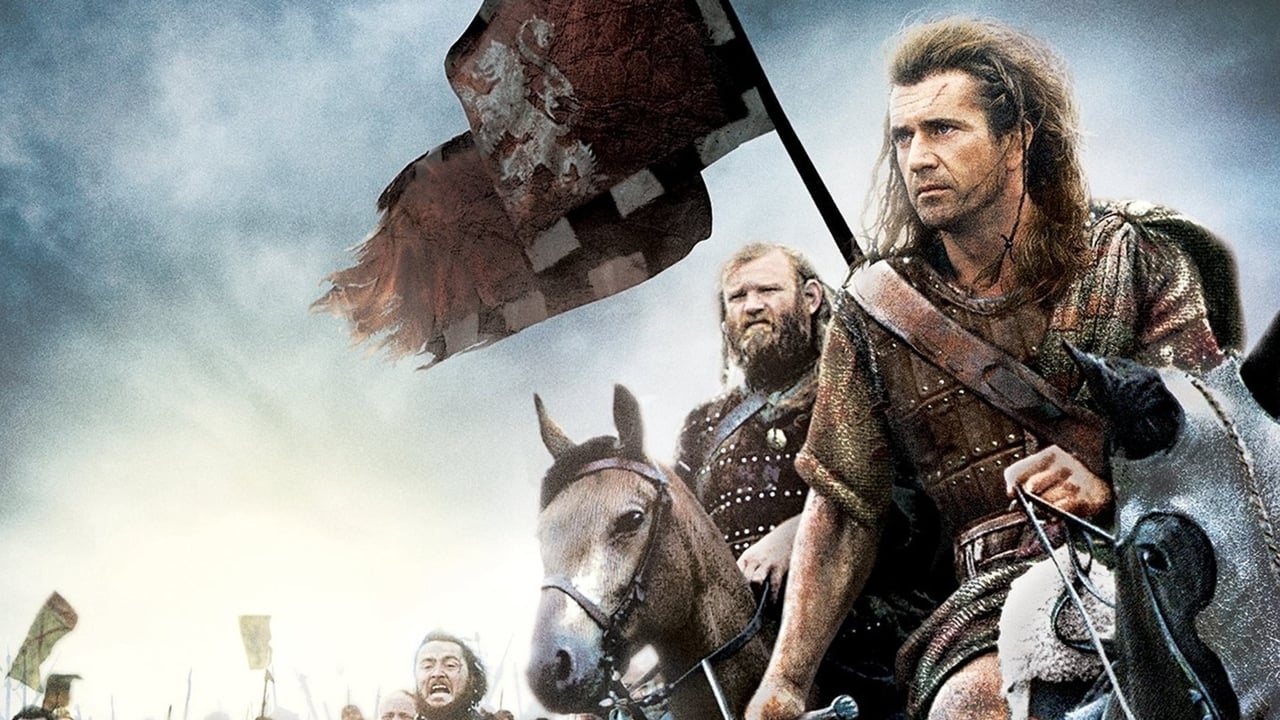
Looking back, the action in Braveheart remains the gold standard for what I call "the mosh pit of history." Mel Gibson (who also directed, following his debut The Man Without a Face) doesn't choreograph fights so much as he stages collisions. When the Scots and the English finally meet at the Battle of Stirling—notably missing its bridge, but we'll forgive the historical shorthand for the sake of the carnage—it’s a chaotic, terrifying mess of pikes and claymores.
The sound design is what really gets me. Every thud of a morning star against a helmet feels like a personal affront to your eardrums. I watched this again recently while trying to eat a bowl of lukewarm oatmeal, and I had to put the spoon down; there’s something about the way the film captures the physical labor of 13th-century warfare that makes you feel a bit guilty for being comfortable. It’s not "clean" action. It’s a messy, desperate struggle where the hero gets tired, gets hurt, and ends up looking like he’s been dragged through a peat bog.
A Villain for the Ages
While the film is ostensibly a tribute to the legendary William Wallace, it lives and breathes through its antagonists. Patrick McGoohan (best known as the mind behind the cult classic The Prisoner) delivers a performance as King Edward "Longshanks" that is chillingly precise. He doesn’t need to shout to be terrifying; he just needs to look at his own son with a gaze of utter, freezing disappointment. When he tosses the prince's "advisor" out a window just to make a point, it cements him as one of the most effective villains of the 90s. He represents the cold, calculating machinery of empire against Wallace’s raw, screaming impulse for liberty.
The supporting cast provides the soul that keeps the blood-letting from feeling hollow. Brendan Gleeson (who would later break our hearts in The Banshees of Inisherin) is magnificent as Hamish, providing the brawn and the loyalty that grounds Wallace's grander ambitions. Then there’s Angus Macfadyen as Robert the Bruce, the film’s most complex character. While Wallace is a force of nature, the Bruce is a man caught between his conscience and his inheritance, providing a moral gray area that the rest of the film—which is largely a black-and-white tale of good vs. evil—sorely needs.
The Prestige of Practicality
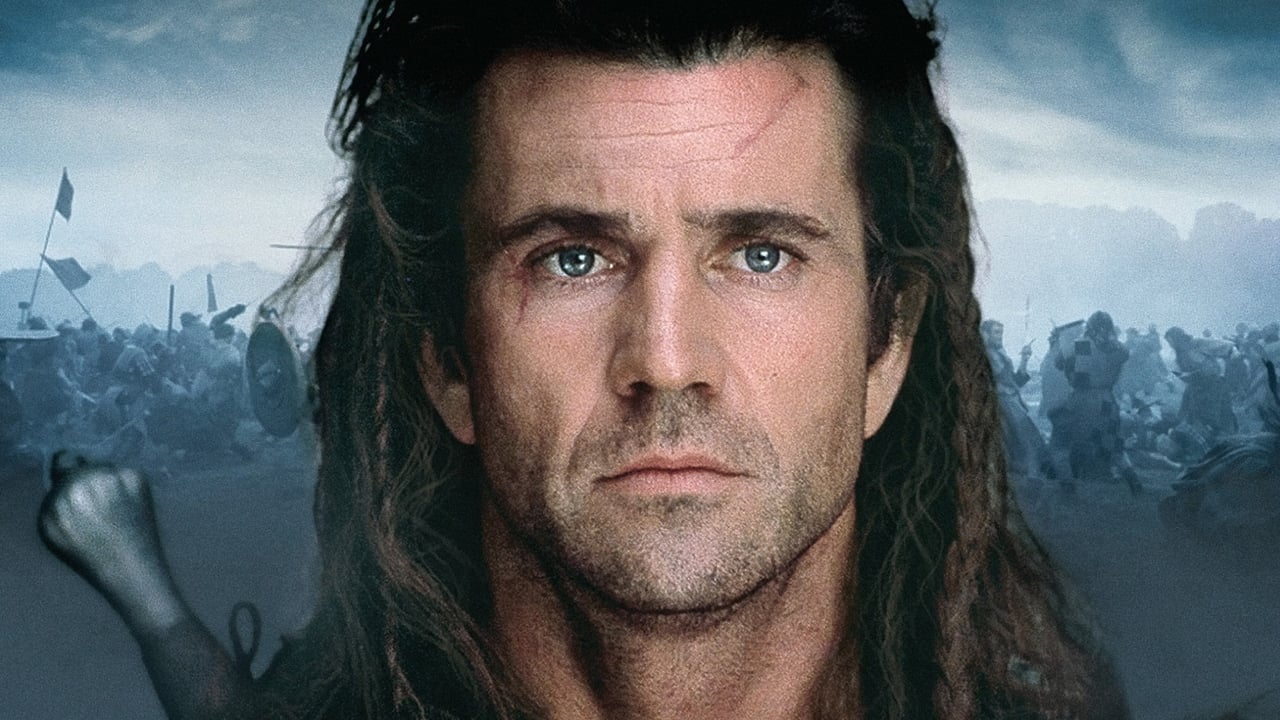
Braveheart was a juggernaut during the 1996 awards season, eventually taking home five Oscars, including Best Picture and Best Director. It was the kind of "prestige" filmmaking that the 90s did best: big, emotional, and technically flawless. John Toll, the cinematographer who had just won an Oscar for Legends of the Fall, captured the Scottish Highlands (mostly filmed in Ireland) with a misty, ethereal beauty that contrasts sharply with the mud-caked violence of the battles.
Even the score by James Horner (the man behind the music of Aliens and later Titanic) became an instant classic. Those uilleann pipes didn't just provide a soundtrack; they became the film's heartbeat. If you lived through the late 90s, you couldn't enter a CD store without hearing those haunting melodies playing over the speakers.
However, we have to talk about the "Modern Cinema" of it all. In an era where we now obsess over historical accuracy in Reddit threads, Braveheart is a disaster if you’re looking for a documentary. Wallace never met Princess Isabelle (Sophie Marceau), the Scots didn't wear belted plaids in the 1200s, and the face paint was about eight centuries out of date. But Mel Gibson’s wig in the first act looks like it was stolen from a 1980s hair metal bassist, and honestly, I don't care. The film isn't trying to be a textbook; it’s trying to be a folk song played at maximum volume. It’s about the feeling of rebellion, the romanticized myth of the common man rising against the tyrant.
A Legacy of Screams

Does it hold up? Absolutely. While some of the romantic subplots feel a bit "Hollywood-standard" by today's measures, the central tragedy still hits hard. The death of Murron (Catherine McCormack) is handled with a devastating lack of sentimentality that fuels the entire three-hour runtime. You understand why Wallace burns the world down.
As the credits rolled, I found myself thinking about how rare it is to see a film with this much "dirt under its fingernails" anymore. It’s a grim, intense, and ultimately soaring experience that reminds me why we go to the movies in the first place—not for a history lesson, but for a story that makes us want to stand up and shout at the screen.
The film remains a towering achievement of 90s filmmaking, proving that practical stunts and thousands of extras will always outshine a thousand digital warriors. It’s long, it’s bloody, and it’s unapologetically emotional. Even if the history is bunk, the heart is real, and that final, agonized cry of "Freedom!" still has the power to give you goosebumps thirty years later. Just maybe skip the oatmeal during the battle scenes.


Keep Exploring...
-
The Patriot
2000
-
We Were Soldiers
2002
-
Kingdom of Heaven
2005
-
Saving Private Ryan
1998
-
Schindler's List
1993
-
Red Cliff
2008
-
Apocalypto
2006
-
Hacksaw Ridge
2016
-
Crimson Tide
1995
-
The Thin Red Line
1998
-

The Imitation Game
2014
-
1917
2019
-
Troy
2004
-
The Last of the Mohicans
1992
-

Legends of the Fall
1994
-
Downfall
2004
-
The Boy in the Striped Pyjamas
2008
-
Heat
1995
-
Black Hawk Down
2001
-
Enemy at the Gates
2001