Casino
"The desert hides what the neon can't."
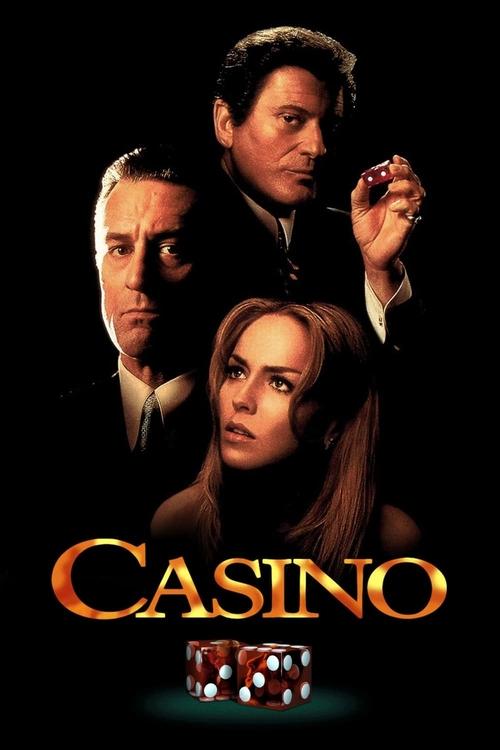
The first time I sat down to watch Casino, I was tucked into a dorm room couch eating a slice of cold, three-day-old pepperoni pizza that had developed the structural integrity of a roof shingle. I remember thinking that the neon-soaked excess on my tiny CRT television made my pathetic dinner feel like a Roman banquet. That’s the Scorsese magic: he makes the high life look so blindingly bright that you almost forget you're watching a three-hour autopsy of the American Dream.
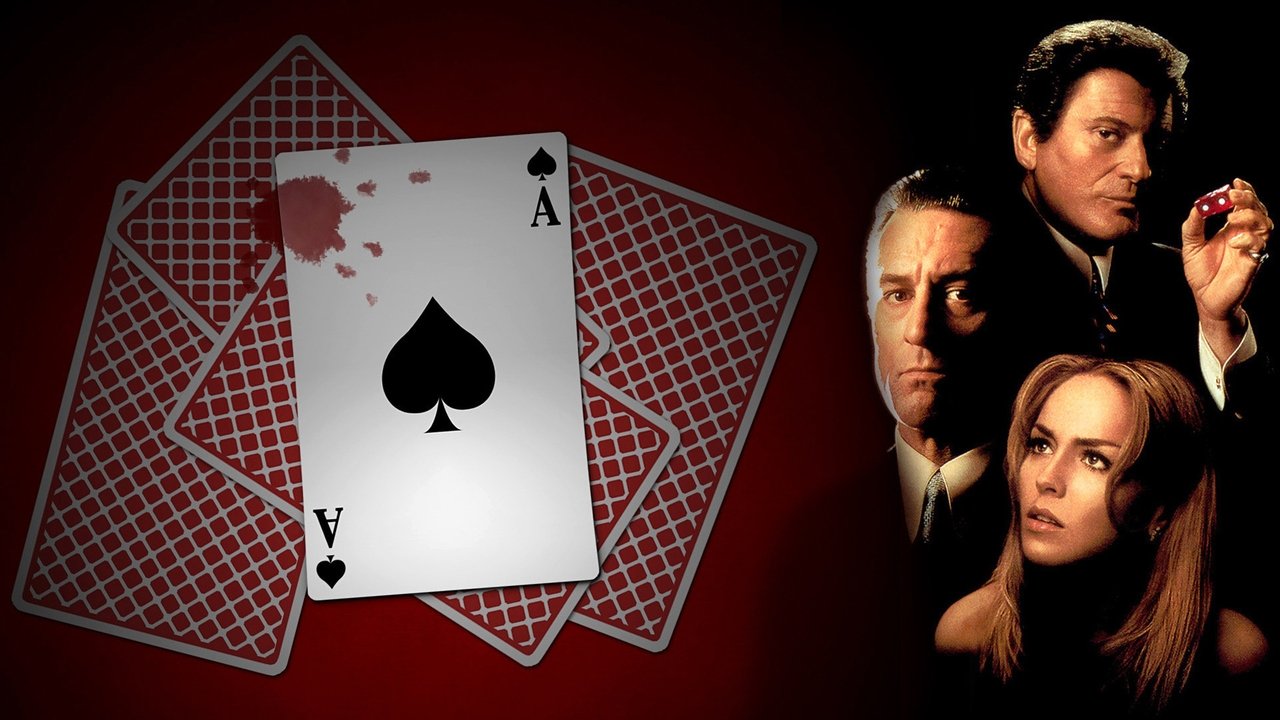
While everyone naturally compares this to Goodfellas (1990), I’ve always felt that Casino is the meaner, smarter, and far more beautiful older brother. It isn't just a "mob movie." It’s an operatic tragedy about how humans will inevitably set fire to a gold mine just to see which way the sparks fly.
The Gilded Cage of the Sahara
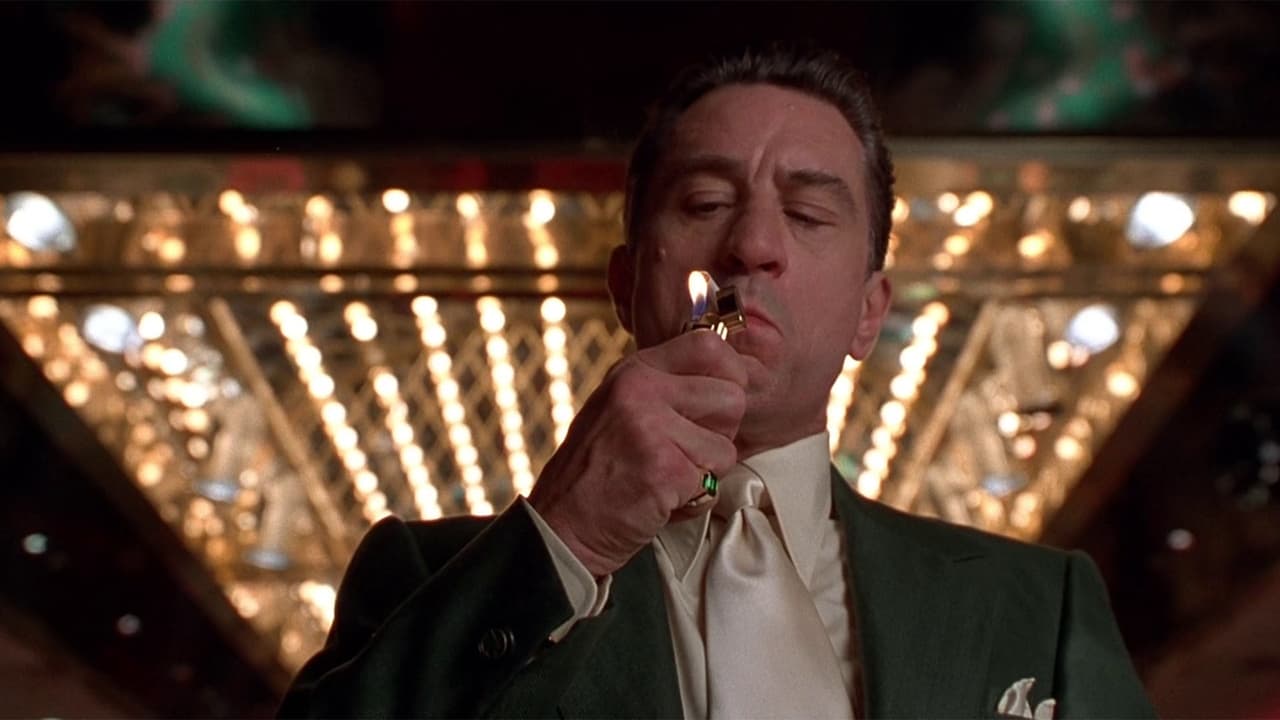
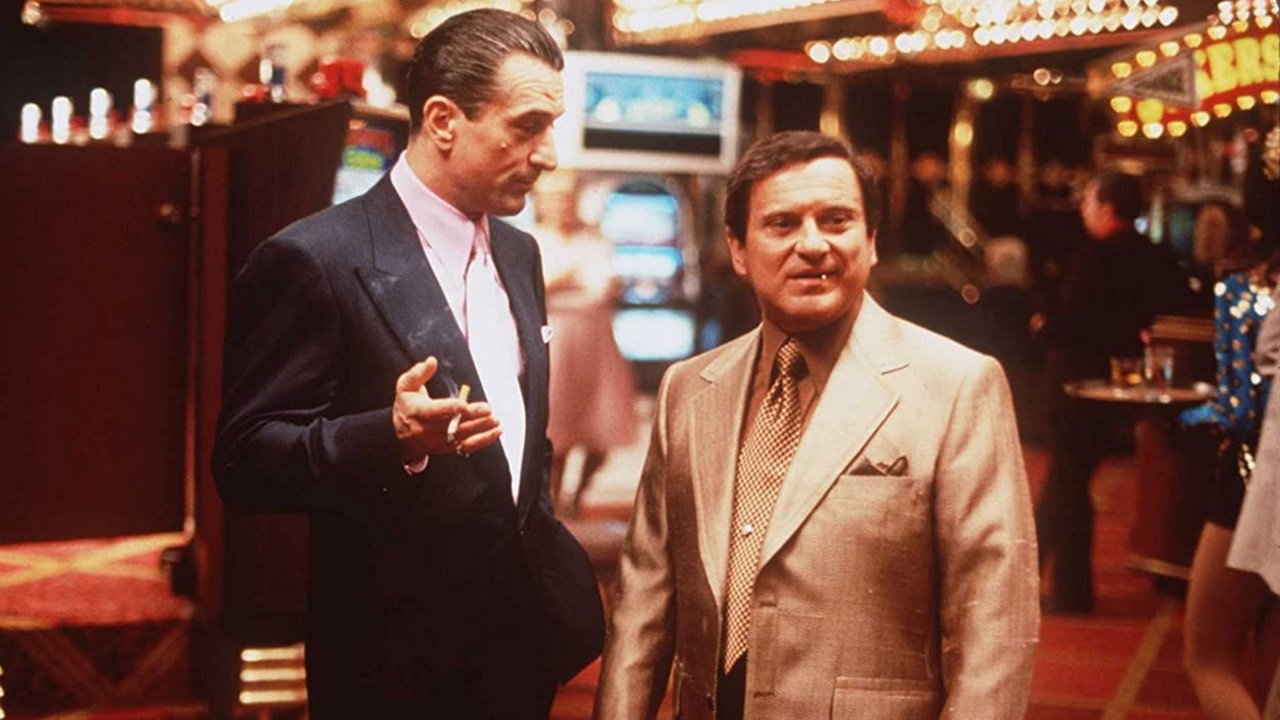
Most directors would treat a 179-minute runtime as a chore, but Martin Scorsese uses it to build a world with the precision of a watchmaker. The film follows Sam "Ace" Rothstein—played with a chilling, pressurized stillness by Robert De Niro—as he’s sent by the Chicago outfit to run the Tangiers Casino. Alongside him is his childhood friend and "enforcer," Nicky Santoro. Joe Pesci basically plays Nicky as a rabid chihuahua in a $2,000 silk suit, a man so violent and volatile that he eventually becomes the very thing that destroys the ecosystem he was sent to protect.
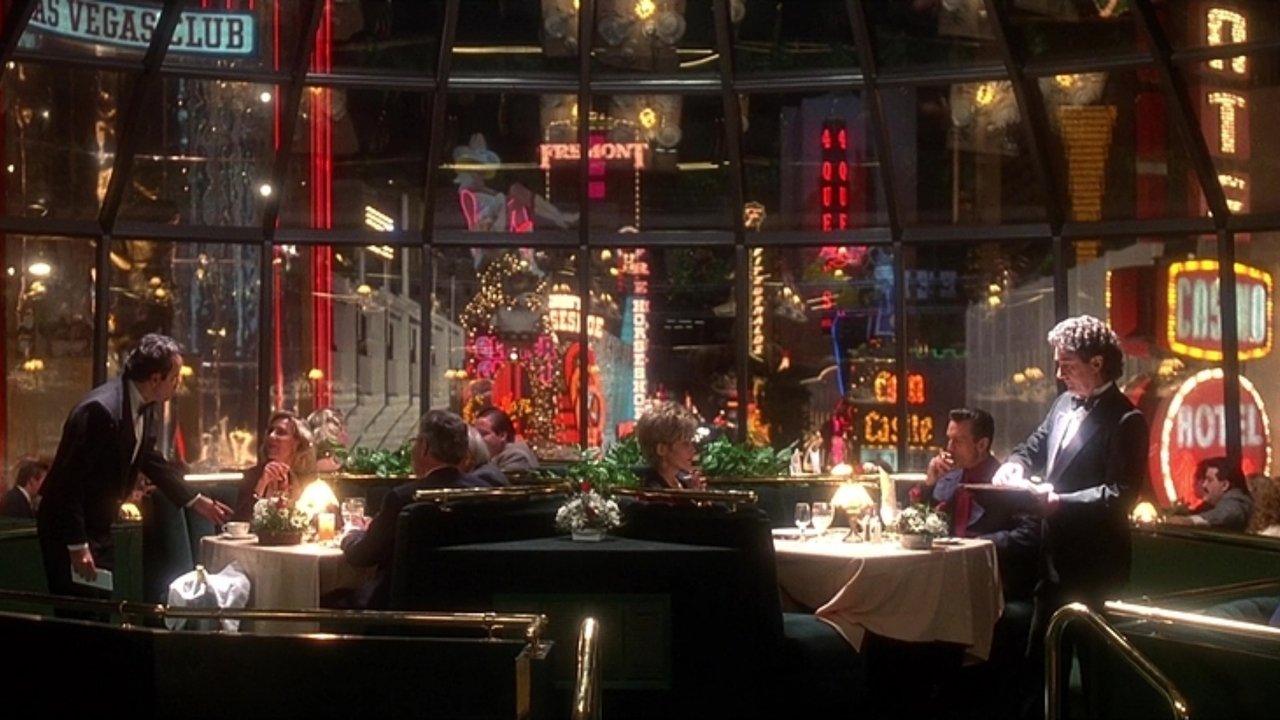
What strikes me looking back at the film's 1995 release is how it captured the pivot point of Las Vegas history. This was the era of the transition from "the guys with the rings" to "the guys with the MBAs." Scorsese and co-writer Nicholas Pileggi (who also wrote the source material Casino: Love and Honor in Las Vegas) aren't just telling a story; they’re documenting the death of a certain kind of lawlessness. The cinematography by Robert Richardson (who’d go on to lens The Aviator and Inglourious Basterds) is legendary for its "top lighting"—that bright, hazy glow that makes the casino floor look like a religious cathedral devoted to the god of Luck.
The Storm Called Ginger
If the movie belongs to anyone, though, it’s Sharon Stone. For years, she was relegated to "femme fatale" roles that didn't ask for much more than a smoldering look. In Casino, she is a revelation. Her portrayal of Ginger McKenna—a world-class hustler who marries Ace but can’t escape her addiction to her low-life pimp, Lester Diamond (James Woods) —is a masterclass in emotional disintegration.
I remember the "prestige" buzz around her performance at the time. It was a massive deal; she won the Golden Globe and grabbed an Oscar nomination, proving she could go toe-to-toe with heavyweights like Robert De Niro. There’s a scene where she’s tied to a bed, screaming for her life, and you realize this isn't the "glamour" she signed up for. It’s harrowing. The chemistry between Stone and Robert De Niro is less about love and more about a mutual attempt to own something they can’t control.
Behind the Glitter
The production of Casino was almost as extravagant as the film itself. Apparently, the costume budget alone was $1 million. Robert De Niro had 70 different costume changes, and Sharon Stone had 40; the studio actually let them keep the clothes afterward. One of the most famous pieces, a gold-beaded gown worn by Stone, reportedly weighed 45 pounds. You can see the physical toll it takes on her in the way she moves through the Tangiers—it’s the weight of the crown.
There’s a legendary bit of trivia involving the "head in a vise" scene, which remains one of the most difficult things I’ve ever had to watch. Turns out, that wasn't just Scorsese being "edgy." It was based on real-life mob records regarding a hitman named Tony Spilotro (the inspiration for Pesci’s character). The film’s commitment to this kind of brutal, unvarnished truth is why it feels so much heavier than your average crime flick.
I also have to mention Don Rickles. Casting the legendary "Merchant of Venom" as Billy Sherbert was a stroke of genius. He doesn't tell jokes here; he just watches the chaos with the weary eyes of a man who knows where all the bodies are buried. It adds a layer of "Old Vegas" authenticity that you just can't fake.
A Retrospective Gamble
Watching Casino today, in an era where Vegas is essentially a giant, corporate-owned shopping mall with slot machines, the film feels like a ghost story. It’s a document of a time when the desert was a dumping ground and the "eye in the sky" was more about intuition than algorithms.
The DVD culture of the early 2000s did wonders for this film’s legacy. I remember the special edition two-disc sets where you could spend hours listening to the real-life inspirations for the characters. It turned us all into amateur historians of the Chicago Outfit. It also allowed us to appreciate the editing by the great Thelma Schoonmaker. The way she weaves the wall-to-wall soundtrack—everything from Bach to The Animals—into the narrative flow is nothing short of miraculous.
Ultimately, Casino is a film about the fact that the real villain of the movie is the lack of a decent HR department in 1970s Vegas. It’s a loud, violent, beautiful, and deeply cynical look at how greed eventually eats itself. It’s a dark masterpiece that demands your full attention for all three hours, and every time the credits roll to the strains of "Matthäus-Passion," I feel like I’ve just stepped off a high-stakes bender. It’s Scorsese at his most uninhibited, and it’s a bet that still pays off.

Keep Exploring...
-
GoodFellas
1990
-
Cape Fear
1991
-
The Departed
2006
-
Mean Streets
1973
-

Taxi Driver
1976
-
Gangs of New York
2002
-

The Irishman
2019
-
The Wolf of Wall Street
2013
-
A Bronx Tale
1993
-
Shutter Island
2010
-
The Usual Suspects
1995
-
Heat
1995
-
The Green Mile
1999
-
Killers of the Flower Moon
2023
-

The Silence of the Lambs
1991
-
Carlito's Way
1993
-
The Shawshank Redemption
1994
-
Fargo
1996
-
L.A. Confidential
1997
-

Requiem for a Dream
2000