Casper
"Death has never looked so lively."
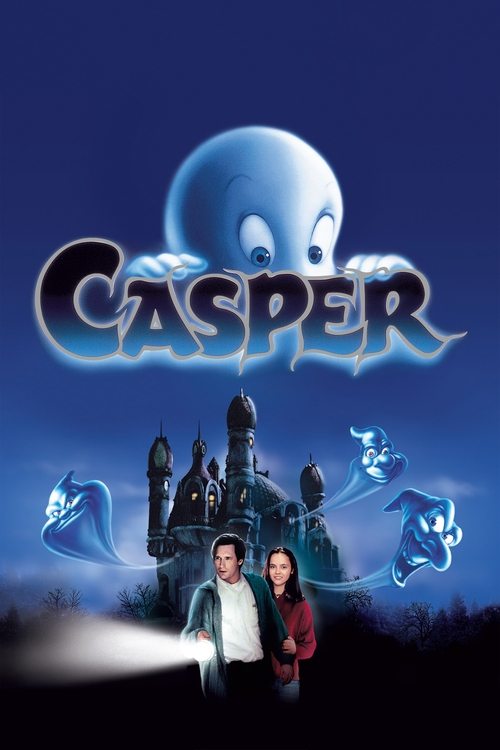
There is an inherent weirdness to the mid-90s blockbuster that we simply don’t see anymore—a specific blend of high-concept digital ambition and surprisingly morbid storytelling that peaked when a dead toddler tried to flirt with the girl from The Addams Family. While the 1995 live-action Casper was marketed as a whimsical family romp, rewatching it today reveals a film that is part gothic romance, part slapstick cartoon, and part existential crisis. It’s a movie where the production design looks like a fever dream and the lead character is a translucent ghost who just wants a friend, but the script isn't afraid to remind you, repeatedly, that everyone dies.
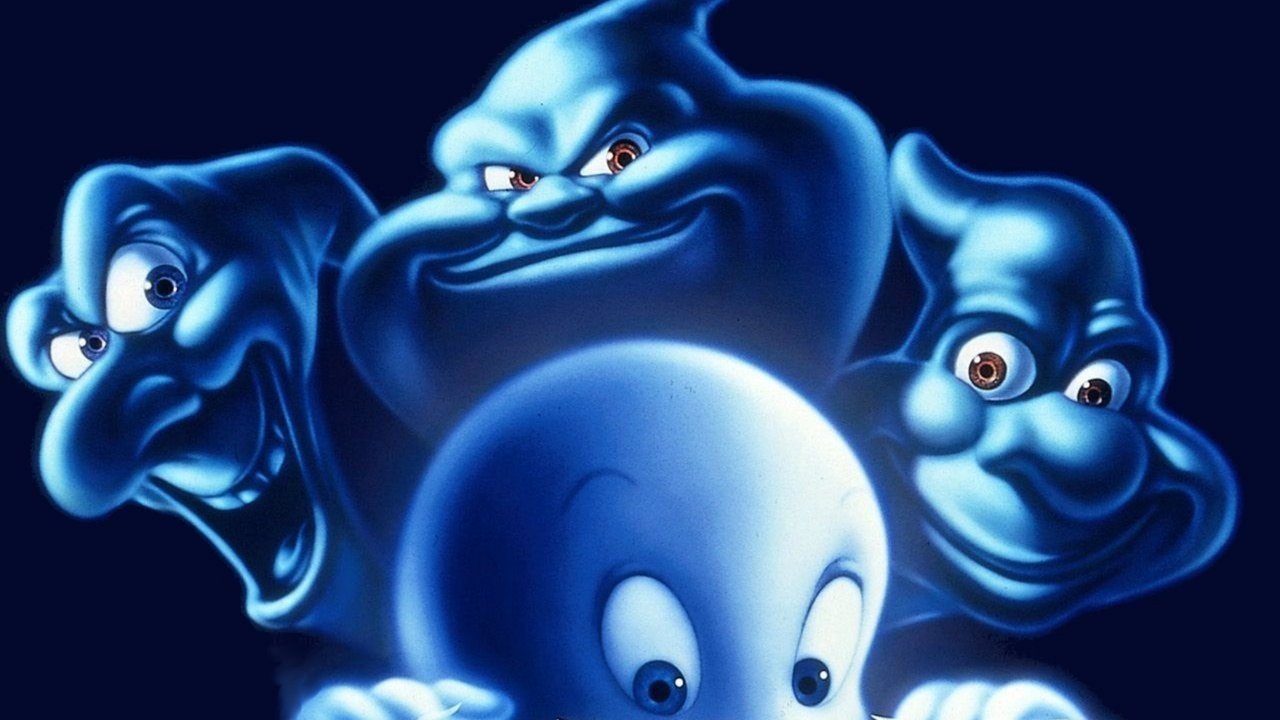
I actually watched this recently on a Tuesday afternoon while eating a bowl of cereal that had gone slightly soggy, which felt appropriately depressing for a movie about dead children. Yet, despite the melancholy underpinnings, Casper remains a triumph of a very specific era of filmmaking. It’s that sweet spot where Industrial Light & Magic (ILM) was flexing its muscles post-Jurassic Park, but before the industry completely abandoned the tactile beauty of massive, physical sets.
Digital Souls in a Practical World
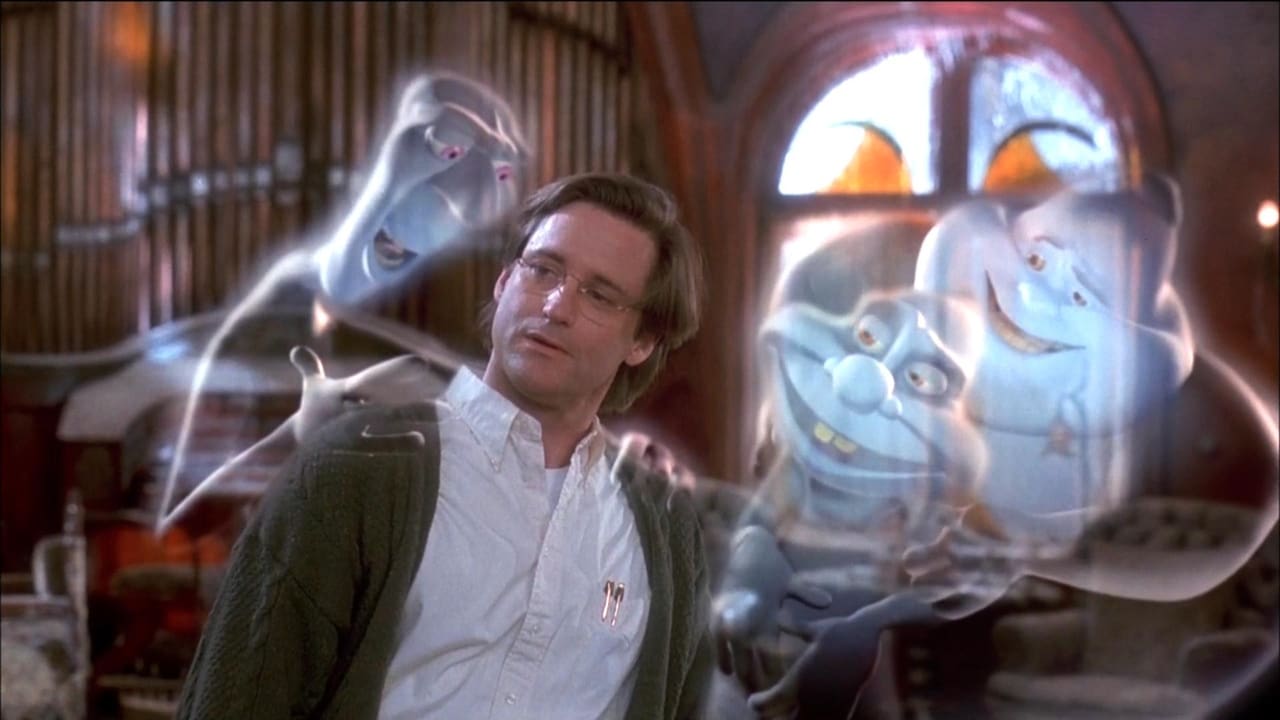
The most striking thing about Casper nearly thirty years later isn't the CGI itself, but how it interacts with the environment. This was the first film to feature a fully digital lead character, and the tech holds up surprisingly well because of the lighting. When Malachi Pearson (voicing Casper) or the Ghostly Trio float through Whipstaff Manor, they cast shadows. They reflect in mirrors. They interact with the glorious, Gaudí-inspired architecture of the set.
Production designer Lawrence Paull created a mansion that feels like a character in its own right. It’s all sweeping curves and skeletal structures, a physical space that grounds the digital apparitions. Looking back, this was a pivotal moment in the CGI revolution. We were moving away from the stop-motion charm of the 80s and into a world where anything was possible, but the filmmakers still understood that if the actors couldn’t "feel" the ghosts in the room, the audience wouldn't either. Christina Ricci, as Kat, does a monumental amount of heavy lifting here. Coming straight off her iconic run as Wednesday Addams, she brings a grounded, cynical-yet-tender energy that prevents the movie from drifting into pure saccharine territory.
The Melancholy of Being Dead

While the kids in the audience were there for the breakfast-launching machines and the "Super Soaker" gags, the adults were treated to a story about grief. Bill Pullman, playing Dr. James Harvey, is essentially a "ghost therapist" who is only in the business because he’s desperate to find his deceased wife. Pullman plays the role with a wounded, bumbling sincerity that is genuinely touching. He’s not a hero; he’s a guy who moved his daughter to a haunted house in Maine because he can’t say goodbye.
The humor balances this weight with varying degrees of success. You have the Ghostly Trio—Joe Alaskey, Brad Garrett, and Jess Harnell—providing a relentless barrage of Three Stooges-style slapstick. Their energy is chaotic and often mean-spirited, which provides a necessary edge. The villains in this movie are basically sentient Looney Tunes who wandered into a funeral parlor. Cathy Moriarty and Eric Idle play the antagonists, Carrigan and Dibs, with such over-the-top, mustache-twirling villainy that they feel like they’ve escaped from a different, louder movie. It’s campy, it’s broad, and it’s exactly what the film needs to keep the "Family" genre tag from being swallowed by the gothic gloom.
A Blockbuster with Spirit
By the time the credits roll to the tune of a hauntingly beautiful James Horner score, it’s easy to see why this was a massive hit. On a $50 million budget—a hefty sum in 1995—it raked in over $287 million worldwide. It wasn't just a movie; it was a cultural event that spawned everything from Pizza Hut puppets to a sprawling merchandise line. It captured the 90s obsession with "edgy" family entertainment, sitting comfortably on the shelf next to Beetlejuice and The Nightmare Before Christmas.
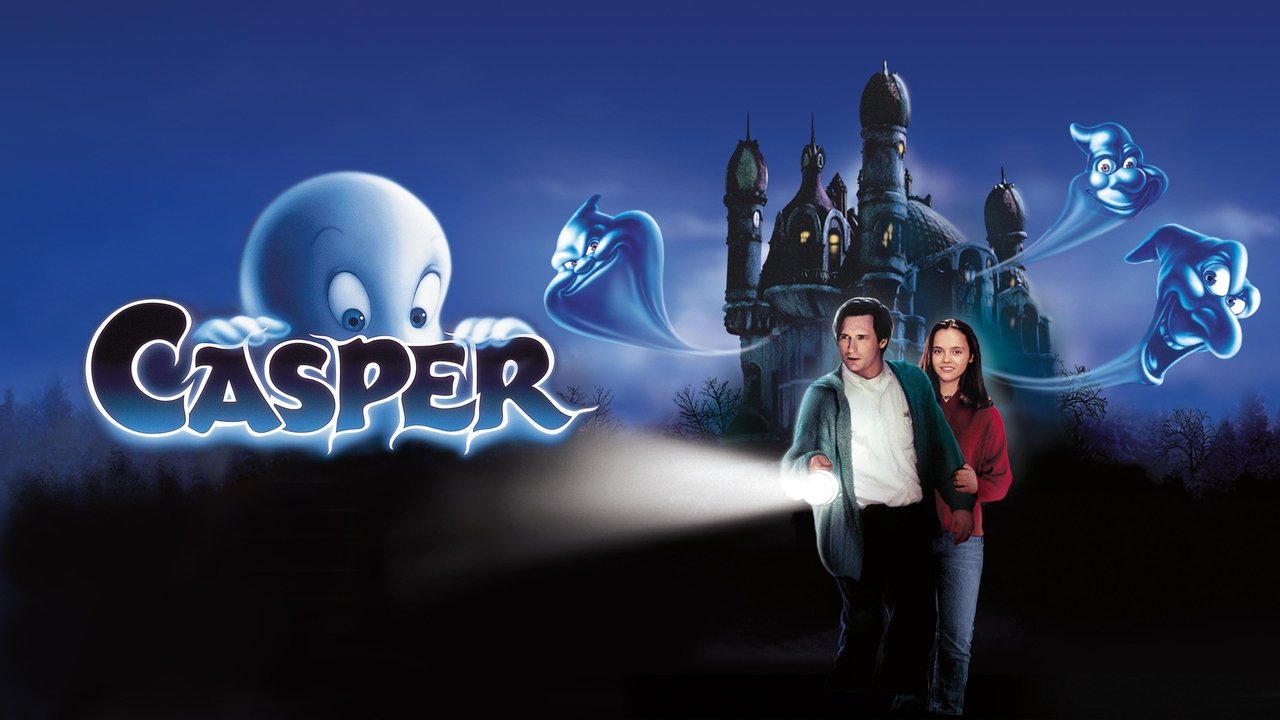
The film is also a treasure trove for eagle-eyed fans of the era. The cameos alone are a mid-90s time capsule: Dan Aykroyd appears in full Ghostbusters gear (running away from Whipstaff, no less), and there are quick flashes of Clint Eastwood, Mel Gibson, and even the Crypt Keeper. These moments emphasize the film’s self-awareness; it knows it’s a spectacle, and it’s having a blast with its own absurdity.
Looking back, Casper is far more ambitious than it needed to be. It could have been a cheap cash-in on a classic IP, but instead, it gave us a visually stunning exploration of what it means to leave something behind. It’s funny, it’s messy, and it’s occasionally very weird, but it has a heartbeat—even if its protagonist doesn't.
Casper remains a high-water mark for 90s family cinema, blending groundbreaking tech with a surprisingly soulful script. While some of the slapstick feels a bit "of its time," the chemistry between Christina Ricci and her translucent co-star provides the film with an enduring emotional core. It’s a reminder that even the biggest blockbusters can find room for a little bit of intimacy and a lot of imagination. If you haven't visited Whipstaff Manor in a while, it's a trip worth taking, if only to see how the digital revolution first learned to haunt us.
Keep Exploring...
-
Hook
1991
-
Shrek the Third
2007
-
The Santa Clause
1994
-

Babe
1995
-
Lemony Snicket's A Series of Unfortunate Events
2004
-
Shrek 2
2004
-
Charlie and the Chocolate Factory
2005
-

Night at the Museum
2006
-
Horton Hears a Who!
2008
-

Puss in Boots
2011
-
The Smurfs
2011
-
Hotel Transylvania
2012
-
The Smurfs 2
2013
-
Last Action Hero
1993
-
Stuart Little
1999
-
How the Grinch Stole Christmas
2000
-
The Kid
2000
-
The Road to El Dorado
2000
-
Freaky Friday
2003
-

The SpongeBob SquarePants Movie
2004