Copycat
"History’s deadliest crimes are getting an encore."

1995 was the year the serial killer went from a B-movie boogeyman to a high-art obsession. While David Fincher’s Se7en was busy soaking the genre in rain and biblical nihilism, director Jon Amiel released Copycat, a thriller that is every bit as intelligent, far more claustrophobic, and sadly, much more neglected by the modern zeitgeist. It is a film that sits in the shadow of giants like The Silence of the Lambs, yet it manages to do something those films didn't: it puts two incredibly capable, distinct women at the center of a procedural without making their gender the "twist" or the "weakness."
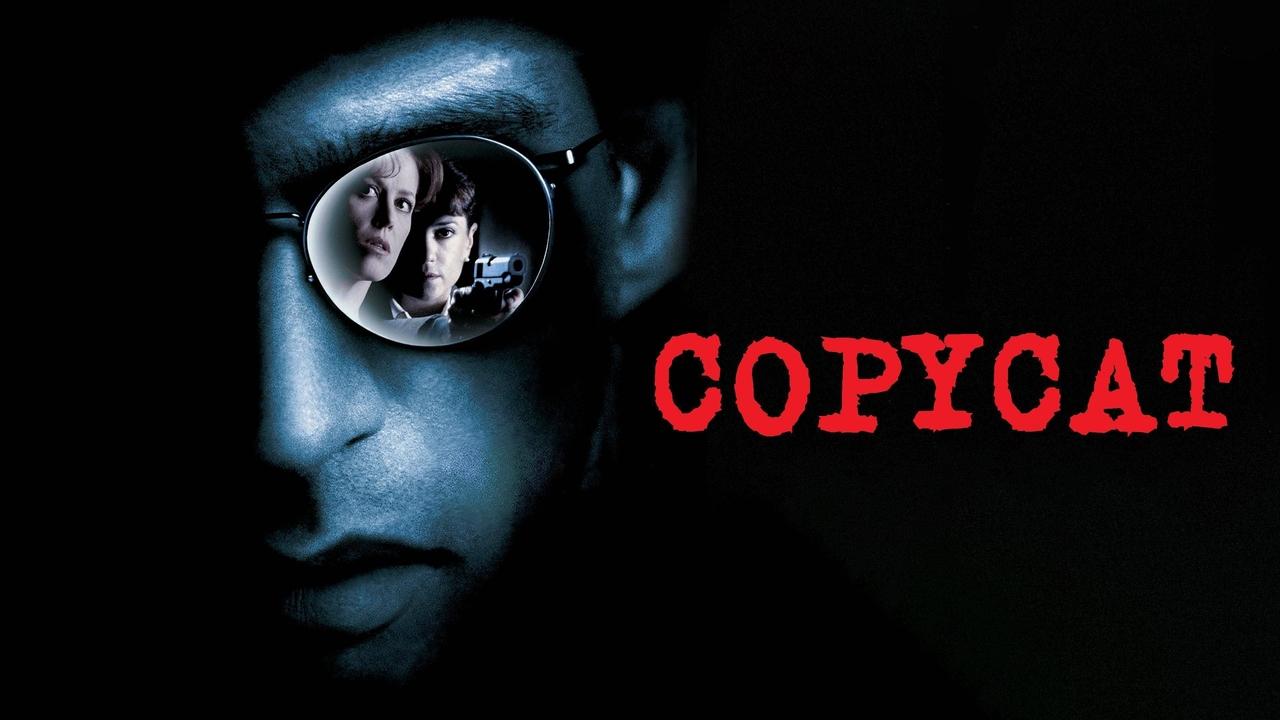
I watched this last night while my neighbor was power-washing their driveway at 9 PM, and the rhythmic, distant buzzing actually made the suspense scenes ten times more stressful. It felt appropriate for a movie that treats sound and space like a weapon.
The Architecture of a Panic Attack
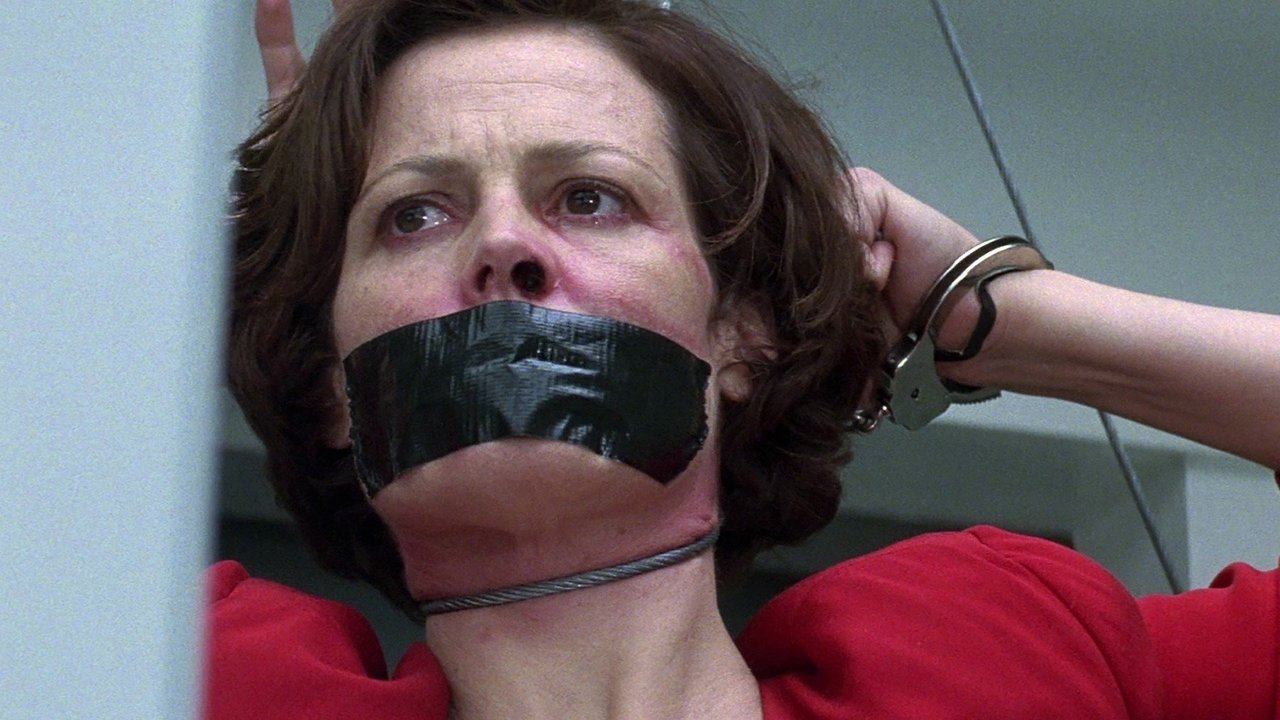
The film stars Sigourney Weaver as Dr. Helen Hudson, a criminal psychologist specializing in serial killers. After a harrowing opening sequence involving a bathroom stall and a very creepy Harry Connick Jr. (playing way against his "crooner" type), Helen is left with severe agoraphobia. She’s a prisoner in her high-tech San Francisco apartment, living through a computer screen long before that became a global lifestyle. Weaver is phenomenal here; she doesn't play agoraphobia as a dainty "fainting couch" quirk. It’s a messy, sweaty, heart-palpitating terror.
When a new string of murders begins mimicking famous killers—Boston Strangler, Manson, Berkowitz—detective M.J. Monahan (Holly Hunter) comes knocking. The chemistry between Weaver and Hunter is the secret sauce. They don't start as best friends, and they don’t have a "girl power" montage. Instead, they have a professional, prickly respect that feels grounded in reality. Hunter plays Monahan with a sharp, twitchy energy, constantly chewing on something or moving, a perfect foil to Weaver’s forced stillness.
A Time Capsule of Tech and Terror

Looking back, Copycat is a fascinating relic of the mid-90s digital transition. This was an era where "the internet" was still a mysterious, slightly threatening frontier. There’s a scene involving an anonymous email that is treated with the same tension we’d give a ticking bomb today. The film utilizes early digital graphics and dial-up modems as legitimate plot devices, and while the giant monitors and pixelated images look dated, the feeling of being watched through your own technology remains incredibly prescient.
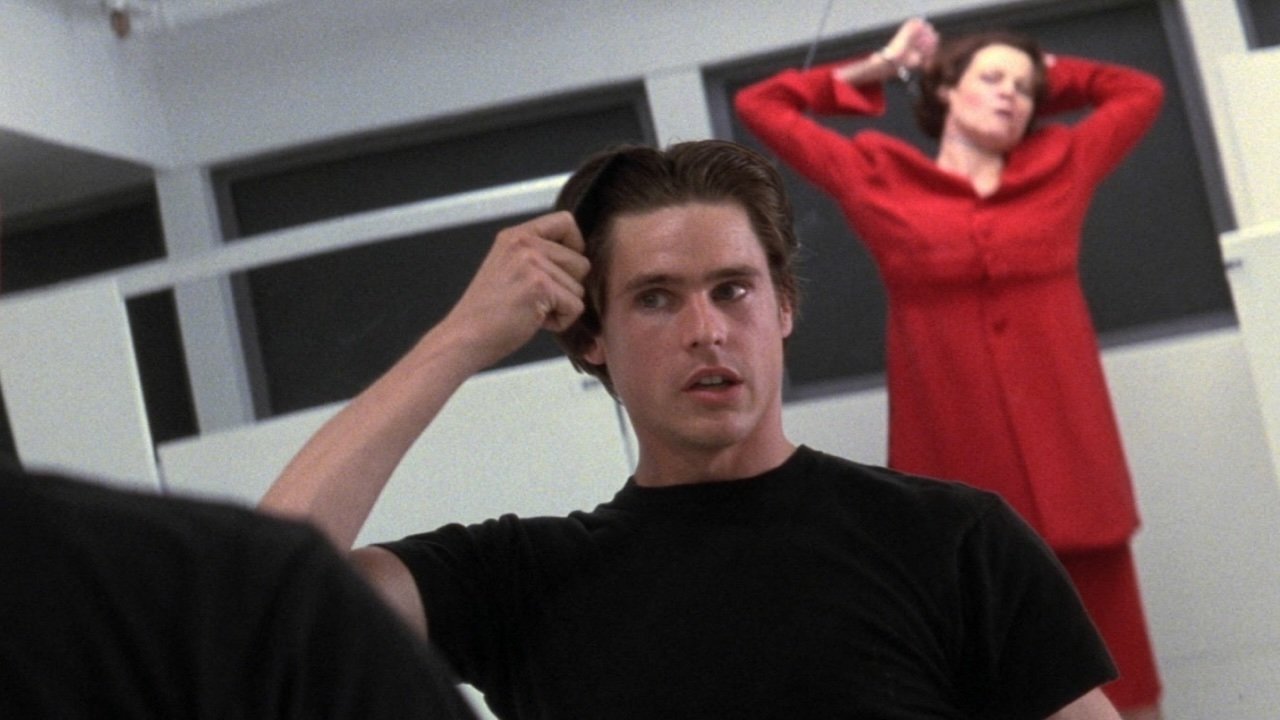
The killer, played by William McNamara, is a chillingly blank slate. He doesn't have a flashy hook or a mask; he’s just a "fanboy" of death. This is where the film gets meta. It acknowledges the burgeoning celebrity culture surrounding real-life monsters. Copycat treats the average episode of Criminal Minds like a finger-painting exercise by diving deep into the psychology of why these killers want to be remembered. It’s a critique of the genre while being a premiere example of it.
The cinematography by László Kovács (the man who shot Easy Rider and Ghostbusters) is another reason this holds up. He uses the apartment's architecture to mirror Helen’s fractured mind, using long lenses to make the hallways feel like endless tunnels. It’s a drama that understands that a closed door can be more terrifying than a sharpened knife.
Why Did It Vanish?
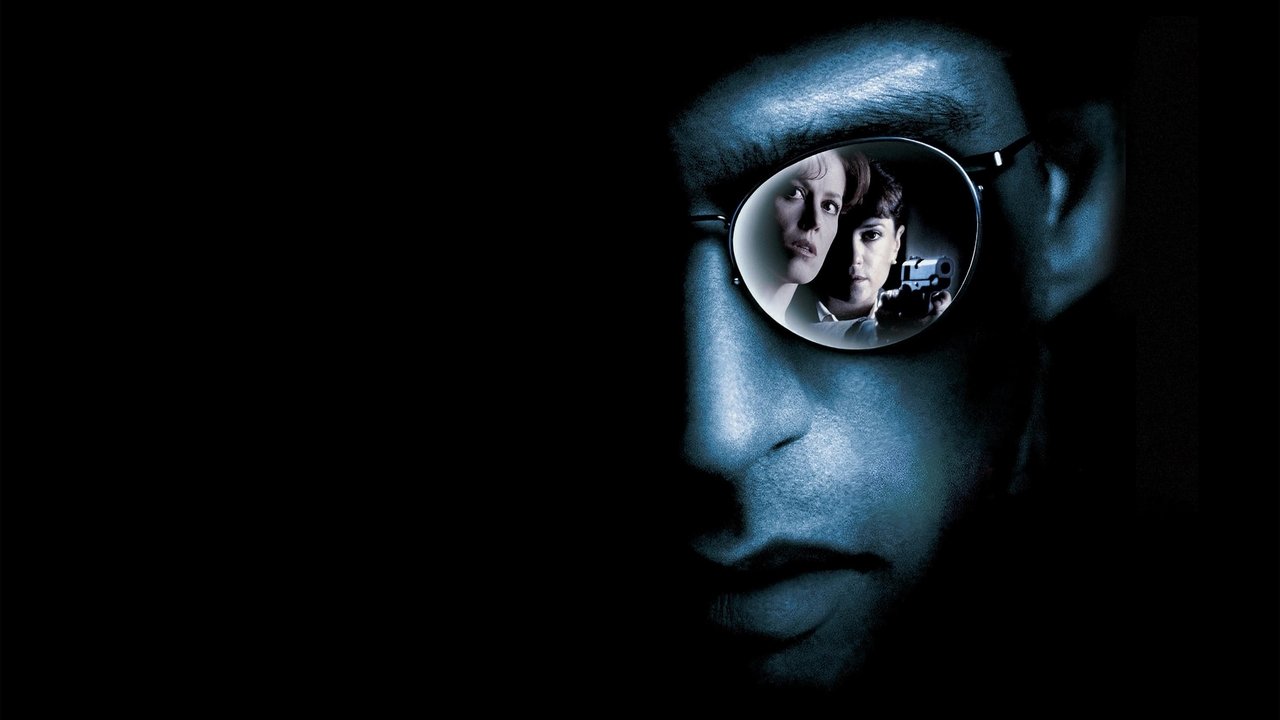
Despite a solid box office run and positive reviews, Copycat hasn't enjoyed the same "classic" status as its contemporaries. Part of that is likely the "procedural" boom that followed. By the early 2000s, television was flooded with CSI and its ilk, which borrowed heavily from Copycat’s visual language and forensic focus. In a way, the film was too successful at predicting the future of crime storytelling; it eventually felt like a very expensive, very well-acted pilot for a show we’ve seen a thousand times since.
There’s also the fact that it’s a mid-budget thriller, a species that is practically extinct in today's franchise-heavy landscape. It’s a movie for adults that doesn't rely on explosions, but on the mounting dread of a ringing telephone. During production, Sigourney Weaver reportedly spent time with a psychiatrist to ensure her panic attacks were medically accurate, and that dedication shows. It’s a film that respects the trauma of its characters.
Copycat is a masterfully paced thriller that deserves a spot on your weekend watchlist, especially if you think you’ve seen every "serial killer" trope in the book. It’s a reminder of a time when thrillers were built on performance and atmosphere rather than just a shocking ending. Sigourney Weaver and Holly Hunter are a duo I wish we’d seen in five more movies, but perhaps the rarity of their collaboration is what makes this one feel so special. If you can find it on a streaming service or a dusty DVD shelf, turn the lights down and keep an eye on your computer screen. You might just find yourself checking the locks on your front door twice.
Keep Exploring...
-
The Client
1994
-
Breakdown
1997
-
Kiss the Girls
1997
-
Arlington Road
1999
-
Striking Distance
1993
-

The Long Kiss Goodnight
1996
-
Snake Eyes
1998
-
The General's Daughter
1999
-
The Pledge
2001
-
Mindhunters
2004
-
Cleaner
2007
-
In the Valley of Elah
2007
-
The Losers
2010
-
The Raven
2012
-
Kill the Messenger
2014
-

Miller's Crossing
1990
-
Wild at Heart
1990
-
In the Line of Fire
1993
-
The Net
1995
-
8MM
1999