Dangerous Minds
"Poetry, karate, and a leather-clad savior."
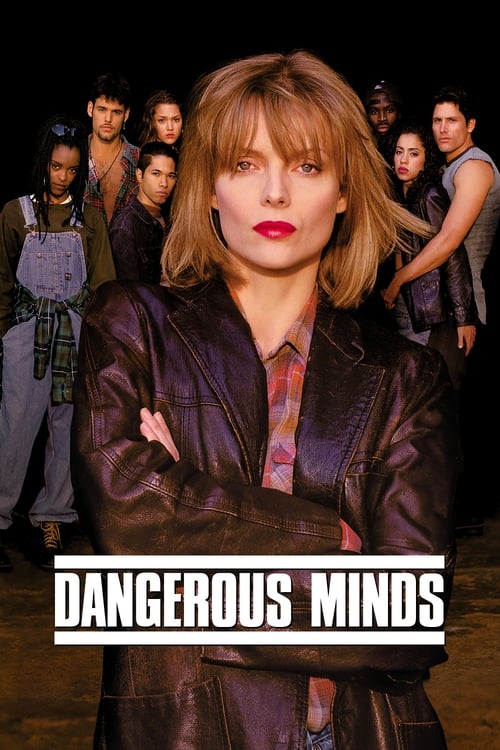
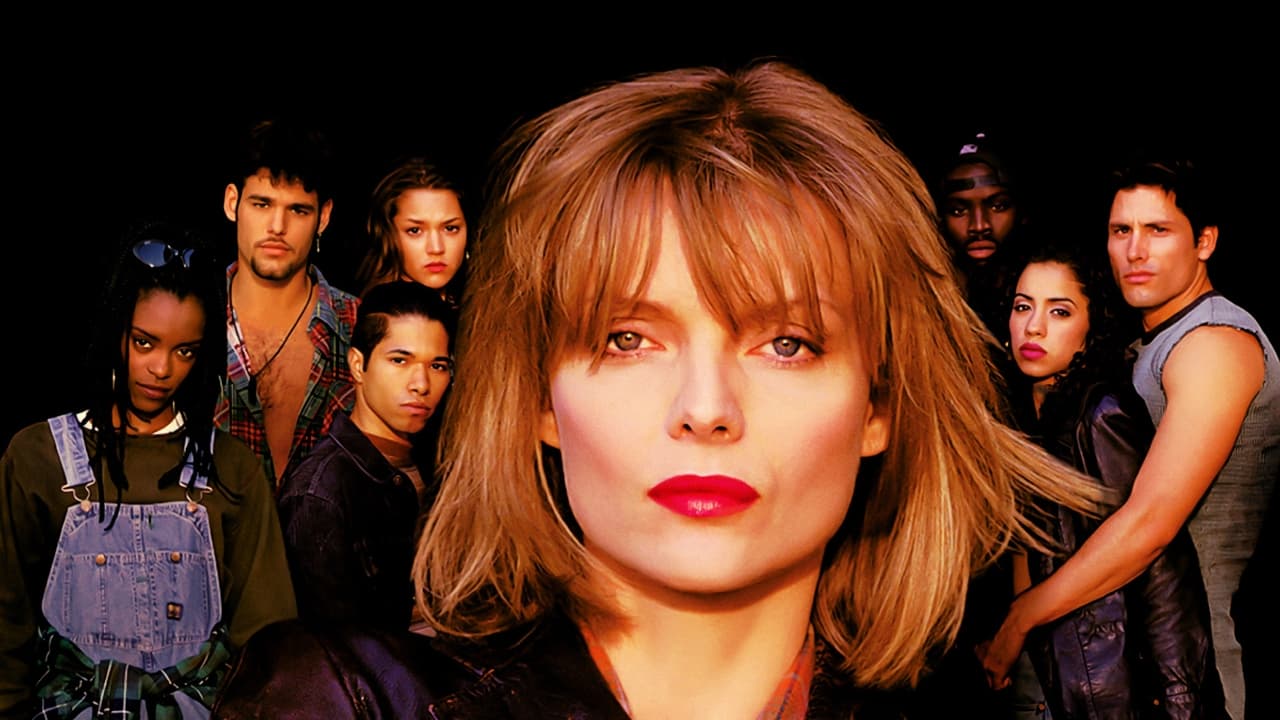
I was wearing a flannel shirt that smelled faintly of mothballs—freshly pulled from my "winter" storage bin—when I sat down to revisit Dangerous Minds. It’s funny how a specific scent can trigger a sensory flashback to 1995, a year when Michelle Pfeiffer’s face was on every bus stop and Coolio’s "Gangsta’s Paradise" was the inescapable heartbeat of the FM dial. Looking back, this movie wasn't just a drama; it was a cultural event manufactured by the high-gloss machine of Don Simpson and Jerry Bruckheimer.
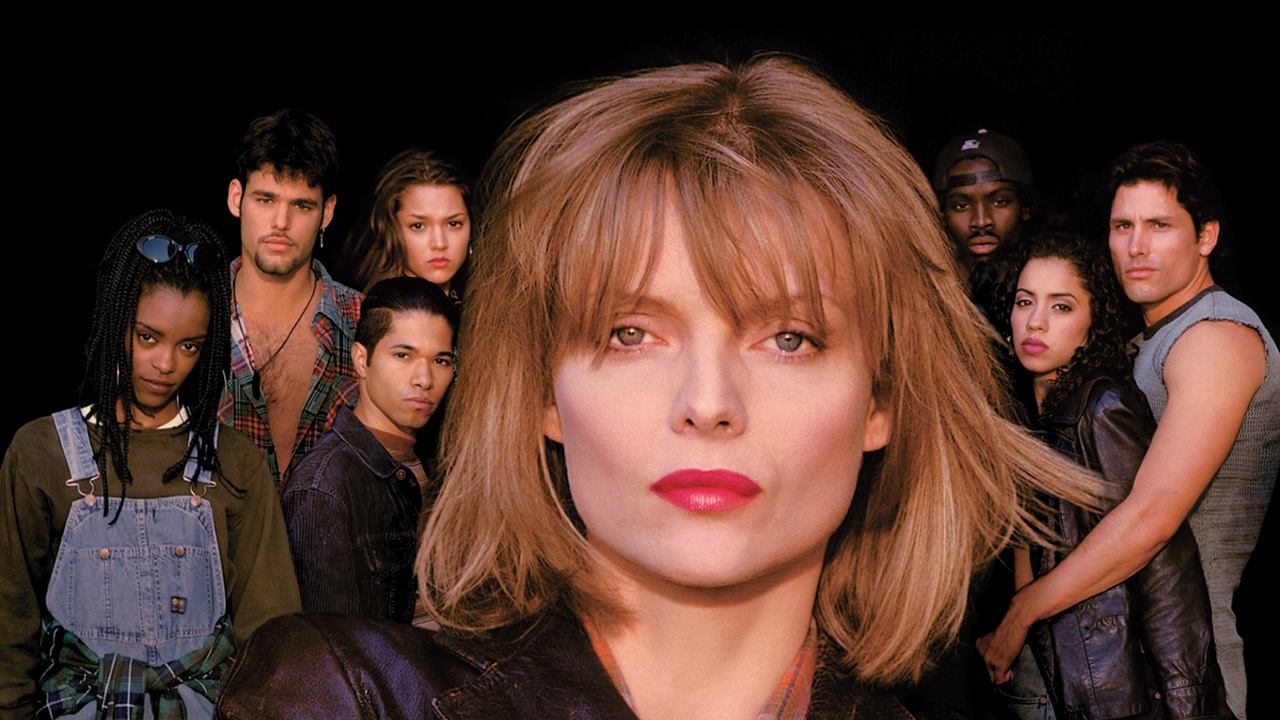
If you weren't there, it’s hard to describe how much of a behemoth this film was. With a $23 million budget, it went on to rake in nearly $180 million. It’s the quintessential "Modern Cinema" artifact—a bridge between the gritty social dramas of the 70s and the slick, soundtrack-driven blockbusters of the late 90s. It’s also a movie that, when viewed through a 2024 lens, feels like a fascinating time capsule of well-intentioned but awkward Hollywood tropes.
The Marine in the Classroom
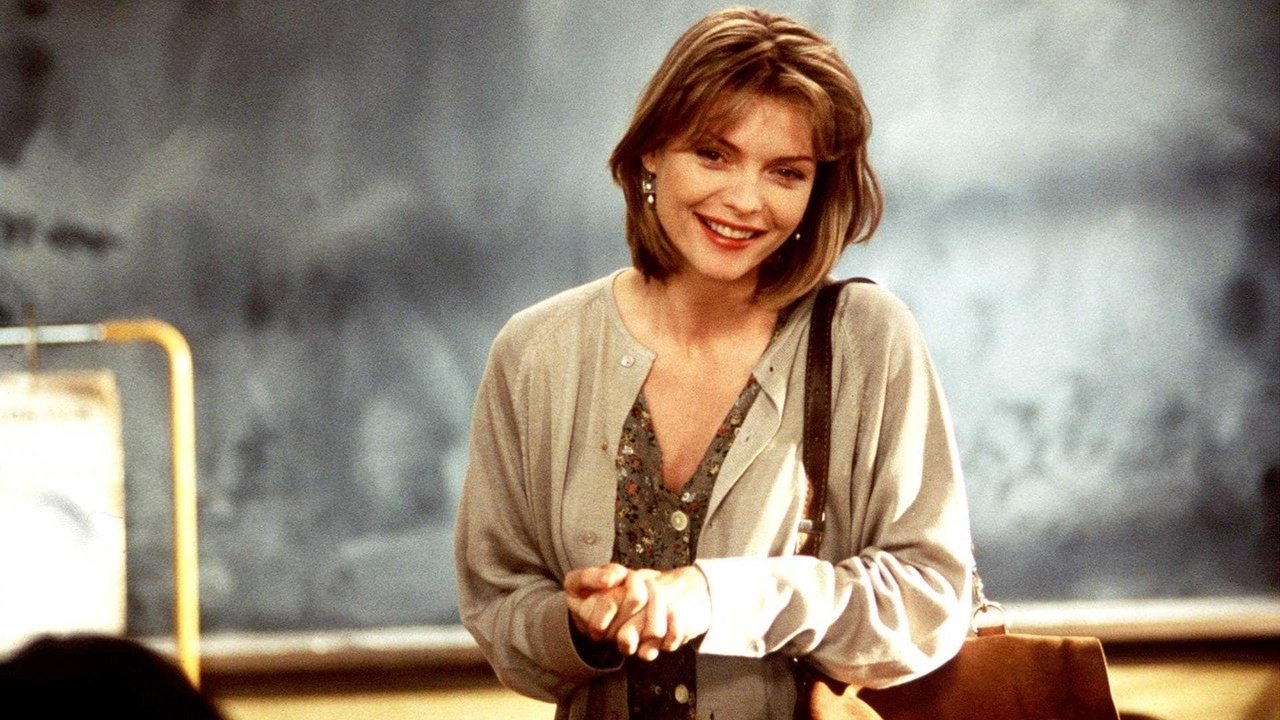
The premise is pure 90s gold: Michelle Pfeiffer plays LouAnne Johnson, a former Marine who takes a job teaching "Socially Adjusted" (a polite euphemism for "at-risk") teens at an inner-city school. After getting eaten alive on her first day, she swaps the floral dress for a leather jacket, starts teaching karate kicks, and bribes the kids with Snickers bars.
Pfeiffer is, as always, luminous. She brings a grounded, nervous energy to LouAnne that keeps the character from feeling like a total caricature. Whether she was dodging Penguins in Batman Returns (1992) or singing on a piano in The Fabulous Baker Boys (1989), she always had this knack for making the most improbable scenarios feel lived-in. Here, she has to sell the idea that a white woman teaching Bob Dylan lyrics as "poetry" is enough to dismantle systemic poverty and racial tension. It’s essentially the cinematic equivalent of trying to cure a gunshot wound with a designer Band-Aid.
The supporting cast does a lot of the heavy lifting. George Dzundza (Basic Instinct) plays the cynical but supportive colleague, and Courtney B. Vance (The Hunt for Red October) brings a much-needed gravity to the role of the principal. But the "kids"—played by actors like Renoly Santiago and Wade Dominguez—are the real heart of the film. They represent the "bright but underachieving" pilot program, and while the script occasionally treats them like a monolith of "troubled youth," the individual performances are genuinely touching.
The Soundtrack that Ate the Movie

We have to talk about the music. In the mid-90s, the soundtrack was often more important than the script for a film's longevity. "Gangsta’s Paradise" didn't just promote the movie; it defined its entire aesthetic. Director John N. Smith uses the music and a kinetic, almost music-video-inspired editing style to keep the 99-minute runtime moving.
Behind the scenes, the production was a bit of a tug-of-war. The film is based on LouAnne Johnson’s memoir, My Posse Don’t Do Homework, which was a much more nuanced look at education. The studio, however, wanted a hit. They even shot scenes with Andy Garcia playing LouAnne's love interest, only to cut him out entirely because they felt his presence distracted from the teacher-student bond. Cutting a peak-90s Andy Garcia is a level of editorial ruthlessness I can almost respect.
The result is a film that is "Disney-fied" but still manages to land a few punches. The subplot involving the bright student Emilio and the rigid bureaucracy of the school system is still heartbreaking. It highlights a theme that remains relevant: the way institutional "rules" often fail the very people they are meant to protect.
Reassessing the "White Savior" Trope
Watching this now, it’s impossible to ignore the "White Savior" narrative that was so prevalent in this era (Freedom Writers, The Blind Side). I found myself rolling my eyes at the scene where LouAnne takes the kids to a high-end restaurant to reward them for learning about metaphors. It’s patronizing, sure, but the film’s heart is so visible on its sleeve that I can’t help but be a little charmed by its earnestness.
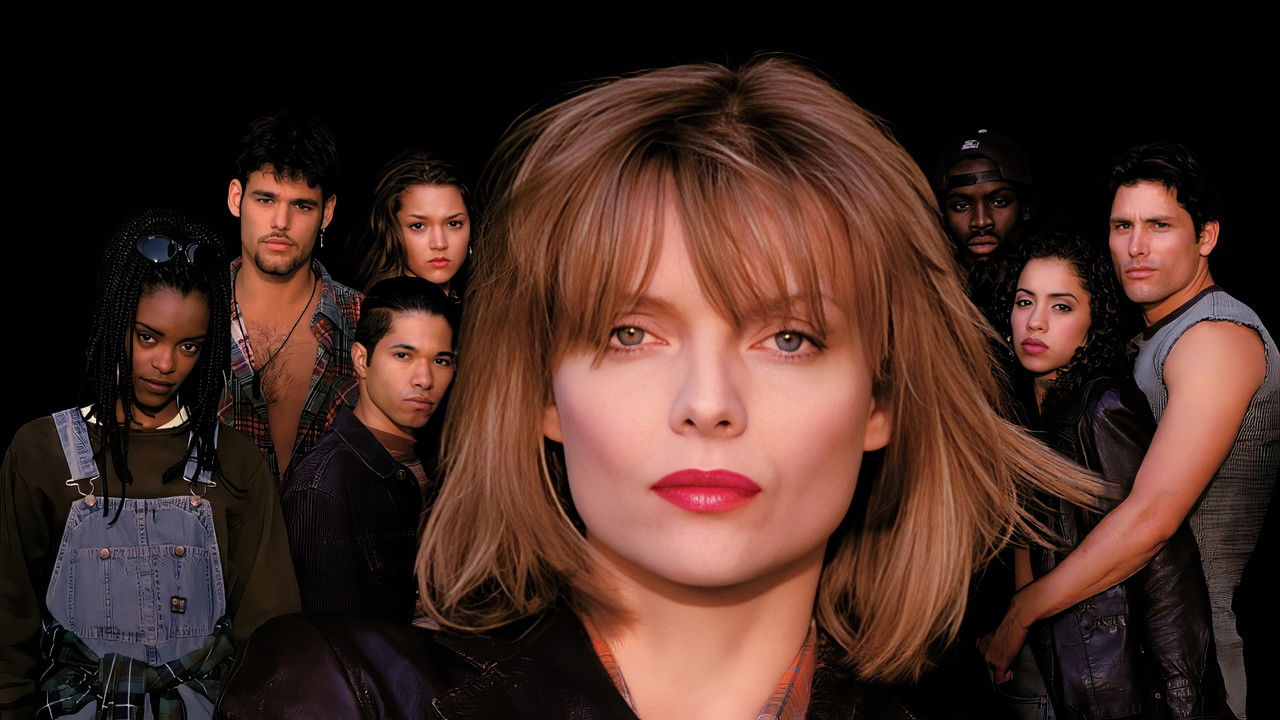
The film captures that specific Y2K-adjacent anxiety about the "disappearing" youth and the crumbling of the American dream in the inner city. It doesn't offer real solutions—unless you count a lifetime supply of candy bars and Dylan Thomas—but it at least forced a suburban audience to look at a reality they usually ignored.
It’s a polished, Simpson/Bruckheimer version of reality, where the lighting is always just right and the leather jackets look perfectly distressed. It’s a movie that thinks it’s a gritty documentary but is actually a very expensive Hallmark card.
Dangerous Minds is a fascinating relic. It’s a testament to Michelle Pfeiffer’s star power and the era when a mid-budget drama could dominate the world through sheer force of marketing and a catchy hook. While the "Marine-turned-teacher" gimmick is a bit thin and the social commentary is surface-level, it remains an incredibly watchable piece of 90s pop culture. It’s worth a rewatch if only to remember a time when we really believed a leather jacket and some rhyming couplets could change the world. Or, at the very least, to hear that Coolio track one more time.
Keep Exploring...
-
Sleeping with the Enemy
1991
-
Stepmom
1998
-
Entrapment
1999
-
City of Angels
1998
-
Ghost
1990
-
Cape Fear
1991
-
Fried Green Tomatoes
1991
-

Robin Hood: Prince of Thieves
1991
-
Forever Young
1992
-
Patriot Games
1992
-
Sneakers
1992
-

The Bodyguard
1992
-
Cool Runnings
1993
-
Free Willy
1993
-
In the Line of Fire
1993
-

Indecent Proposal
1993
-
Mrs. Doubtfire
1993
-
Sleepless in Seattle
1993
-

The Firm
1993
-
The Pelican Brief
1993