Dead Man
"The dead don’t need accountants."
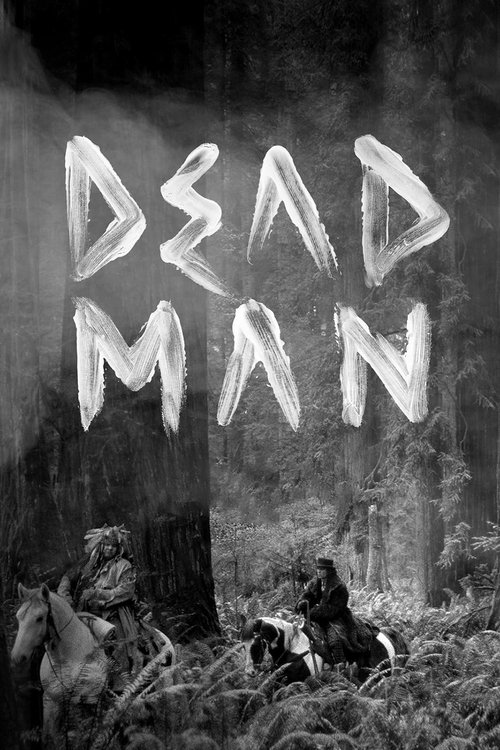
I watched Dead Man for the first time on a scratched-up DVD I found in the "Misc Westerns" bin of a closing Blockbuster, and I distinctly remember eating a bag of slightly stale pretzel sticks while the opening credits rolled. There’s something about the rhythmic, mechanical clatter of a train and the jagged, distorted electric guitar of Neil Young that makes even a stale pretzel feel like a high-stakes meal. By the time the film ended, I wasn't just hungry; I felt like I’d been through a spiritual car wash.
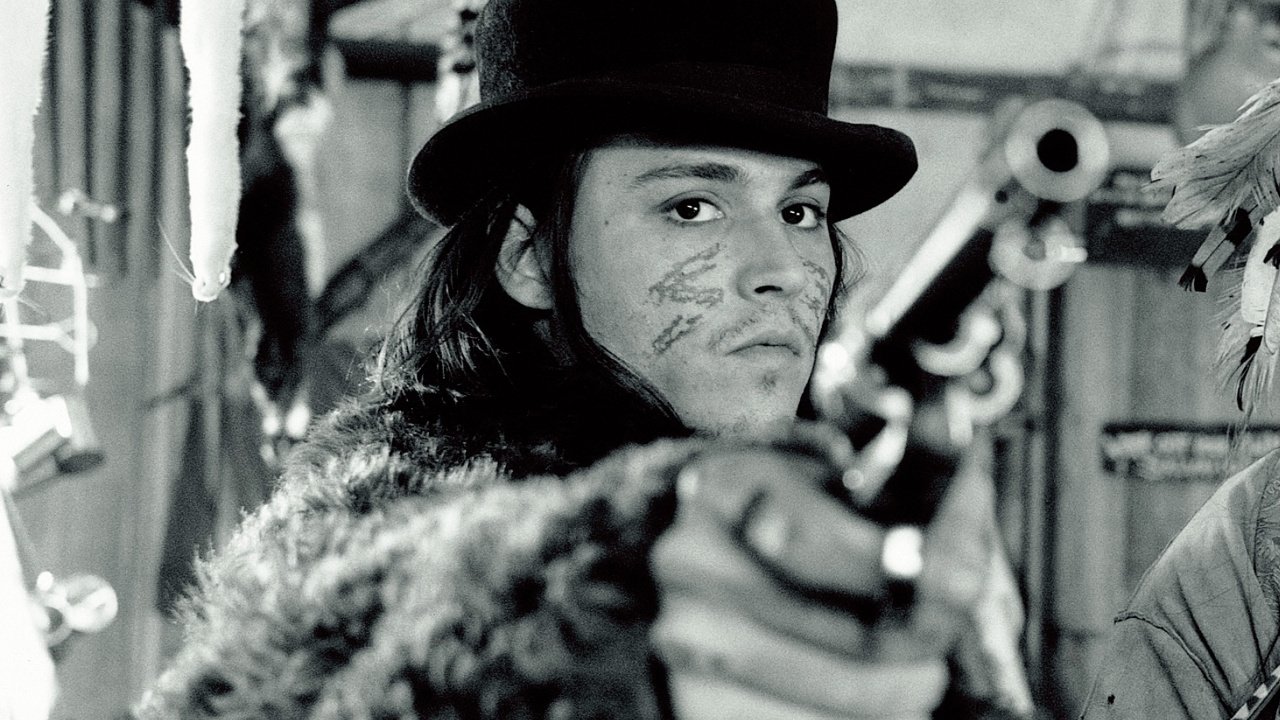
A Monochrome Fever Dream
Released in 1995, Dead Man is what critics call an "Acid Western," but I prefer to think of it as a cinematic ghost story where the ghost hasn't quite realized he’s dead yet. Jim Jarmusch (the king of 90s indie cool who gave us Stranger Than Paradise) took $9 million—a massive budget for him at the time—and decided to film a 121-minute black-and-white meditation on mortality. It was a financial disaster, making barely a million back at the box office, mostly because it refused to play by the rules of the genre.
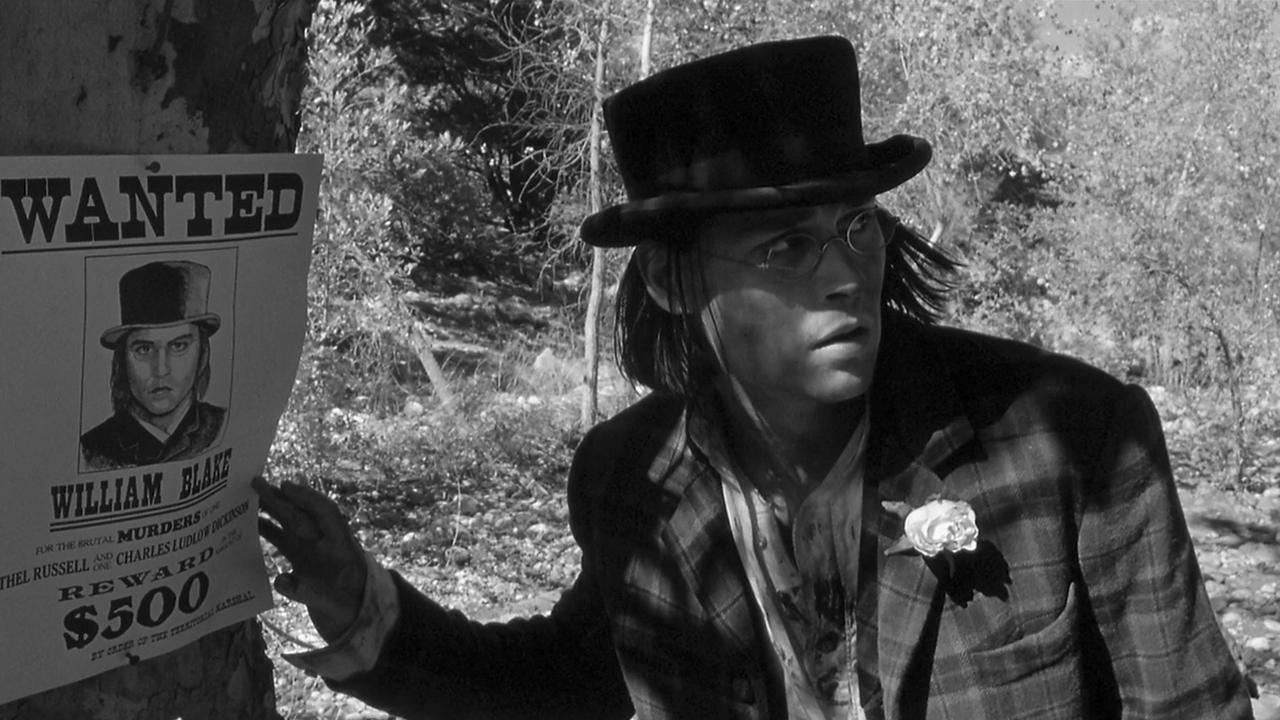
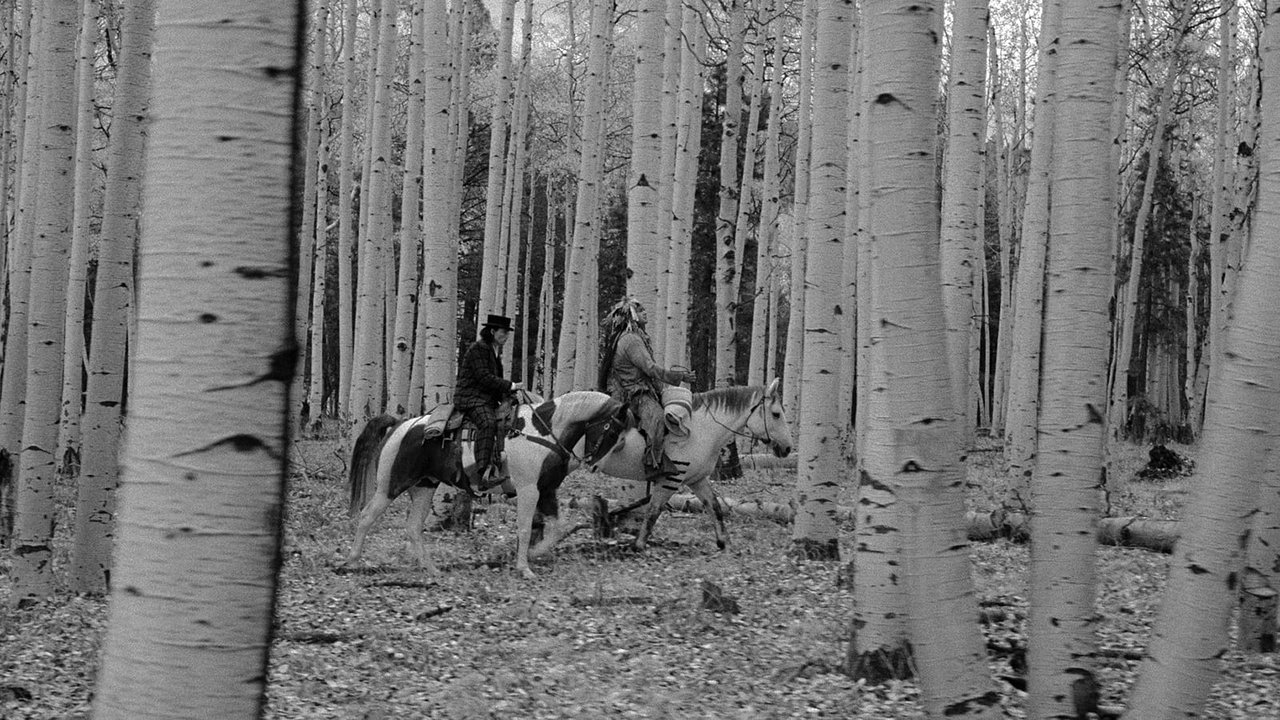
We follow William Blake—played by a young, pale, and wonderfully bewildered Johnny Depp—who travels to the edge of the frontier for a job that doesn't exist. Within twenty minutes, he’s accidentally killed a man, taken a bullet to the chest, and fled into the woods. If this were a standard Western, he’d cauterize the wound with a hot knife and seek revenge. Instead, he meets a Native American outcast named Nobody (Gary Farmer), who is convinced that this bumbling accountant is actually the reincarnation of the English poet William Blake.
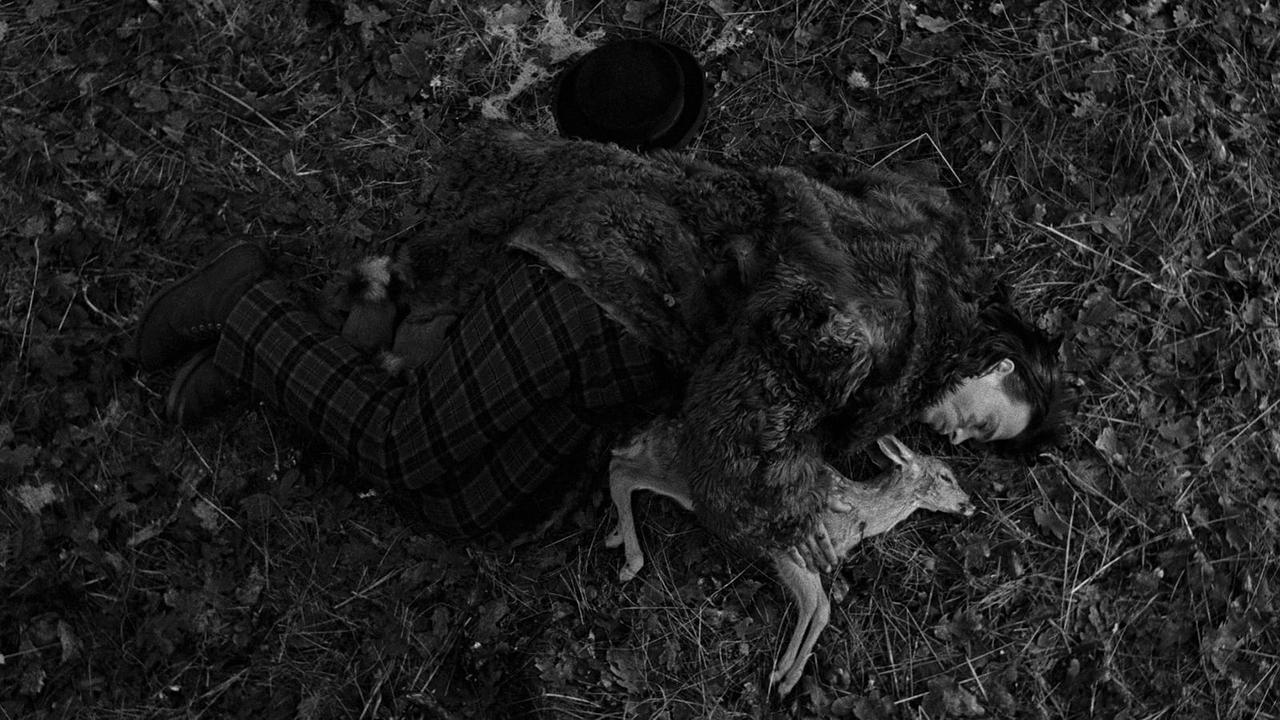
The cinematography by Robby Müller (Paris, Texas) is some of the most stunning I’ve ever seen. It’s not that "prestige" black-and-white that looks like a perfume commercial; it’s high-contrast, gritty, and silver-toned. It feels like looking at old Daguerreotype photos that have somehow come to life. If you think the Wild West was all about honor and sunset rides, this movie will slap the Stetson right off your head. It depicts the frontier as a muddy, industrial hellscape populated by cannibals, bigots, and fools.
The Sound of Dying
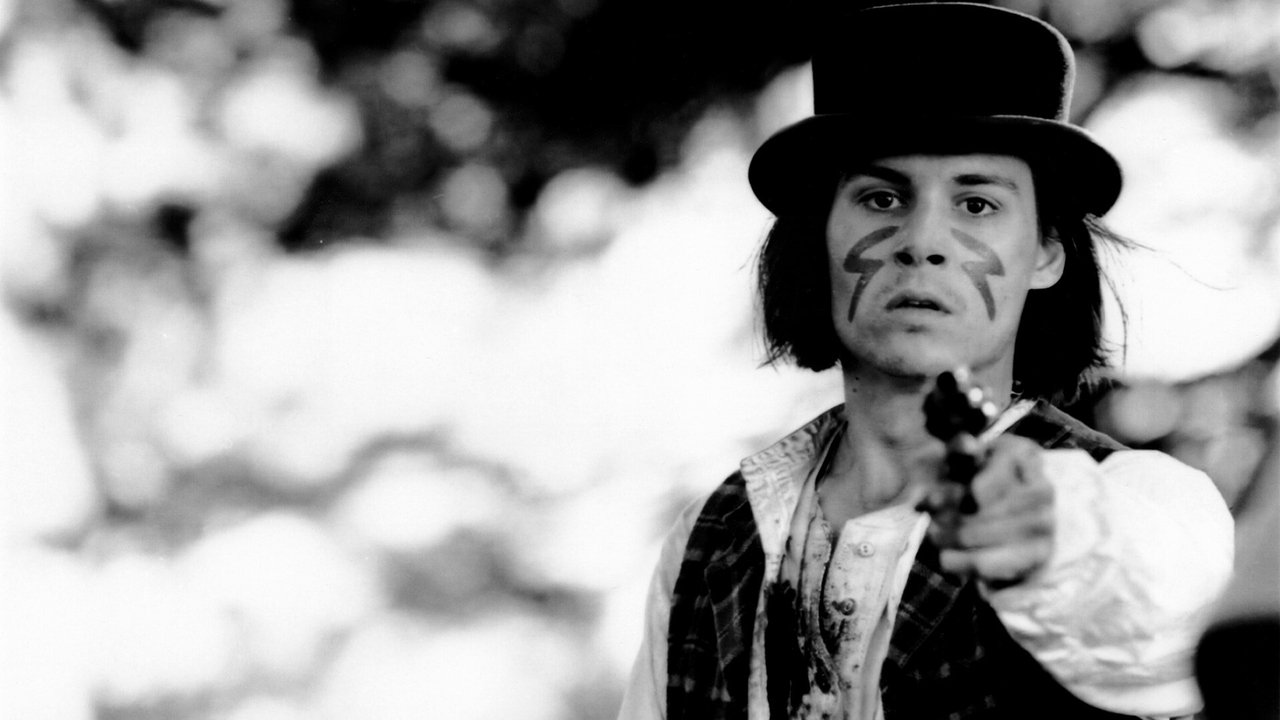
You can’t talk about Dead Man without talking about Neil Young. Apparently, Jarmusch brought Young into a studio, set up several screens playing the film, and had him improvise the entire score on his electric guitar in real-time. You can hear the hum of the amps and the physical vibration of the strings. It’s not "music" in the traditional sense; it’s the sound of a migraine transitioning into a spiritual awakening. It perfectly matches the film’s pacing, which is slow, deliberate, and hypnotic.
The 90s were a weird time for the Western. We had the big, Oscar-sweeping epics like Dances with Wolves, but Dead Man felt like the genre’s cynical, artsy younger brother who stayed up all night reading poetry and listening to grunge. It’s a film that captures the era's fascination with "deconstructing" myths. It takes the idea of the "outlaw" and strips away the glamour, leaving only a dying man in a ridiculous fur coat trying to find a quiet place to expire. Dead Man is the only movie where Johnny Depp is actually more interesting when he’s not saying anything. He plays Blake with a soft-spoken fragility that slowly hardens into a hollowed-out nihilism.
Characters from a Sooty Nightmare
The supporting cast is a "Who's Who" of 90s character actors being as weird as humanly possible. Crispin Glover appears early on as a train fireman who looks like he crawled out of a soot-covered fever dream just to deliver a cryptic warning. Then you have the bounty hunters, led by a terrifying Lance Henriksen (the legend from Aliens) and a chatty, slightly unhinged Michael Wincott.
But the heart of the film is Gary Farmer as Nobody. In a decade where Native American representation was often either "bloodthirsty savage" or "mystical environmentalist," Nobody is a revelation. He’s funny, irritable, highly educated, and deeply cynical. He quotes poetry and mocks Blake for his ignorance. There’s a fantastic bit of trivia: Nobody frequently speaks in Blood (Blackfoot) and Cree, and Jarmusch purposely left those lines unsubtitled. They are essentially private jokes for Native audiences, a way of reclaiming a genre that usually treats their culture as a backdrop.
Why did this movie disappear? It’s too slow for the action crowd and too bleak for the general public. But in the age of digital crispness, looking back at Dead Man is like finding a dusty, heavy book in a library that smells like old wood and gunpowder. It holds up because it doesn't try to be "modern." It tries to be eternal. It’s a comedy of errors where the final error is being born at all.
If you’re looking for a film that feels like a slow-motion fall into a dark river, this is it. It’s funny in a way that makes you feel slightly guilty for laughing, and sad in a way that feels oddly peaceful. Jarmusch created a masterpiece that reminds us that the journey isn't about where you're going, but how you handle the fact that you’re already halfway out the door. Grab some pretzels—maybe fresh ones—and let the guitar feedback take you to the end of the line.
Keep Exploring...
-
Only Lovers Left Alive
2013
-
Coffee and Cigarettes
2004
-
Broken Flowers
2005
-
Night on Earth
1991
-
The Quick and the Dead
1995
-
Edward Scissorhands
1990
-
Ghost Dog: The Way of the Samurai
1999
-

The Muppet Christmas Carol
1992
-
The Secret Garden
1993
-
The Hudsucker Proxy
1994
-
A Little Princess
1995
-
The Craft
1996
-
Far and Away
1992
-

Heavenly Creatures
1994
-
Maverick
1994
-

Miracle on 34th Street
1994
-

Pleasantville
1998
-
Sliding Doors
1998
-
Open Range
2003
-
The Jacket
2005