Desperado
"A Six-String Symphony of Beautiful Destruction."
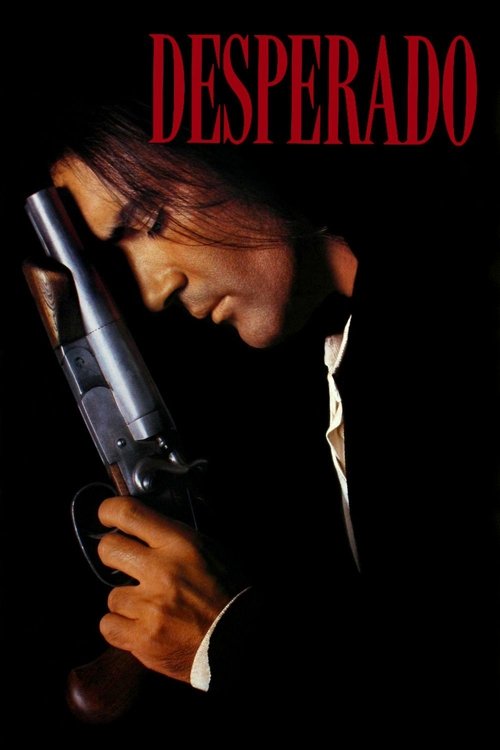
There is a specific, high-velocity vibration that occurs when a filmmaker realizes they finally have a "real" budget to play with. In 1992, Robert Rodriguez (who would go on to give us Sin City and From Dusk Till Dawn) famously made El Mariachi for a paltry $7,000—a sum that wouldn't even cover the coffee budget on a Marvel set today. But by 1995, Columbia Pictures handed him $7 million and told him to go nuts. The result, Desperado, is the cinematic equivalent of a garage band suddenly getting booked at Wembley Stadium and deciding to turn every single amplifier up to eleven.

I first watched this movie on a humid Tuesday night while wearing a pair of incredibly itchy wool socks my aunt had knitted for me. As the sweat started to bead on Antonio Banderas's forehead during that opening bar scene, I felt like my own feet were being slow-roasted in a furnace. It was a miserable physical experience, but the movie was so damn cool I didn't even care.
The Nuclear Charisma of the 90s
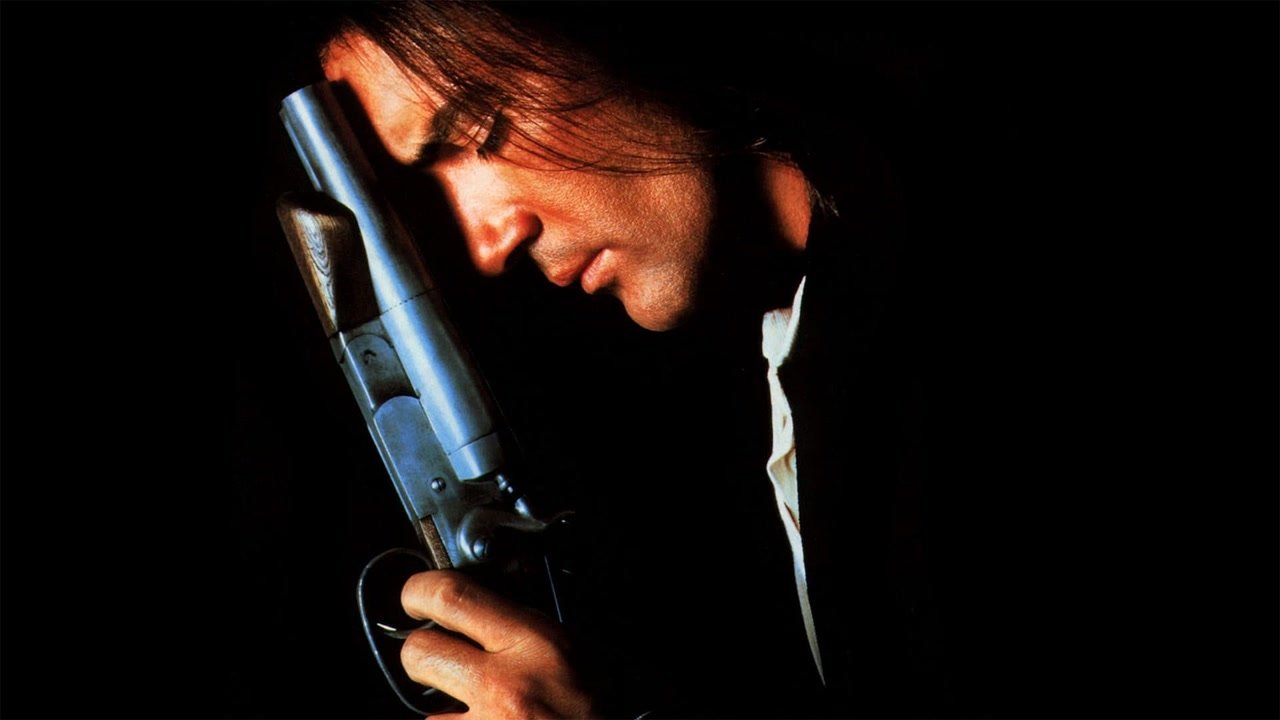
If you want to understand why Antonio Banderas became a global superstar, you don't look at The Mask of Zorro or Puss in Boots; you look at the way he carries a guitar case in this film. He plays El Mariachi with a brooding, mythic intensity that feels like a cross between a Western gunslinger and a gothic poet. He’s essentially a murderous Barbie doll for action fans, and the camera absolutely worships him.
Then there’s Salma Hayek. Looking back, it’s insane to think this was her first major American role. She doesn't just walk into a scene; she seizes it. The chemistry between her and Banderas is so volatile I’m surprised the film stock didn't spontaneously combust in the projector. There’s a scene where they’re escaping a burning building—the classic slow-motion walk away from an explosion—and it’s so stylish it almost feels like a parody, yet they pull it off through sheer, unadulterated "it" factor. Joaquim de Almeida plays the villain, Bucho, with a sleek, corporate-drug-lord menace that serves as the perfect foil to the dusty, bloody chaos of the Mariachi.
A Masterclass in Practical Mayhem
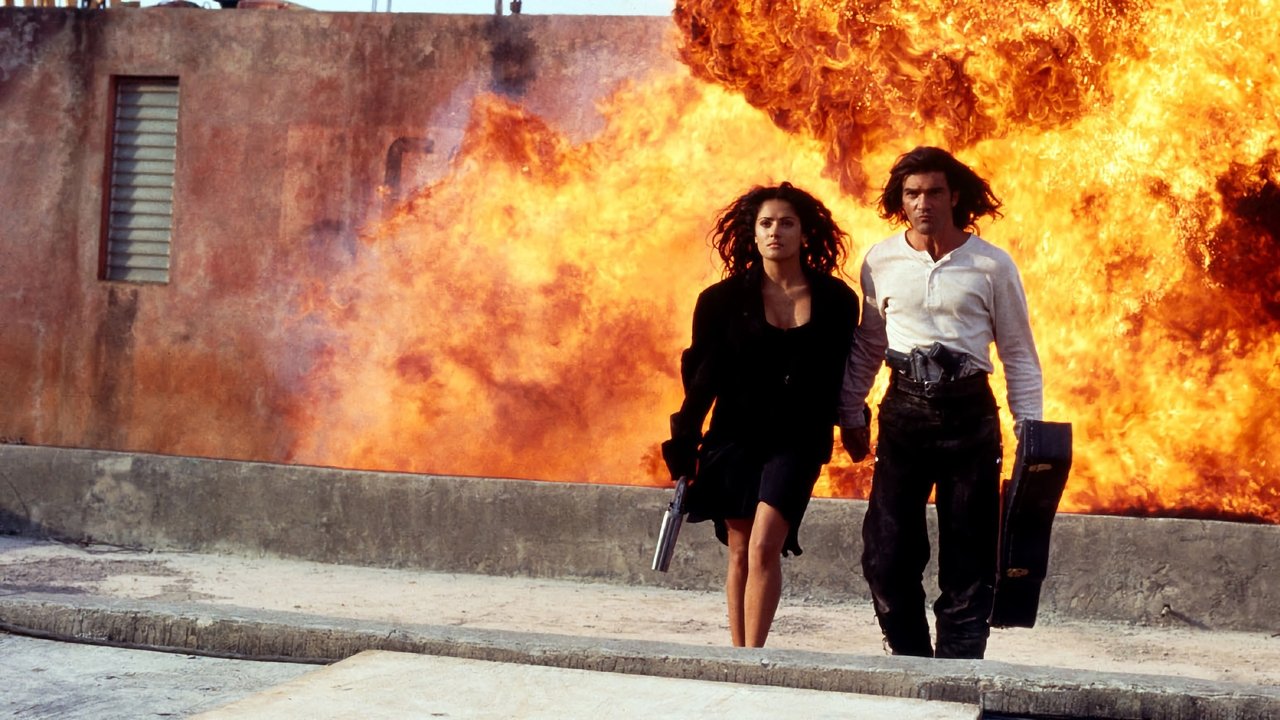
Before the era of "green-screen everything," Rodriguez was a king of the "Mariaschi-style" edit—quick cuts, zooms, and a rhythm that feels musical. The action in Desperado is gloriously practical. When a bar gets shot up, you aren't seeing digital sparks; you’re seeing squibs and real debris flying everywhere. There is a weight to the violence here that is often lost in modern CGI-heavy blockbusters. The physics of this movie are a total lie, but the impact feels real.
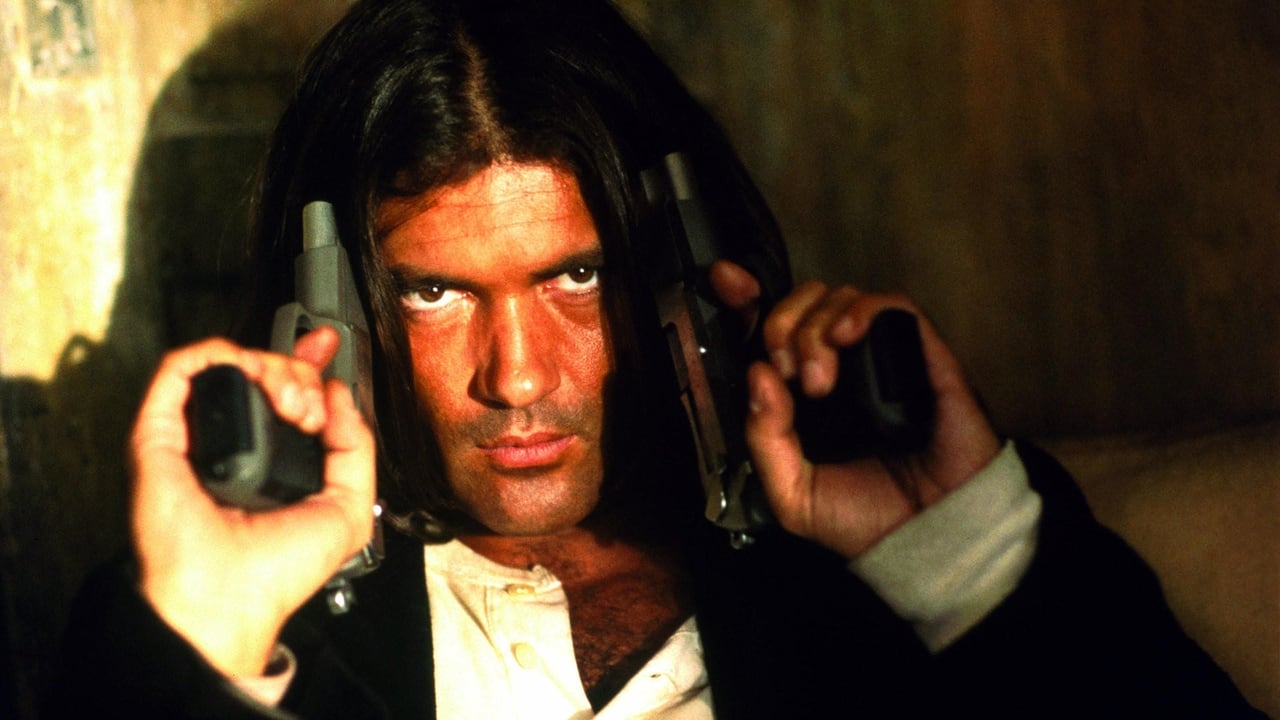
Take the guitar-case guns. It’s an absurd concept—rocket launchers and machine guns hidden in instrument cases—but Rodriguez shoots it with such earnestness that you buy into the lunacy. The choreography isn't just "shoot and hide"; it’s a dance. Banderas slides across bars, flips over tables, and reloads with a flourish that would make a Vegas magician jealous. It captures that mid-90s indie spirit where "cool" was the primary currency, and reality was just a suggestion. Even the score, provided by David Hidalgo and Los Lobos, acts as a heartbeat for the gunfights, blending traditional Mexican sounds with a gritty, rock-and-roll edge.
The DIY Legend and the DVD Revolution
What makes Desperado such a fascinating artifact of the 1990-2014 era is how it bridges the gap between the "Sundance Kid" indie revolution and the modern franchise machine. Rodriguez became a hero to a generation of aspiring filmmakers because of his "10-Minute Film School" features on the early DVD releases. I remember obsessively watching those special features, learning how he used "pick-up shots" in his own backyard to save money, even on a multi-million dollar production.
The film is littered with 90s "cool guy" staples, including a cameo by Quentin Tarantino, who shows up just to tell a long-winded, dirty joke before getting shot in the head. It also features Steve Buscemi (hot off Reservoir Dogs and Fargo) in an intro that remains one of the greatest pieces of storytelling-via-exposition in action history. Apparently, Rodriguez shot Buscemi’s scenes in just a few days, but his presence looms over the whole film like a nervous, sweaty specter.
It’s worth noting that while the film feels modern in its pacing, it’s deeply rooted in the Westerns of Sergio Leone. It’s a "Desperado" in the truest sense—a man with nothing left to lose but his guitar and his aim. While some of the humor and the treatment of certain characters definitely feels like a product of 1995, the sheer energy of the filmmaking has aged surprisingly well. It’s a reminder of a time when you didn't need a $200 million budget and a multiverse to make a crowd-pleaser; you just needed a guy with a guitar case, a beautiful bookstore owner, and enough gunpowder to level a small town.
In the end, Desperado is a loud, sweaty, gorgeous fever dream of a movie. It’s the kind of film that makes you want to go out and buy a leather jacket you definitely can't pull off. Whether you’re watching it for the first time or revisiting it for the twentieth, it remains a high-water mark for the 90s action-noir genre. Just maybe skip the wool socks if you're watching it in the summer.

Keep Exploring...
-
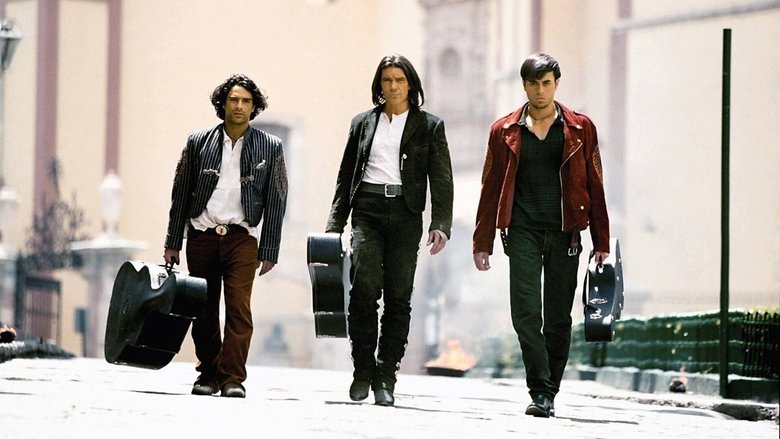
Once Upon a Time in Mexico
2003
-
El Mariachi
1993
-
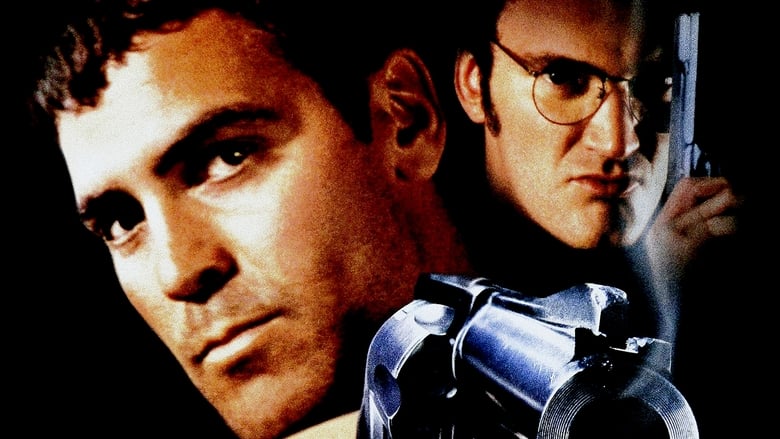
From Dusk Till Dawn
1996
-
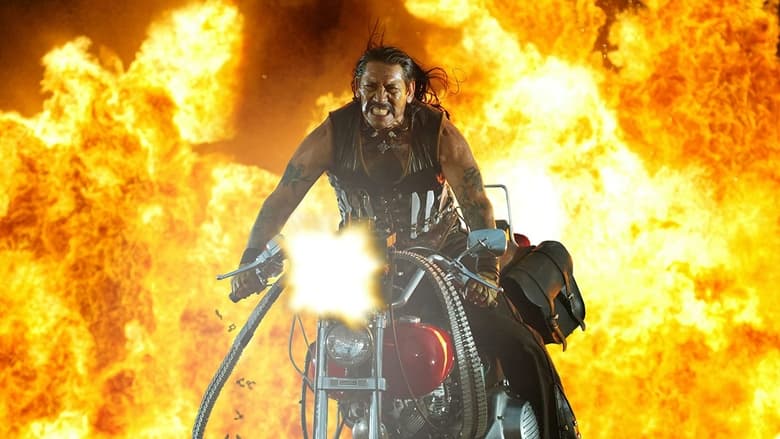
Machete
2010
-

Planet Terror
2007
-
Sin City: A Dame to Kill For
2014
-
Sin City
2005
-
RoboCop 2
1990
-
Point Break
1991
-
The Boondock Saints
1999
-
Con Air
1997
-
The Jackal
1997
-
Lethal Weapon 4
1998
-
Ronin
1998
-

The Negotiator
1998
-
Gone in Sixty Seconds
2000
-
Cellular
2004
-
Crank
2006
-
Crank: High Voltage
2009
-
Faster
2010