Dracula: Dead and Loving It
"He's dead, he's undead, and he's hopelessly out of touch."
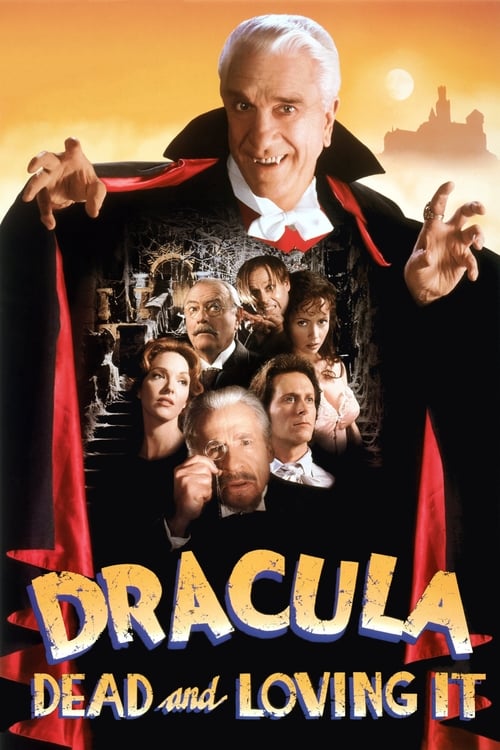
In 1995, the landscape of cinematic comedy was shifting beneath our feet like a loose tectonic plate. Jim Carrey was talking with his butt, Adam Sandler was shouting at golf balls, and the sophisticated, Vaudeville-inspired spoof felt like a relic of a bygone era. Enter Mel Brooks, a man who had already conquered the Western, the creature feature, and the space opera, deciding to take one last swing at the cape and fangs. I watched this again last night while eating a bowl of lukewarm pad thai that smelled suspiciously like the very garlic used to ward off the Count, and I found myself struck by just how much this film feels like a beautiful, clumsy time capsule.
The Shadow of Coppola and the Deadpan King
By the mid-90s, the "vampire movie" had been revitalized by the lush, operatic, and somewhat horny aesthetic of Francis Ford Coppola’s Bram Stoker's Dracula (1992). Mel Brooks and co-writer Rudy De Luca clearly saw the theatricality of that film as a target painted with neon red blood. However, instead of the sharp, biting satire of Young Frankenstein, Dracula: Dead and Loving It opts for a cozy, almost geriatric comfort. It’s a film that isn’t trying to reinvent the wheel; it’s just trying to make the wheel trip over its own shoelaces.
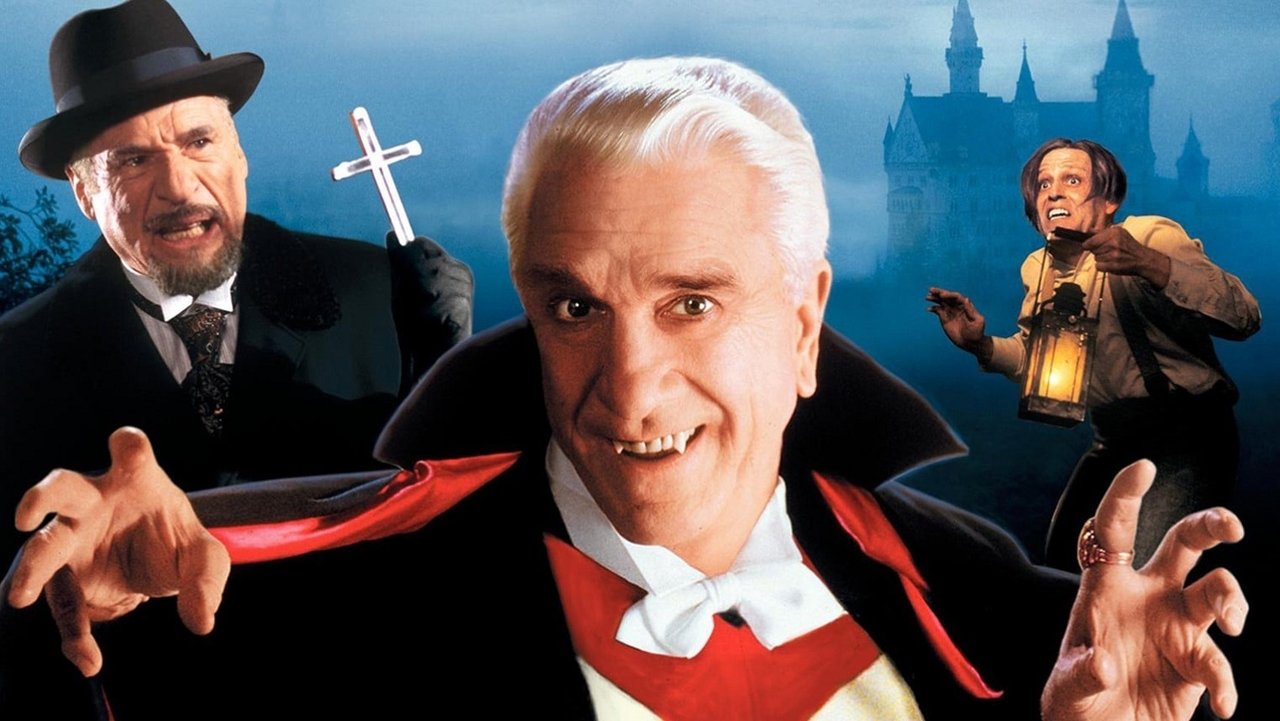
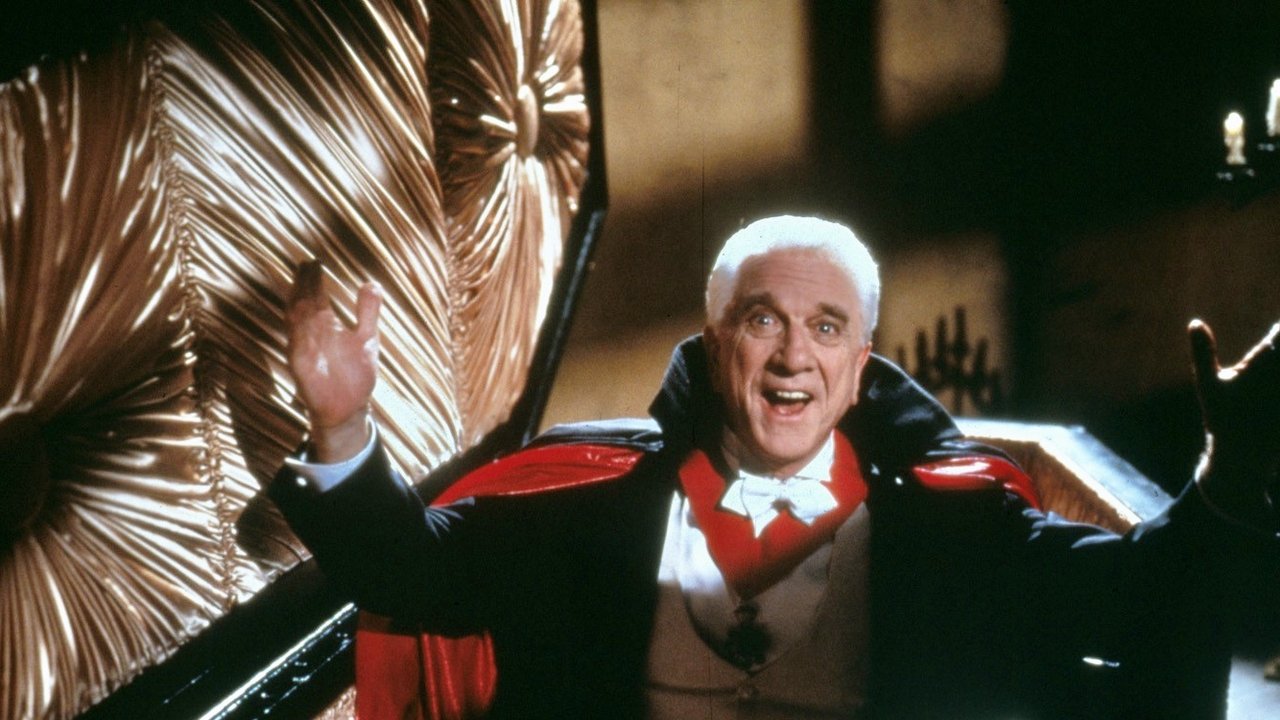
The casting of Leslie Nielsen as Count Dracula was, on paper, a stroke of genius. Nielsen was the undisputed king of the 90s spoof, having reinvented himself through The Naked Gun series. Here, he plays Dracula not as a suave seducer, but as a bumbling, dignified idiot who is constantly hitting his head on chandeliers. While his deadpan remains intact, there’s a sense that the material is running several laps behind the actor’s timing. He’s doing a Bela Lugosi impression that feels decades old, which is charming if you’re a fan of classic cinema, but likely felt like a fossil to audiences who were currently obsessing over the high-octane CGI of Jumanji or Toy Story.
Practical Effects in a Digital Dawn
What’s fascinating about looking back at 1995 is realizing we were standing on the precipice of the CGI revolution. While Steven Spielberg was proving digital dinosaurs could rule the world, Mel Brooks was still leaning heavily into practical trickery. There’s a sequence where Dracula’s shadow starts acting independently—massaging its own shoulders and hitting on women—which is a direct jab at the Coppola film. It’s achieved with simple lighting and a second actor, and honestly, these low-tech gags have aged better than the blurry digital morphing effects that were starting to creep into the genre at the time.
The standout of the entire production isn't the lead, however—it’s Peter MacNicol as Thomas Renfield. MacNicol dives into the role with a frantic, bug-eating energy that is genuinely hilarious. His physical comedy is the high-water mark of the film, particularly when he's trying to hide his insect-munching habits from Harvey Korman’s Dr. Seward. MacNicol’s performance is a masterclass in being the funniest person in a room full of comedy legends, even if the script occasionally leaves him stranded.
Why the Bat Didn't Fly
So, why did this film vanish into the bargain bin of history? For starters, it was a massive financial disappointment, clawing back barely a third of its $30 million budget. It was essentially a stake to the heart of Mel Brooks’ directorial career, as he never sat in the director’s chair for a feature film again. The 90s audience was looking for "edgy," and Brooks was providing "classic." The film feels like a Broadway play filmed on a soundstage; it’s theatrical, slightly stiff, and relies on long-winded wordplay that requires more patience than the average moviegoer had in the era of Die Hard with a Vengeance.
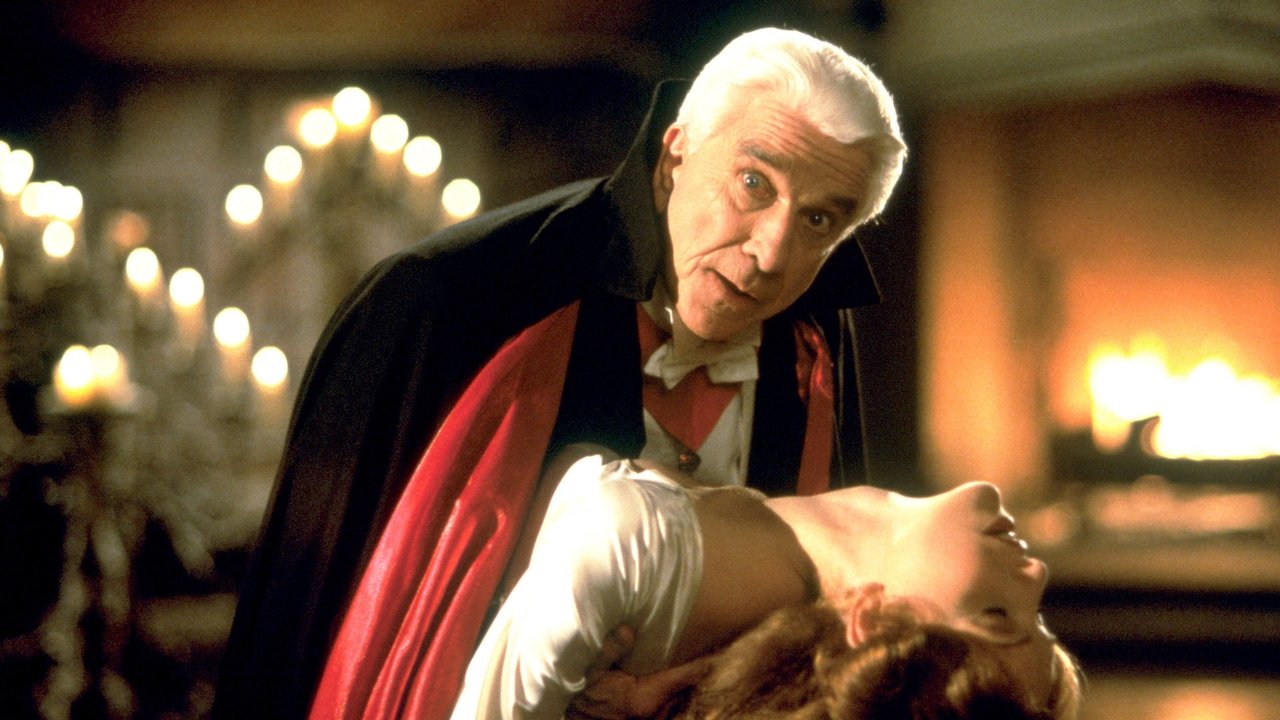
Interestingly, the film's most infamous scene—an explosive, pressurized geyser of blood during a staking—was Mel Brooks’ attempt to out-gore the modern horror trend. He reportedly told the effects team he wanted the blood to hit the ceiling like the elevator scene in The Shining. It’s a jarring moment of "gross-out" humor in an otherwise polite movie, and it remains the one scene people tend to remember. It’s the perfect example of the film’s identity crisis: it wants to be a 1930s Universal horror film, but it’s trapped in a 1995 body.
Dracula: Dead and Loving It is far from a masterpiece, but it’s a fascinating look at a legendary filmmaker trying to find his footing in a Hollywood that was rapidly outgrowing his style. It’s a film for the completists, the people who find comfort in Leslie Nielsen’s silver wig and Mel Brooks’ relentless "Who's on First?" style banter. While the jokes don't always land, the sincerity of the production is palpable. It’s a light, breezy 88 minutes that reminds me of a time when comedies didn't need to be three hours long or part of a shared universe to be worth a rental. It’s not a classic, but as a "forgotten oddity," it’s certainly worth one more bite.

Keep Exploring...
-
Robin Hood: Men in Tights
1993
-

History of the World: Part I
1981
-
Buffy the Vampire Slayer
1992
-
Lake Placid
1999
-
Eight Legged Freaks
2002
-

Seed of Chucky
2004
-

Arachnophobia
1990
-
Problem Child
1990
-
The Frighteners
1996
-

Bride of Chucky
1998
-

The Stepford Wives
2004
-
The Naked Gun 2½: The Smell of Fear
1991
-
Naked Gun 33⅓: The Final Insult
1994
-

Tremors 2: Aftershocks
1996
-
Child's Play 2
1990
-

Cry-Baby
1990
-

Dick Tracy
1990
-

DuckTales: The Movie - Treasure of the Lost Lamp
1990
-
Flatliners
1990
-
Child's Play 3
1991