Fallen Angels
"The neon is lonelier on the other side of the lens."
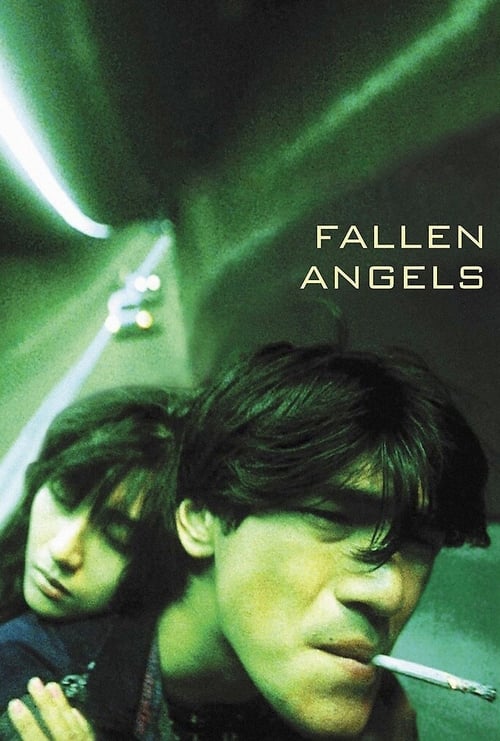
The world of Wong Kar-Wai is usually a place of pining and slow-motion longing, but Fallen Angels (1995) is what happens when that romanticism gets mugged in a back alley. It’s the dirtier, sweatier, and more frantic sibling to Chungking Express (1994). If Chungking is a sunny afternoon daydream about a missed connection, Fallen Angels is the 4:00 AM comedown where you realize you’ve lost your keys and your dignity in a city that never cared you existed.
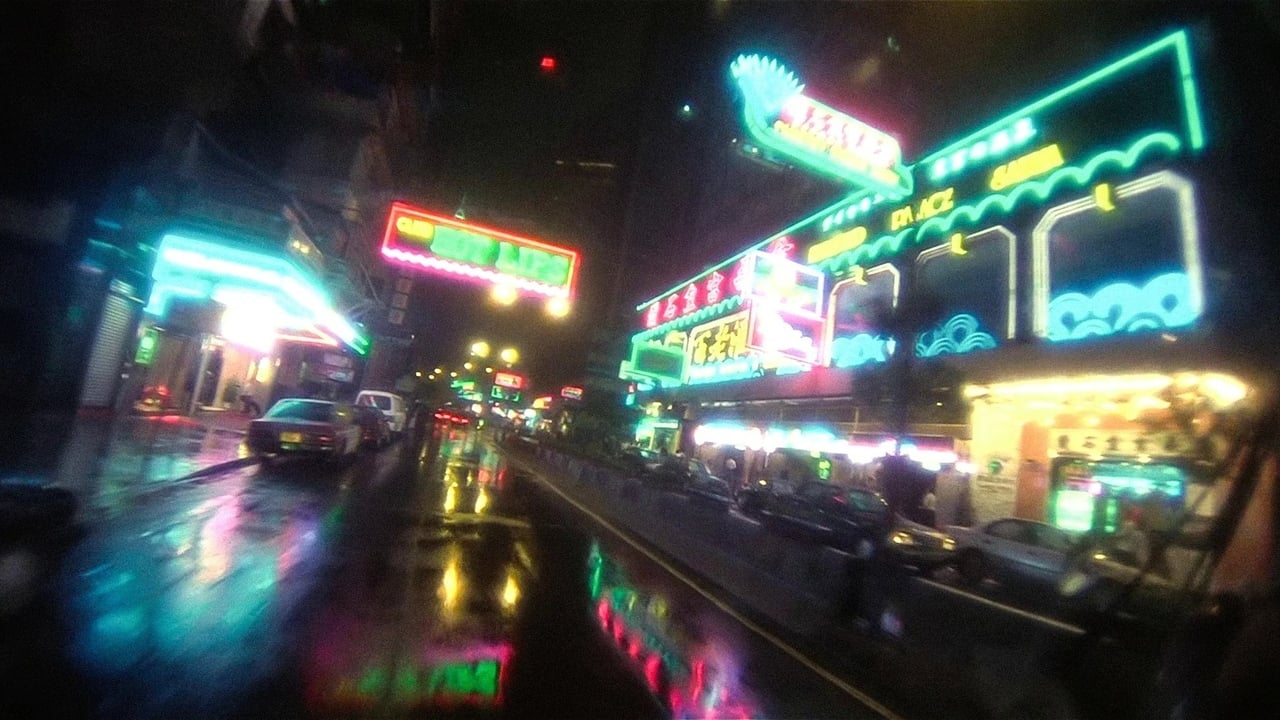
I watched this recently on a laptop with a hairline crack across the screen that made the neon lights bleed into the black bars, and honestly, for a film this beautifully fractured, it felt like a legitimate directorial choice.
The Physics of Loneliness
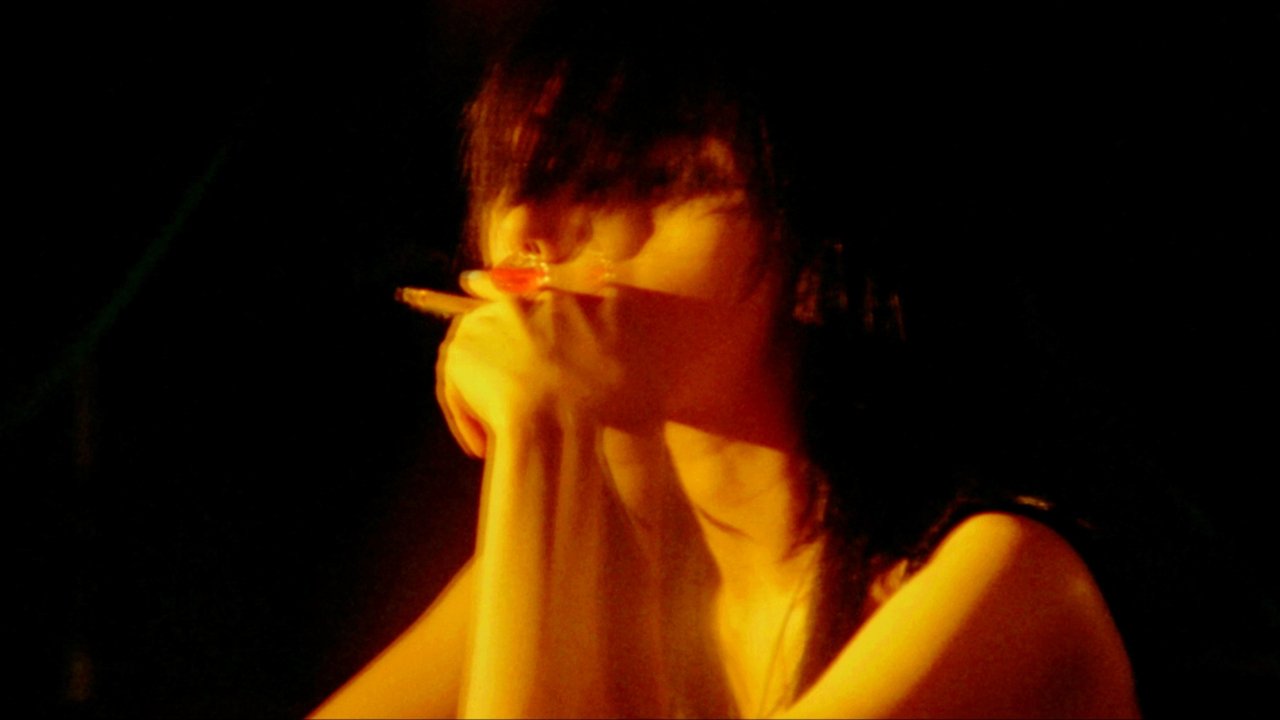
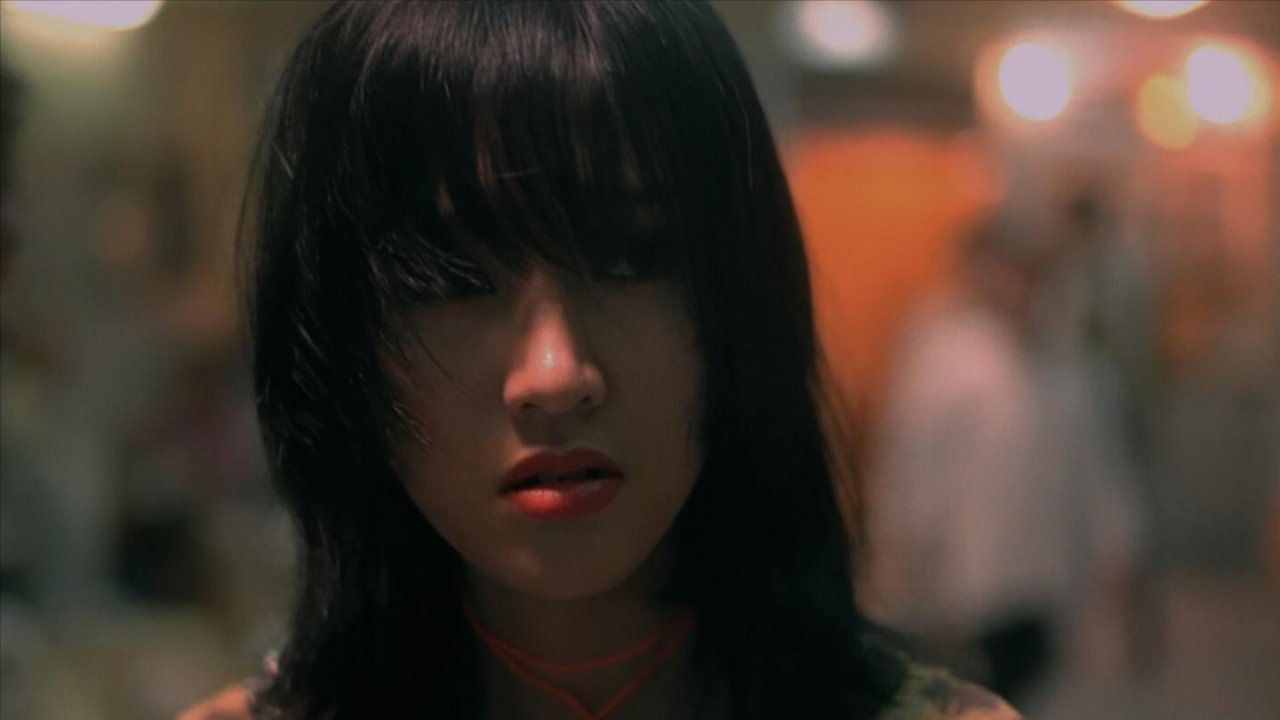
The first thing that hits you—and I mean hits you like a physical weight—is the cinematography of Christopher Doyle (In the Mood for Love, Hero). He uses an ultra-wide 9.8mm lens for almost the entire runtime. This choice is the cinematic equivalent of being trapped in a security camera feed in Purgatory. It distorts the edges of the frame, making characters look like they are simultaneously miles away and uncomfortably close to the lens.
In one scene, Michele Reis sits at a table, her face inches from the camera while the rest of the room stretches back into infinity. It’s the perfect visual metaphor for the 1990s "urban alienation" trope. You are in a city of millions, yet the person sitting right next to you is on the other side of a glass wall. This wasn't just a stylistic whim; the production team famously turned to these lenses because they were shooting in cramped, real-world Hong Kong apartments and needed a way to cram the entire world into a tiny box.
Violence as a Business Transaction
While Wong Kar-Wai is known for romance, the action here is surprisingly blunt. Leon Lai plays Wong Chi-Ming, a professional hitman who treats murder with the same bureaucratic detachment a mid-level accountant treats a spreadsheet. He doesn't like making decisions, so he lets his "agent" (Michele Reis) choose the time, the place, and the target.
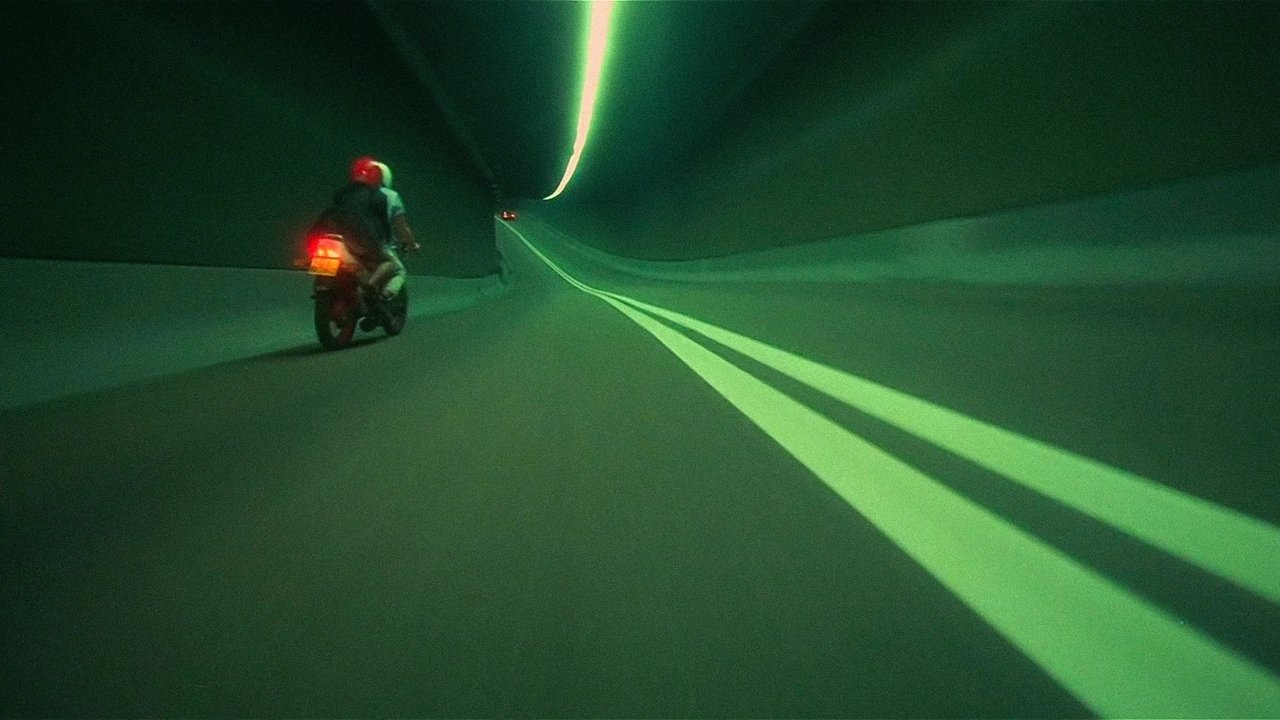
The shootouts aren't the choreographed ballets of a John Woo film (Hard Boiled). They are jittery, blurred, and messy. Leon Lai moves through these sequences with a cool, cigarette-dangling indifference, but the camera work makes the violence feel like a frantic heartbeat. There is no glory in the kills; they are just something that happens between the long periods of waiting in rain-slicked diners. The score by Frankie Chan Fan-Kei drives these moments with a Trip-hop energy that captures that specific mid-90s transition from analog grit to digital slickness.
The Mute and the Midnight Snacker
The film’s heart—if it has one beneath all that cool—is He Zhiwu, played by Takeshi Kaneshiro (House of Flying Daggers). He’s a mute who lives in the shadow of his father’s tailor shop and spends his nights breaking into businesses to run them while the owners are asleep. Watching him forcibly give a massage to a man who just wanted a quiet night or "selling" ice cream to a captive family is the kind of absurd, dark comedy that balances the film’s heavier existential dread.
Takeshi Kaneshiro brings a physical vulnerability that stands in sharp contrast to Leon Lai’s stoic killer. His relationship with his father, captured through a handheld video camera, provides the film’s most genuine emotional anchor. It reminds me of that specific 90s obsession with the "camcorder truth"—the idea that the only real moments were the ones we captured on grainy tape before they vanished.
A Relic of a Vanishing City
Fallen Angels occupies a strange space in the "Modern Cinema" era. Released just two years before the Hong Kong handover in 1997, it hums with a specific kind of pre-millennium anxiety. It’s a film about people who are afraid to be remembered and even more afraid to be forgotten.
It originally started as the third segment of Chungking Express, but Wong Kar-Wai realized the story was too dark and too long to be a mere chapter. By separating it, he created a film that is arguably more experimental and less "audience-friendly" than his more famous works. It’s a movie that rewards the patient viewer who is willing to get lost in its atmosphere rather than its plot. The way it weaves the lives of the assassin, the agent, and the mute together is less about narrative satisfaction and more about the strange, brief collisions of human souls in a crowded subway.
Fallen Angels is a mood that stays with you long after the credits roll. It’s a reminder of a time when Hong Kong cinema was the coolest thing on the planet, pushing the boundaries of how a story could be told through light and shadow. It’s messy, it’s loud, and it smells like stale smoke and rain, but I wouldn't have it any other way. Seeking this out today feels like finding a hidden transmission from a city that doesn't exist anymore—one where the night was always full of weirdos, and that was exactly how we liked it.
Keep Exploring...
-
Batman: Mask of the Phantasm
1993
-
Chungking Express
1994
-
In the Mood for Love
2000
-
True Romance
1993
-
2046
2004
-
Wild at Heart
1990
-
Bound by Honor
1993
-
Infernal Affairs
2002
-
Hard Boiled
1992
-
3-Iron
2004
-
A Bittersweet Life
2005
-
The Protector
2005
-
Undisputed II: Last Man Standing
2006
-
United 93
2006
-
Mesrine: Killer Instinct
2008
-
Mesrine: Public Enemy #1
2008
-
Batman: Under the Red Hood
2010
-

Elite Squad: The Enemy Within
2010
-
Batman: Year One
2011
-
Headhunters
2011