Four Rooms
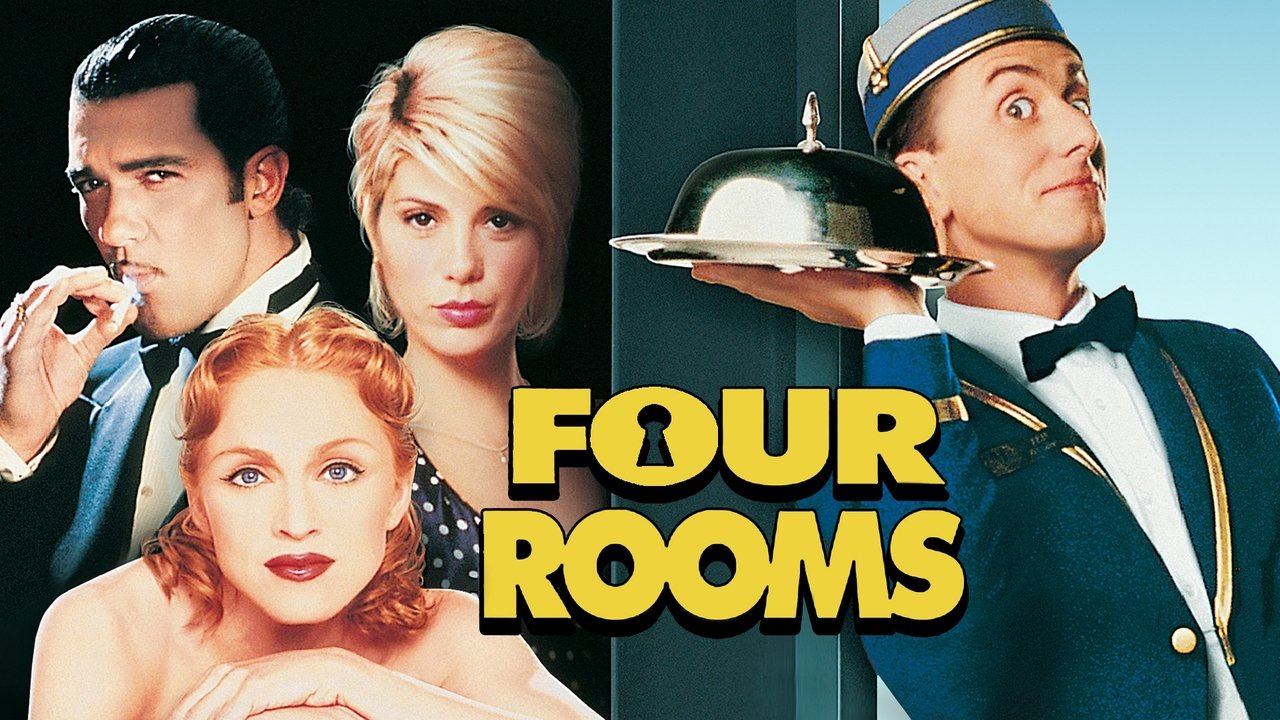
"Four directors, one hotel, zero sanity."
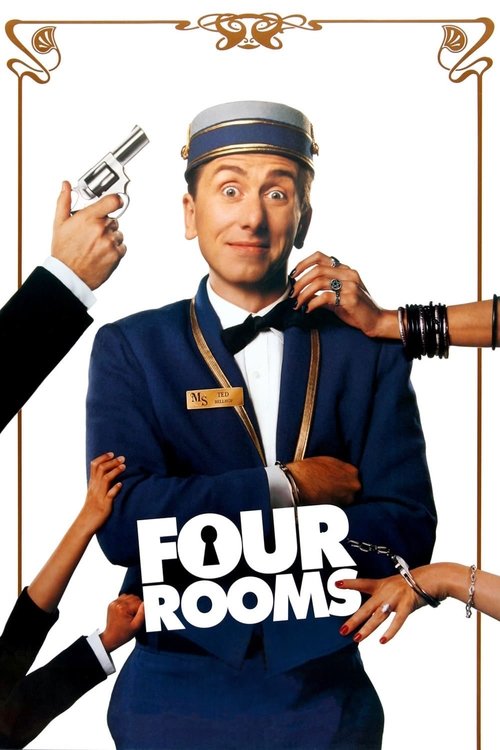
In 1995, if you walked into a video store, the "New Releases" wall was basically a shrine to the Miramax logo. Quentin Tarantino had just conquered the world with Pulp Fiction, and suddenly, every indie filmmaker with a leather jacket and a snappy dialogue habit was being handed the keys to the kingdom. Four Rooms is the ultimate time capsule of that specific "cool-guy" energy. It’s an anthology film born from a late-night brainstorming session between four friends who decided to play in the same sandbox: a crumbling Los Angeles hotel on New Year's Eve.
I first watched this on a scratched DVD I borrowed from a roommate while eating a bag of suspiciously stale pretzels, and honestly, the grit of the viewing experience matched the movie’s chaotic energy perfectly. It’s a film that feels like a party where the hosts are having way more fun than the guests, but you stay anyway because you want to see who passes out first.
The Ted Problem (Or the Ted Triumph?)
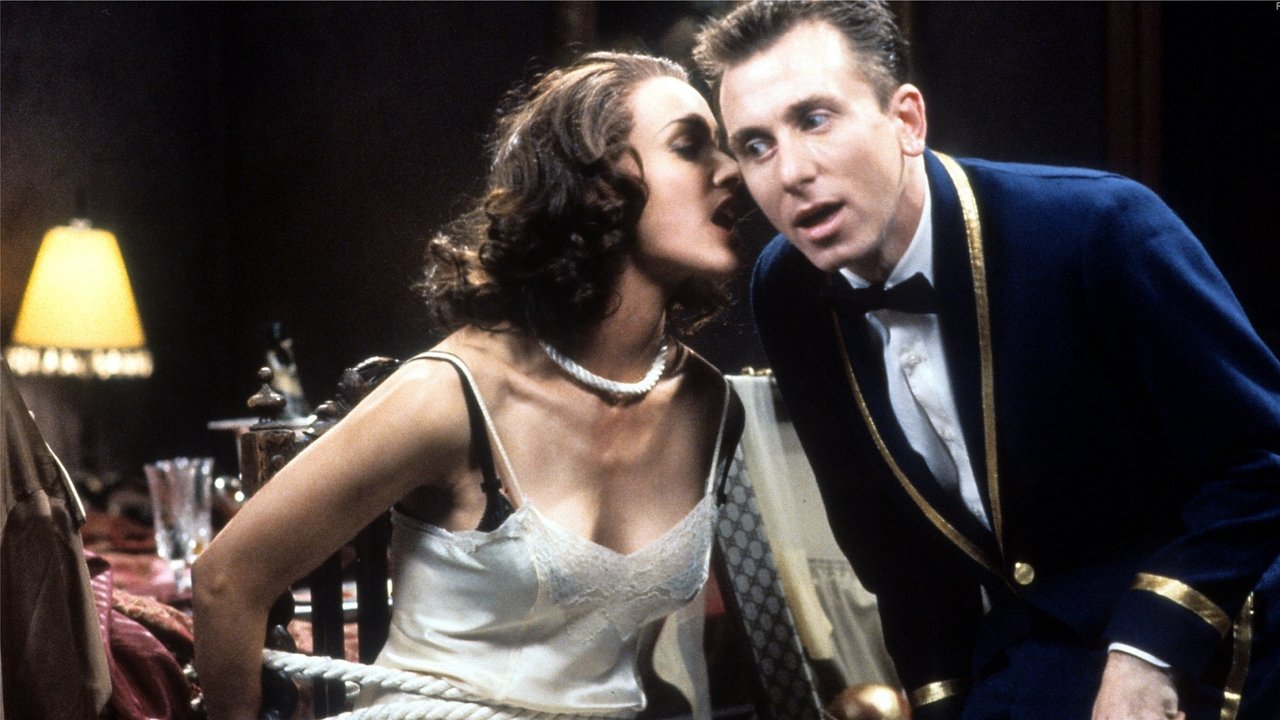
The glue holding these four disparate stories together is Ted the Bellhop, played by Tim Roth. Now, looking back from 2024, Roth’s performance is one of the most polarizing things in 90s cinema. He isn’t just acting; he’s doing a high-speed, rubber-faced tribute to Jerry Lewis and Jacques Tati. He twitches, he grimaces, and he walks like his knees are made of springs.
In the mid-90s, this was seen by some as a hyperactive car crash of a performance, but I’ve grown to appreciate the sheer commitment. In an era where everyone was trying to be "cool" and detached, Tim Roth decided to be a frantic cartoon on cocaine. He’s the audience surrogate, and his escalating misery as the night progresses provides the only real narrative stakes.
A Tale of Two Halves
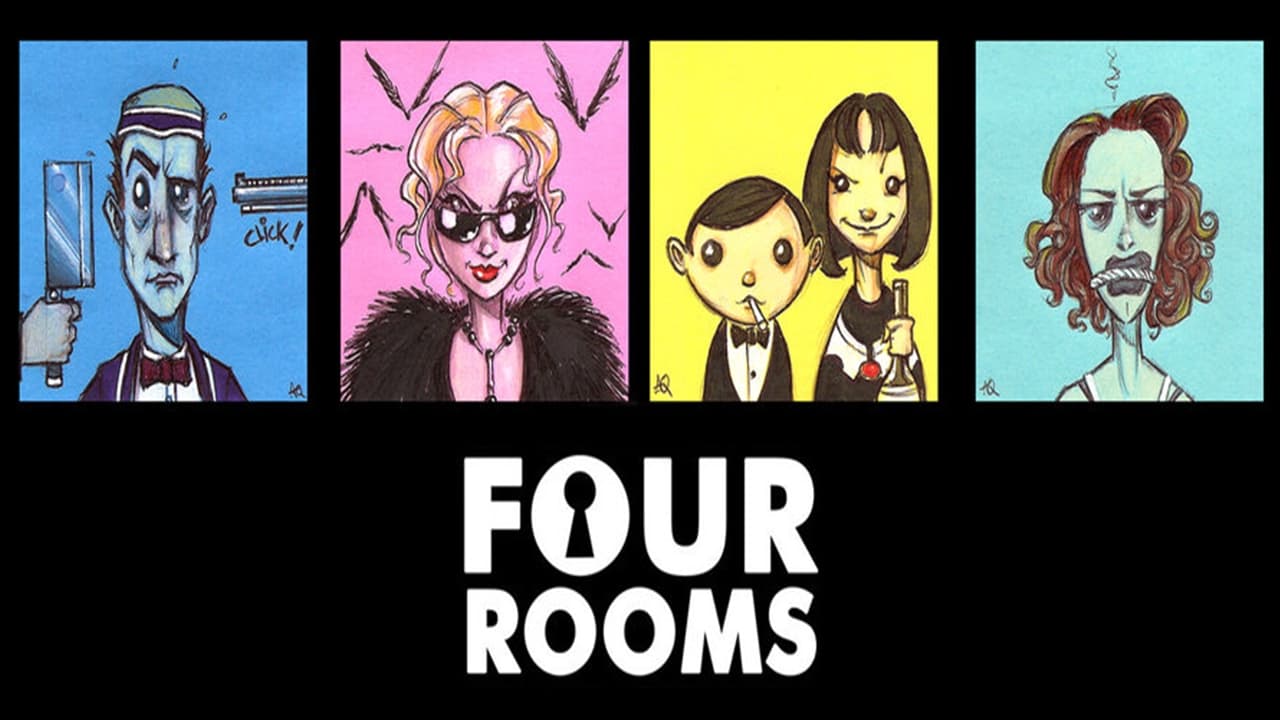
The "Four Rooms" are directed by Allison Anders, Alexandre Rockwell, Robert Rodriguez, and Quentin Tarantino. Being an anthology, the quality is, predictably, all over the place. The first two segments—"The Missing Ingredient" (Witches) and "The Wrong Man" (A bizarre hostage situation)—feel very much like artifacts of the "Sundance Generation." They are experimental, slightly awkward, and haven't aged particularly well. Madonna and Ione Skye show up in the first segment, but the writing feels thin, relying more on the novelty of the directors than the strength of the script.

However, the movie undergoes a massive shift in the second half. This was the era where Robert Rodriguez was proving he could do more with ten dollars than most directors could do with ten million. His segment, "The Misbehavers," is a comedic masterpiece of escalating tension. Antonio Banderas plays a dapper, terrifying father who leaves his kids in Ted’s care. The result is a chaotic sequence involving a dead body in a mattress, a champagne-fueled fire, and some of the best comedic timing of the decade. It’s the moment the film stops being a curiosity and starts being a riot.
Tarantino’s Long-Take Flex
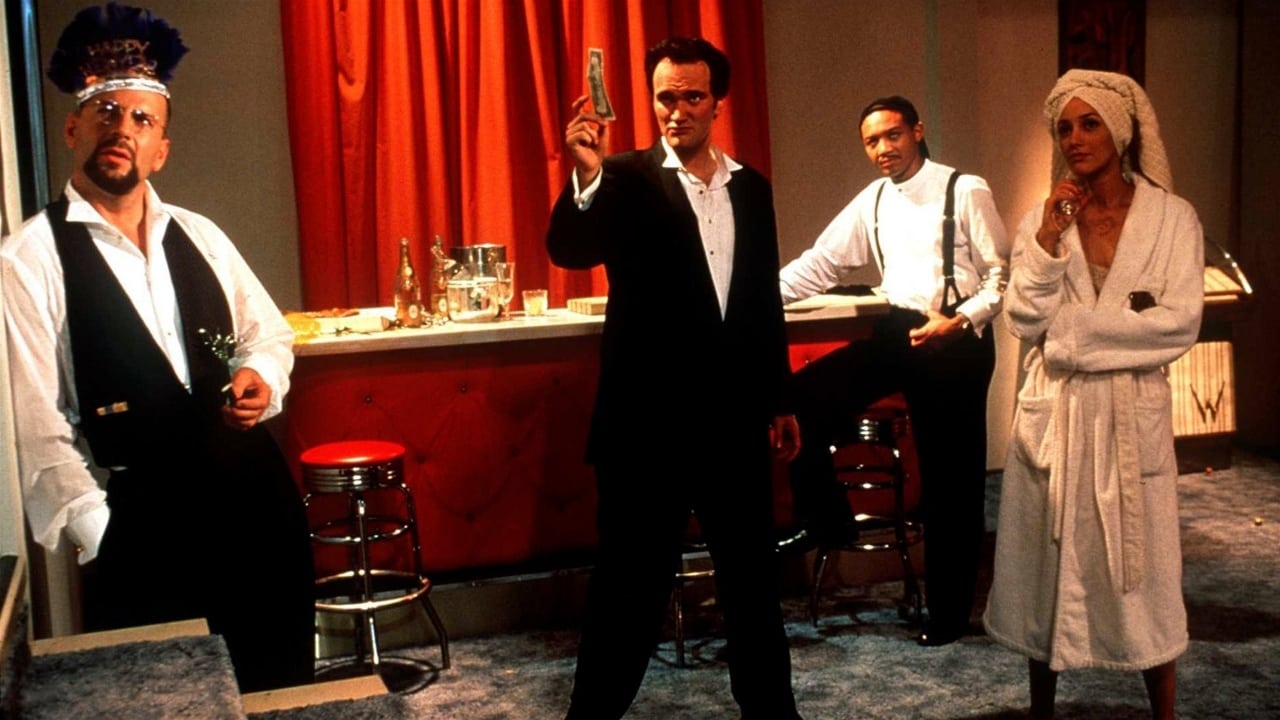
The final segment, "The Penthouse," is pure, uncut Tarantino. By 1995, Quentin was the king of the "long take" and the "pop-culture monologue," and he uses this segment to show off both. It’s essentially a one-room play based on an old Roald Dahl story (and an episode of Alfred Hitchcock Presents). Bruce Willis appears uncredited—apparently, he did it for free as a favor to Tarantino, which actually violated SAG rules at the time.
This segment is incredibly talky, featuring Quentin Tarantino himself playing a high-rolling Hollywood star. While his acting is... well, it's Tarantino acting... the direction is sharp. The camera weaves through the penthouse in long, unbroken shots that feel incredibly modern even now. It captures that pre-digital indie spirit where the goal was to see how much you could get away with on a limited budget. The budget was only $4 million, which is essentially the catering budget for a Marvel movie today, yet the technical ambition in the final twenty minutes is palpable.
The Indie Legacy
Looking back, Four Rooms captures the transition from the analog grit of the 80s to the polished indie "brand" of the late 90s. It’s a film that wouldn't be made today—not as a theatrical release, anyway. It’s too messy, too weird, and too uneven. But that’s exactly why it’s worth a look. It represents a moment in time when directors were the rockstars, and we were willing to follow them into any room they chose to open.
The film didn't set the box office on fire, barely recouping its costs, but it became a staple of the DVD era. It was the kind of movie you discovered in a "Staff Picks" section at Blockbuster because you liked Desperado or Reservoir Dogs. It’s a reminder that before franchises and "cinematic universes," we had "A Band Apart"—a group of guys making movies just to see if they could.
Four Rooms is a flawed, lopsided experiment that succeeds in spite of itself. While the first two segments drag, the back-to-back brilliance of Rodriguez and Tarantino makes it a essential viewing for anyone interested in 90s film history. It’s a wild, uneven New Year’s Eve party that ends with a literal bang, leaving you glad you checked in, even if you wouldn't want to stay for a second night.
Keep Exploring...
-
Spy Kids 2: The Island of Lost Dreams
2002
-
Machete
2010
-
El Mariachi
1993
-
Spy Kids
2001
-
Death Proof
2007
-

Pulp Fiction
1994
-
Reservoir Dogs
1992
-

Tremors 2: Aftershocks
1996
-
Chasing Amy
1997
-
Once Upon a Time in Mexico
2003
-

The Faculty
1998
-

Planet Terror
2007
-
Sin City: A Dame to Kill For
2014
-
Waiting...
2005
-

High School Musical
2006
-
Scoop
2006
-

Fanboys
2009
-

Super
2010
-
A Haunted House
2013
-
Don Jon
2013