Friday
"One porch. Two friends. Twenty-four hours to survive."
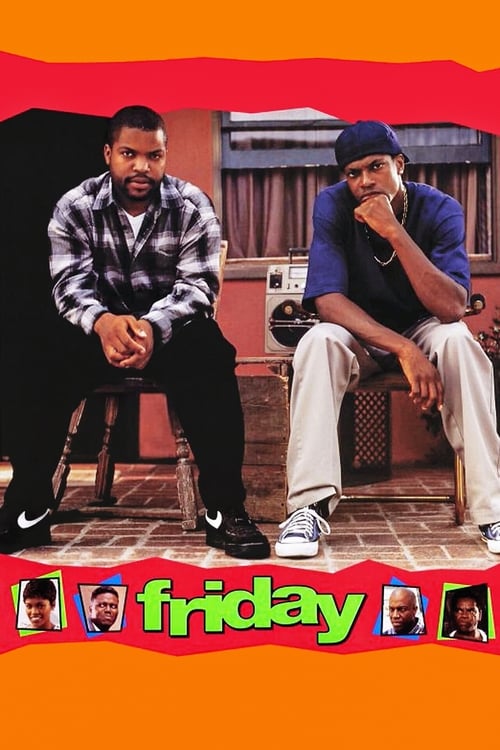
Before 1995, if you saw Ice Cube on a movie poster, you expected a high-caliber firearm and a grimace that could curdle milk. As a founding member of N.W.A., he was the architect of "AmeriKKKa’s Most Wanted," a man whose cinematic debut in Boyz n the Hood helped define the "hood tragedy" subgenre. Then came Friday, a film where the most dangerous thing Cube carries is a bowl of cereal without any milk. I watched this most recent re-watch while trying to peel a very stubborn sticker off a new water bottle, and the rhythmic scratching of my fingernail actually synced up perfectly with the funky, laid-back bass of the opening track. It was a reminder that Friday isn’t a movie you watch with bated breath; it’s a movie you inhabit.
The High Stakes of Doing Nothing
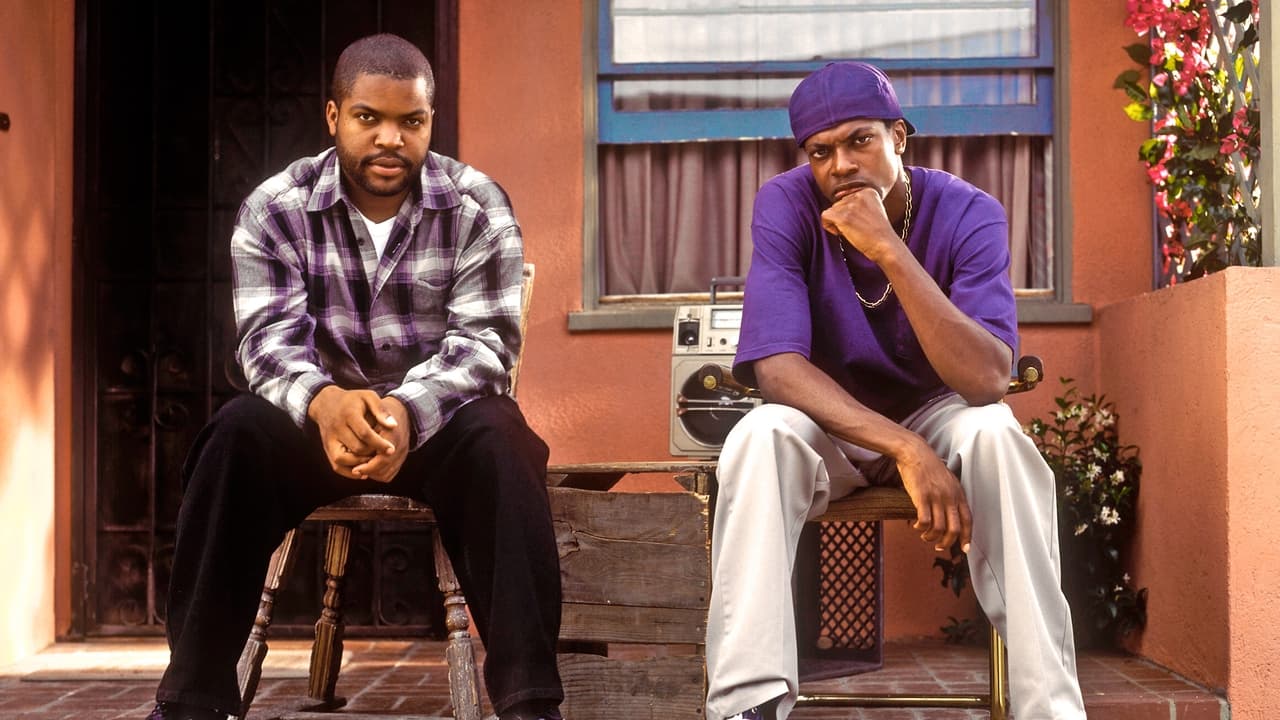
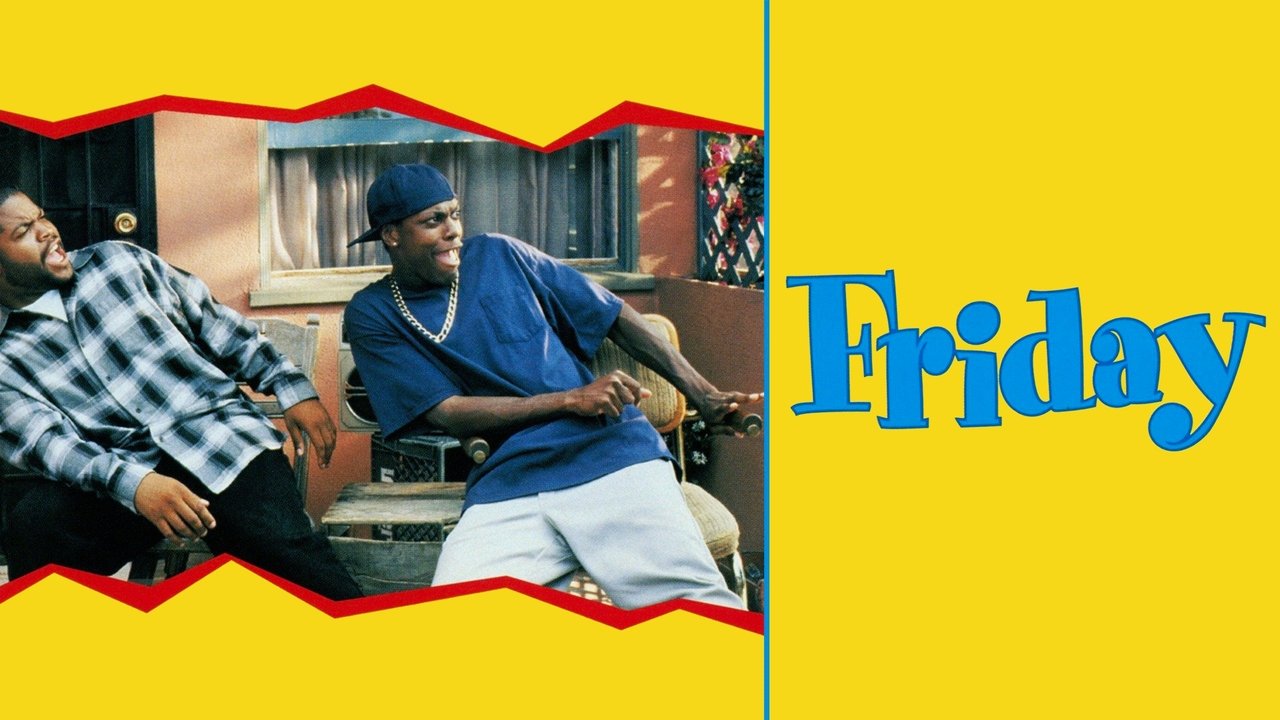
While technically categorized as a comedy, I’ve always argued that Friday functions as a brilliant piece of slice-of-life drama. It takes the "one-day" narrative structure—something we usually see in high-brow indies or existential plays—and applies it to a single block in South Central Los Angeles. The stakes are deceptively simple: Craig (Ice Cube) has been fired on his day off, and his best friend Smokey (Chris Tucker) has smoked a consignment of weed he was supposed to sell.
The "drama" here isn't about saving the world; it's about the micro-tensions of neighborhood survival. We see this in the performance of Tommy Lister Jr. as Deebo. He doesn't just play a bully; Deebo is a neighborhood natural disaster that you can only hope to avoid by staying indoors. His presence brings a genuine sense of dread to the sunny afternoon, turning a bike ride into a scene of predatory suspense. It’s a testament to F. Gary Gray’s direction that the film can pivot from a joke about a messy bathroom to the palpable fear of a neighborhood titan without feeling like a different movie.
A Masterclass in the "Straight Man"
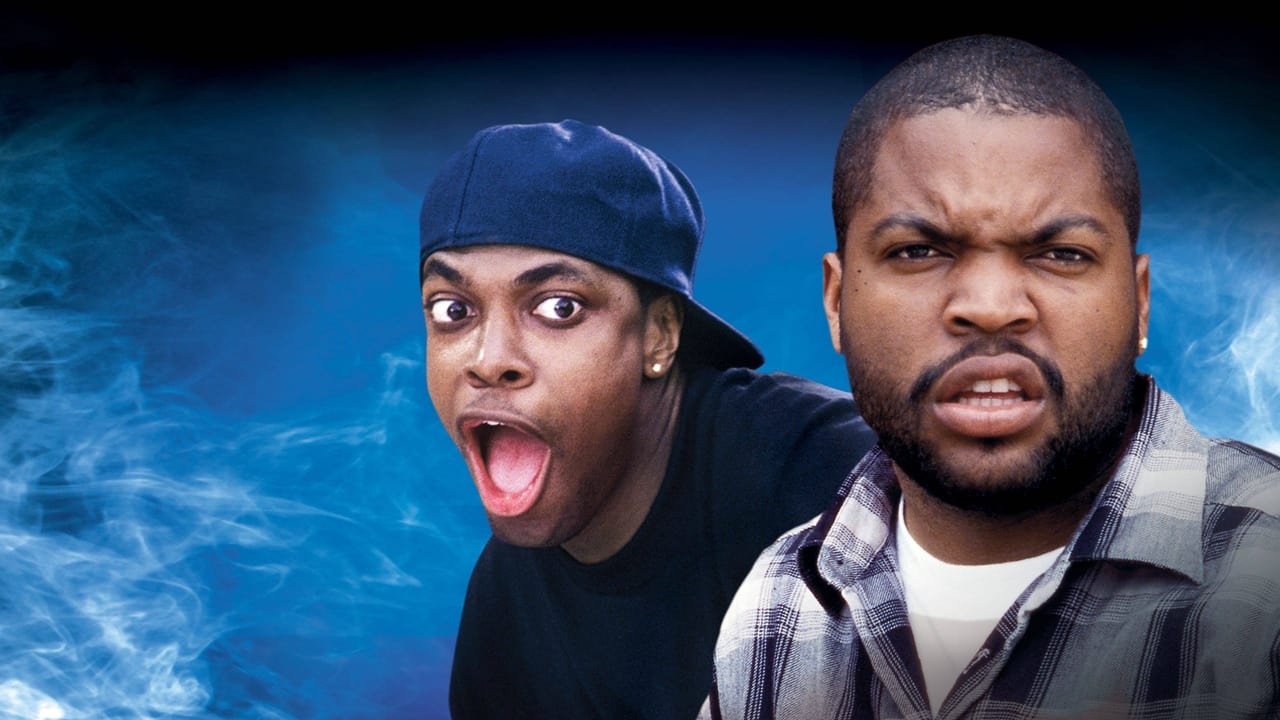
We talk a lot about Chris Tucker’s legendary breakout performance, and for good reason. His energy is high-octane, a whirlwind of squeaky-voiced bravado and physical comedy that defined a decade of humor. But looking back, the emotional anchor is really Ice Cube. As Craig, he gives us a masterclass in reactionary acting. He is the audience surrogate, the guy who just wants to make it to Saturday without getting shot or evicted.
The "Drama" guidance suggests we look for performance nuance, and you find it in the quiet scenes between Craig and his father, played by the incomparable John Witherspoon. Their kitchen conversation about the difference between a man with a gun and a man with his fists is the thematic soul of the film. It’s a grounded, paternal moment that elevates the movie beyond a simple "stoner flick." John Witherspoon didn't just play a funny dad; he provided the moral compass for an entire generation of viewers.
The Resourceful Indie Hustle
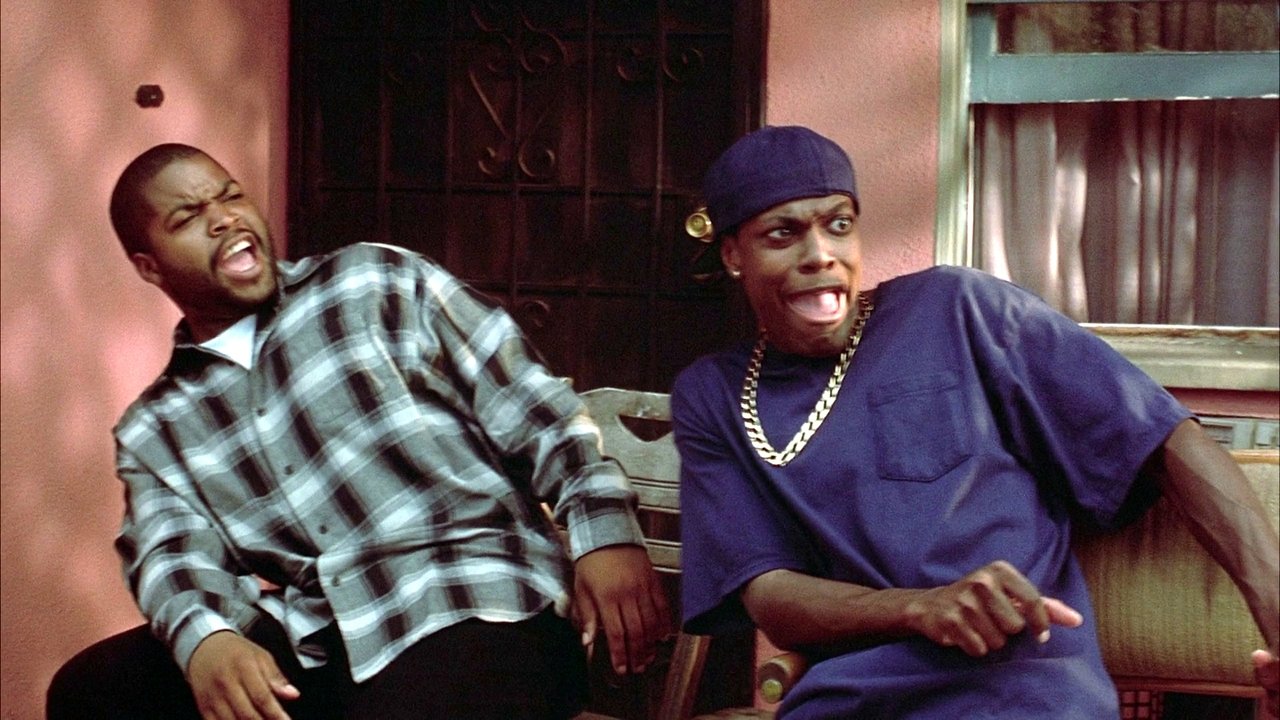
What’s truly impressive from a retrospective lens is how much Friday achieved with so little. Produced for a lean $3.5 million, the film was shot in just 20 days, primarily on a single street (126th Street in Los Angeles, for the trivia buffs). This wasn't a studio-mandated project; it was a passion project born from Ice Cube and DJ Pooh wanting to show that life in the "hood" wasn't just the relentless bleakness seen in Menace II Society.
The budget constraints forced a creative intimacy. Because they couldn't afford massive set pieces, the focus shifted entirely to character dynamics and dialogue. Every dollar went toward establishing a sense of place. You can almost feel the heat of the pavement and hear the specific rattle of the ice cream truck. It’s a reminder that you don’t need a massive CGI budget when you have a script that understands exactly how people talk on their front porch. This was New Line Cinema in its prime—taking a chance on an urban indie that ended up grossing nearly ten times its budget, proving that specific cultural stories have universal appeal.
The Era of the Porch
Rewatching Friday today serves as a fascinating time capsule of the mid-90s. This was a world before smartphones, where "hanging out" meant physically occupying a space with another human being for twelve hours straight. There’s a beautiful, analog simplicity to the way information travels through the neighborhood—via word of mouth, shouted across yards, or delivered by the local crackhead, Ezal (Anthony Johnson).
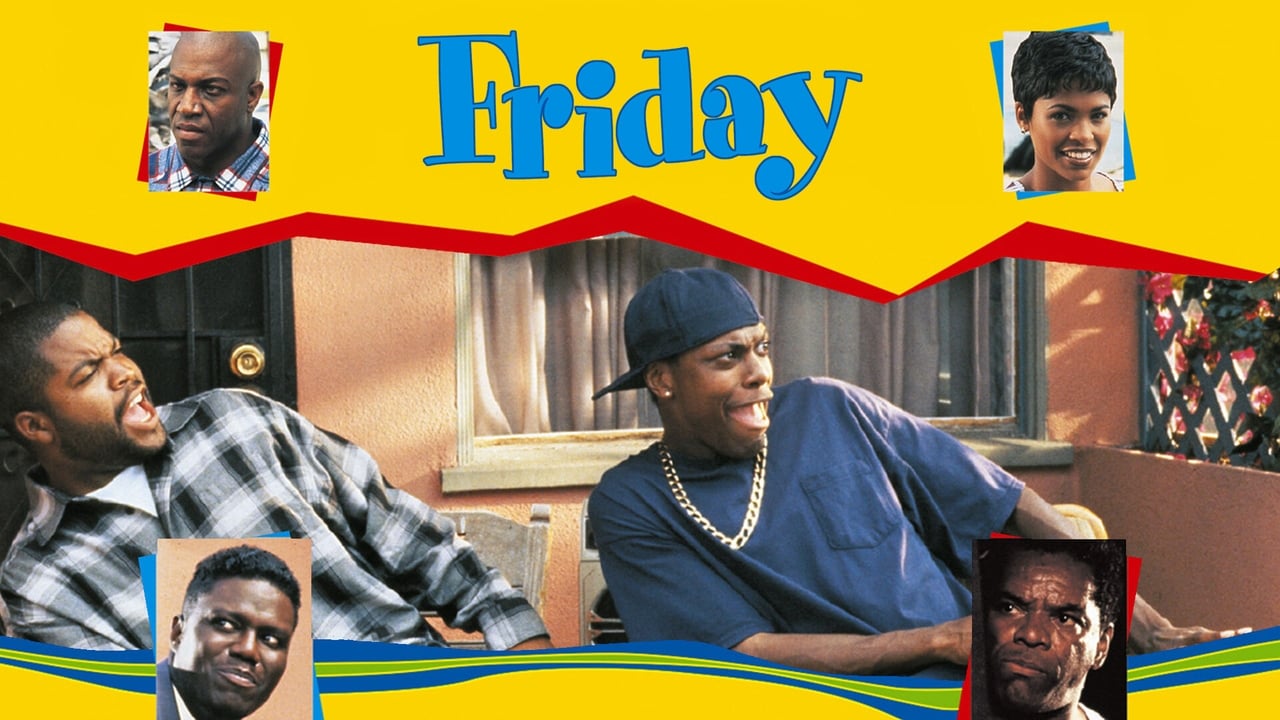
The film captures a transition in Modern Cinema where the "hood film" began to diversify its portfolio. It showed that there was room for joy, absurdity, and mundane frustration alongside the traditional tropes of the genre. While some of the gender politics and "Bye Felicia" origins have aged into complicated memes, the core of the film—two friends trying to navigate a difficult day with their dignity and their health intact—remains incredibly resonant. It’s the ultimate "low-budget, high-reward" success story.
Friday remains the gold standard for the "hangout movie." It manages to be culturally specific while tapping into the universal feeling of a Friday afternoon where the air is thick with both possibility and potential disaster. Whether you’re here for the iconic one-liners or the surprisingly sturdy character arcs, it’s a trip to 126th Street that never feels old.
---
Keep Exploring...
-
Night on Earth
1991
-
Chasing Amy
1997
-
Buffalo '66
1998
-

Happiness
1998
-
Chungking Express
1994
-

The Adventures of Priscilla, Queen of the Desert
1994
-
The Postman
1994
-

The Negotiator
1998
-
Secretary
2002
-

Garden State
2004
-

The Squid and the Whale
2005
-

High School Musical
2006
-

Super
2010
-
The Kids Are All Right
2010
-

Beginners
2011
-

Robot & Frank
2012
-
The First Time
2012
-

The Kings of Summer
2013
-
The Spectacular Now
2013
-
The Way Way Back
2013