Ghost in the Shell
"Consciousness is just another bug in the system."

Long before the Wachowskis were plugging Keanu Reeves into a simulated world, Mamoru Oshii was busy dismantling the human soul in an 83-minute blast of neon and existential dread. I recently revisited this 1995 masterpiece on a tablet screen so small and cracked I might as well have been hacking a toaster in a back alley of Neo-Tokyo. Somehow, that low-tech struggle only made the high-tech melancholy of Ghost in the Shell hit harder.
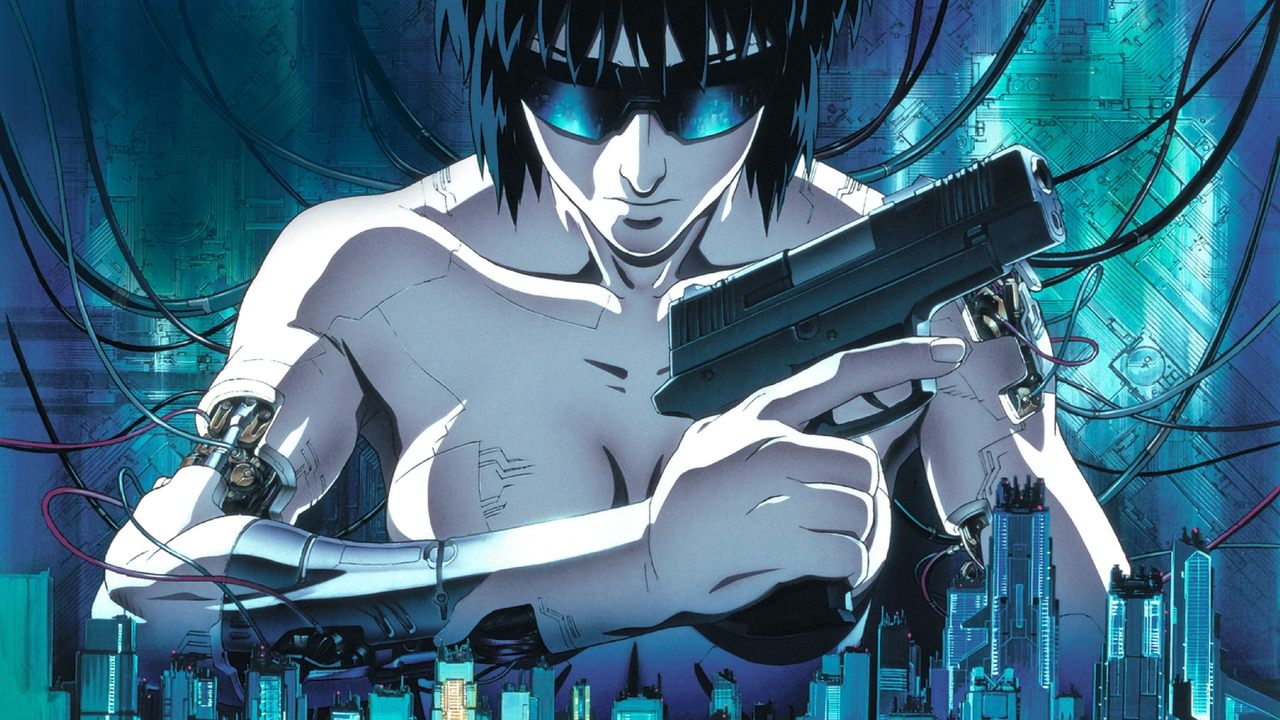
In 1995, the internet was a screeching sound coming through a telephone line, yet Oshii and screenwriter Kazunori Ito looked at the horizon and saw a world where our brains were just another piece of hardware. It’s a film that exists at the perfect intersection of hand-drawn artistry and early digital experimentation, capturing a specific Y2K-era anxiety that feels more like a prophecy every passing year.
The Heavy Metal of Identity
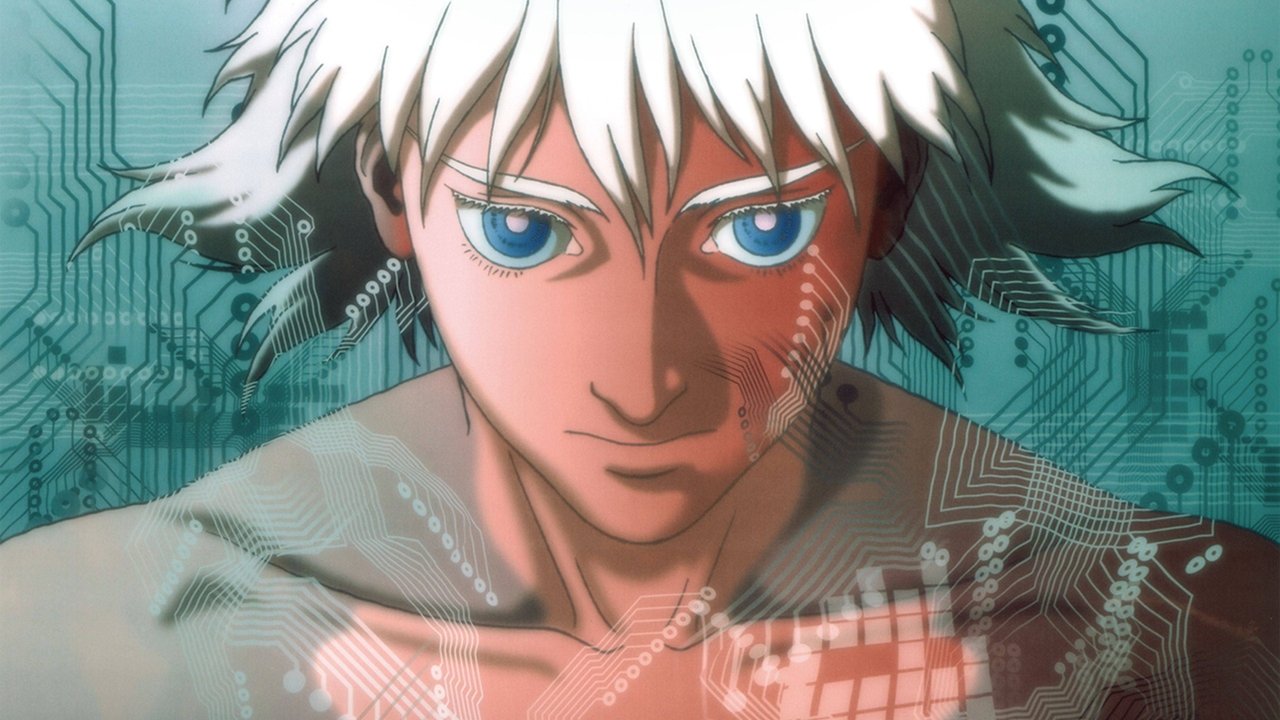
The story follows Major Motoko Kusanagi (Atsuko Tanaka), a "full-body cyborg" who leads Section 9 in a hunt for the Puppetmaster (Iemasa Kayumi), a hacker who "ghost-hacks" people’s memories. But the plot is really just a delivery system for the film’s central question: if you replace every part of your body with machinery, what’s left of you?
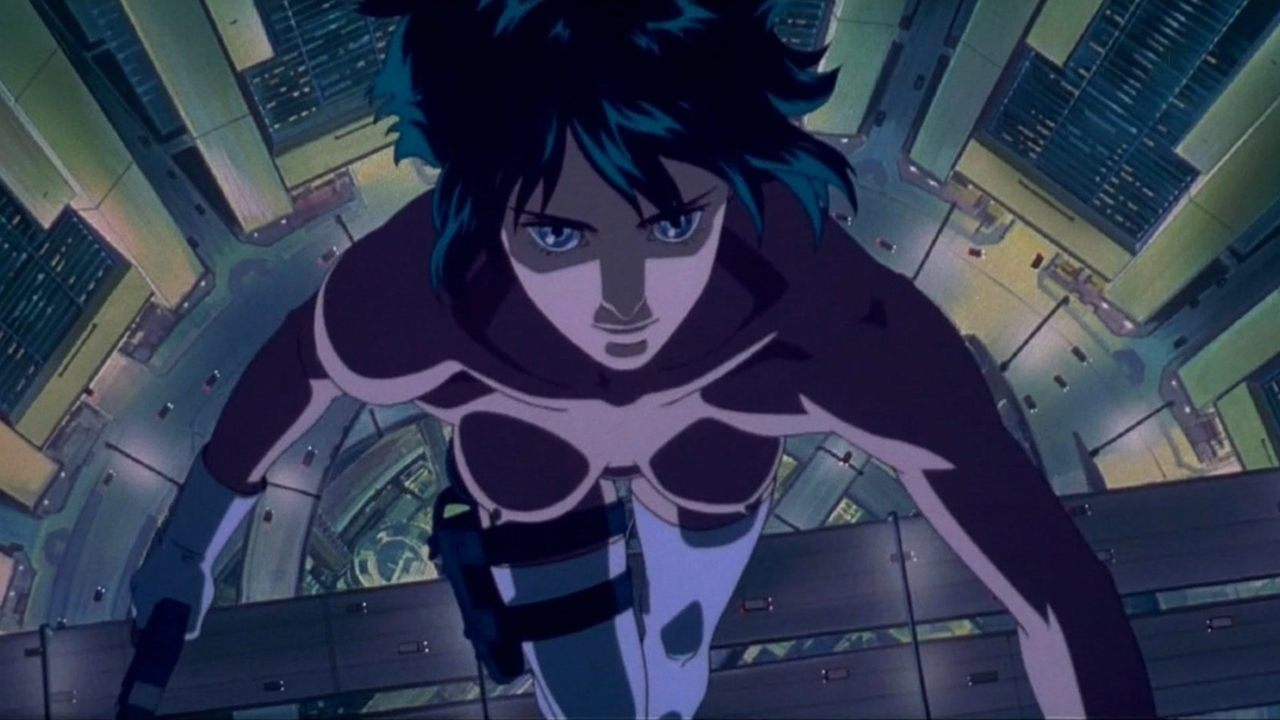
The action here isn't the weightless, gravity-defying spectacle we often see in modern superhero flicks. When the Major leaps off a skyscraper or engages in a shootout, there is a physical consequence to every movement. The animation by Production I.G gives these machines weight. When the Major fights a thermoptically camouflaged thug in a shallow canal, you can practically feel the displacement of the water and the crunch of concrete. The fight scenes are basically high-stakes engineering projects. There’s a deliberate rhythm to the violence—sharp, sudden bursts of "kinetic" energy (sorry, I meant raw power) followed by long, contemplative silences.
This leads to the tank battle in the third act, which remains one of the most punishingly beautiful sequences in animation history. Watching the Major literally tear herself apart trying to open a hatch while Kenji Kawai’s haunting, Bulgarian-folk-inspired score wails in the background is a religious experience. It’s not just about winning a fight; it’s about the violent struggle to transcend the limits of a physical shell.
A Three-Million Dollar Miracle
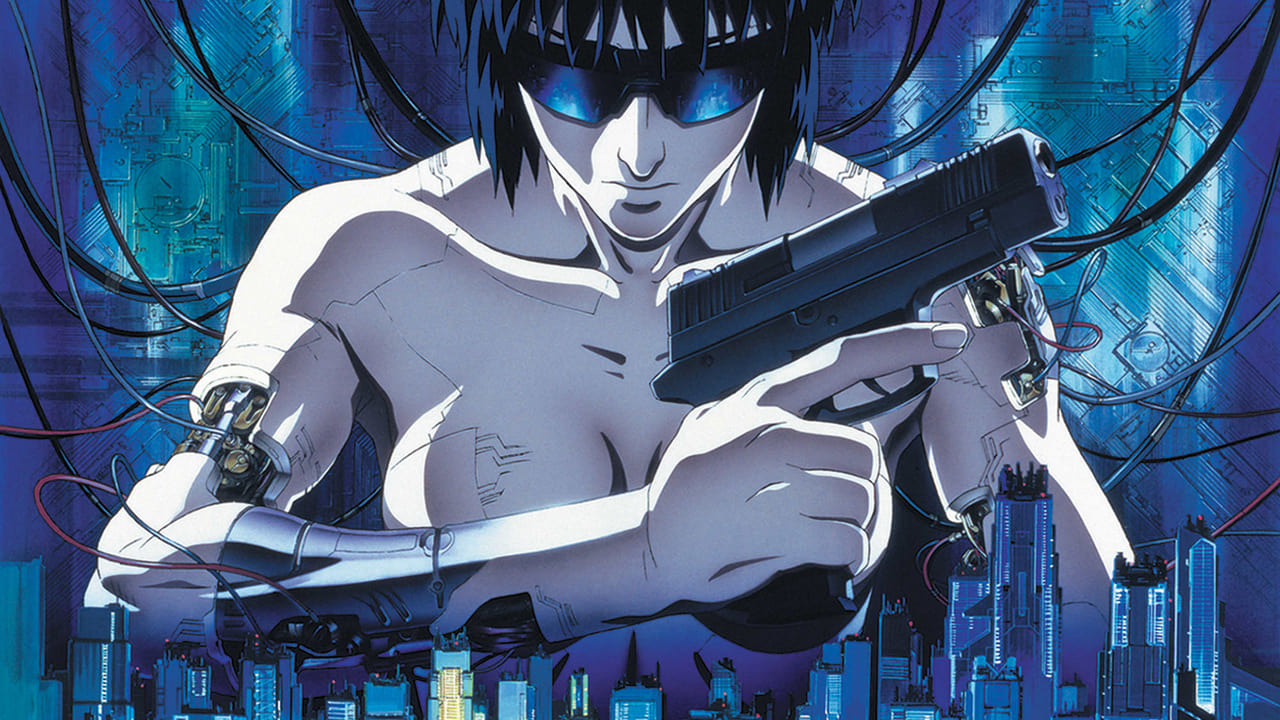
Looking back, it’s wild to realize Ghost in the Shell was made for roughly $3 million. For context, Disney’s Pocahontas, released the same year, cost about $55 million. While Disney was chasing perfection through volume, Oshii was chasing it through mood. The film used a technique called "Digitally Generated Animation" (DGA) to layer traditional cells with digital effects, creating that iconic murky, rain-soaked depth that feels like looking through a lens smeared with oil and data.
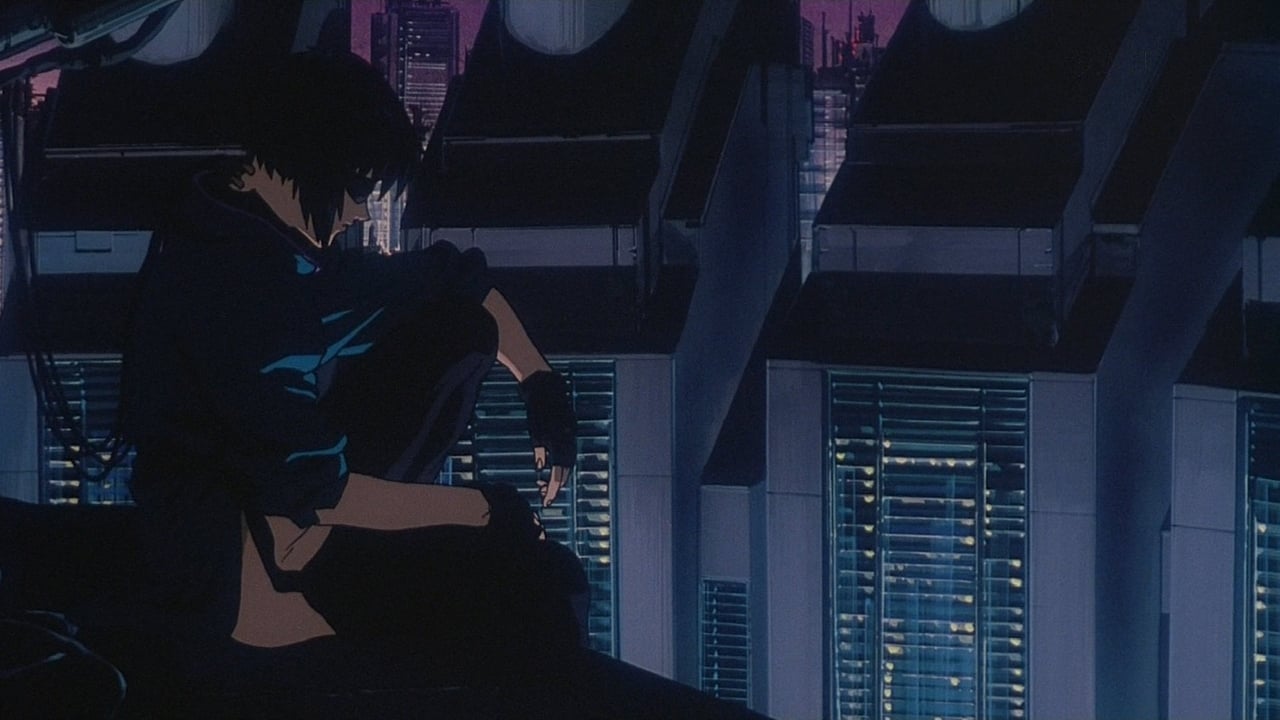
The background art is the real MVP here. The sprawling cityscapes aren't just scenery; they are characters. There’s a famous "travelogue" sequence mid-way through the film where the plot stops for several minutes just to show us reflections in puddles, people under umbrellas, and the decaying industrial sprawl. It’s a bold, "indie" choice that a major studio would have likely cut for "pacing." But without it, the movie loses its soul. It forces you to sit in the stillness and wonder if these silent observers have "ghosts" or if they’re just NPCs in a dying world.
Akio Otsuka brings a perfect, grounded weariness to Batou, the Major’s partner. He provides the human (well, mostly human) anchor to the Major’s cold detachment. Their chemistry isn't about romance; it's about two veterans who know that in their line of work, the only thing you can trust is the guy holding the other gun.
The Ghost Still Haunts
What makes Ghost in the Shell age so well—unlike many CGI-heavy films from the late 90s—is its restraint. It doesn't over-explain the tech. It trusts you to keep up. It’s a cerebral action film that asks you to think about the Ship of Theseus while someone is getting their head blown off by a high-caliber sniper rifle. If you aren't questioning your own humanity by the end, you probably aren't paying attention.
The film famously flopped in Japanese theaters but became a massive cult hit on VHS and DVD in the West. It’s the ultimate "DVD culture" movie; the kind you’d buy because the cover looked cool at Blockbuster and then spend the next three hours staring at a wall trying to process what you just saw. It paved the way for everything from The Matrix to Cyberpunk 2077, but none of its successors quite capture the same lonely, wet, beautiful atmosphere.
Ghost in the Shell is a rare example of a film that is both a technical milestone and a philosophical heavyweight. It manages to be deeply cynical about the future of technology while being absolutely in love with the possibilities of the human spirit. It’s short, sharp, and stays with you long after the credits roll. Whether you’re an anime veteran or someone who thinks "cartoons are for kids," this is essential cinema that still feels like it's beaming in from a future we haven't quite reached yet.
Keep Exploring...
-
Ghost in the Shell 2: Innocence
2004
-

Dragon Ball Z: Fusion Reborn
1995
-
Evangelion: 2.0 You Can (Not) Advance
2009
-

Cowboy Bebop: The Movie
2001
-

Evangelion: 1.0 You Are (Not) Alone
2007
-
Justice League: The Flashpoint Paradox
2013
-

Dragon Ball Z: Broly - The Legendary Super Saiyan
1993
-
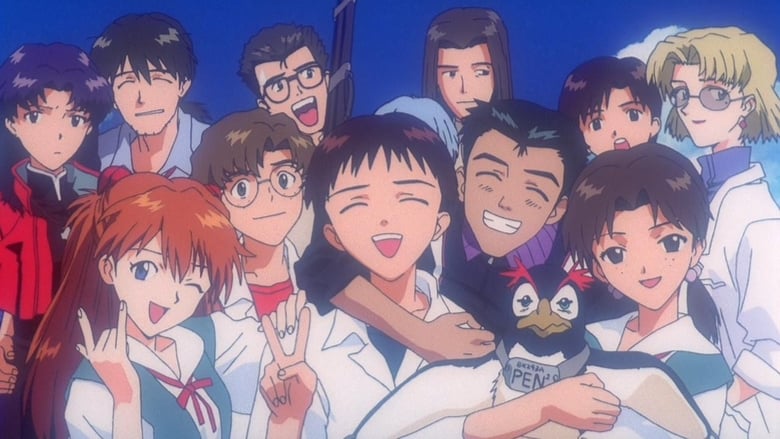
Neon Genesis Evangelion: The End of Evangelion
1997
-
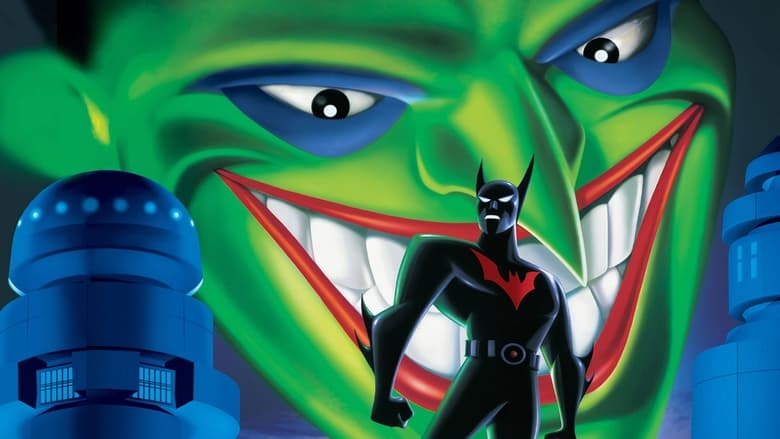
Batman Beyond: Return of the Joker
2000
-

Dragon Ball Super: Broly
2018
-
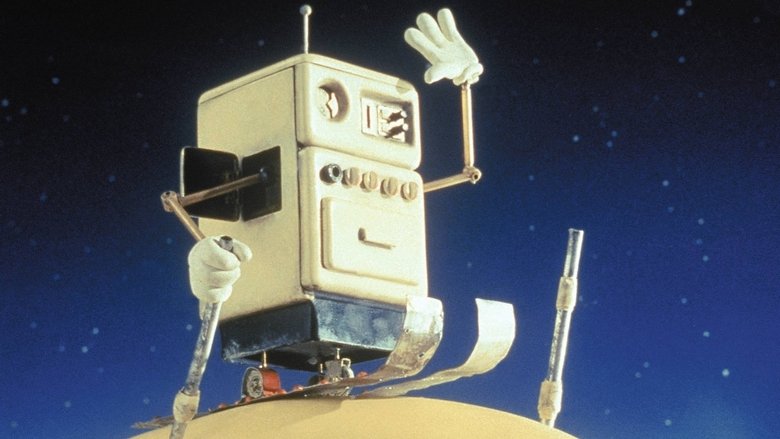
A Grand Day Out
1990
-

The Iron Giant
1999
-
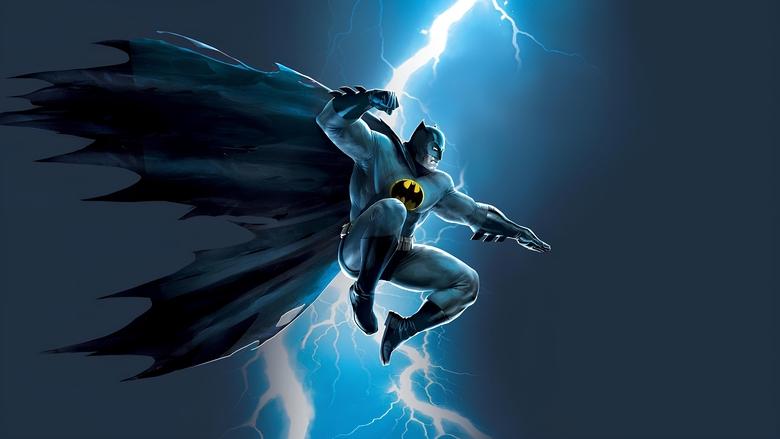
Batman: The Dark Knight Returns, Part 1
2012
-

Evangelion: 3.0 You Can (Not) Redo
2012
-

Batman: The Dark Knight Returns, Part 2
2013
-
Akira
1988
-

Paprika
2006
-
The Last: Naruto the Movie
2014
-
The Girl Who Leapt Through Time
2006
-
9
2009