GoldenEye
"The Cold War is over, but the fire is just beginning."
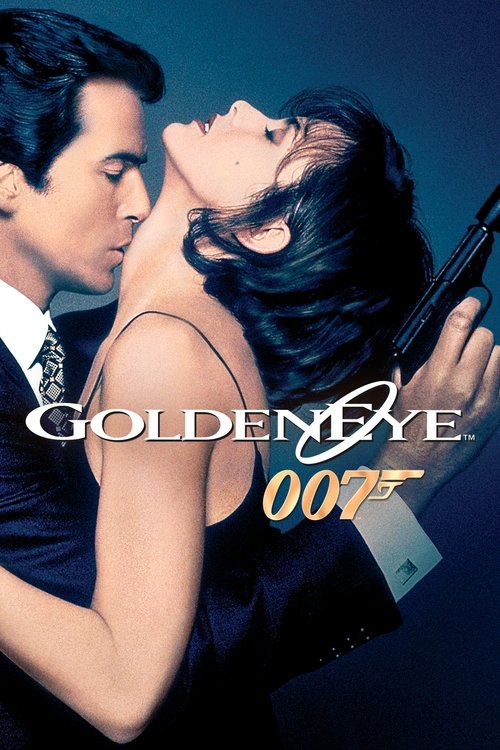
For six long years, the world’s most famous secret agent was essentially a ghost. Between 1989 and 1995, James Bond was trapped in a legal limbo that felt less like a mission and more like a retirement home. By the time Pierce Brosnan finally stepped out of the shadows and onto that dam in Switzerland, the cultural landscape had shifted. The Berlin Wall was down, the USSR was a memory, and critics were sharpening their knives, wondering if a Martini-swigging relic of the 60s had any business existing in a world of dial-up internet and grunge music.
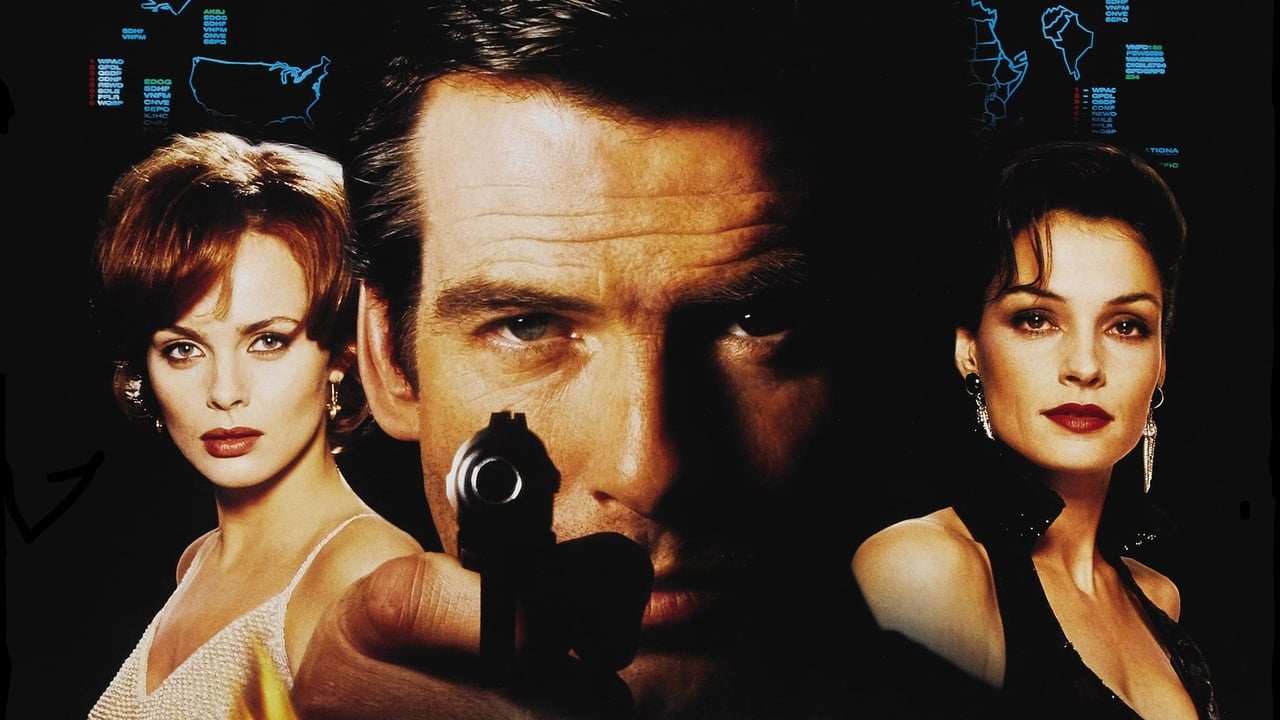
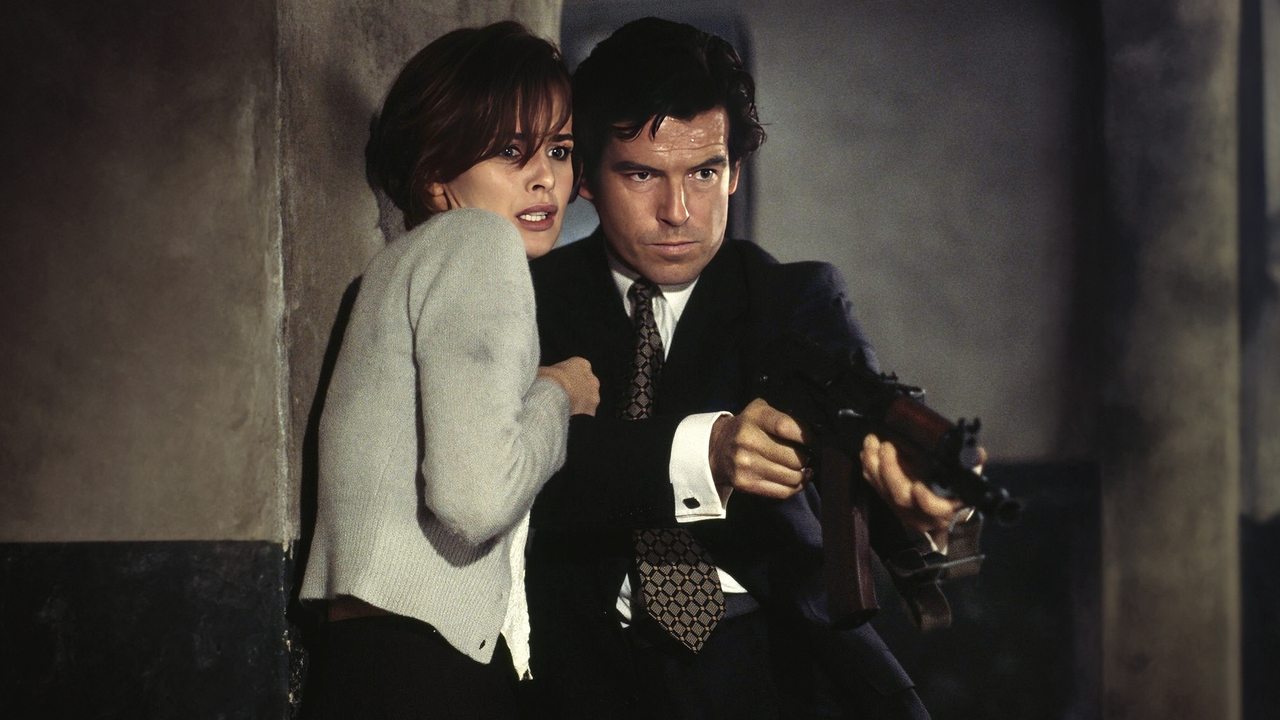
I remember watching GoldenEye for the first time on a grainy VHS tape while sitting on a beanbag chair that smelled vaguely of old Cheetos. Even through the low-res fuzz, it was clear that Bond wasn't just back; he was recalibrated. This wasn't the gritty, scowling Bond of the Timothy Dalton (of The Living Daylights fame) era, nor was it the wink-at-the-camera camp of Roger Moore. Brosnan entered the frame as the "Greatest Hits" version of 007—possessing Sean Connery's lethal edge and a tailored elegance that made him look like he was born wearing a Brioni suit.
Breaking the Mold and the Dam
The opening sequence remains an all-time high for the franchise, and I mean that literally. When stuntman Wayne Michaels performed the 722-foot bungee jump off the Verzasca Dam, he wasn't just performing a stunt; he was making a statement. This was 1995, an era where CGI was starting to rear its head in films like Jurassic Park, but director Martin Campbell (who would later perform the same "reboot" magic with Casino Royale) leaned heavily into the physical.
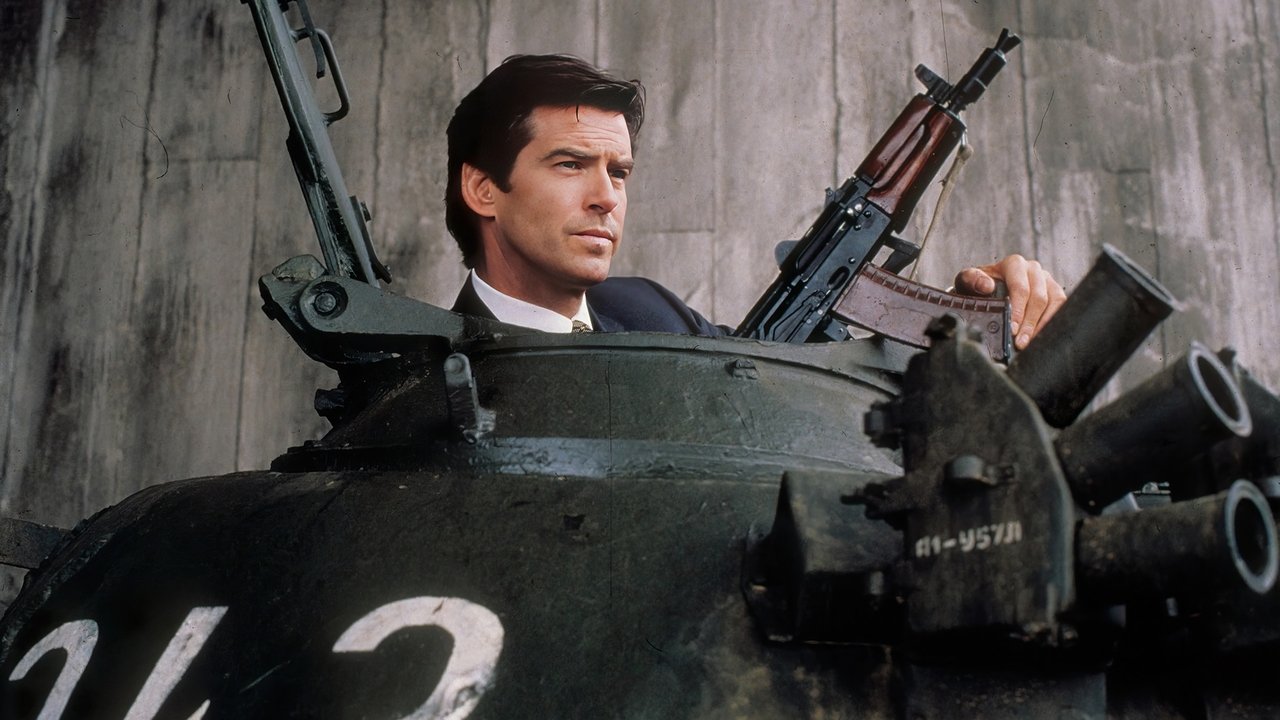
There is a weight to the action in GoldenEye that feels increasingly rare. When Bond drives a Russian T-54/55 tank through the streets of St. Petersburg, you aren't looking at digital pixels; you’re watching actual masonry crumble under real treads. The tank chase is a glorious middle finger to physics and city planning, and it’s the exact moment the movie stops being a spy thriller and becomes a true blockbuster. It’s loud, it’s chaotic, and it features Bond pausing to straighten his tie mid-rampage—a quintessential 007 beat that Brosnan nailed better than anyone.
A Villain with a Mirror
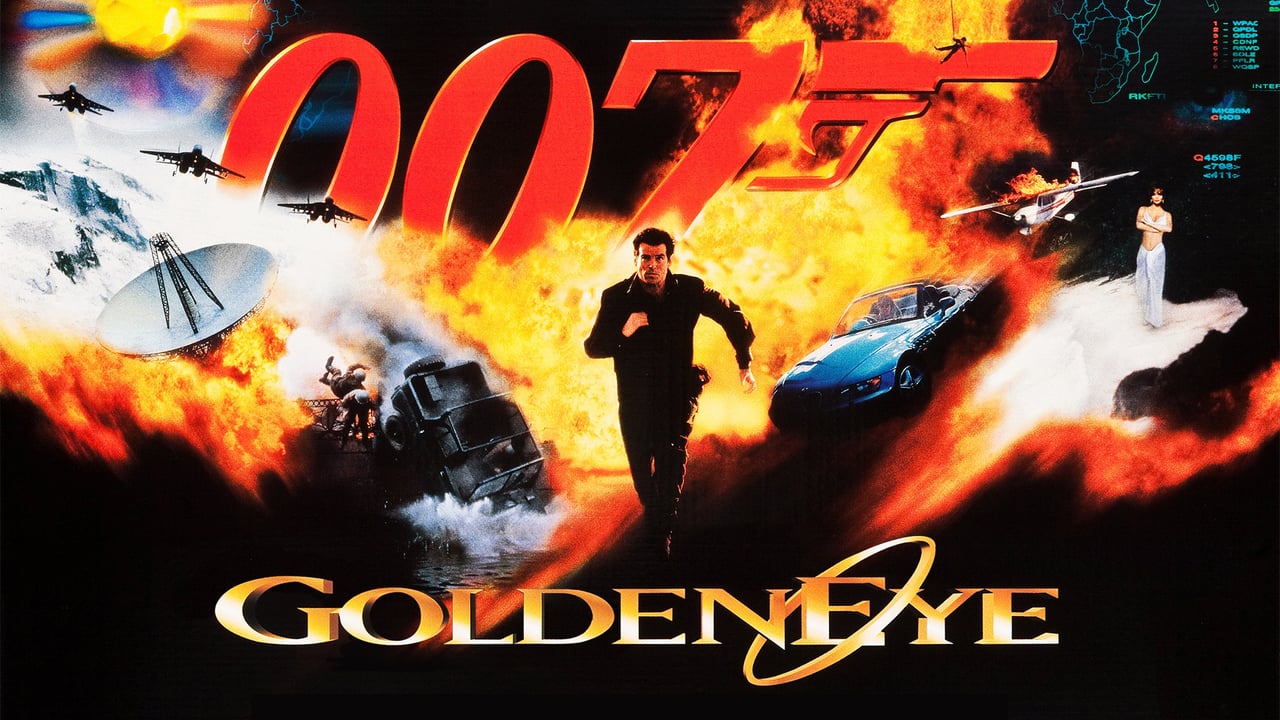
What elevates GoldenEye above the standard "madman wants to blow up the world" trope is the personal stakes. Sean Bean plays Alec Trevelyan (Agent 006) not as a cartoon, but as a dark reflection of Bond himself. He is what happens when the loyalty of a "blunt instrument" is betrayed by the state. Their climactic fight on the cradle of the Arecibo Observatory is brutal, desperate, and remarkably clear. Campbell’s direction ensures you always know where both men are in space, avoiding the "shaky-cam" headaches that would plague the genre a decade later.
Then, of course, there is Famke Janssen as Xenia Onatopp. If the film was worried about Bond being a "sexist, misogynist dinosaur" (as Judi Dench’s brilliant new M famously puts it), Xenia was the answer. She’s a predator who uses her own sexuality as a literal weapon of strangulation. It’s over-the-top, slightly absurd, and Famke Janssen looks like she’s having more fun than should be legally allowed in a major motion picture. She represents the film’s willingness to stay dangerous while embracing the slightly heightened reality of the Bond universe.
The Sounds of a New Era
We have to talk about the score by Eric Serra. To this day, it remains one of the most polarizing aspects of the film. Moving away from the lush orchestral swells of John Barry, Serra opted for a metallic, industrial, avant-garde sound. I’ll be honest: the score sounds like a sentient refrigerator having a mid-life crisis, but strangely, it works for the post-Soviet, industrial-decay aesthetic of the film. It feels cold, metallic, and very "1995."
The film was a massive gamble for EON Productions, carrying a $60 million budget (about $120 million today) and the weight of a dying legacy. It didn't just succeed; it exploded, raking in over $350 million worldwide and proving that 007 was a brand that could survive the end of history. It also launched a legendary N64 tie-in game that arguably had a bigger cultural impact on a generation of kids than the movie itself—though my thumb still has a callous from playing four-player split-screen in "Facility" mode.
Looking back, GoldenEye is the perfect bridge between the analog past and the digital future. It acknowledges the changing world without losing its soul. It gave us Judi Dench as the definitive M, a tank chase for the ages, and a version of Bond that felt both classic and contemporary. It’s a film that demands to be watched on the biggest screen possible, preferably with the volume turned up high enough to make your neighbors worry about the industrial clanging of the soundtrack. It reminded me exactly why we go to the movies: to see the impossible done with style.
Keep Exploring...
-
Tomorrow Never Dies
1997
-
Casino Royale
2006
-

The World Is Not Enough
1999
-
Die Another Day
2002
-

Skyfall
2012
-
Quantum of Solace
2008
-
The Living Daylights
1987
-
Spectre
2015
-
No Time to Die
2021
-

Goldfinger
1964
-
Thunderball
1965
-
You Only Live Twice
1967
-
Live and Let Die
1973
-
The Spy Who Loved Me
1977
-
Moonraker
1979
-
For Your Eyes Only
1981
-
Never Say Never Again
1983
-
Octopussy
1983
-
A View to a Kill
1985
-
Licence to Kill
1989