Heat
"Two titans. One city. No way out."
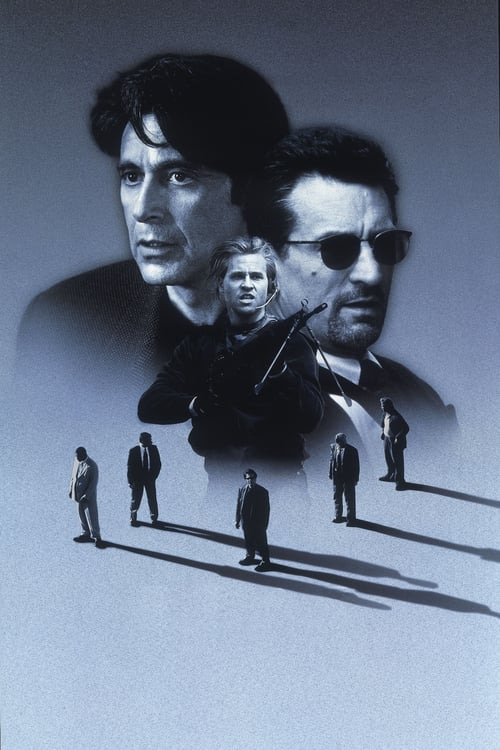
The first thing that hits you isn't the story or the stars; it’s the sound. When the bank heist in Heat spills out onto the streets of downtown Los Angeles, the gunfire doesn't sound like "movie" noise. It doesn't have that polished, synthesized pop we grew up hearing in Lethal Weapon sequels. It’s a rhythmic, terrifying cacophony that bounces off the skyscrapers, sounding exactly like what it was: live audio recorded on the streets because Michael Mann decided studio dubbing was for cowards.
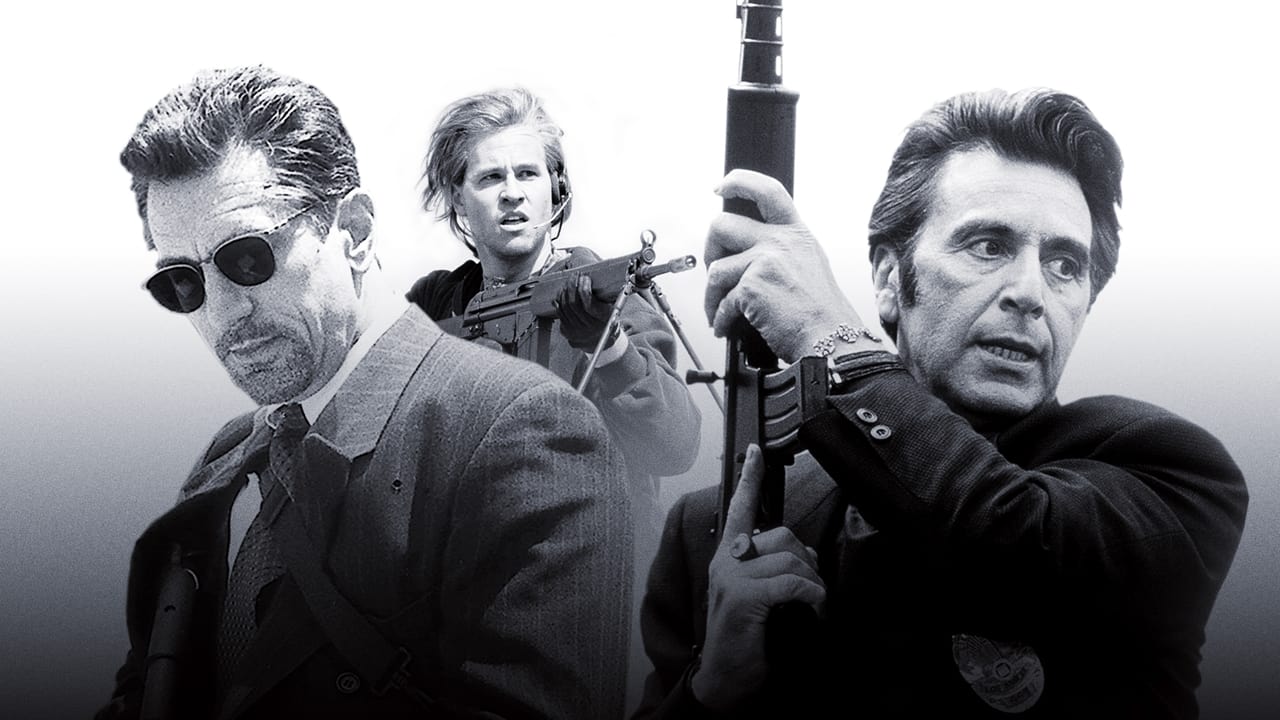
Watching this again recently, while nursing a mild case of food poisoning from a questionable street taco, I realized that the high-tension shootout actually made me forget my stomach cramps for a solid twenty minutes. That’s the power of 1995-era craft. We were right in that sweet spot of the 90s where budgets were massive, CGI was still a novelty best left to dinosaurs, and directors like Michael Mann could spend millions of Warner Bros.' dollars just to get the exact shade of "twilight blue" on a Pacific Coast Highway evening.
The Professional’s Burden
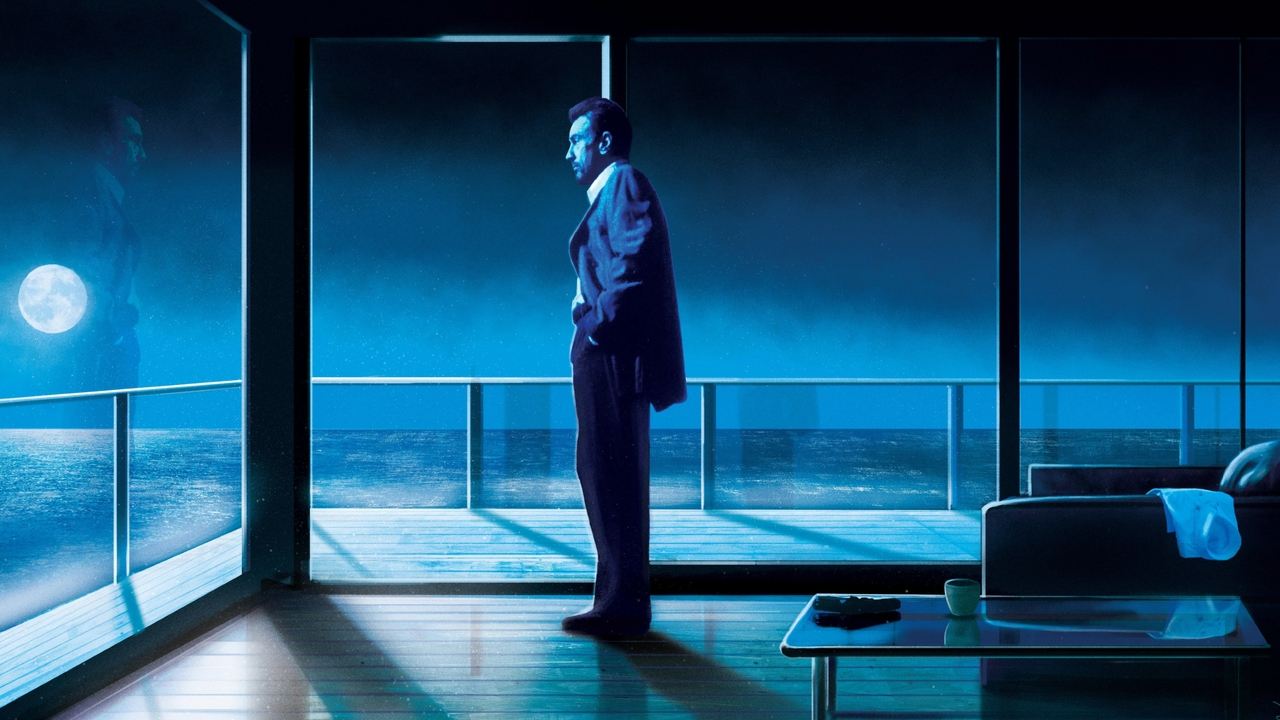
At its heart, Heat is a movie about guys who are tragically good at exactly one thing. Robert De Niro plays Neil McCauley, a thief so disciplined he lives in a house that looks like a high-end furniture showroom where no one is allowed to sit down. He’s the ultimate "guy who can walk out in thirty seconds," a mantra that serves as his armor and his prison. Opposite him is Al Pacino as Lt. Vincent Hanna, a man who is essentially a shark in a $2,000 suit, constantly moving because if he stops to look at his collapsing third marriage, he might actually die of boredom.
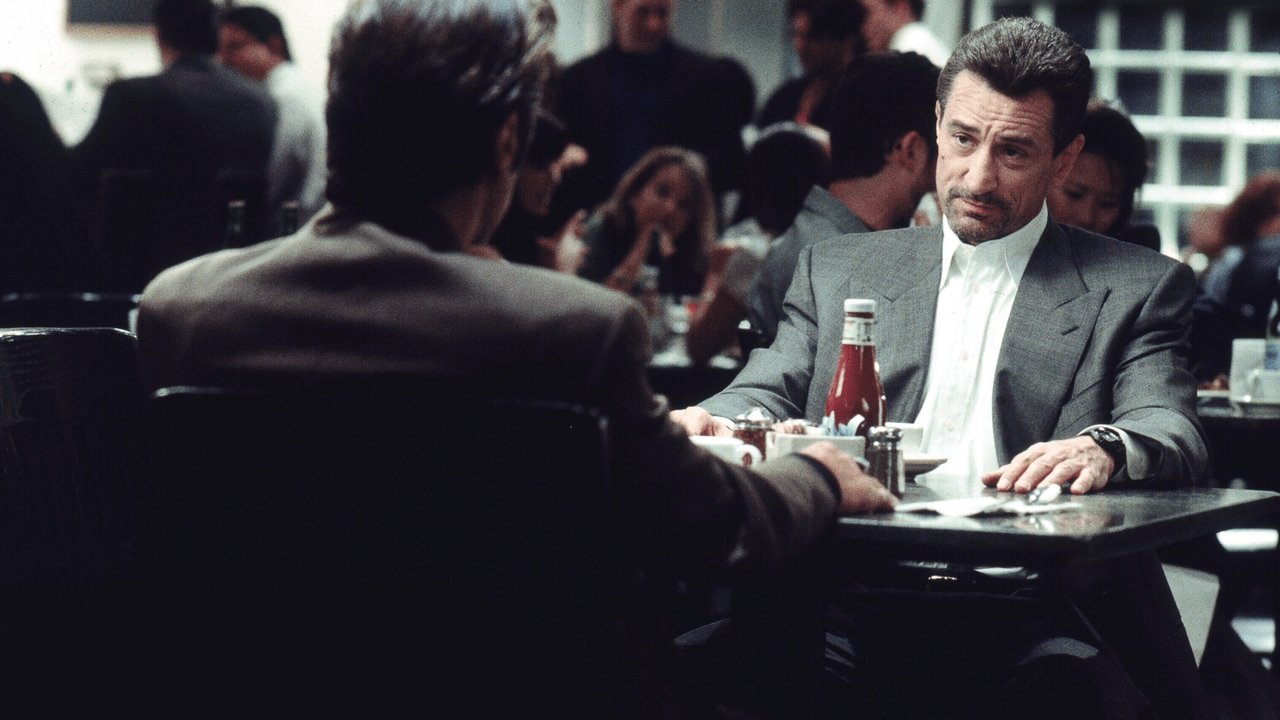
The film is famously the first time these two shared the screen, and Mann (who also wrote the screenplay) is smart enough to make us wait for it. When they finally sit down at that diner—a scene supposedly based on a real meeting between a cop and a criminal—the air in the room shifts. There’s no scenery-chewing, at least not yet. It’s just two masters of their craft acknowledging that they are mirrors of each other. Pacino’s performance is about 15% police procedural and 85% shouting about ‘GREAT ASSES’ while his eyeballs try to escape his skull, and honestly, it’s the exact shot of caffeine a three-hour crime saga needs.
A Masterclass in Urban Steel
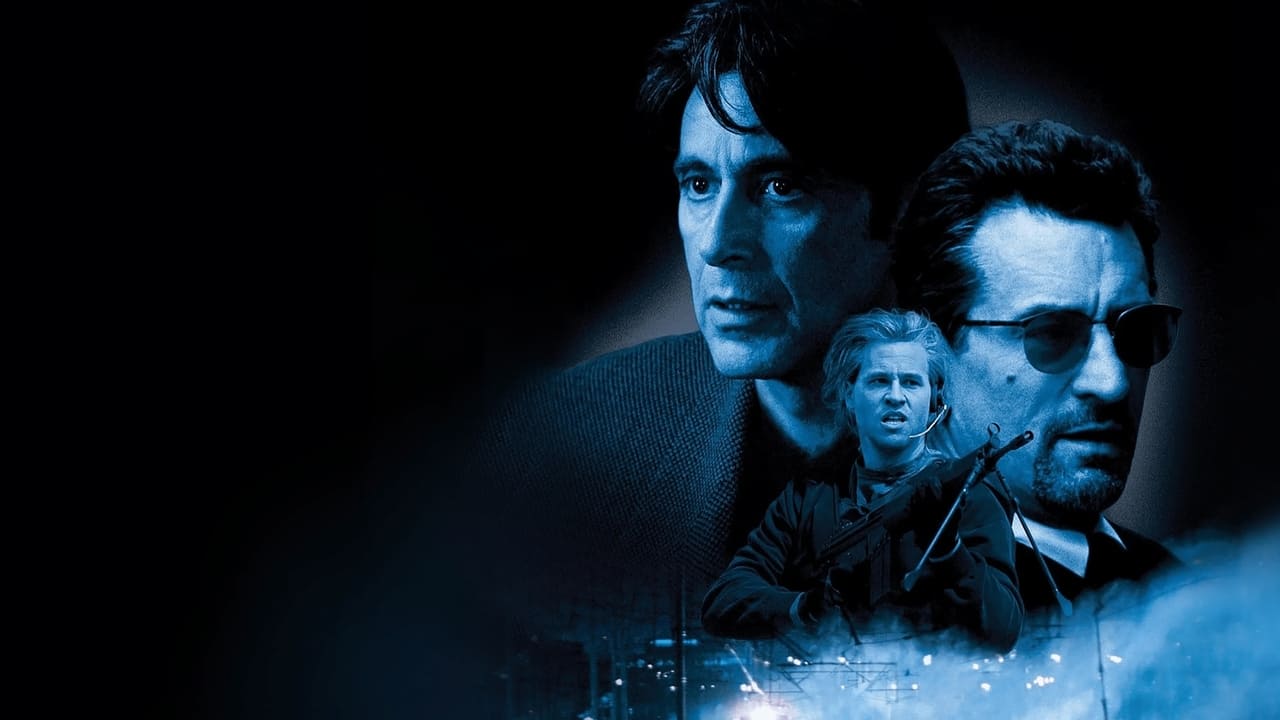
The 170-minute runtime might look daunting on a streaming menu, but Heat uses every second to build a world that feels heavy and permanent. This isn't the sunny, palm-tree Los Angeles of Baywatch. This is a city of glass, steel, and shadows, captured beautifully by cinematographer Dante Spinotti (who also worked with Mann on The Last of the Mohicans). Everything feels clinical and cold, yet strangely beautiful.
The supporting cast is an absolute murderer's row of "Hey, it's that guy!" talent. Val Kilmer gives perhaps his best performance as Chris Shiherlis, a gambling addict with a ponytail and a hair-trigger. Tom Sizemore, Jon Voight, and even a young Natalie Portman fill out the edges, making this feel less like a movie and more like a sprawling novel you’d find at an airport and finish in one sitting.
The action choreography set a new bar for the genre. Apparently, the actors went through rigorous weapons training with British Special Air Service (SAS) members. Val Kilmer’s lightning-fast magazine change during the final shootout was actually used by the Marines as a training video for how to reload under fire. That’s the kind of technical obsession that defined this era of filmmaking—the bridge between the practical stunts of the 80s and the digital precision of the 2000s.
The Legacy of the Blue Tint
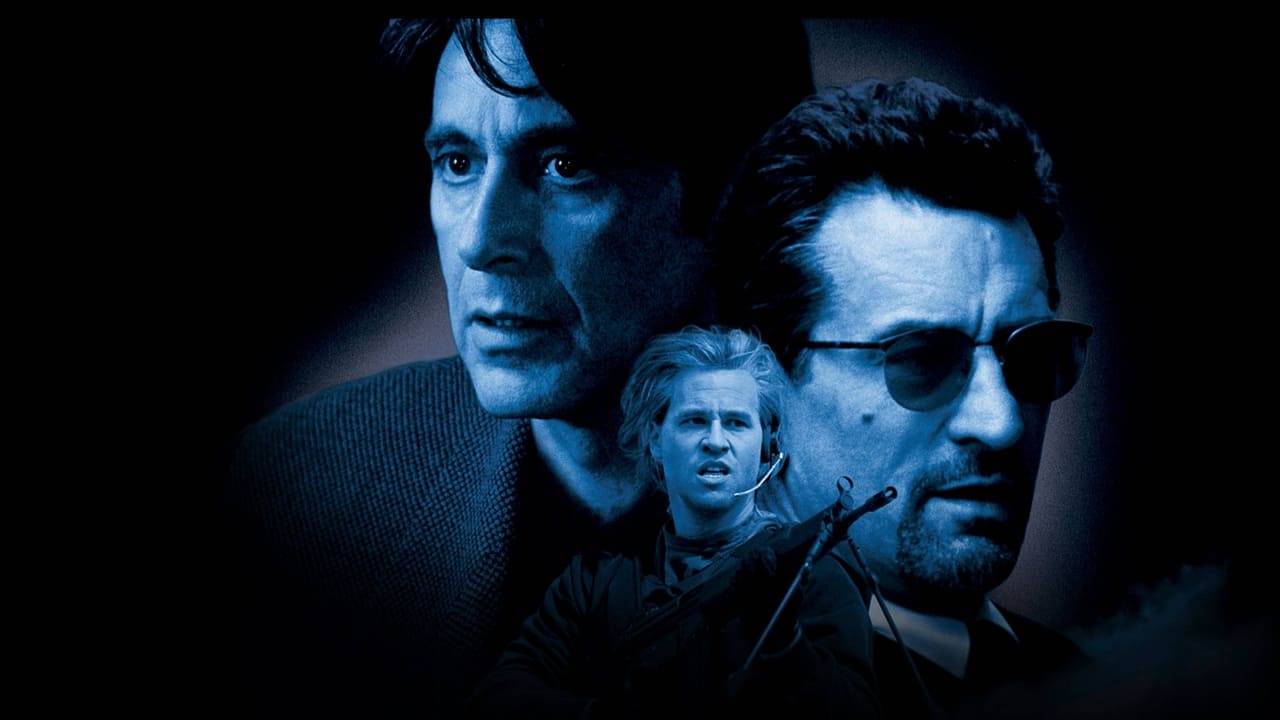
Looking back, Heat feels like the ultimate "Prestige Action" movie. It was a serious awards contender that somehow got zero Oscar nominations, which remains one of the Academy’s more baffling 90s snubs. It’s a film that demands you pay attention to the score by Elliot Goldenthal, which trades traditional orchestral swells for an ambient, brooding electronic landscape that perfectly matches the urban isolation.
In the DVD era, this was the movie you bought to show off your surround sound system. Today, it’s a reminder of what we’ve lost in the transition to franchise-dominated cinema. It’s a massive, expensive, R-rated drama for adults that respects the audience’s intelligence and their patience. It doesn't offer easy answers or a feel-good ending; it offers a somber look at the cost of being "the best" at a job that eventually leaves you alone in the dark.
It’s the definitive Los Angeles crime story. While the runtime is long, the momentum is undeniable, and the craftsmanship on display—from the sound of the shell casings hitting the pavement to the way the city lights flicker in the background of a tense conversation—is unparalleled. If you haven't seen it, clear your evening. If you have, it’s time for a rewatch. Just maybe skip the street tacos before the shootout starts.
Keep Exploring...
-
The Insider
1999
-
The Last of the Mohicans
1992
-
Carlito's Way
1993
-
Collateral
2004
-
The Dark Knight
2008
-

Léon: The Professional
1994
-

The Negotiator
1998
-
Batman: Mask of the Phantasm
1993
-
Bound by Honor
1993
-

Braveheart
1995
-
Casino
1995
-
The Green Mile
1999
-
Felon
2008
-
Scarface
1983
-
Glengarry Glen Ross
1992
-

Batman Begins
2005
-
GoodFellas
1990
-

The Silence of the Lambs
1991
-
The Shawshank Redemption
1994
-
The Usual Suspects
1995