In the Mouth of Madness
"Reality is just a rough draft."
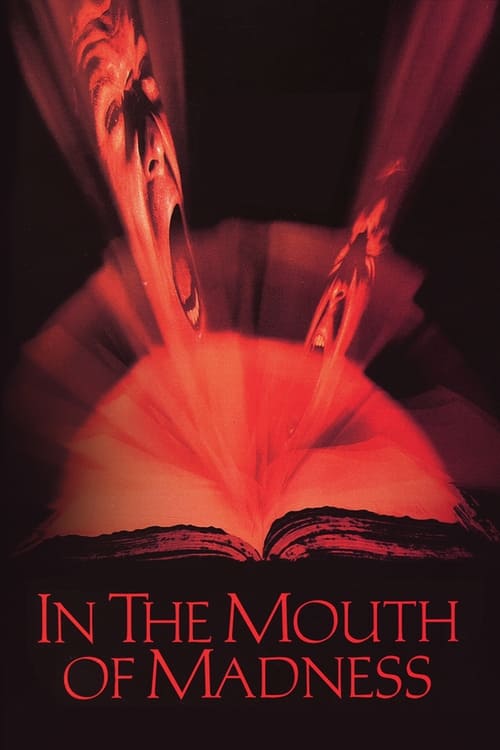
In the mid-90s, the horror genre was suffering from a massive identity crisis. The slasher icons of the 80s had been relegated to direct-to-video purgatory, and the "prestige" horror of the early 90s felt a bit too safe, a bit too much like a thriller with a higher body count. Then came 1995, and John Carpenter—the man who practically built the modern slasher with Halloween—decided to stop playing with knives and start playing with our sanity.
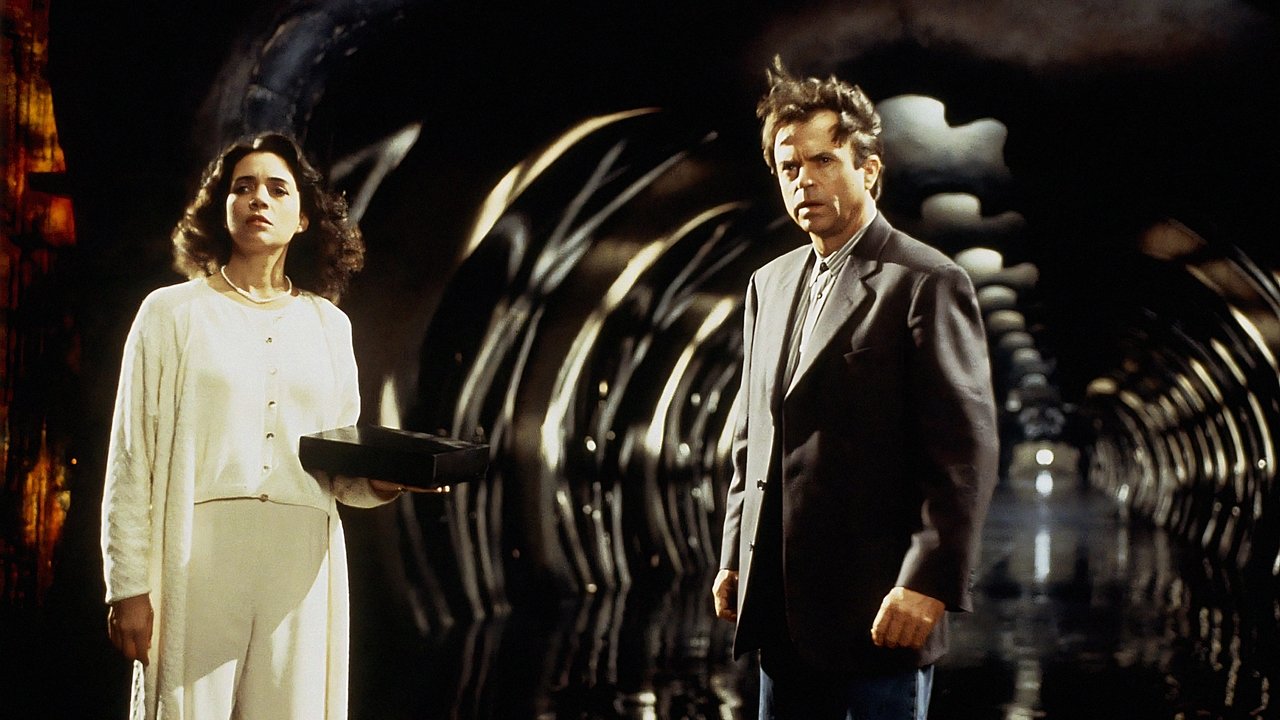
I watched this recently on a Tuesday night while my neighbor’s Honda Civic alarm kept going off every twenty minutes at 2 AM, and honestly, the rhythmic, mindless honking in the darkness felt like a perfect companion piece to the film’s spiraling madness.
The Man Who Wrote Reality
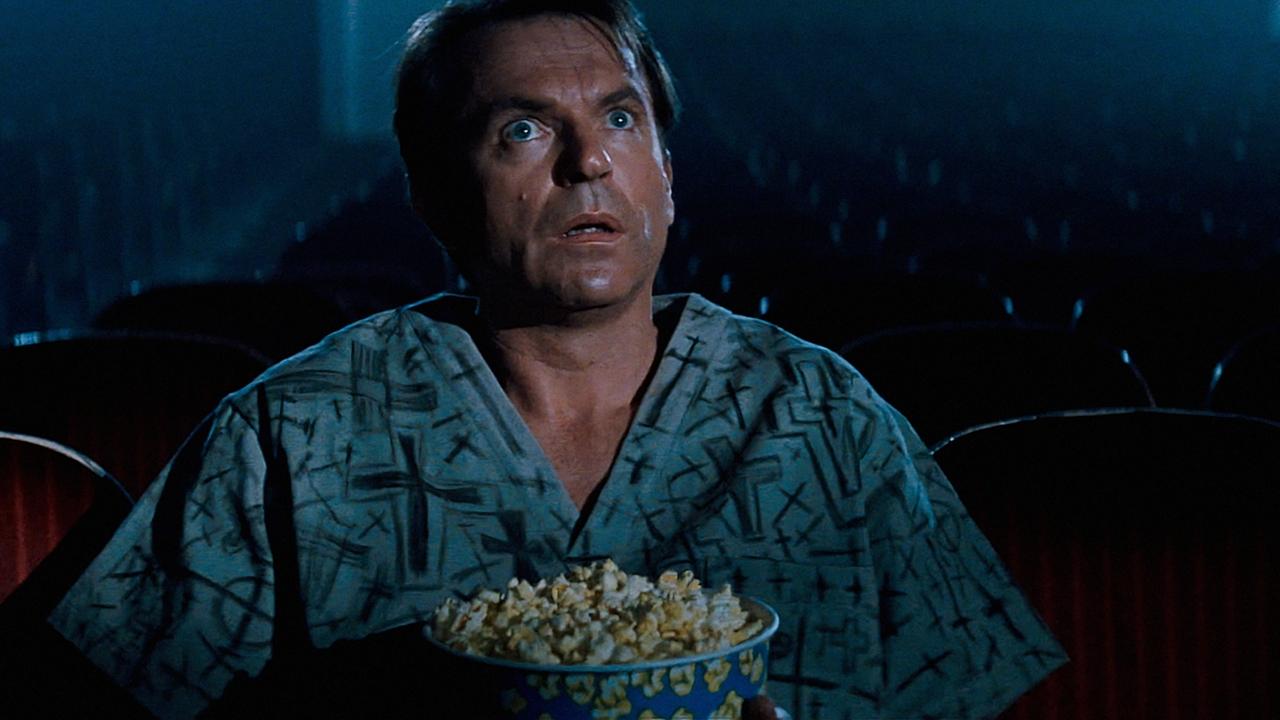
The story follows John Trent, played by Sam Neill in a performance that begins with cynical bravado and ends in a high-pitched, manic giggle that still echoes in my head. Trent is an insurance investigator, the ultimate skeptic in a world that is about to stop making sense. He’s hired to find Sutter Cane (Jürgen Prochnow), a horror novelist whose books don’t just sell millions of copies—they trigger mass psychosis and physical mutations in their readers.
Think Stephen King, but if his prose could actually liquefy your bones.
As Trent travels to Hobb’s End, a town that supposedly only exists in Cane’s books, the film shifts from a mystery into a full-blown Lovecraftian nightmare. Michael De Luca’s screenplay is remarkably sharp, capturing that specific 90s anxiety about the power of mass media. It’s a film that wonders: if enough people believe in a lie, does that lie become the new truth? "It’s a movie that treats the act of reading like a terminal, sexually transmitted disease," and I mean that as the highest possible praise.
Monsters Made of Paper and Ink
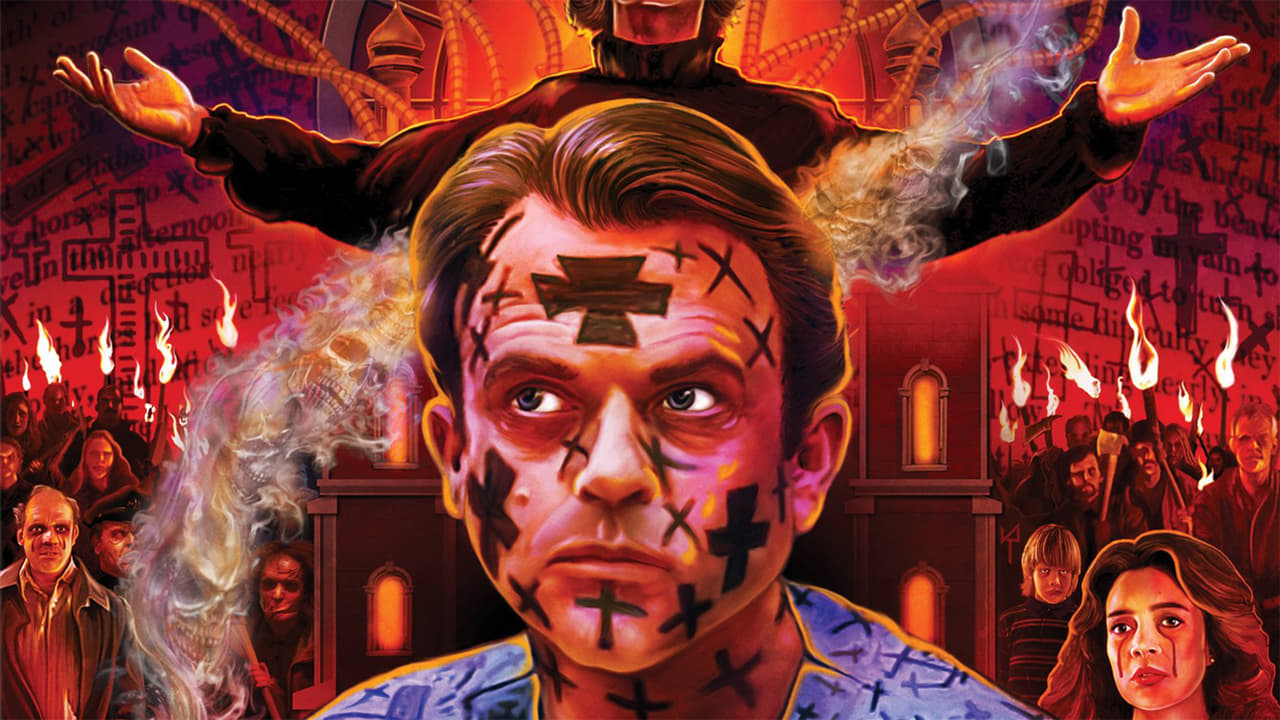
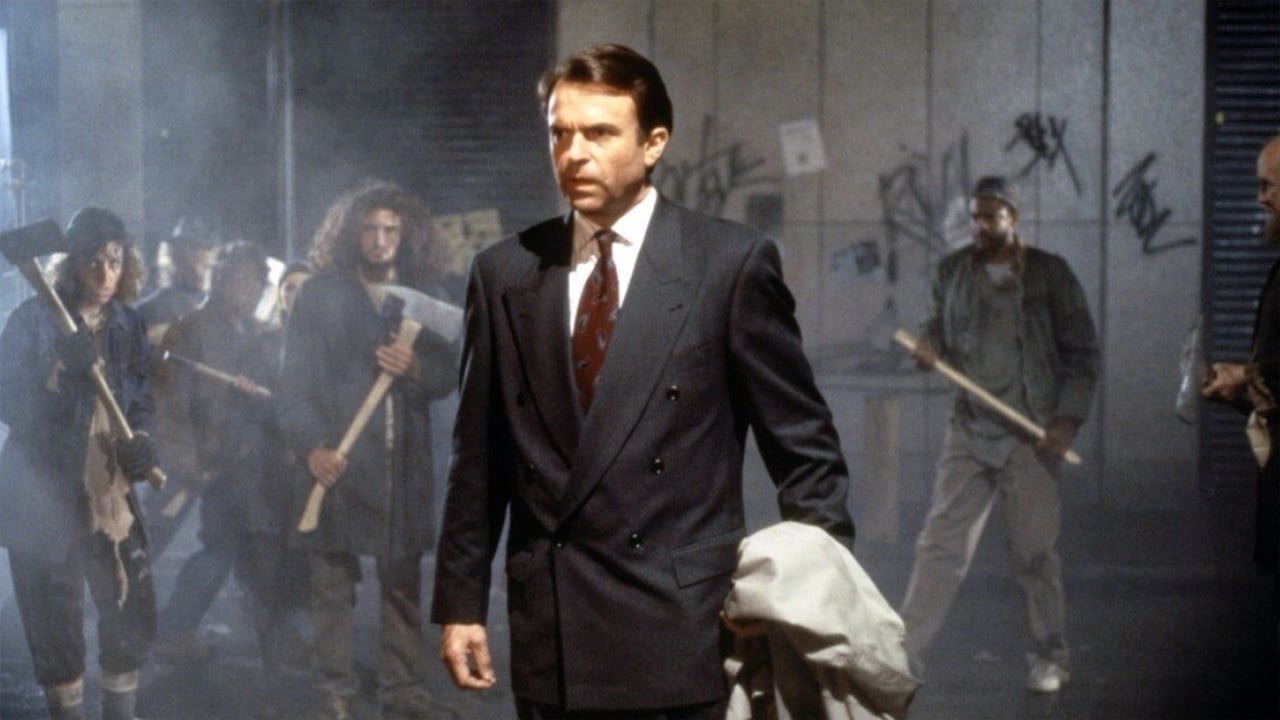
Technologically, In the Mouth of Madness sits at a fascinating crossroads. By 1995, CGI was starting to rear its head, but John Carpenter remained a devotee of the physical. The creature effects here, handled by the legends at KNB EFX Group, are some of the most unsettling sights of the decade. We’re talking about multi-limbed monstrosities, walls made of human faces, and a chase sequence down a dark alleyway that uses lighting and shadows to suggest things that shouldn't exist in three dimensions.
Looking back, there’s a weight to these effects that the digital revolution eventually smoothed over. When a character's face begins to distort or an axe-wielding maniac comes through a window, you feel the physical presence of the threat. The film’s cinematography by Gary B. Kibbe leans heavily into deep blues and oppressive blacks, making the small town of Hobb’s End feel like it’s being swallowed by an inkwell.
The cast is equally committed to the grim tone. Julie Carmen provides a grounded foil to Sam Neill’s eventual unravelling, and the late, great David Warner appears in a framing device that gives the whole movie a sense of doomed inevitability. Even John Glover pops up for a scene that is pure, distilled 90s weirdness.
A Legacy Written in Blood
Why did this movie disappear so quickly? Released against big-budget spectacles and failing to find an audience that was ready for its nihilistic "Apocalypse Trilogy" ending, it was a financial dud. But in the era of DVD culture and internet deep-dives, it has rightfully clawed its way back into the conversation. It feels more relevant now than it did in 1995. In a world of echo chambers and digital misinformation, the idea that a popular narrative could rewrite the fabric of our reality isn't just a horror trope—it’s the nightly news.
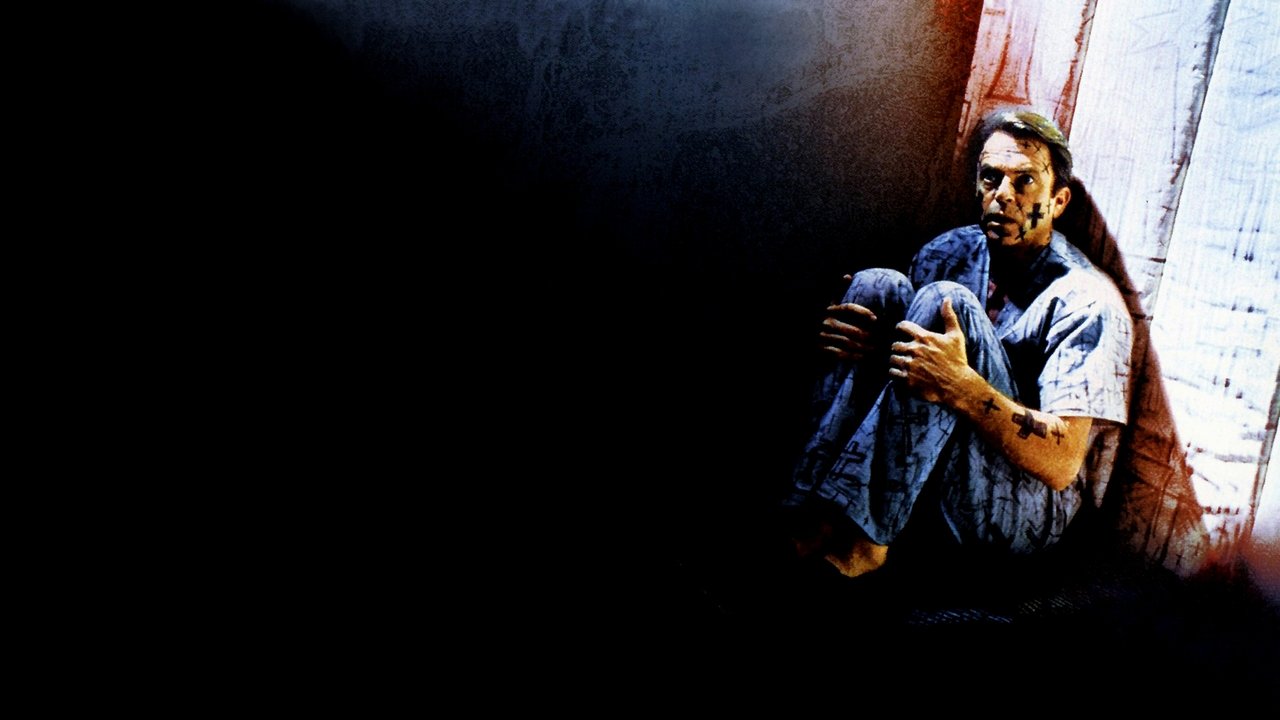
"John Carpenter is the only director who could make a blue-tinted church look like the literal digestive tract of an ancient god." His score for the film, a churning mix of heavy metal riffs and synth-driven dread, is arguably his last great musical contribution to cinema. It’s loud, it’s aggressive, and it perfectly matches Trent’s descent into the mouth of the title.
The film doesn't offer easy answers or a comforting resolution. It’s a dark, intense ride that asks you to consider your own role as a consumer of fiction. If you haven't seen it, find the best physical copy you can, turn off the lights, and ignore the scratching sounds coming from your basement. It's probably just the wind. Or maybe it’s just Sutter Cane finishing his final chapter.
This is John Carpenter at his most unhinged and intellectually playful. It’s a bridge between the practical gore of the 80s and the meta-narrative complexity that would dominate the 2000s. Sam Neill is a force of nature here, providing a masterclass in how to play a man watching his own soul being edited out of existence. If you’re tired of horror movies that play by the rules, let this one break your reality for ninety-five glorious minutes. You won't look at a paperback book the same way again.
Keep Exploring...
-

Jacob's Ladder
1990
-
Vampires
1998
-

Inland Empire
2006
-

The Thing
1982
-
Twin Peaks: Fire Walk with Me
1992
-
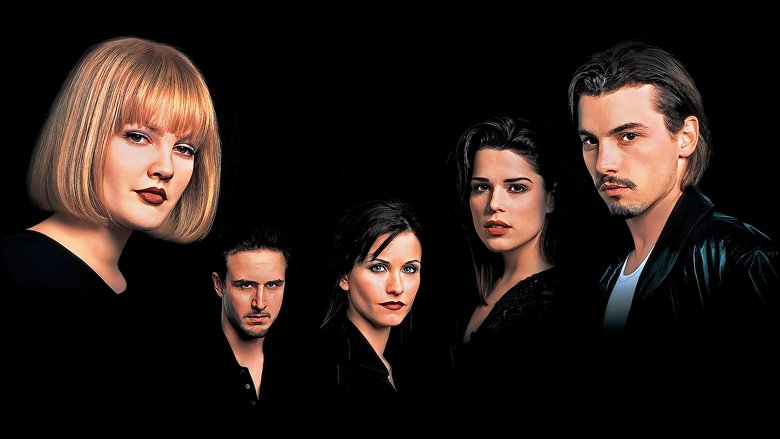
Scream
1996
-

A Tale of Two Sisters
2003
-
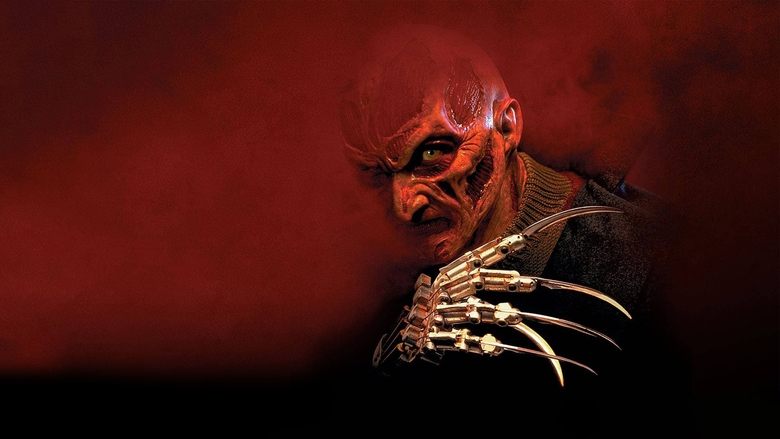
New Nightmare
1994
-

Stir of Echoes
1999
-

The Gift
2000
-
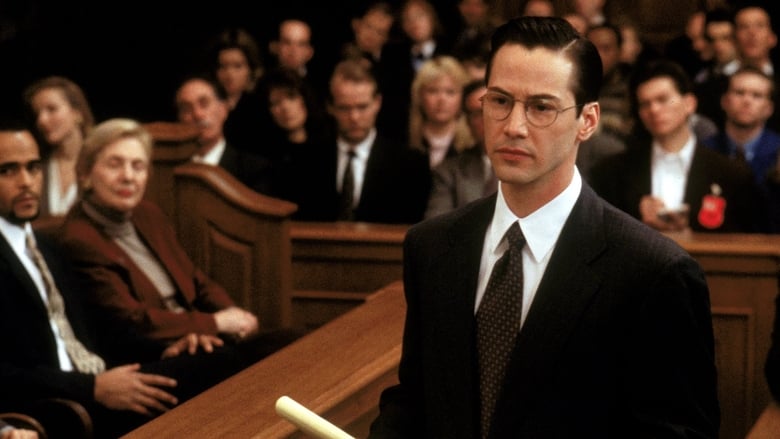
The Devil's Advocate
1997
-
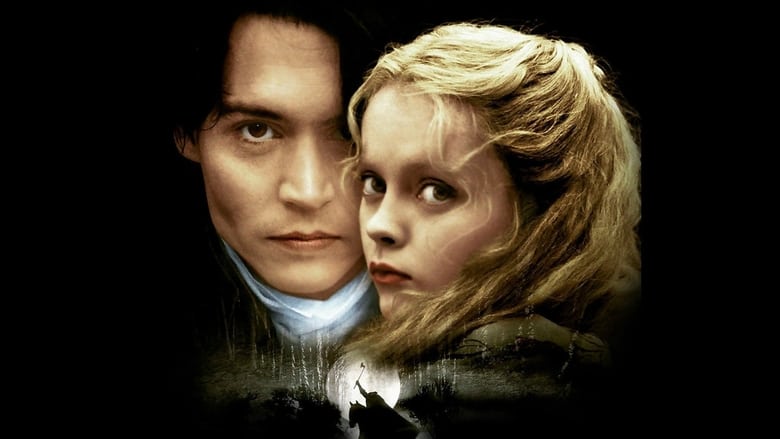
Sleepy Hollow
1999
-
Glengarry Glen Ross
1992
-
Batman: Mask of the Phantasm
1993
-
Arlington Road
1999
-
The Thirteenth Floor
1999
-
What Lies Beneath
2000
-
The Others
2001
-
The Ward
2010
-
The Mothman Prophecies
2002