Johnny Mnemonic
"Your brain is full, and everyone wants it."
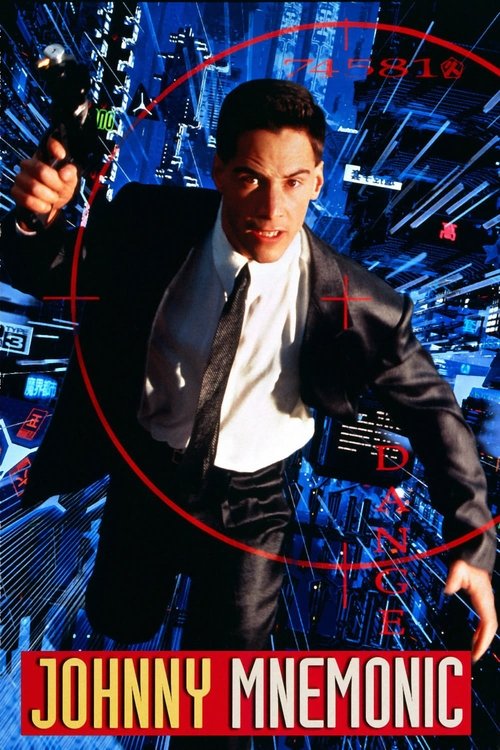
The year is 2021. The world is a smog-choked labyrinth of corporate hegemony, cybernetic enhancements, and a global pandemic called "Nerve Attenuation Syndrome." At the center of it all is a man who gave up his childhood memories to make room for 80 gigabytes of storage in his skull. Looking at this from the vantage point of the actual post-2021 world, where I carry several terabytes of cat videos in my pocket, the technological stakes of Johnny Mnemonic feel adorably quaint. But as a piece of "Modern Cinema" history, this film is a fascinating, clunky, and neon-drenched bridge between the analog 80s and the digital revolution that was about to swallow Hollywood whole.
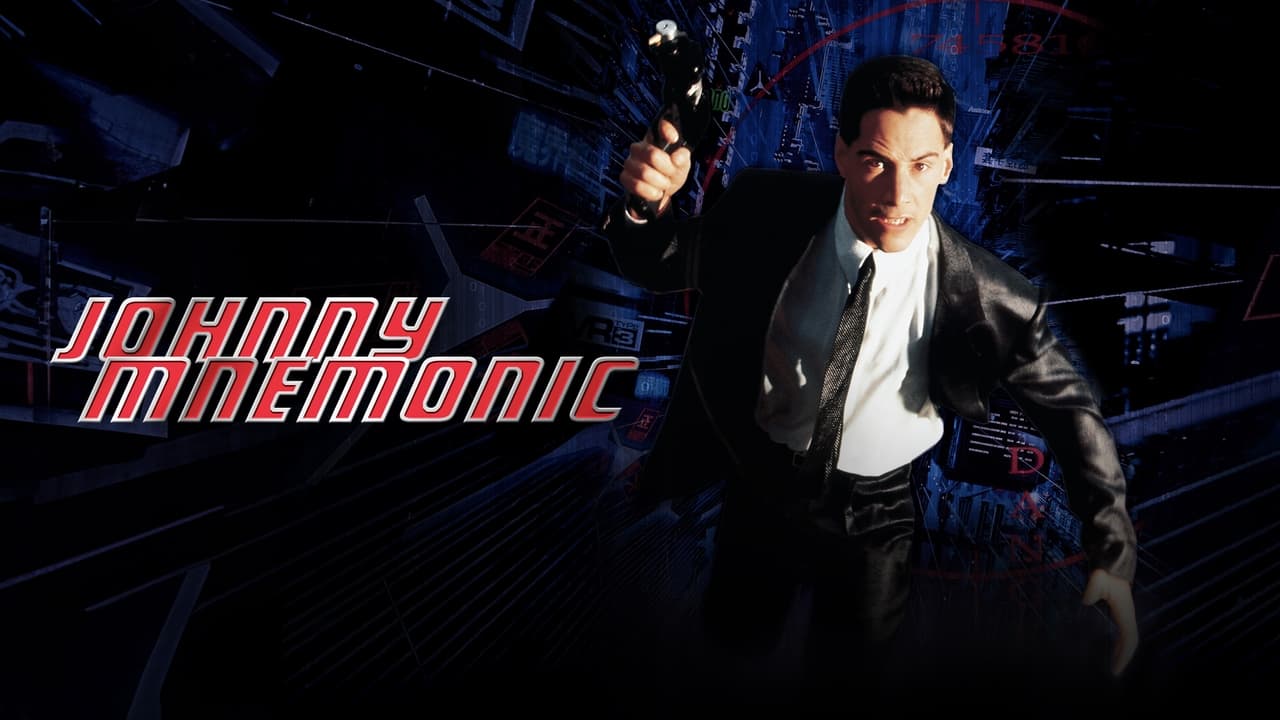
I watched this recently on a laptop with a screen so bright it attracted a very confused moth, and as I swatted the bug away, I realized that the film’s vision of the future is exactly like that: messy, flickering, and obsessed with the light.
The Future Isn't What It Used To Be
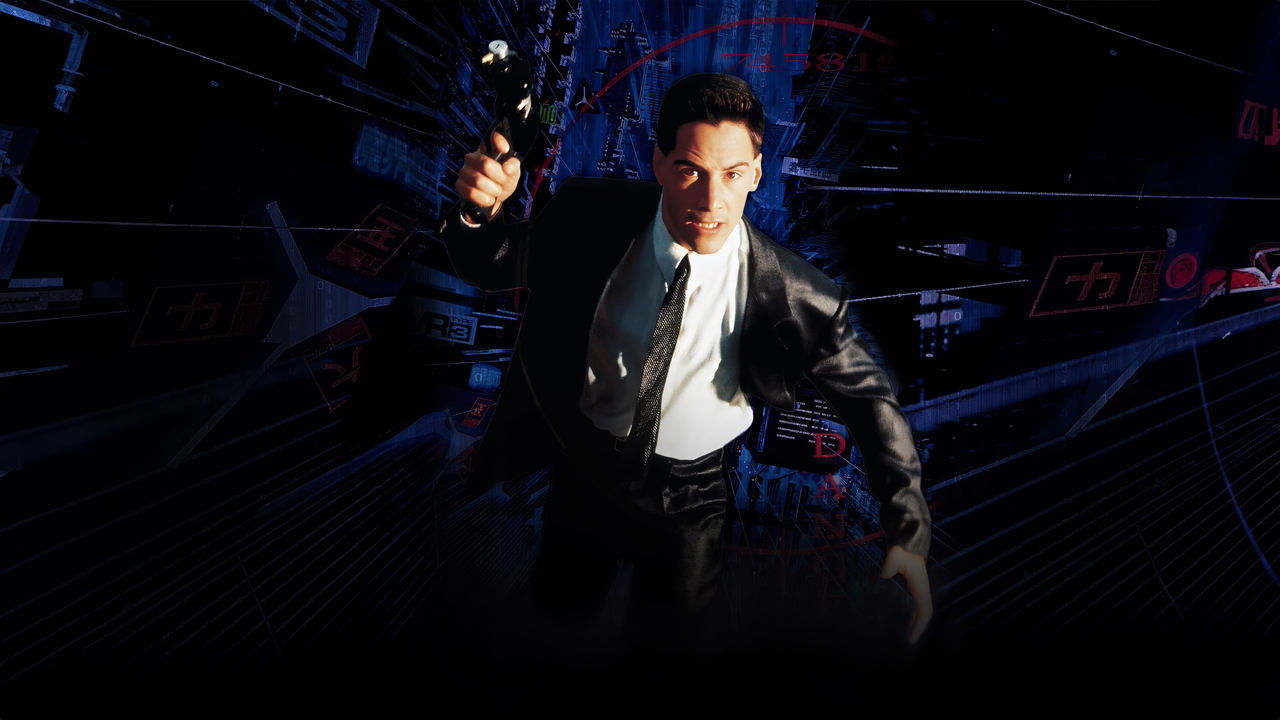
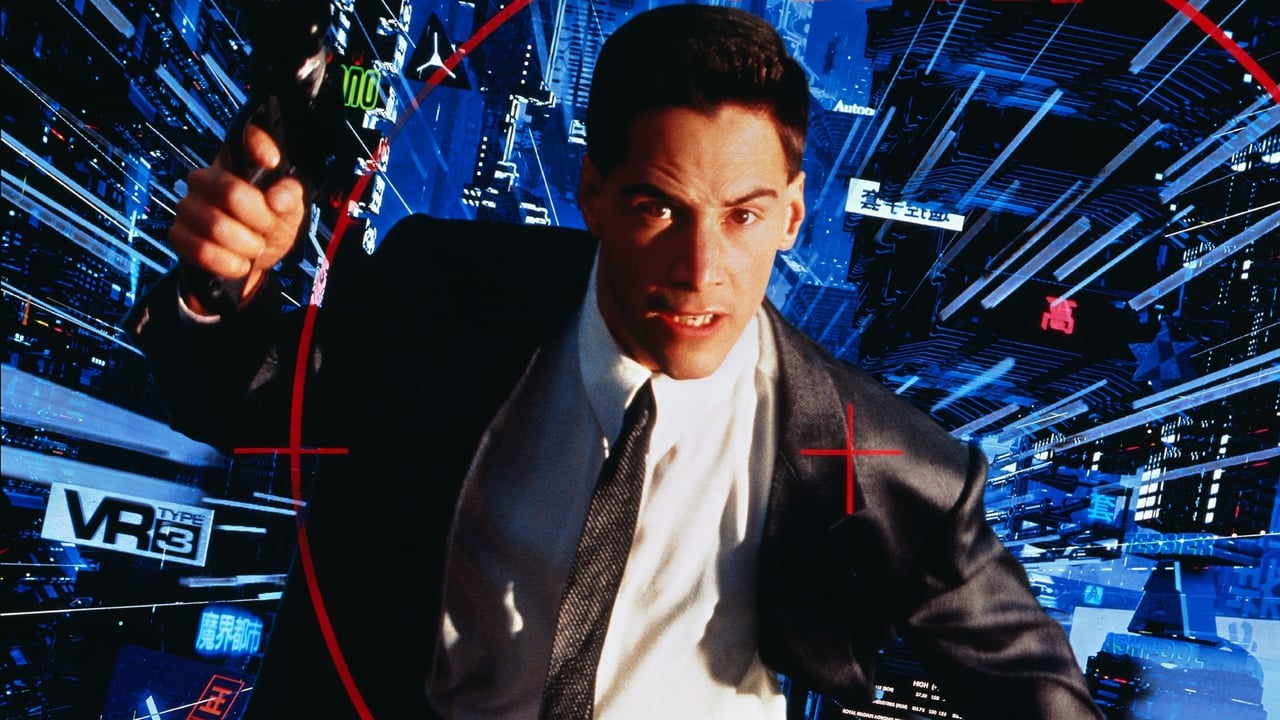
When Keanu Reeves stepped into the sharp suits of Johnny, he wasn't yet the "Chosen One." He was halfway between the stoner charm of Bill & Ted and the stoic intensity of The Matrix. In Johnny Mnemonic, he plays a data courier who takes on a "load" of 320GB—an amount that supposedly threatens to melt his brain. It’s a wonderful example of how quickly tech-centric sci-fi ages. Keanu Reeves’ performance here is essentially a dial-up modem trying to process a high-speed world, full of frantic shouting and awkward physical comedy.
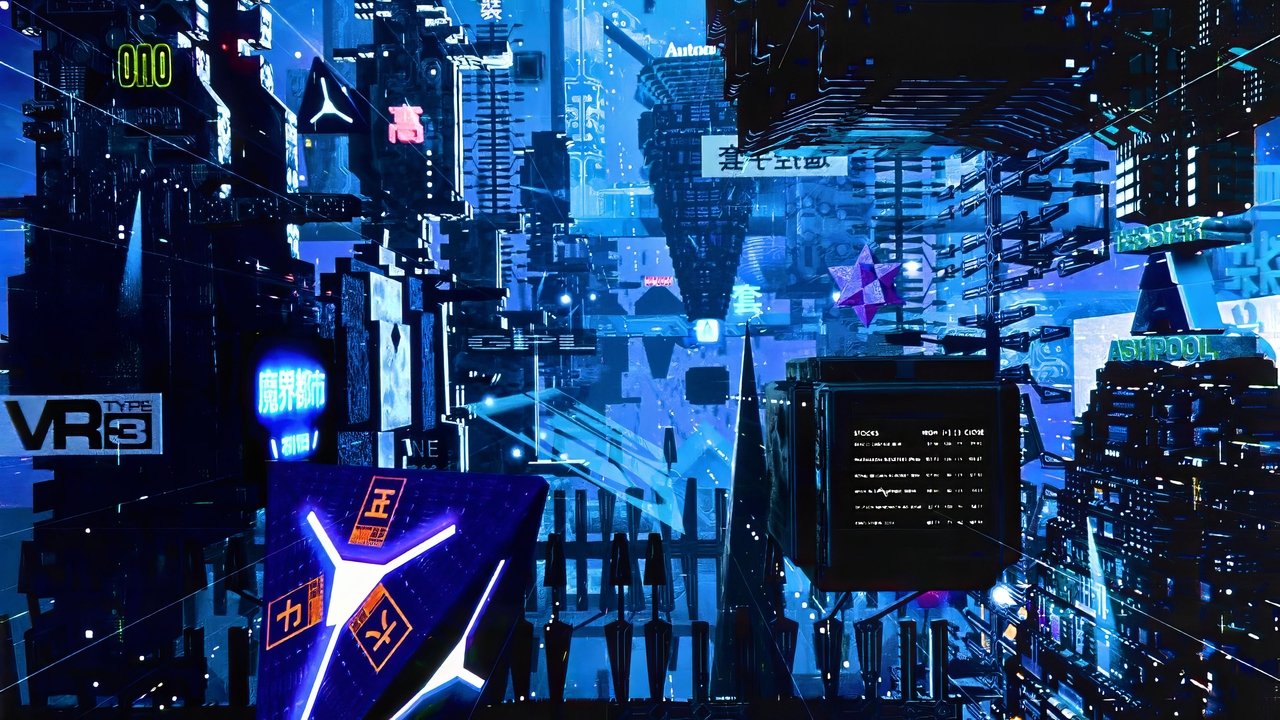
The film was directed by fine-art photographer Robert Longo and written by the high priest of cyberpunk himself, William Gibson. You can feel the struggle between their artistic, noir-inspired vision and the studio's demand for a generic mid-90s action blockbuster. The result is a movie that feels like it’s vibrating. The sets are gorgeous examples of "Lo-Tek" junk-pile aesthetics—all scavenged monitors and exposed wiring—which stand in stark contrast to the early CGI sequences. Those "internet" scenes, where Johnny wears a VR headset and power-gloves to navigate a geometric landscape, look like a fever dream from a Sega Saturn developer. They haven’t "aged well" in a technical sense, but they are incredibly charming as a time capsule of how we thought the internet would feel: a physical place you could get lost in.
A Cast From Every Corner of the VHS Aisle
One of the greatest joys of revisiting Johnny Mnemonic is the "Wait, they’re in this?" factor. The casting is a bizarre, glorious mish-mash that could only happen in the mid-90s. You have Dina Meyer as Jane, a bodyguard with a flickering nervous system who brings much-needed groundedness to the chaos. Then there's Takeshi Kitano (billed as "Beat" Takeshi), a legend of Japanese cinema, who brings a quiet, soulful gravity to the role of a corporate executive. Seeing him share screen time with Ice-T—who plays J-Bone, the leader of a group of anti-tech rebels living in a bridge—is the kind of cross-cultural collision that makes 90s genre cinema so unpredictable.
But the real scene-stealer, for better or worse, is Dolph Lundgren. Playing a character called the "Street Preacher," he is a messianic, cybernetically-enhanced assassin who looks like he wandered off the set of a heavy metal music video. Lundgren is chewing so much scenery that it’s a wonder there was any set left for the finale. It’s campy, it’s ridiculous, and it’s exactly the kind of energy the movie needs when the plot starts to sag under the weight of its own jargon.
The Digital Ghost in the Analog Machine
From an action standpoint, the film is a fascinating mess. The choreography doesn't have the "gun-fu" precision that would later define Keanu Reeves' career. Instead, it’s a series of desperate scrambles, featuring Denis Akiyama as a lethal Yakuza assassin with a laser-wire thumb that remains one of the coolest (and most terrifying) sci-fi weapons of the decade. The practical effects work—specifically the "nerve attenuation" makeup and the industrial grime of the Newark bridge—holds up far better than the digital wizardry.
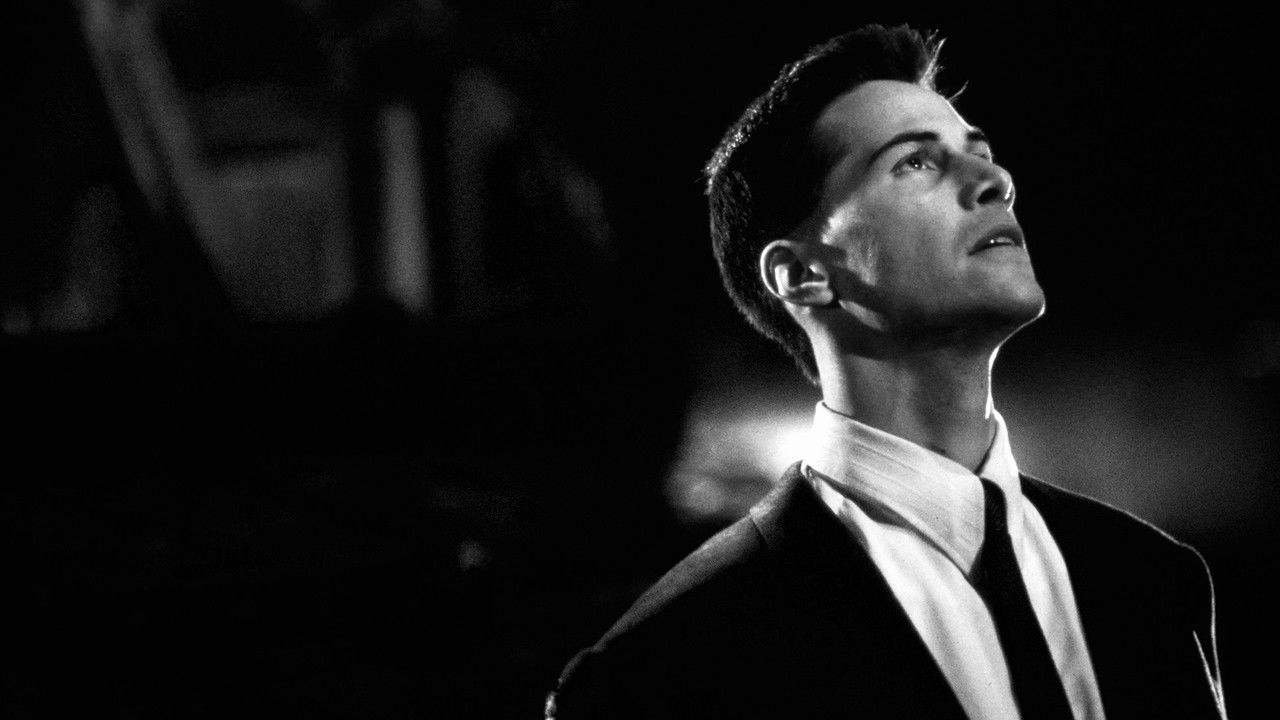
Behind the scenes, the production was famously troubled. Longo originally envisioned a black-and-white, small-scale noir, but TriStar Pictures pushed for a high-octane summer hit. You can see the scars of this tug-of-war in the editing; the pacing is relentless, but the character beats often feel like they were left on the cutting room floor to make room for more explosions. It’s an "obscure" film now mostly because it was eclipsed by The Matrix just four years later, which took the same "jacked-in" themes and polished them to a mirror sheen. Yet, Johnny Mnemonic has more "soul" in its messy, junk-yard heart than many of the sterile, CGI-heavy blockbusters that followed it in the 2000s.
Johnny Mnemonic is the ultimate "flawed curiosity." It’s a movie that predicted the dominance of corporate data and the ubiquity of the internet, even if it thought we’d be accessing it through giant, clunky goggles. It’s worth a watch for the sheer audacity of its world-building and the chance to see a pre-superstar Keanu shouting about wanting "room service." It might not be a masterpiece, but it’s a loud, proud, and wonderfully weird artifact of a time when the digital frontier was still a place of mystery and danger. If you can forgive the dated graphics, there’s a prophetic, gritty thrill here that still manages to upload some genuine fun into your brain.
Keep Exploring...
-
Teenage Mutant Ninja Turtles II: The Secret of the Ooze
1991
-

The Rocketeer
1991
-
Bill & Ted's Bogus Journey
1991
-
Escape from L.A.
1996
-

The Postman
1997
-
The Saint
1997
-

Star Trek: Insurrection
1998
-

Mystery Men
1999
-
Titan A.E.
2000
-
Star Trek: Nemesis
2002
-
Chain Reaction
1996
-
The Matrix Revolutions
2003
-
RoboCop 2
1990
-
Teenage Mutant Ninja Turtles
1990
-
Star Trek: Generations
1994
-
Small Soldiers
1998
-

Final Fantasy: The Spirits Within
2001
-
Osmosis Jones
2001
-

Paycheck
2003
-
Timeline
2003