Jumanji
"The board game that bites back."
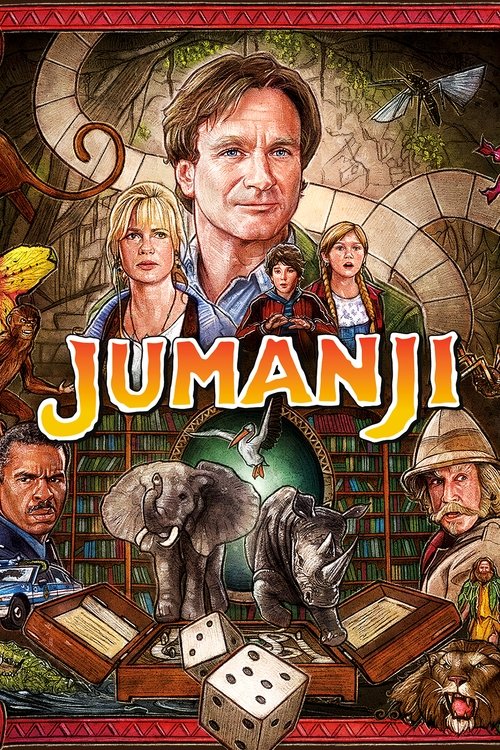
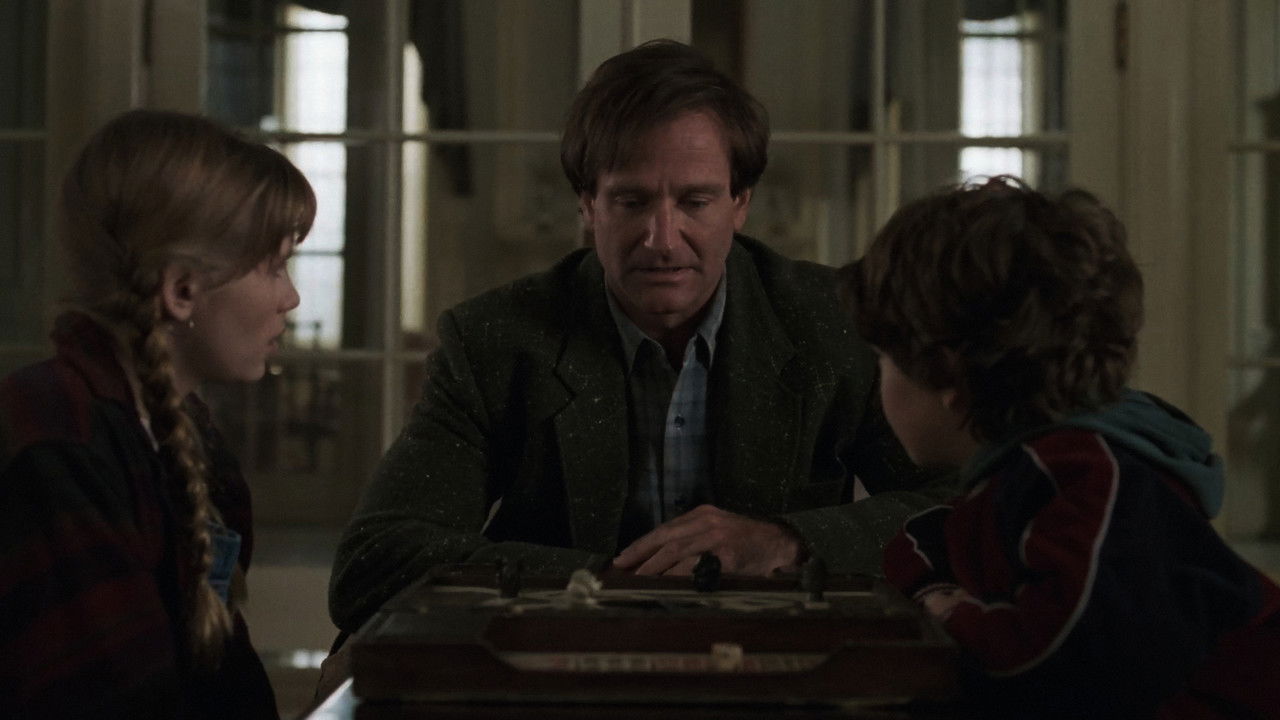
There is a specific, primal sound that haunted the sleep of every child in 1995: the rhythmic, distant thumping of those Jumanji drums. It wasn't just a sound effect; it was a promise of impending domestic chaos. Long before we were worried about digital avatars or "levels" in the Dwayne Johnson sequels, Jumanji was a movie about the terrifying physical invasion of the fantastical into the mundane. It’s a film where the floor becomes quicksand and your library becomes a monsoon-drenched graveyard, all because you had the audacity to want to play a board game on a rainy afternoon.
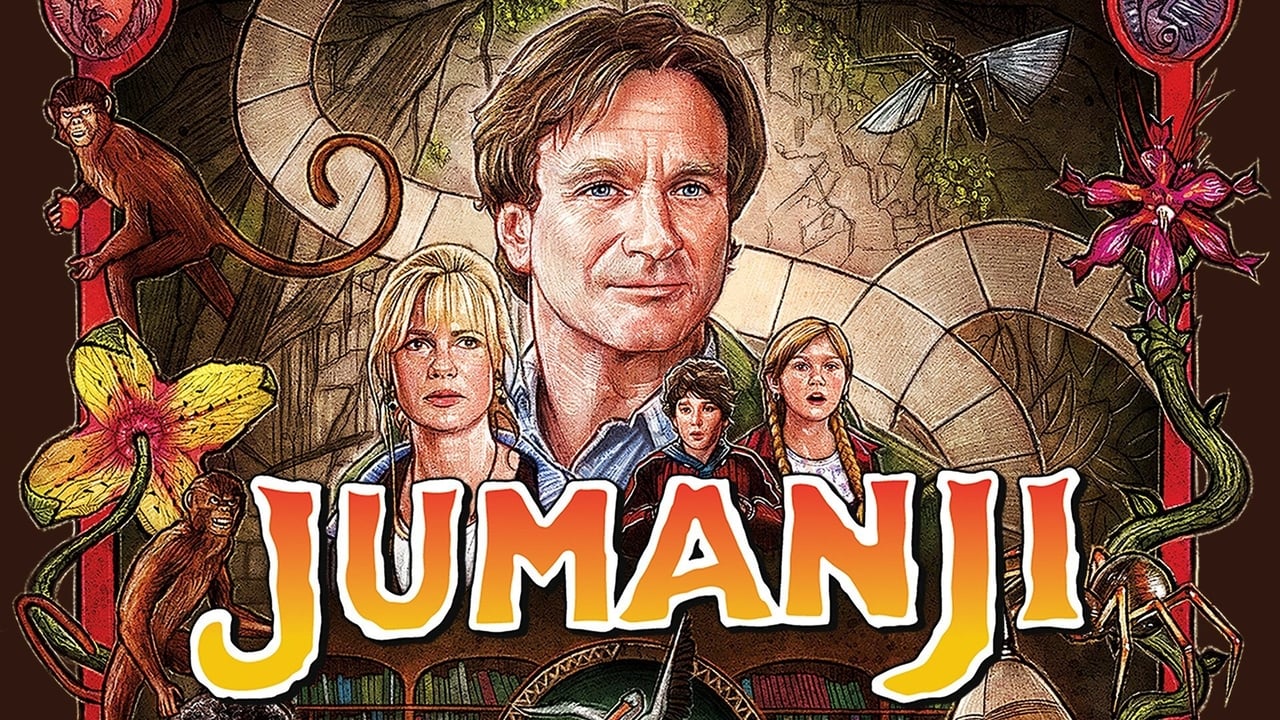
I recently rewatched this while struggling to assemble a very complicated Swedish bookshelf, and honestly, I’d rather face a pack of CGI monkeys than another cam-lock nut. There’s something about the tactile nature of the original Jumanji—the wooden box, the sliding tokens, the glowing green center—that makes the threat feel so much more intimate than the sleek, video-game logic of modern blockbusters.
The Man Who Came Out of the Walls
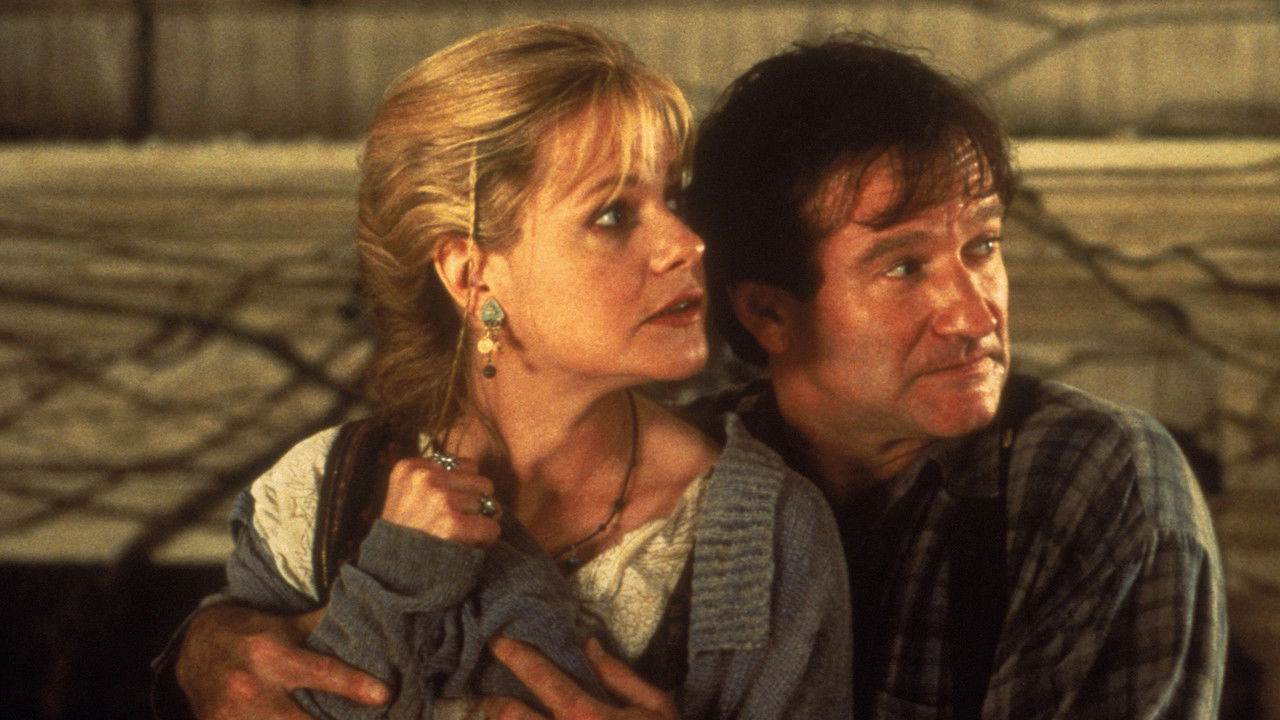
At the heart of the storm is Robin Williams. Coming off the back-to-back successes of Mrs. Doubtfire and Aladdin, audiences might have expected 104 minutes of rapid-fire impressions. Instead, Williams gives us Alan Parrish, a man who has been emotionally and physically stunted by twenty-six years in a jungle dimension. He’s feral, twitchy, and profoundly sad. It’s a grounded performance that anchors the more ridiculous elements of the plot. When he reunites with Bonnie Hunt (who provides a masterclass in the "confused but game" archetype she’d later perfect in Jerry Maguire), the movie finds its soul.
The kids, played by a young Kirsten Dunst (who had just come from Interview with the Vampire) and Bradley Pierce, hold their own remarkably well. They aren't just there to be rescued; they are the catalysts. Dunst, even at twelve, had a cynical edge that made her feel like a real kid dealing with an absurd situation, rather than a polished child actor hitting marks.
The CGI Revolution’s Awkward Adolescence
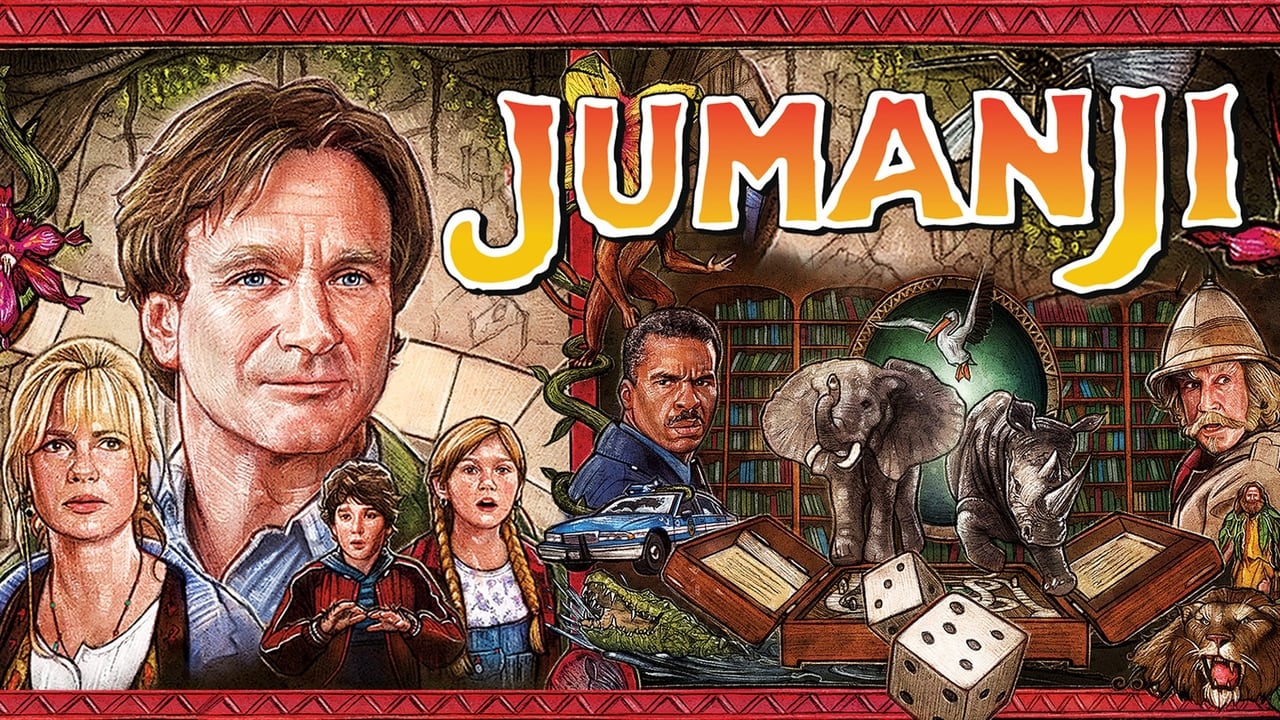
Looking back, Jumanji is a fascinating time capsule of the "Post-Jurassic Park" era. Directed by Joe Johnston—the man who gave us the retro-cool of The Rocketeer and would later helm Captain America: The First Avenger—the film was a massive swing for Industrial Light & Magic. This was the mid-90s push to see if computers could handle hair and fur.
The results are, to put it mildly, a mixed bag. The lion still looks surprisingly formidable, mostly because Johnston knows how to hide the digital seams in shadows. However, the monkeys look like they were rendered on a haunted microwave. They have that uncanny, weightless floatiness that plagued early CGI. But here’s the thing: in the context of a magical board game, the "wrongness" of the effects actually works. It adds to the fever-dream atmosphere. If a monkey comes out of a board game, why should it look like something on National Geographic? It should look a little bit like a glitch in reality.
The practical effects, however, are where the movie truly shines. The animatronic spiders and the massive, snapping crocodile provide a tactile grit that digital effects still struggle to replicate. When the Parrish mansion is being torn apart, it feels like actual wood splintering, not just pixels dissolving.
Subverting the Family Adventure
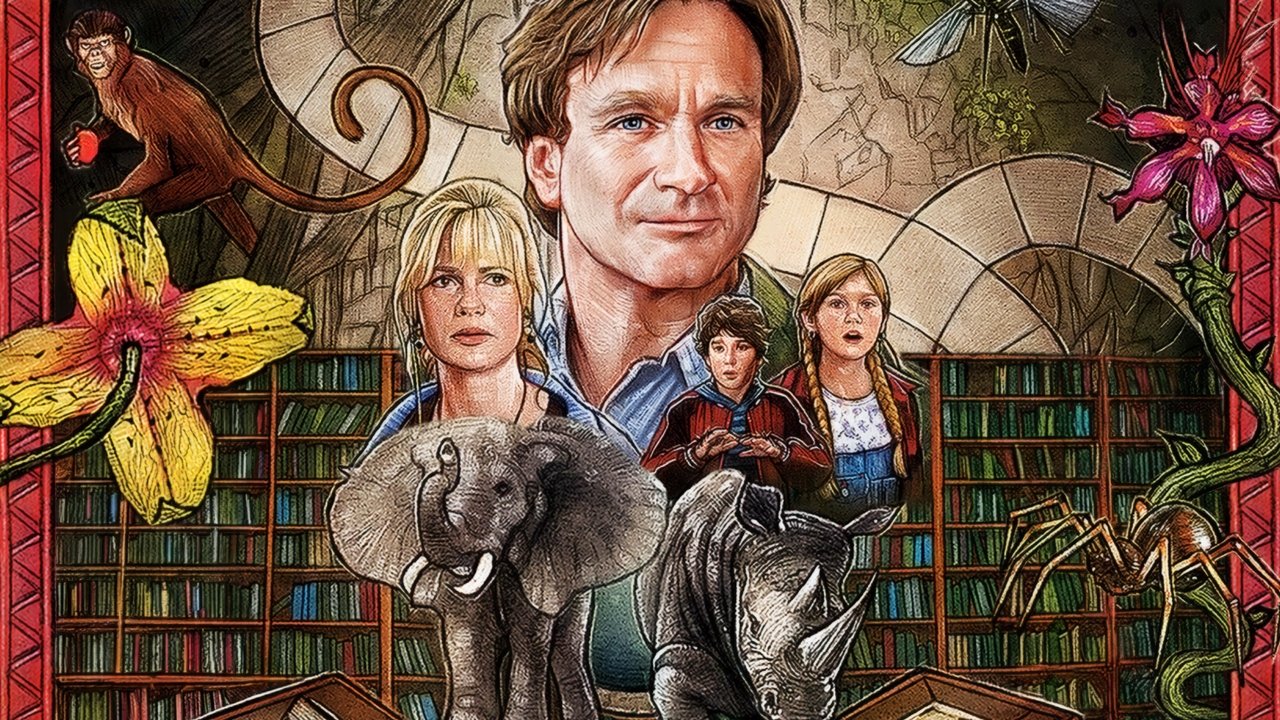
What often gets lost in the nostalgia is how genuinely dark Jumanji is. The central villain isn’t just a hunter; he’s a psychological manifestation. Jonathan Hyde pulls double duty here, playing both Alan’s stern, distant father in 1969 and the relentless hunter Van Pelt in the game. It’s a brilliant bit of casting—the man Alan is most afraid of disappointing literally becomes the man trying to kill him with a blunderbuss.
The film was a juggernaut, raking in over $260 million against a $65 million budget. It wasn't just a hit; it was a cultural event. I remember the tie-in board games (which were nowhere near as cool as the movie version) and the animated series that followed. It captured a Y2K-adjacent anxiety about technology and hidden worlds, but packaged it in a way that felt like a classic Amblin adventure. It’s a film that respects the fact that children like to be a little bit scared.
Jumanji remains one of the high-water marks of the 90s adventure boom. While the digital fur has aged into a blurry mess, the pacing, the performances, and the sheer imagination of the set pieces keep it remarkably fresh. It’s a reminder that before franchises were "universes," they were just really great ideas that made you look twice at the dusty boxes in your attic. If you hear drums this weekend, don't ignore them—just make sure you're ready to roll a five or an eight.
Keep Exploring...
-
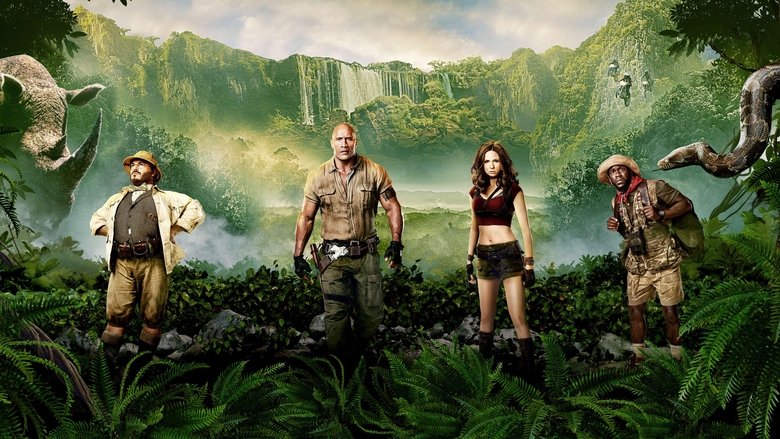
Jumanji: Welcome to the Jungle
2017
-
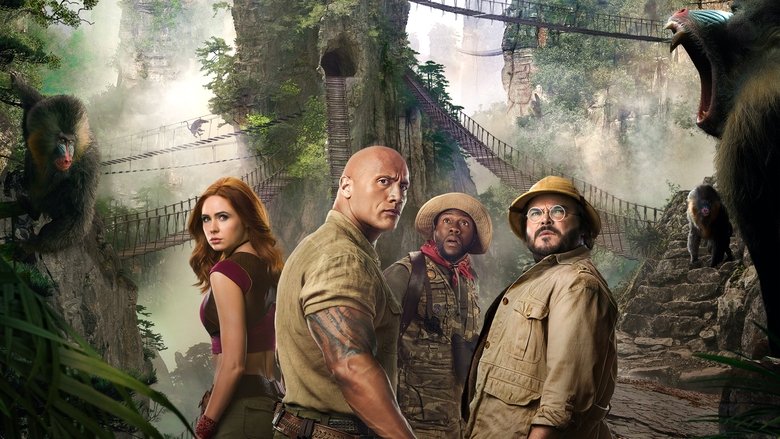
Jumanji: The Next Level
2019
-
Hook
1991
-

The Rocketeer
1991
-

Aladdin
1992
-
Anastasia
1997
-
Shrek
2001
-
Shrek 2
2004
-
Charlie and the Chocolate Factory
2005
-
The Chronicles of Narnia: The Lion, the Witch and the Wardrobe
2005
-

Night at the Museum
2006
-
Shrek the Third
2007
-
Horton Hears a Who!
2008
-
Alice in Wonderland
2010
-
How to Train Your Dragon
2010
-
Shrek Forever After
2010
-

Puss in Boots
2011
-

Frozen
2013
-
How to Train Your Dragon 2
2014
-
Maleficent
2014