Kids
"A grainy, sweating postcard from a lost New York."
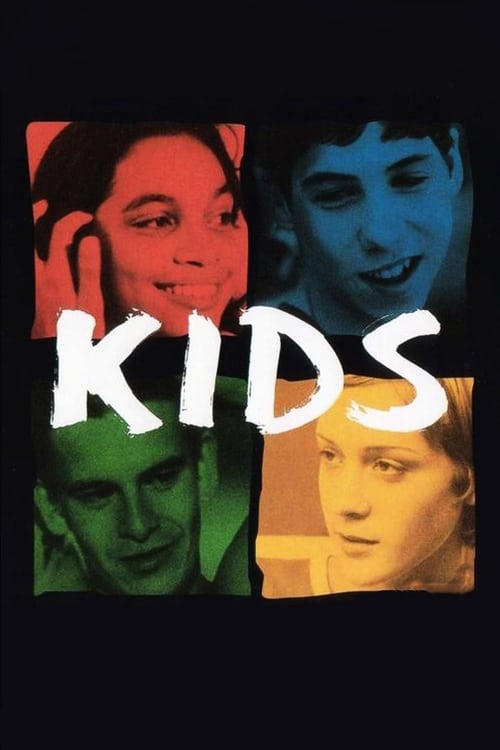
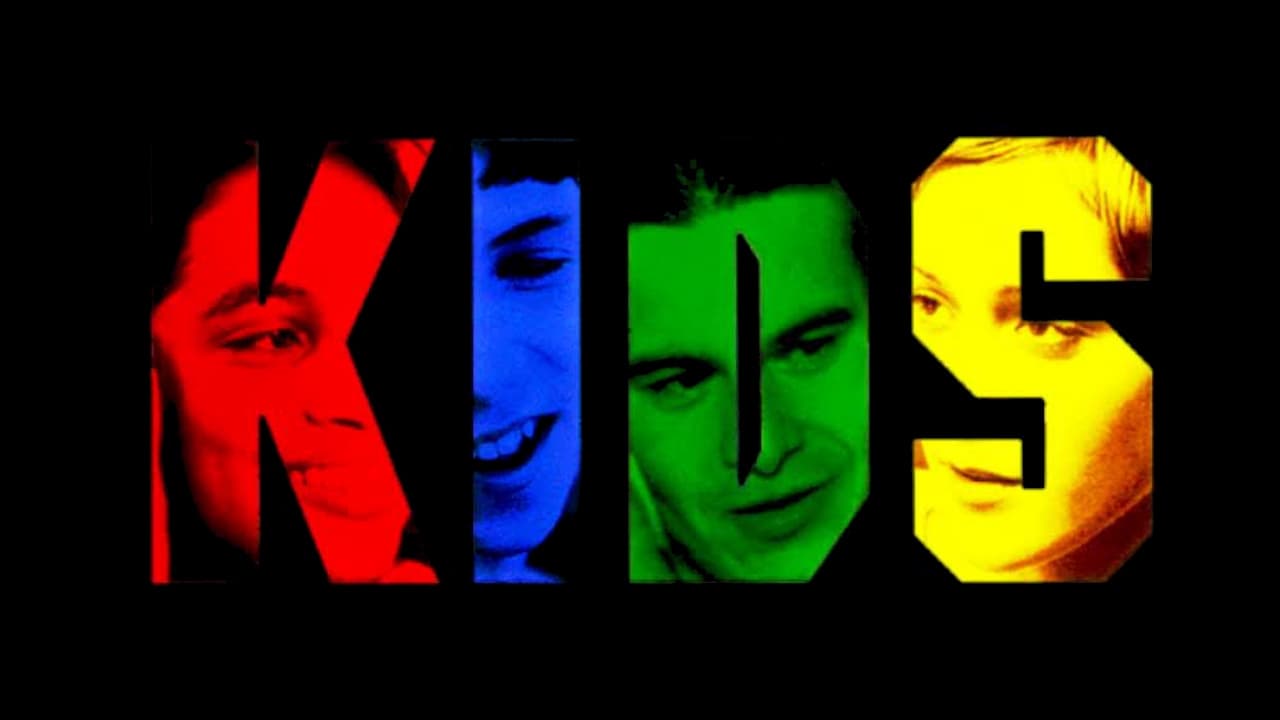
In 1995, if you walked into a theater to see Kids, it felt less like a night at the movies and more like you were participating in a suburban parent’s worst nightmare. There was this pervasive sense that you were watching something you weren't supposed to see—a cursed VHS tape smuggled out of a basement in the East Village. It didn't have the polished sheen of the "Sundance hits" that were starting to dominate the mid-90s indie scene. Instead, it felt like a home movie shot by someone who had forgotten that consequences existed.
I recently rewatched this on my laptop while eating a lukewarm bowl of leftover pad thai that was definitely two days past its prime, and the slight burn in my throat weirdly matched the acidic, uncomfortable vibe of the film. Even decades later, Kids hasn't lost its ability to make you want to take a long, hot shower.
The Street-Level Reality
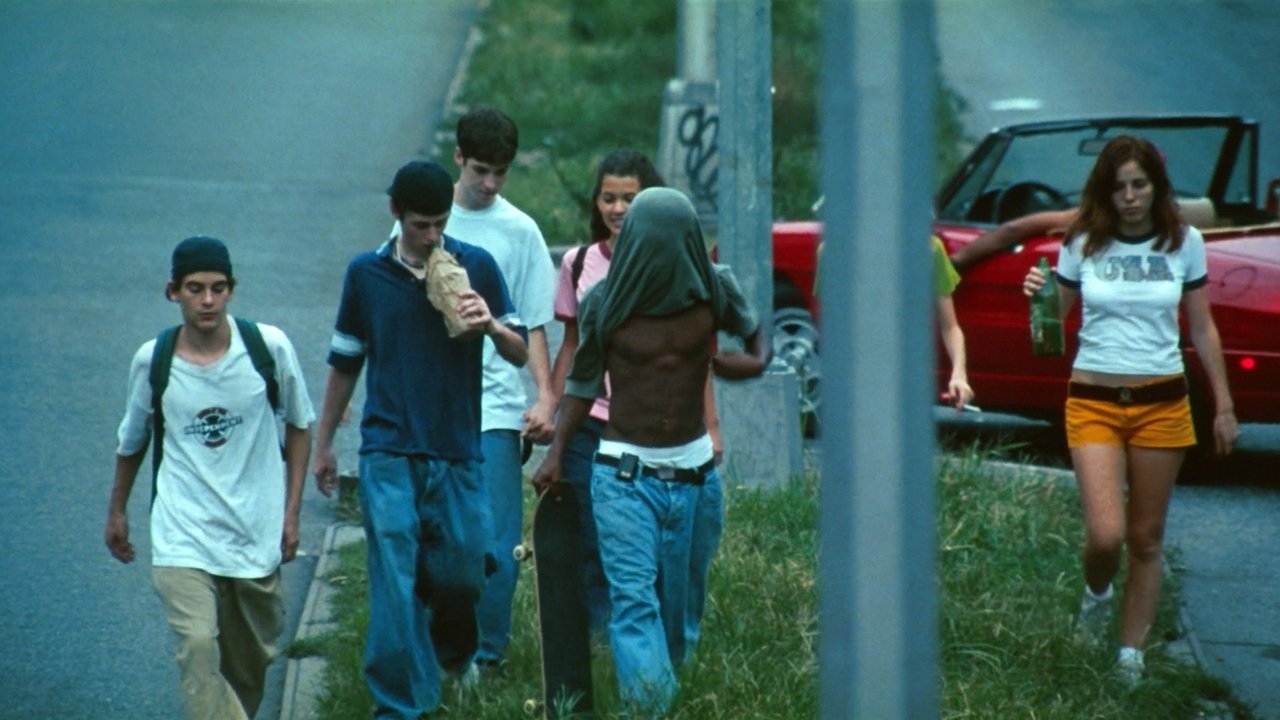
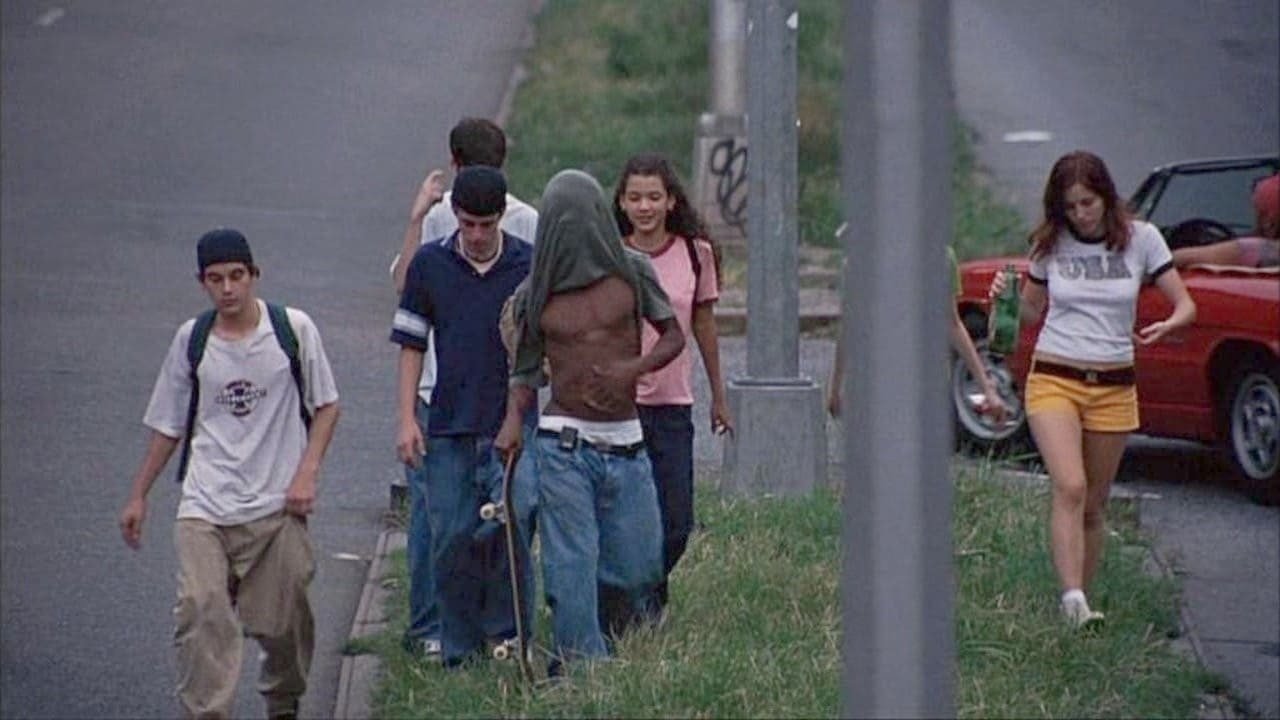
Directed by photographer Larry Clark and written by a then-teenage Harmony Korine, the film follows twenty-four hours in the lives of a group of New York City skaters. There isn't much of a plot in the traditional sense. Leo Fitzpatrick plays Telly, a predator who prides himself on "deflowering" virgins, while his chaotic friend Casper (Justin Pierce) mostly looks for the next high. Meanwhile, Jennie (Chloë Sevigny) discovers she’s HIV-positive after her only sexual encounter and spends the day frantically trying to find Telly before he can infect anyone else.
The film's power comes from its deceptive naturalism. Clark used 16mm film to give it a grainy, documentary-style look that makes the bright sun of a New York summer feel oppressive and sticky. It’s a snapshot of a city that doesn't exist anymore—pre-gentrification, pre-Giuliani "cleanup," where Washington Square Park was a lawless living room for anyone with a board and a backpack. Looking back, it’s essentially the most effective, terrifying birth control ever committed to celluloid.
Casting the Chaos
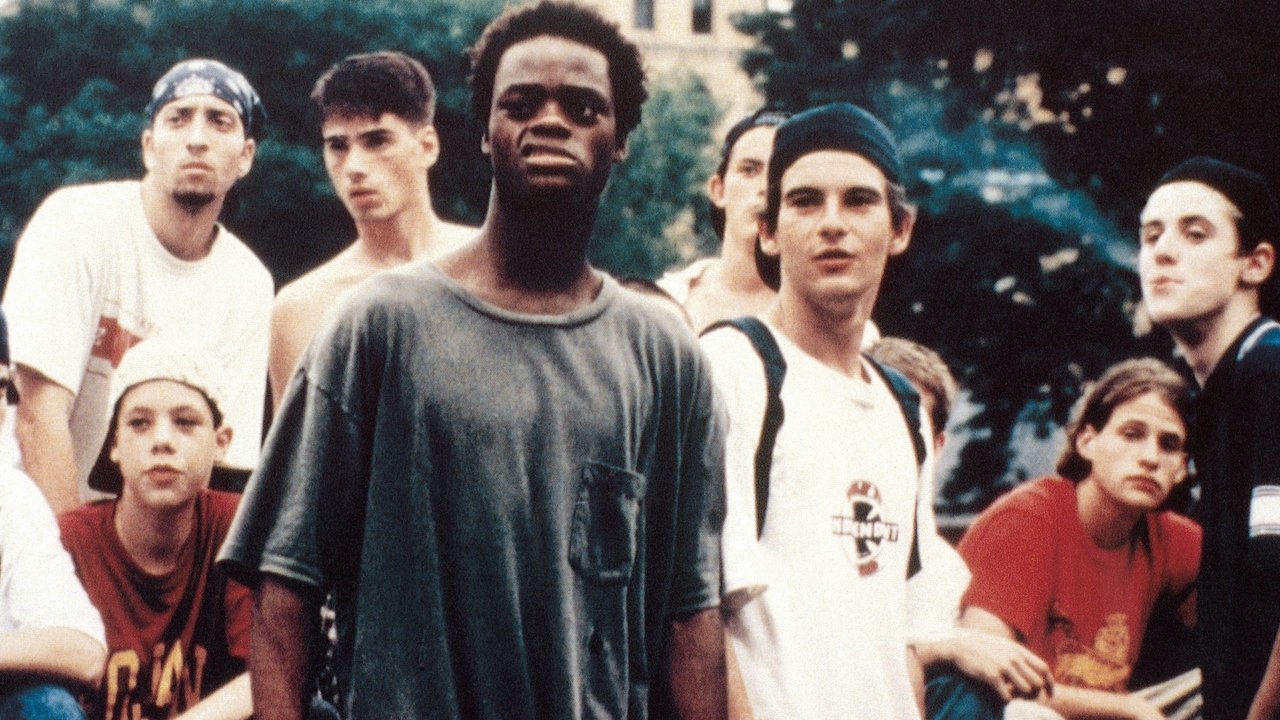
What separates Kids from other "youth in peril" dramas of the era is the cast. These weren't 25-year-old actors playing teens; they were actual kids recruited from the local skate scene. Leo Fitzpatrick brings a chilling, hollow-eyed blankness to Telly that makes him feel like a genuine sociopath rather than a movie villain. On the flip side, the late Justin Pierce is a ball of manic, tragic energy as Casper. He’s the kind of guy you knew in high school who was hilarious for ten minutes and exhausting for the next five hours.
Then there are the debuts of Chloë Sevigny and Rosario Dawson. Even in this gritty, low-budget environment, their star power is blinding. Sevigny, in particular, anchors the film’s moral weight. As she wanders through the city in a daze, the camera lingers on her face, catching the exact moment when the invincibility of youth curdles into the reality of mortality. Watching a young Rosario Dawson as Ruby, you can already see the charismatic powerhouse she would become, even while she's just sitting on a bed talking about boys in a way that feels dangerously unscripted.
The Controversy and the Legacy
When Kids premiered at Sundance and later Cannes, it ignited a firestorm. Miramax, then owned by Disney, couldn't release an NC-17 film without causing a corporate heart attack, so Harvey Weinstein famously created a "shell company" (Shining Excalibur Films) just to put it in theaters. Critics accused Clark of exploitation, while others hailed it as a wake-up call regarding the HIV/AIDS crisis among youth.
But how does it play now? In the age of Euphoria, the shock value of teens doing drugs and having sex has admittedly diminished. However, Kids still feels more "real" than its modern successors because it lacks the cinematic "glow-up." There are no glittery makeup transitions or perfectly curated soundtracks here (though the Lou Barlow-led score is a 90s lo-fi masterpiece). It’s just a raw, uncomfortable look at a generation that felt abandoned by the adults in their lives. The film doesn’t judge these kids, but it doesn't give them a hug either; it just watches them drown in real-time.
The production stories are the stuff of indie legend. The budget was a measly $1.5 million, and they shot in sequence to capture the escalating exhaustion of the cast. Many of the "extras" in the house party scenes were just random kids who showed up because they heard there was free beer. This lack of professional boundary is exactly what gives the film its lightning-in-a-bottle energy, even if it makes the viewing experience feel slightly voyeuristic.
Kids is a tough watch, and I can’t say I "enjoyed" it in the way I enjoy a blockbuster, but I couldn't look away. It’s a vital piece of 90s history that captured the intersection of the indie film boom and the peak of the AIDS anxiety. It’s a film about the terrifying freedom of having nowhere to be and no one to answer to. If you’ve never seen it, brace yourself—it’s a trip to New York you won’t soon forget, even if you wish you could.
Keep Exploring...
-
Bad Lieutenant
1992
-
The Basketball Diaries
1995
-
Bound
1996
-

Hard Eight
1997
-
Ghost Dog: The Way of the Samurai
1999
-
Boys Don't Cry
1999
-
Elephant
2003
-
Felon
2008
-

Blood and Bone
2009
-

Fanboys
2009
-
Undisputed III: Redemption
2010
-
Robot & Frank
2012
-
American Psycho
2000
-
The Hole
2001
-
Irreversible
2002
-
This Is England
2007
-
Bronson
2009
-

The Girl Who Played with Fire
2009
-
Four Lions
2010
-
Leviathan
2014