La Haine
"The ground is coming for us all."
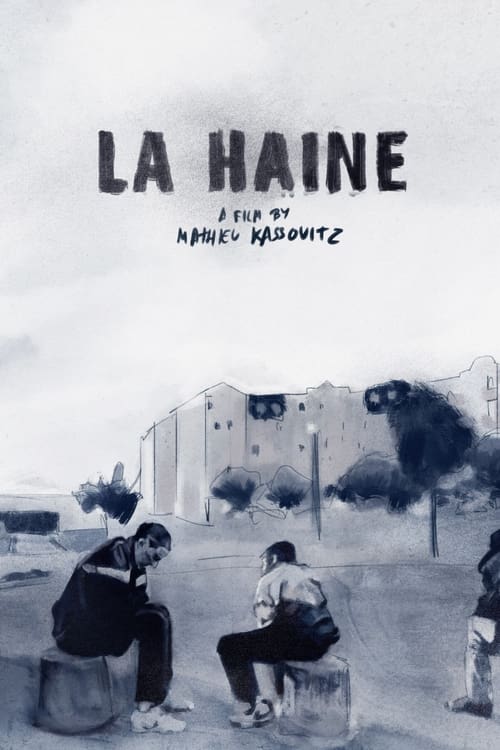
The first time I saw La Haine, I was sitting in a cramped dorm room, hunched over a laptop screen, eating a bowl of cereal that had long since turned into a sugary sludge. I mention the cereal because, by the time the credits rolled on Mathieu Kassovitz’s 1995 masterpiece, I realized I hadn't taken a single bite in over an hour. My spoon was just hovering there, paralyzed by the sheer, ticking-clock anxiety of it all.
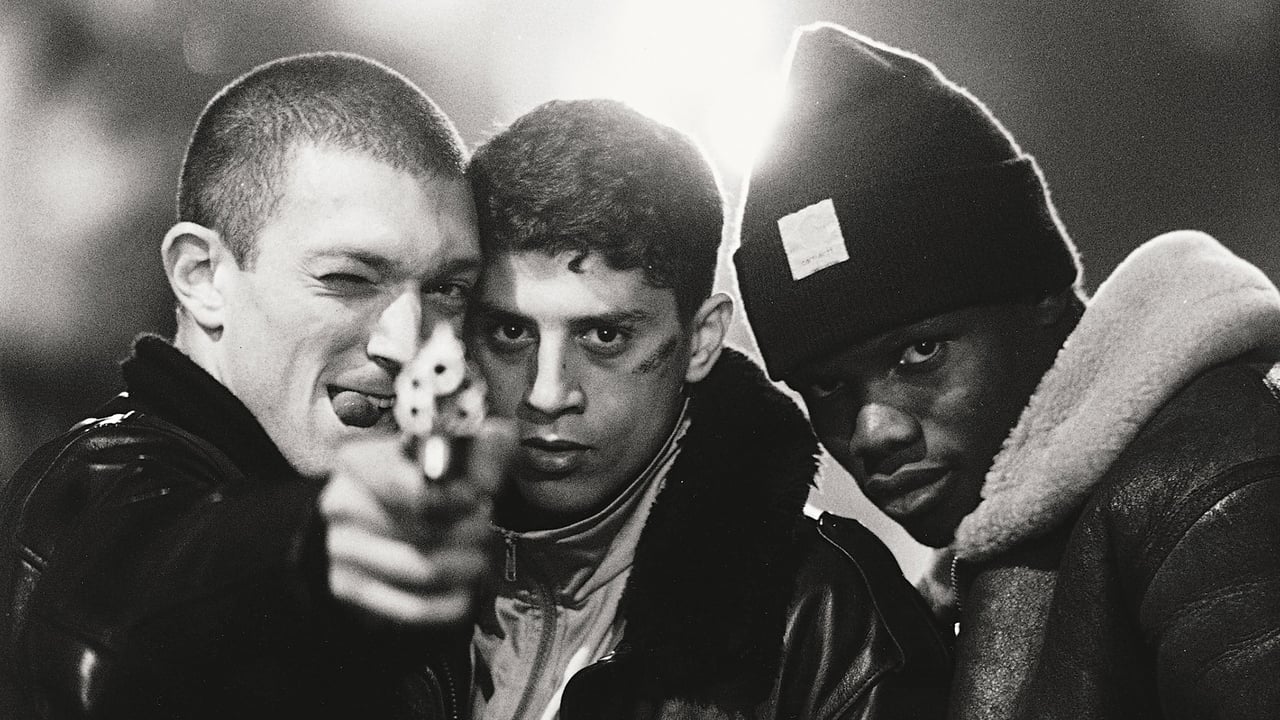
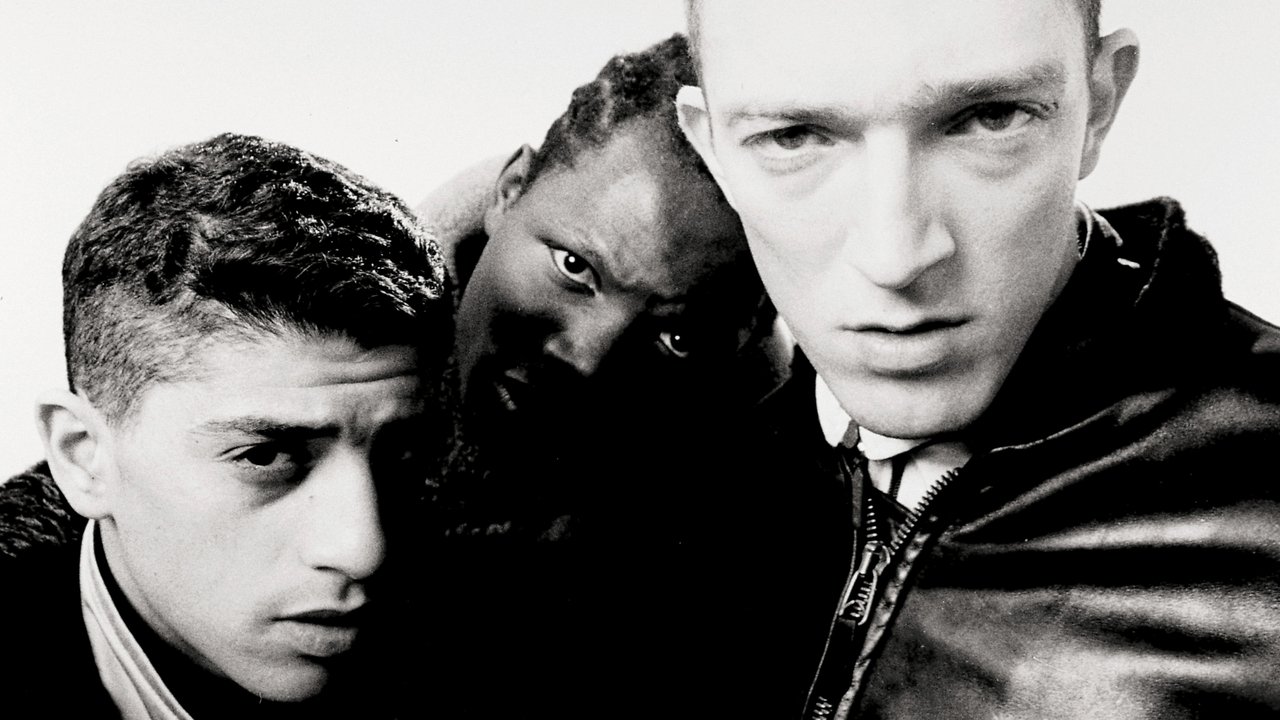
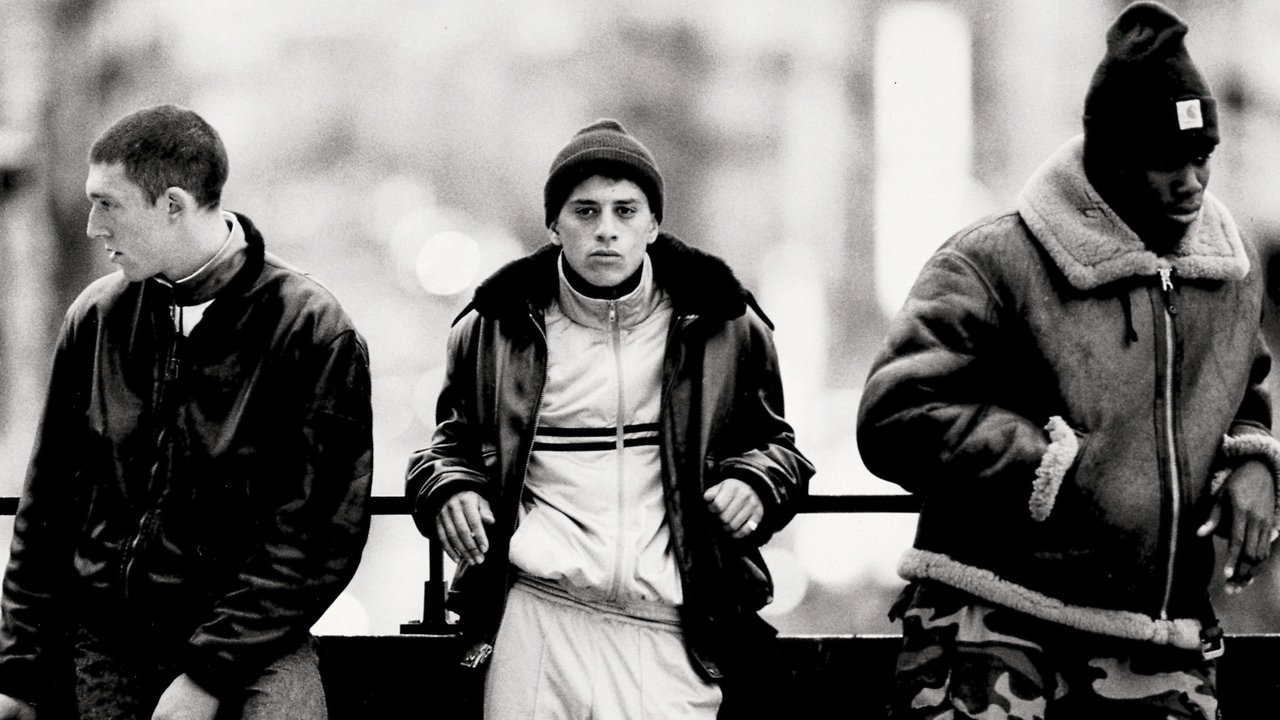
Even now, nearly thirty years later, La Haine (The Hate) hasn't lost a single volt of its electricity. It’s a film about three friends—a Jew, an Arab, and an African—wandering through the concrete labyrinth of a Parisian housing project (the banlieue) the day after a massive riot. But really, it’s a film about gravity. It’s about the brief, delusional window of time where you’re falling through the air and telling yourself, "So far, so good."
The Beautiful, Bleak Geometry of Boredom
Most "hood movies" of the 90s relied on the flash of gunfire and the melodrama of the drug trade. La Haine is far more terrifying because it focuses on the agonizing boredom that breeds the violence. We follow Vinz, Hubert, and Saïd as they kill time. They argue about whether a guy in a cartoon looks like a friend; they get kicked out of an art gallery; they stand on rooftops looking at a city that doesn't want them.
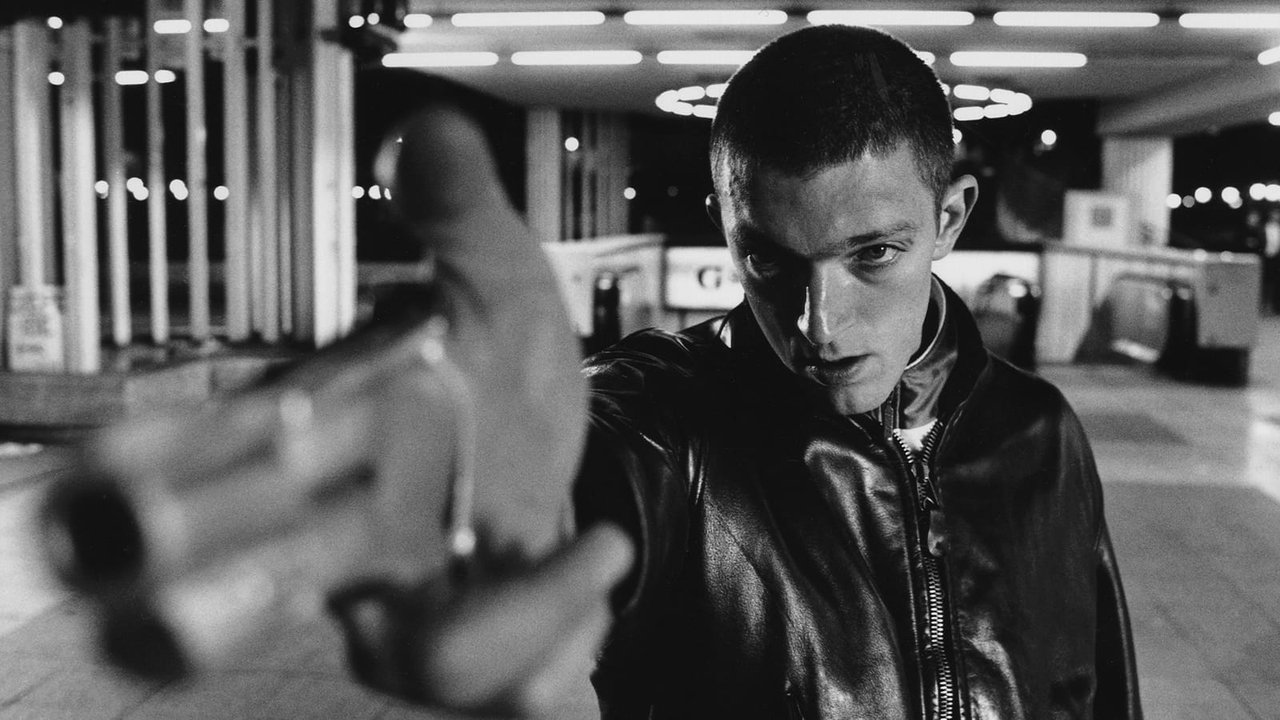
The decision by Kassovitz and cinematographer Pierre Aïm to shoot in stark, high-contrast black and white was a stroke of genius. In 1995, we were seeing the early bloom of flashy, neon digital aesthetics, but this film looked back toward the French New Wave while feeling more "now" than anything on MTV. The B&W strips away the romance of Paris. There are no croissants here—only gray concrete and the cold metallic sheen of a lost police revolver. Vinz is basically a French Travis Bickle with better sneakers and a much shorter fuse.
The performances are legendary. Vincent Cassel became an international star here, and for good reason. As Vinz, he’s a walking nerve ending, practicing his "Are you talking to me?" mirror routine with a frightening, youthful intensity. But the soul of the film belongs to Hubert Koundé as Hubert. He’s the boxer who wants to outrun the hate, the one who realizes that burning down a gym doesn't help you breathe any easier. Saïd Taghmaoui rounds out the trio as Saïd, the fast-talking mediator who provides the film’s few moments of levity.
A Masterclass in Tension and Trivia
What’s fascinating about the legacy of La Haine is how much it actually rattled the French establishment. Looking back at the production, it’s clear this wasn't just a movie; it was a cultural intervention.
Political Shockwaves: The film was so impactful that the then-French Prime Minister, Alain Juppé, commissioned a special screening for his entire cabinet. Apparently, the police officers guarding the event turned their backs in protest during the screening. The Cannes Coronation: A 27-year-old Mathieu Kassovitz won the Best Director award at Cannes for this. He showed up to the ceremony in casual clothes, looking like he’d just stepped off the set, which felt like a perfect "middle finger" to the high-society glitz of the festival. Immersive Prep: To get the performances right, the three lead actors lived in the Chanteloup-les-Vignes housing project for two months before filming began. They weren't just "acting" poor; they were absorbing the specific, rhythmic slang and the simmering resentment of the locals. The "Flying" Camera: That famous shot where the camera soars over the housing projects wasn't done with a high-tech drone (those didn't exist in '95). They used a remote-controlled miniature helicopter that was notoriously difficult to fly. It gives the film a God’s-eye view of a place God seems to have forgotten.
The Philosophy of the Fall
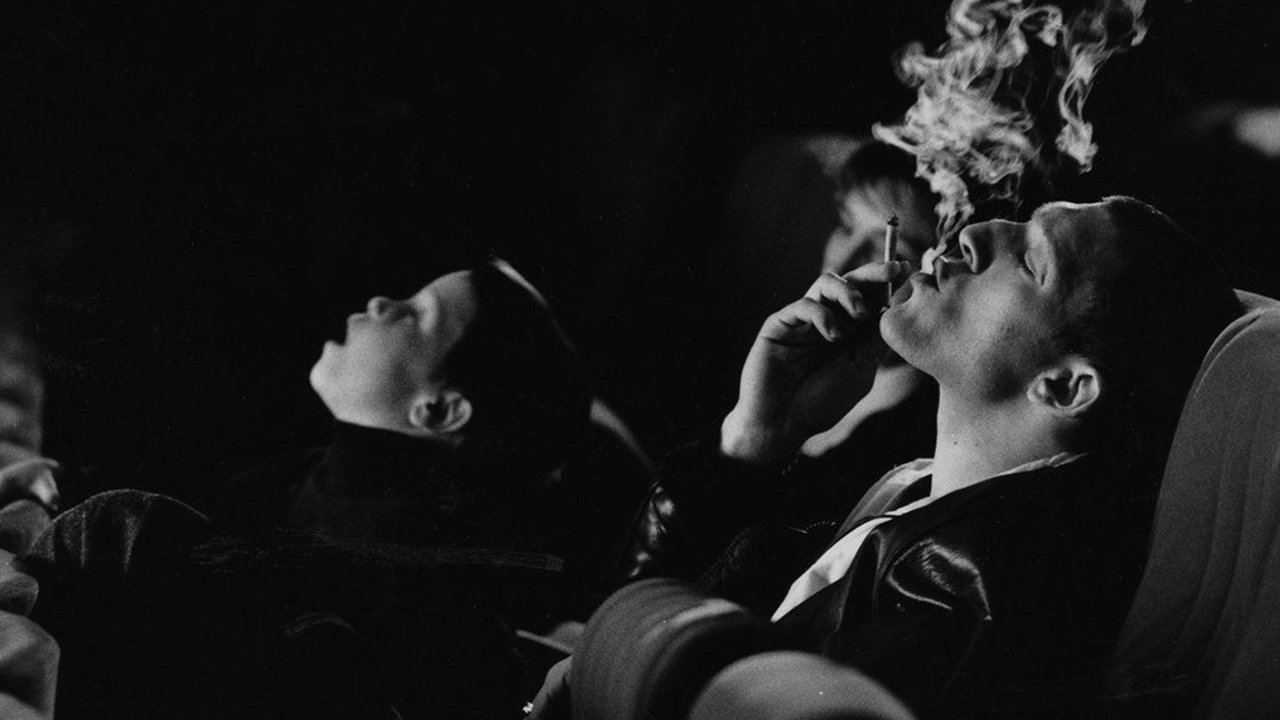
Philosophically, the film handles its "cerebral" weight with a light touch. It constantly returns to the story of the man falling from a skyscraper. As he passes each floor, he says, "So far, so good... so far, so good."
It’s a perfect metaphor for the social anxieties of the mid-90s—and honestly, the 2020s too. We see the trio trying to maintain their dignity in a world that views them as a collective "problem" to be managed. There’s a scene where they encounter an old man in a public restroom who tells them a story about a friend who froze to death because he was too proud to hold onto a train. It’s weird, haunting, and seemingly unrelated to the plot—yet it perfectly captures the film’s theme: the lethal cost of pride and the tragic momentum of "the fall."
I’ve always felt that La Haine is the ultimate "The Day After" movie. It isn't about the riot itself; it’s about the toxic hangover. It’s about the realization that once the smoke clears, the gun is still loaded, and the clock is still ticking. I once tried to replicate Saïd's "flipping the lights" trick with my bedroom switch and almost broke the socket—it's a reminder that the magic of this film is in the style, but the heart of it is in the impending crash.
This is a film that demands to be seen, not because it’s "important" (though it is), but because it’s a masterclass in cinematic tension. It’s a tragedy that moves with the speed of a thriller. If you’ve never seen it, prepare yourself—the final thirty seconds are a permanent scar on the memory of anyone who has ever watched it. It’s not just a French classic; it’s one of the defining statements of 90s cinema.
Keep Exploring...
-
Before Sunrise
1995
-
In the Mood for Love
2000
-
Before Sunset
2004
-
Dances with Wolves
1990
-
Scent of a Woman
1992
-

Dilwale Dulhania Le Jayenge
1995
-
The Iron Giant
1999
-
The Hunt
2012
-
Night on Earth
1991
-
Three Colors: Blue
1993
-
The Postman
1994
-

Three Colors: Red
1994
-
Central Station
1998
-
The Celebration
1998
-
A Walk to Remember
2002
-

Pride & Prejudice
2005
-
Into the Wild
2007
-
There Will Be Blood
2007
-

Hachi: A Dog's Tale
2009
-
Mr. Nobody
2009