Leaving Las Vegas
"A neon-soaked toast to the end."
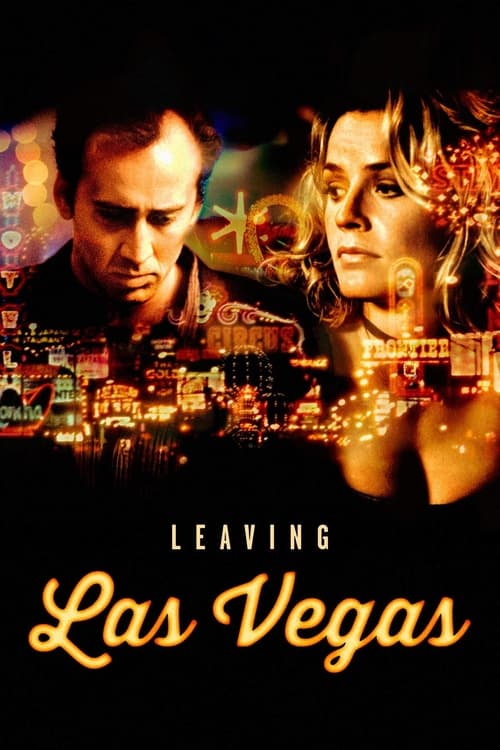
The first thing you notice about Leaving Las Vegas isn't the neon or the booze; it’s the grain. Not the grain of the desert, but the gritty, almost voyeuristic texture of 16mm film stock that makes the screen feel like it’s sweating. In an era where 1995 was leaning into the slick, big-budget gloss of GoldenEye or the revolutionary CGI of Toy Story, director Mike Figgis decided to go the opposite way. He grabbed a handheld camera, a few rolls of cheaper film, and a budget that wouldn't cover the catering on a Bond set, then headed into the Nevada night to film a suicide note.
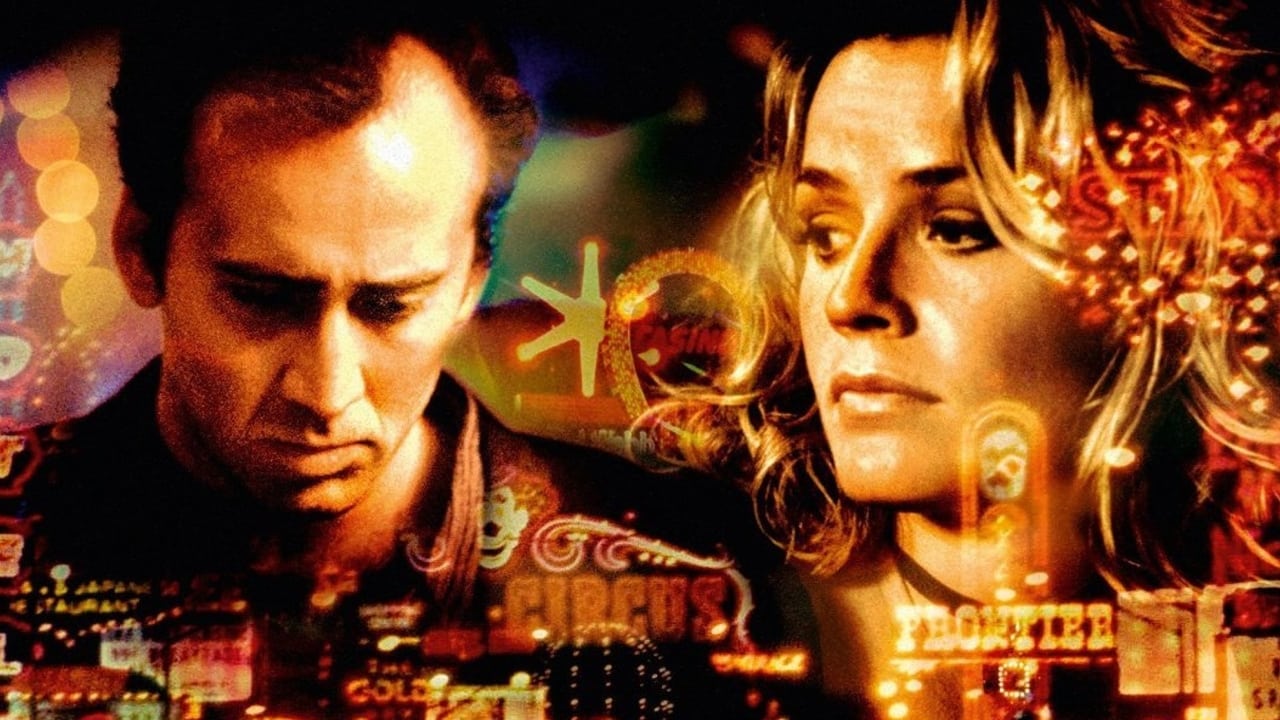
I recently rewatched this on a secondhand DVD I picked up for two dollars; the case smelled faintly of old peppermint, which was a bizarrely sweet contrast to the absolute wreckage happening on screen.
The Art of the Slow-Motion Car Crash
This is the ultimate "Indie Renaissance" film. In the mid-90s, the Sundance generation was proving that you didn't need a studio's permission to break hearts. Nicolas Cage plays Ben Sanderson, a man who has decided that his life’s final project is to drink himself to death in Las Vegas. It’s a premise that should be unwatchable, a relentless downward spiral into a bottle of cheap vodka. Yet, it’s strangely luminous.
Nicolas Cage famously won an Oscar for this, and looking back, it’s easy to see why. Before he became the internet's favorite meme for over-the-top eccentricity, he was capable of this: a performance that is both wildly physical and devastatingly quiet. His hands shake with a rhythmic terror that is more haunting than any jump-scare in a modern horror flick. He doesn't ask for your pity, and the movie doesn't offer him a redemption arc. It just offers us a front-row seat to his disappearance.
A Pact in the Neon Shadows

Then there’s Elisabeth Shue. Before this, she was mostly known as the "girl next door" from The Karate Kid or Adventures in Babysitting. Here, as the prostitute Sera, she provides the film’s bruised heart. The "non-interference pact" her character makes with Ben—she won't ask him to stop drinking, and he won't ask her to stop turning tricks—is one of the most honest and agonizing romantic setups in cinema history. It’s a love story where the "I can fix him" trope goes to die.
Elisabeth Shue holds her own against Cage’s hurricane energy by being the anchor of reality. When they’re together, the film shifts from a character study into something more ethereal. It’s helped immensely by the score, which Mike Figgis composed himself. It’s full of melancholic jazz and lonely trumpets that make the Vegas strip look less like a playground and more like an underwater graveyard. It captures that specific 90s vibe of "cool gloom" that you just don't see in the hyper-saturated digital dramas of the 2020s.
Shooting Guerrilla in the City of Sin
What’s truly fascinating about the production is how it was actually made. Because they were shooting on 16mm with a skeleton crew, they didn't always have the permits you'd expect for a major production. They were essentially "guerrilla filmmaking" in the middle of the Strip. Those shots of Nicolas Cage wandering through crowds of real tourists? Those aren't extras. That’s a man actually losing his mind in a sea of people who have no idea they’re in a movie.
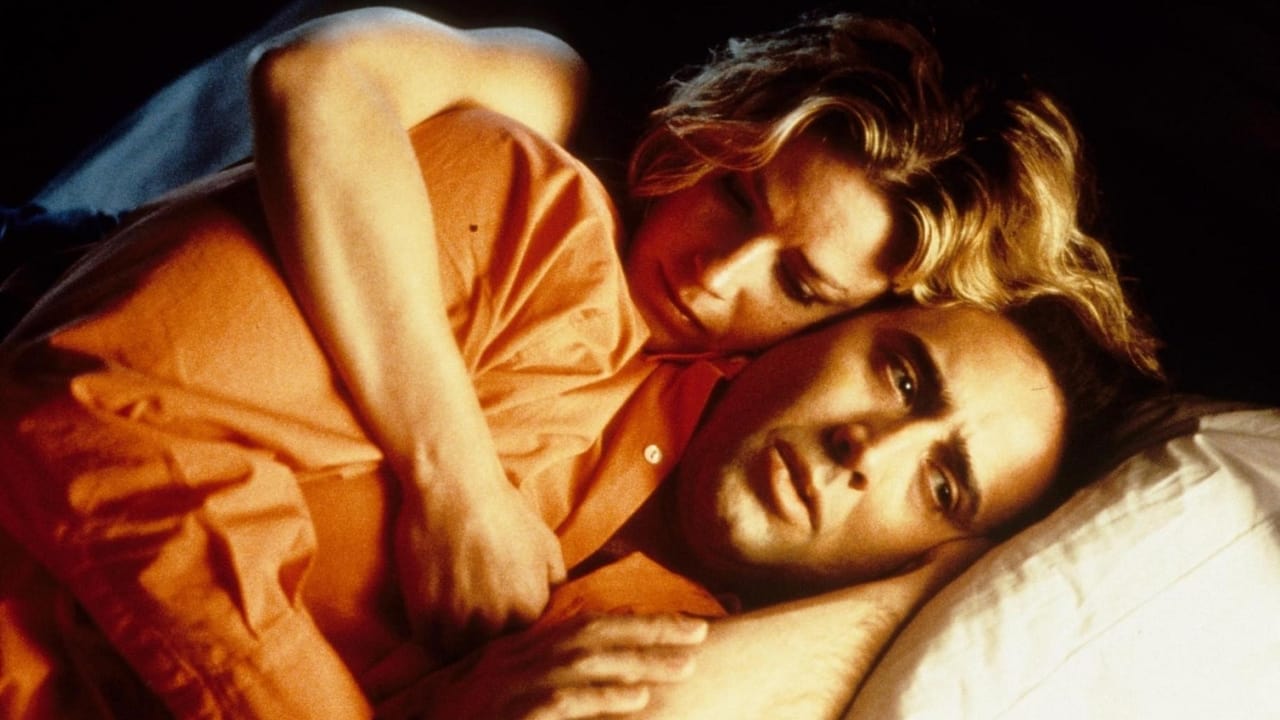
The film was shot in just four weeks, and that frantic, "get it before the sun comes up" energy is baked into every frame. It’s also worth noting the tragic irony behind the source material. The novel’s author, John O'Brien, died by suicide just weeks after the film was greenlit for production. That weight hangs over the movie; it isn't an academic exercise in sadness. It feels like a genuine transmission from a very dark place.
Looking back from a modern perspective, Leaving Las Vegas feels like a relic of a time when "adult dramas" were allowed to be uncompromisingly bleak and still find a massive audience. It made nearly $50 million on a $3.6 million budget. Today, a story like this would likely be buried on a streaming service with a "Moody" tag, but in 1995, it was a cultural event.
It isn't a "fun" watch in the traditional sense, but it is a vital one. It captures a specific moment in the 90s when independent cinema felt dangerous and raw, unpolished by the focus groups and franchise-building of the modern era. If you’ve only ever seen Nicolas Cage in his later "National Treasure" or "Longlegs" phases, you owe it to yourself to see the role that defined him. Just maybe keep some peppermint nearby to cut through the smell of the bourbon.
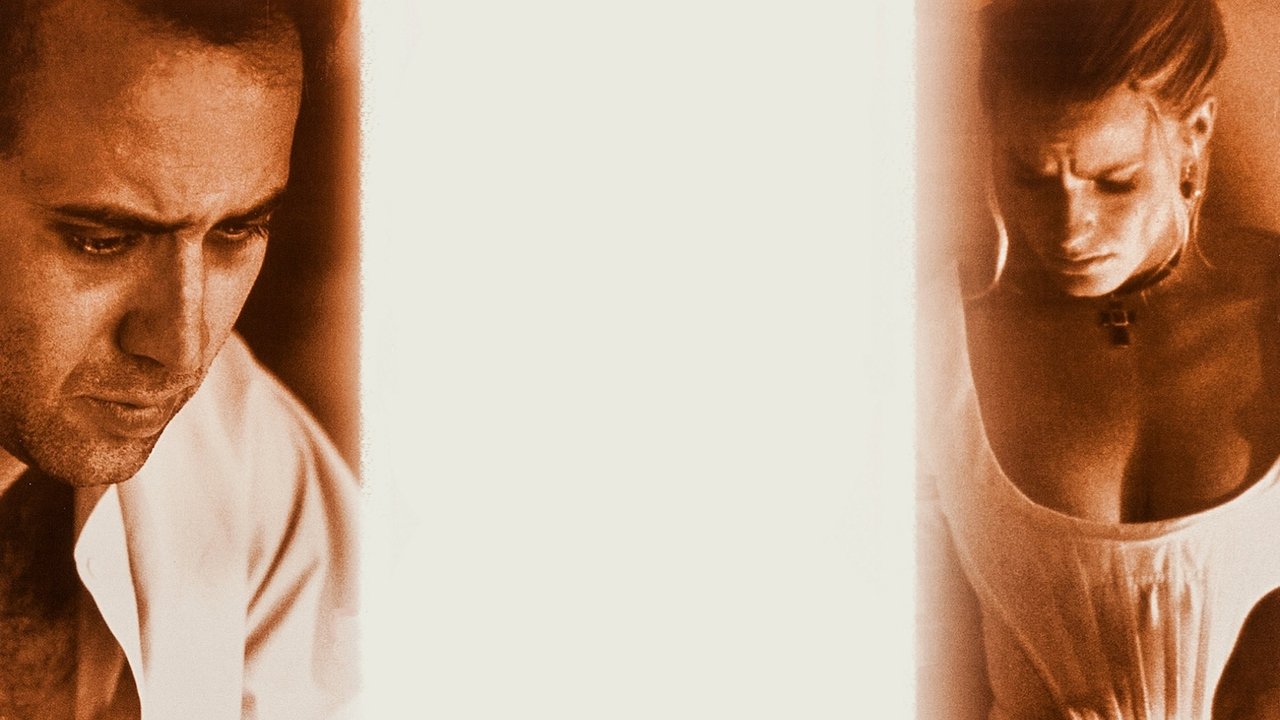
Keep Exploring...
-
Chasing Amy
1997
-
Buffalo '66
1998
-
It Could Happen to You
1994
-
City of Angels
1998
-
The Family Man
2000
-
Chungking Express
1994
-
The Postman
1994
-
Monster's Ball
2001
-
Secretary
2002
-

Garden State
2004
-

High School Musical
2006
-
Blue Valentine
2010
-

Beginners
2011
-

The First Time
2012
-
Before Midnight
2013
-
The Spectacular Now
2013
-
Joe
2014
-
Before Sunrise
1995
-

Bend It Like Beckham
2002
-
Imagine Me & You
2006