Major Payne
"Termination is the easy part. Childcare is war."
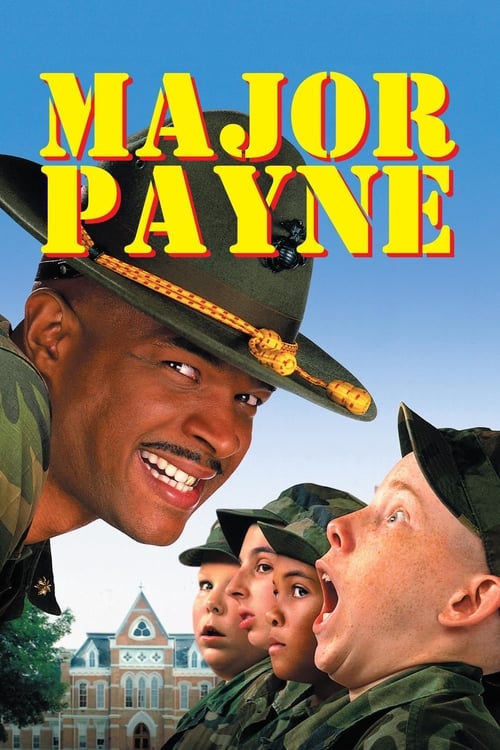
There is a specific, high-pitched squeak—a rhythmic, dental-sucking sound—that defined the mid-90s for a generation of kids who spent too much time in the "Comedy" section of their local Blockbuster. It’s a sound that belongs exclusively to Major Benson Winifred Payne. From the moment Damon Wayans marches onto the screen in his crisp Marine uniform, he isn't just playing a character; he’s inhabiting a cartoon character that somehow stumbled into a live-action world.
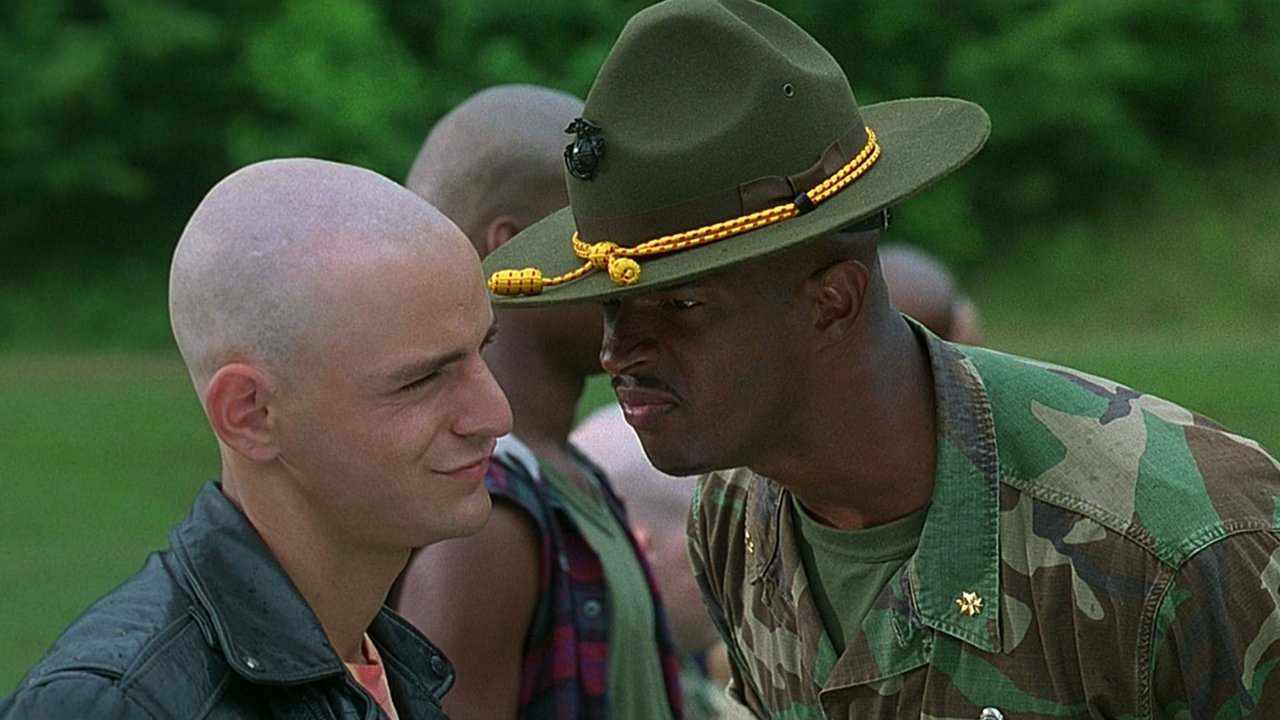
I watched this most recent viewing while trying to eat a bowl of cereal without clinking the spoon against the glass, a self-imposed stealth mission that felt oddly appropriate given the subject matter. It’s that kind of movie: it turns your brain into a playground for military tropes and slapstick absurdity.
The High-Pitched Art of War
Released in 1995, Major Payne arrived during that fascinating window where the Wayans family was effectively colonizing American comedy. Coming off the success of In Living Color, Damon Wayans could have played it safe. Instead, he chose to craft a protagonist who is essentially a slasher film villain who accidentally wandered into a Disney Channel original movie.
Payne is a "killin' machine" in a world that no longer has anyone for him to kill. His commanding officer, played with weary resignation by Albert Hall, shuffles him off to a JROTC program at Madison Preparatory School. The setup is pure 90s formula: the hard-nosed outsider forced to lead a group of "ragtag losers" (including a very young Orlando Brown as Tiger) to victory in a prestigious competition.
But what saves Major Payne from being a mere Kindergarten Cop clone is Damon Wayans' commitment to the bit. His performance is a symphony of weirdness. The voice—a clipped, nasal staccato—is a masterstroke of character design. It shouldn't work. It should be grating within ten minutes. Yet, through sheer charismatic force, Wayans makes it the funniest thing in every room he enters. He treats these middle-schoolers with the same lethal intensity he’d show a guerilla insurgent, and the juxtaposition is where the film finds its teeth.
A Remake in Camouflage
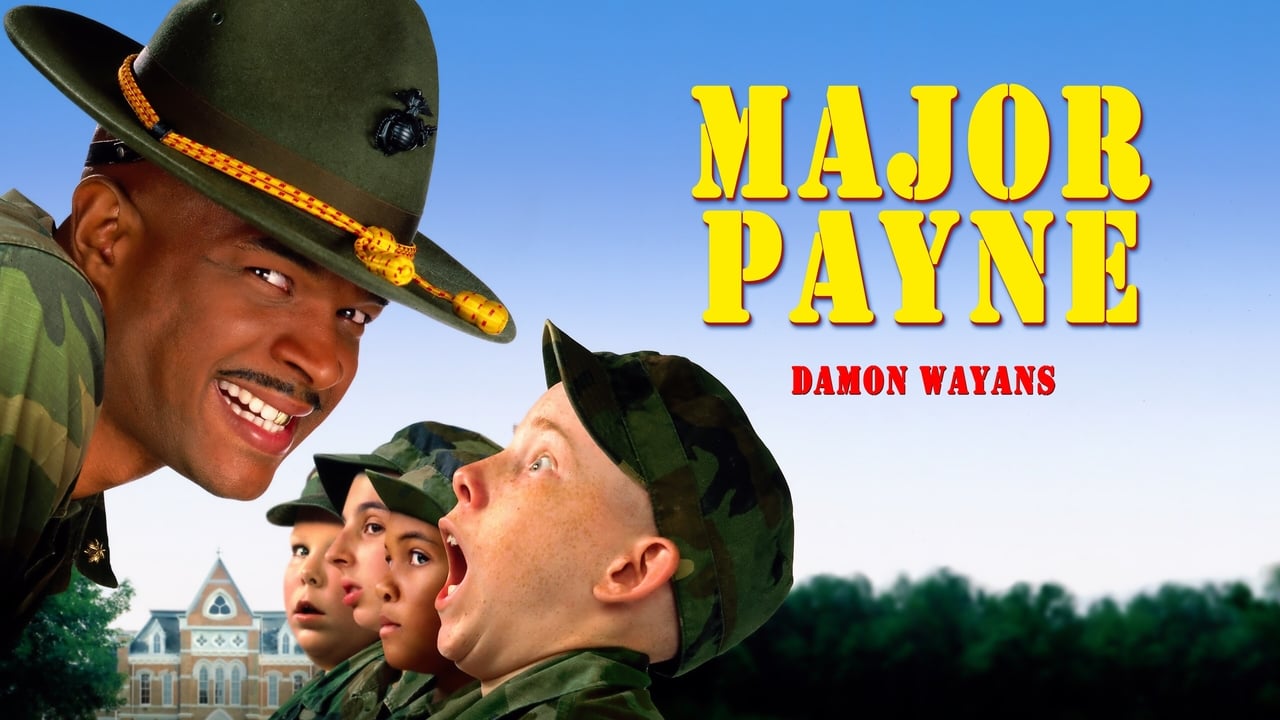
Looking back, it’s easy to forget that this was actually a loose remake of the 1955 Charlton Heston film The Private War of Major Benson. While the original was a lighthearted Technicolor romp, the 90s version injects a healthy dose of post-Cold War cynicism and Wayans-style edge. Directed by Nick Castle—who, in a delicious bit of trivia, was the original man behind the mask as Michael Myers in John Carpenter's Halloween—the film moves with a surprising briskness.
Castle understands that the "Adventure" in a film like this isn't about trekking through a jungle; it’s about the emotional journey of a man who thinks "feelings" are a symptom of a head wound. The production design is pure "90s prestige-lite"—all brick hallways, damp Virginia fields, and the kind of bright, flat lighting that defined Universal Pictures’ mid-budget comedies of the era.
The supporting cast does a lot of heavy lifting to ground the absurdity. Karyn Parsons (fresh off The Fresh Prince of Bel-Air) plays Emily Walburn, the school counselor who serves as the "Payne-whisperer." She’s tasked with the impossible job of making us believe a man who tries to "discipline" a six-year-old with a blindfolded obstacle course is a viable romantic lead. Meanwhile, Michael Ironside, usually the guy you call to play a terrifying mercenary (see Total Recall or Starship Troopers), shows up as Lt. Col. Stone to provide the necessary foil.
The "Little Engine" That Traumatized Us All
If you ask any 90s kid what they remember most about this movie, it’s not the plot or the JROTC competition. It’s the "Little Engine That Could" story. In a scene that perfectly encapsulates the film's dark-leaning humor, Payne tells a bedtime story to young Tiger. What starts as a classic children’s tale quickly devolves into a graphic, improvised war story involving "Charlie" in the tree line and a lot of gore.

It is quite possibly the most traumatizingly funny minute of film in the entire decade. It reveals the film’s true identity: it’s a comedy about PTSD that somehow got marketed to families. The 90s were a wild time where we collectively decided that military-grade psychological warfare was a great basis for a "family" adventure.
The film also captures a transition in cinema history. We are firmly in the pre-CGI-everything era. The "action" is practical, the stunts are grounded, and the comedy relies on physical timing rather than digital punchlines. It was a time when a mid-budget comedy could pull $30 million at the box office and live forever on home video. Major Payne was a VHS staple, the kind of movie you’d find in a "2 for $15" bin and realize you’d watched it fifteen times because it was the only thing on during a rainy Saturday afternoon.
Major Payne isn't high art, and it doesn't try to be. It’s a showcase for a comedian at the top of his game, taking a tired trope and injecting it with enough weird energy to make it feel fresh. While some of the jokes about "sensitivity" and gender dynamics definitely show their age (1995 was a different world, folks), the core of the film remains a weirdly charming underdog story. It’s a relic of an era when comedies felt more idiosyncratic and less polished, and for that alone, it’s worth a revisit.
If you’re looking for a dose of 90s nostalgia that comes with a side of drill sergeant screaming and a surprisingly catchy dance sequence, Major Payne still reports for duty. Just don't ask him to tell you a bedtime story unless you're prepared for the consequences. It’s a loud, silly, and occasionally mean-spirited journey that ultimately wins you over with its bizarre heart.
Keep Exploring...
-

DuckTales: The Movie - Treasure of the Lost Lamp
1990
-
Teenage Mutant Ninja Turtles II: The Secret of the Ooze
1991
-
Dennis the Menace
1993
-
Homeward Bound: The Incredible Journey
1993
-

The Swan Princess
1994
-
A Goofy Movie
1995
-
The Little Mermaid II: Return to the Sea
2000
-

Babe: Pig in the City
1998
-
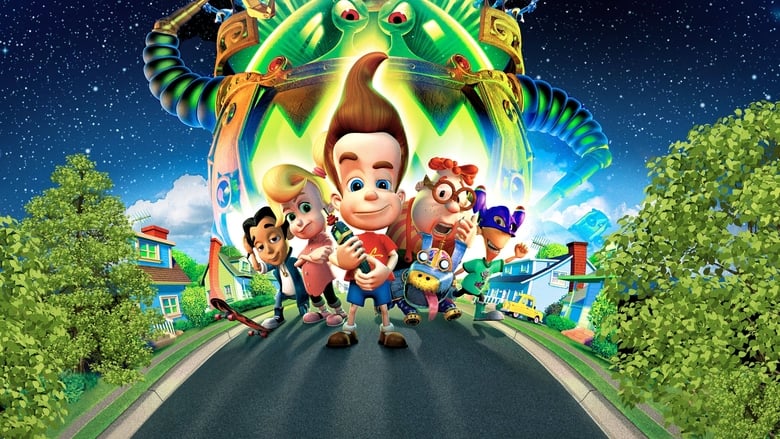
Jimmy Neutron: Boy Genius
2001
-
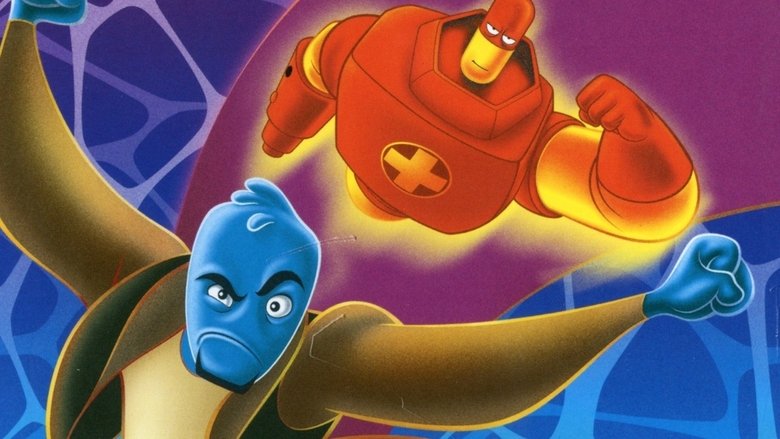
Osmosis Jones
2001
-
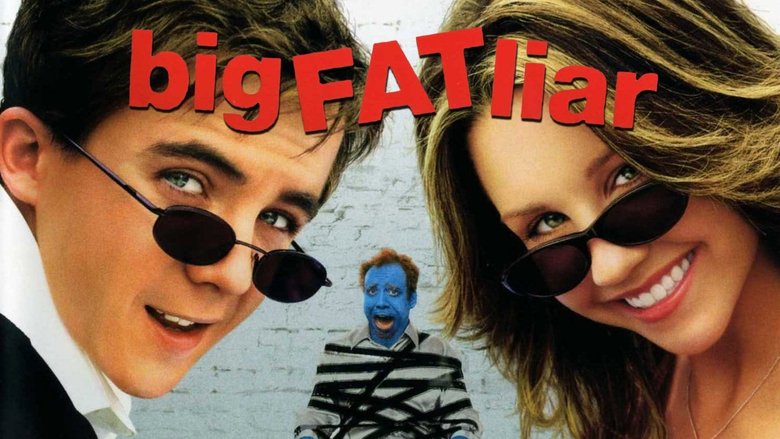
Big Fat Liar
2002
-
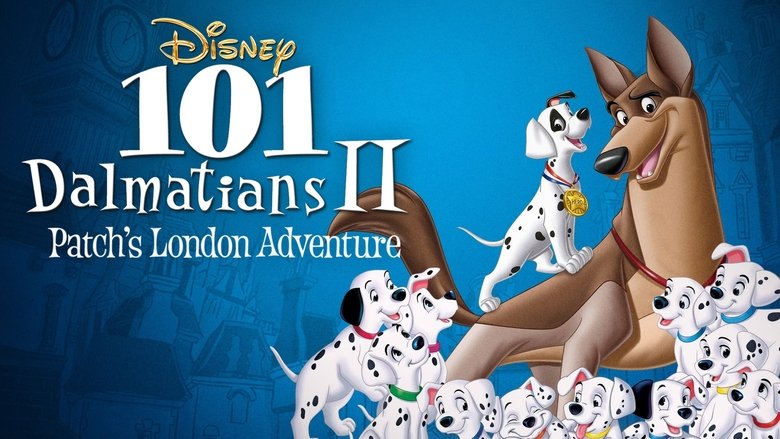
101 Dalmatians II: Patch's London Adventure
2003
-
Holes
2003
-
Are We There Yet?
2005
-
RV
2006
-

The Ant Bully
2006
-
Shrek the Halls
2007
-
TMNT
2007
-
Nim's Island
2008
-
Open Season 2
2008