Mortal Kombat
"Ten tournaments, three warriors, one screaming techno theme."
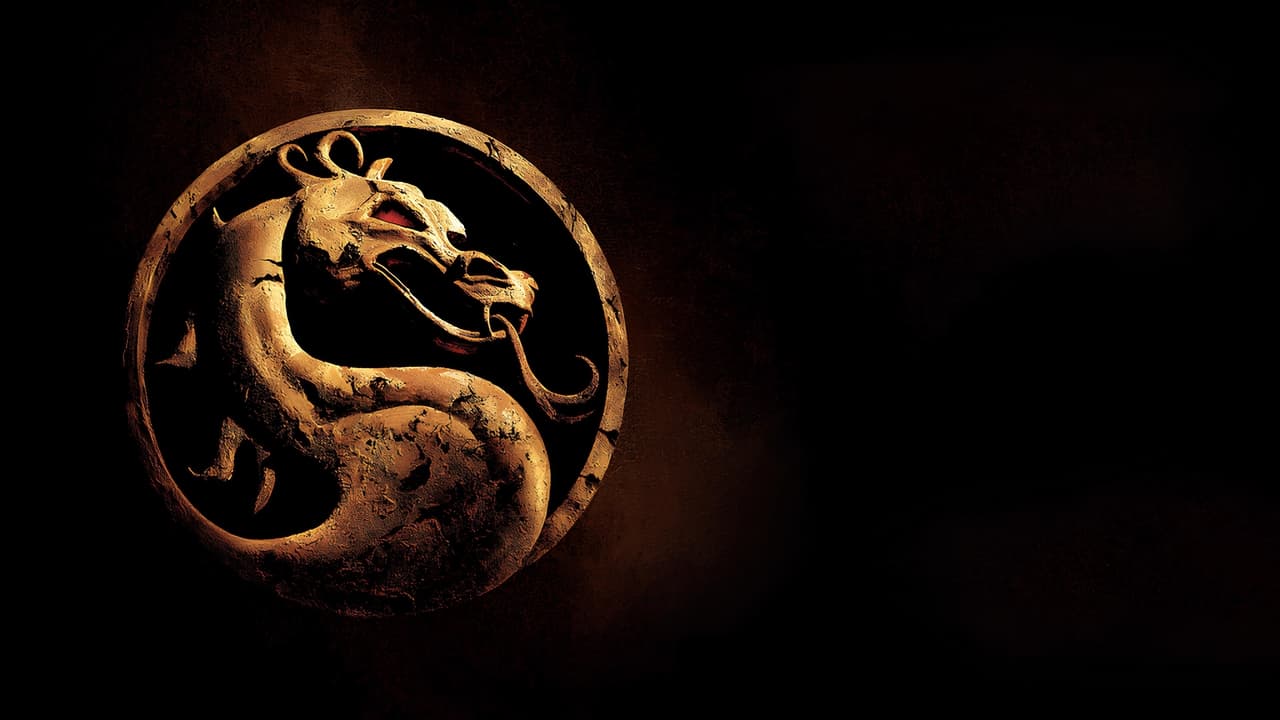
If you close your eyes and think about 1995, you can probably hear it: the aggressive, four-on-the-floor breakbeat, the synthesized stabs, and that iconic, guttural roar of "MORTAL KOMBAT!" It’s a sound that defined a very specific era of my childhood. I recently rewatched this on a DVD I found at a garage sale—the case still had a "2-Day Rental" sticker from a long-defunct local shop—and I realized that Paul W. S. Anderson’s Mortal Kombat isn’t just a movie; it’s a time capsule of the exact moment Hollywood stopped trying to "fix" video games and started trying to translate them.
Before this, we had the fever dream of Super Mario Bros. and the campy, confused Street Fighter. Mortal Kombat succeeded because it understood the assignment: give us the characters, give us the music, and for the love of Shang Tsung, make the fights look like the game. Looking back, it’s the bridge between the practical-effects heavy 80s and the digital-frontier 90s, and it’s a lot more charming than I remembered.
The Curse-Breaker of the Console Generation
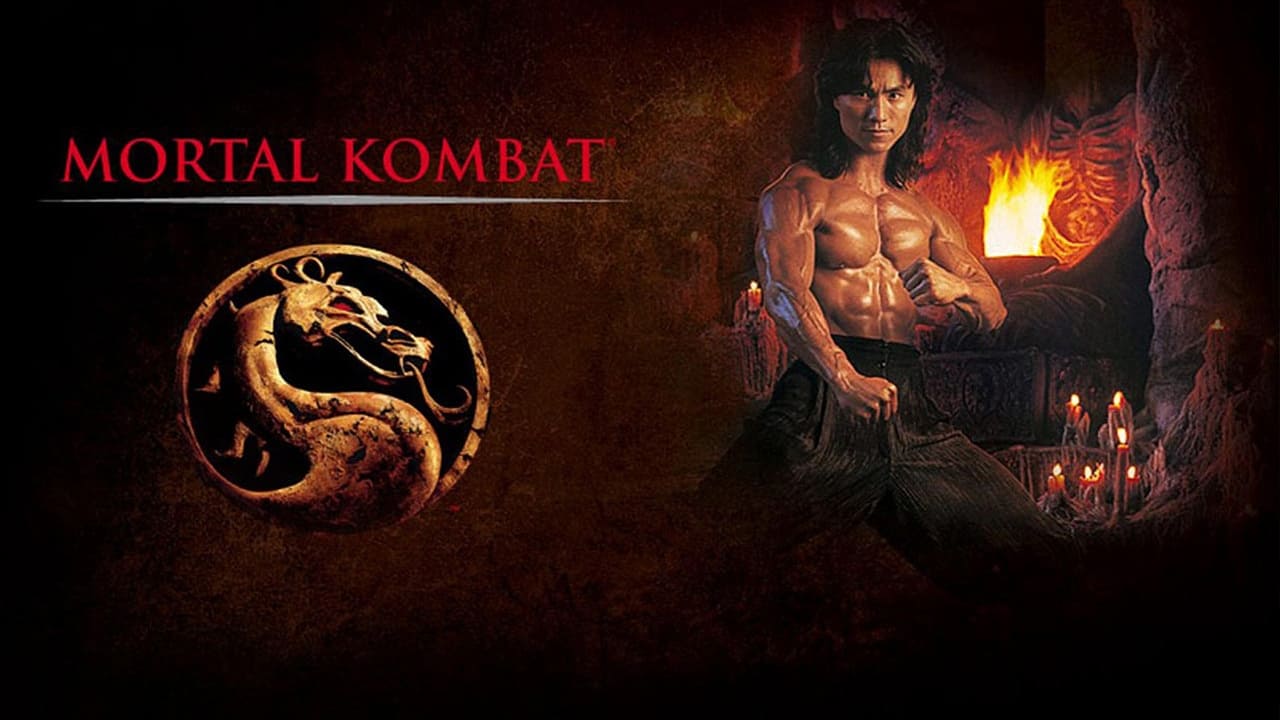
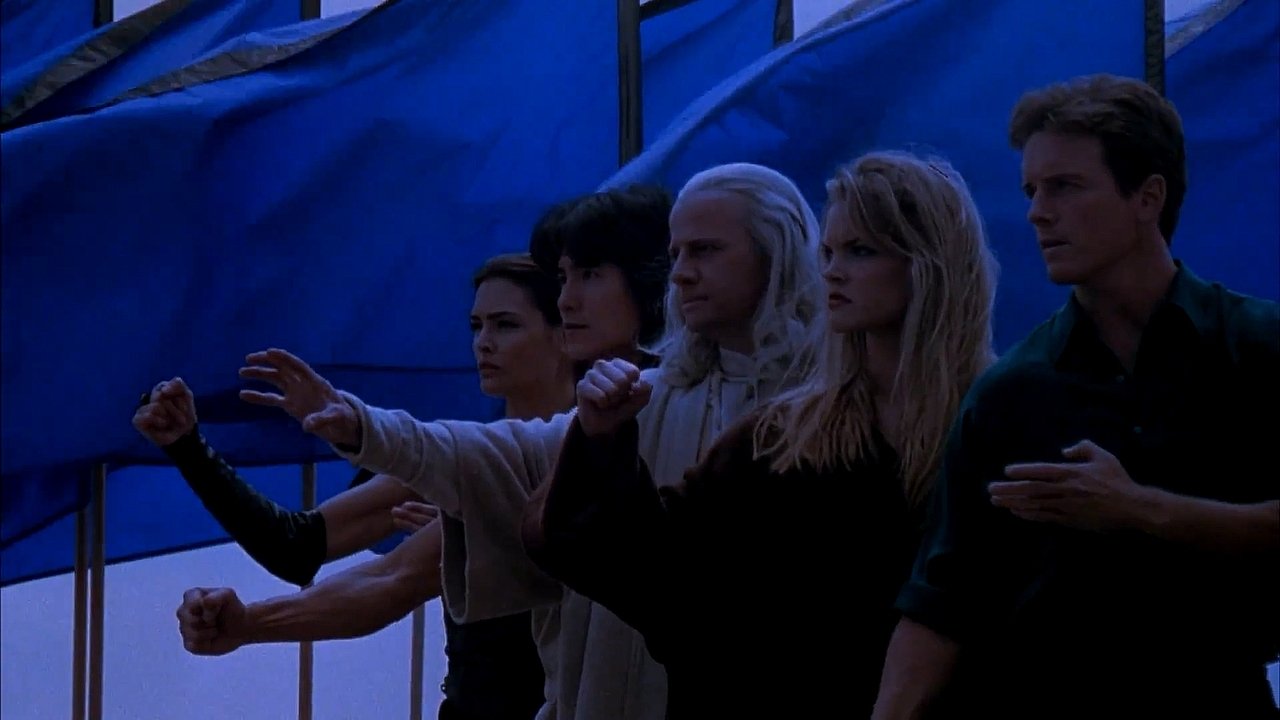
The plot is as thin as a polygon on a Sega Saturn, but that’s its strength. An evil sorcerer needs one more win to invade Earth, so three chosen fighters get on a boat to a mysterious island. That’s it. Robin Shou anchors the film as Liu Kang, bringing a genuine martial arts pedigree that the movie desperately needed. Alongside him, Linden Ashby’s Johnny Cage provides the meta-commentary, essentially acting as the audience’s proxy. When he throws his $500 sunglasses at a monster, I felt that in my soul.
What really strikes me now is how much personality the cast injected into what could have been cardboard roles. Cary-Hiroyuki Tagawa as Shang Tsung is, quite frankly, a gift from the cinema gods. He chews the scenery so thoroughly I’m surprised there was any set left for the sequels. His delivery of "Your soul is mine!" is the gold standard for villainous catchphrases. Then you have Christopher Lambert as Lord Raiden, who seems to be having a private competition with himself to see how many lines he can deliver while chuckling enigmatically. It’s weird, it’s dry, and it somehow works.
Practical Magic and Goro’s Growing Pains
We have to talk about Goro. In 1995, a four-armed animatronic prince was a massive undertaking. He cost over $1 million to build and required a small army of technicians to operate. Watching it today, Goro has a physical weight that modern CGI often lacks, even if his mouth movements are a bit "Team America." There's a tangible danger to him.
However, the "Modern Cinema" transition is most obvious when the film pivots to early CGI. The "Reptile" creature—before he transforms into a human ninja—looks like a pixelated gummy worm. It’s a reminder of the learning curve the industry was on. This movie is the cinematic equivalent of a Mountain Dew-fueled Saturday night, messy and hyperactive, but undeniably fun. The transition from the practical, gritty sets of the tournament to the green-screen Soul Stream at the end shows a production team grappling with the future of filmmaking in real-time.
I watched this latest session while eating a bag of slightly stale pretzel sticks, and honestly, the crunch matched the bone-breaking sound effects perfectly. It’s that kind of movie. It doesn't ask for prestige; it asks for your undivided, sugar-high attention.
The Rhythm of the Fight
The action choreography is where Mortal Kombat truly earns its keep. Robin Shou reportedly helped choreograph many of the sequences, and you can tell. The fight between Liu Kang and Reptile (in his human form) is a masterclass in mid-90s rhythm. It’s shot clearly—a rarity in an era that was starting to lean toward "shaky cam"—and uses the environment of the outworld ruins brilliantly.
The film’s PG-13 rating was a massive point of contention back then. The games were famous for "Fatalities" and fountains of gore, but the movie stays relatively clean. In retrospect, I think this helped its longevity. By focusing on the choreography and the sheer "vibe" of the tournament rather than the gross-out factor, Anderson created something that felt like an epic fantasy adventure rather than a niche horror show. It paved the way for the franchise-building mentality we see today; it wasn't just a movie, it was a brand expansion that actually respected the source material's aesthetics.
The soundtrack, which went Platinum, cannot be overstated. It was the first time electronic dance music really invaded the suburban multiplex in such a dominant way. It gave the fight scenes a momentum that made you want to run through a brick wall—or at least go to the arcade and lose five dollars in quarters.
Mortal Kombat isn’t high art, but it is a high-water mark for a specific kind of popcorn cinema. It took a property everyone thought was "unfilmable" and turned it into a $122 million success story by simply embracing the absurdity. It’s a loud, proud, neon-soaked relic that manages to be better than it has any right to be. If you haven't seen it since the VHS days, it’s worth a return trip to the island.
Keep Exploring...
-
Soldier
1998
-

Resident Evil
2002
-
Resident Evil: Afterlife
2010
-
Resident Evil: Retribution
2012
-
Vampires
1998
-
Death Race
2008
-
Last Action Hero
1993
-
Small Soldiers
1998
-
The Mummy Returns
2001
-
AVP: Alien vs. Predator
2004
-

Fantastic Four
2005
-

Night at the Museum
2006
-

Hancock
2008
-
Clash of the Titans
2010
-

Immortals
2011
-

Puss in Boots
2011
-
The Three Musketeers
2011
-
Hansel & Gretel: Witch Hunters
2013
-
Thor: The Dark World
2013
-
Dracula Untold
2014