Pocahontas
"History written in the colors of the wind."

In the mid-90s, the "Disney Renaissance" was less of a creative streak and more of a theological movement. After The Little Mermaid and Beauty and the Beast restored the mouse to his throne, and The Lion King became a global religion, the studio felt invincible. They didn’t just want to entertain; they wanted to win Best Picture. They wanted to create their own Dances with Wolves. The result was Pocahontas, a film so ambitious and visually arresting that it almost makes you forget it’s effectively a 17th-century soap opera with a talking willow tree.
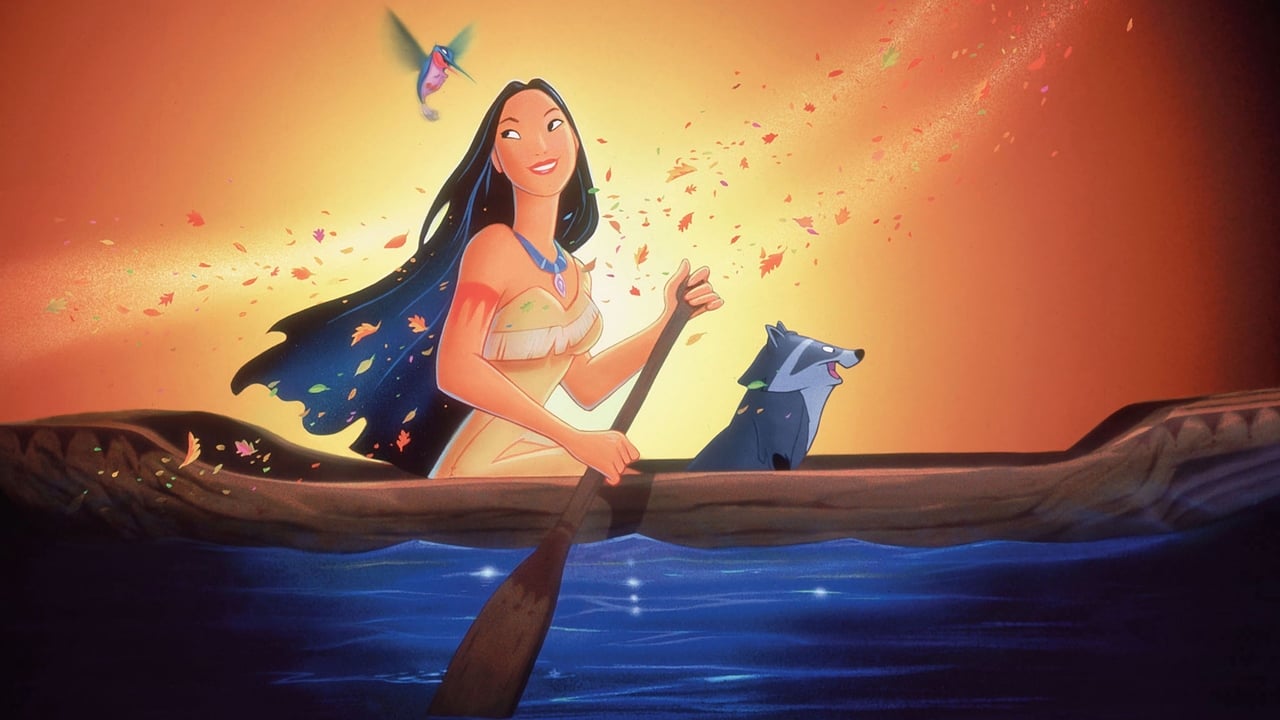
I rewatched this recently while eating a slightly stale bag of pretzel M&Ms, and I realized the candies are the exact same color palette as the film’s finale—lots of burnt oranges and deep purples. It’s a beautifully designed movie, but man, the flavor is a bit weirder than I remembered from my childhood VHS tapes.
The Prestige Pressure Cooker
Looking back from our era of CGI-dominated blockbusters, there is something breathtaking about the hand-drawn craftsmanship of this period. Disney’s "A-team" of animators actually fought to work on this film, famously passing on The Lion King because they thought the "prestige" of a historical epic was a safer bet for awards than a story about talking cats. They poured everything into the aesthetic. Lead animator Glen Keane pushed for a more angular, sophisticated look for the characters, moving away from the rounder, "bubbly" designs of the 80s.
The film captures that specific 90s transition where Disney was experimenting with digital assistance. If you look closely at the "Just Around the Riverbend" sequence, you can see early computer-generated water effects that feel cutting-edge for 1995, even if they lack the fluid realism we see in modern Moana-style physics. At the time, this was a massive $55 million gamble that paid off commercially, raking in over $346 million worldwide. Disney even held a massive premiere in Central Park for 100,000 people, the kind of event-driven marketing that defined the pre-internet blockbuster era.
A Canvas of Impossible Colors
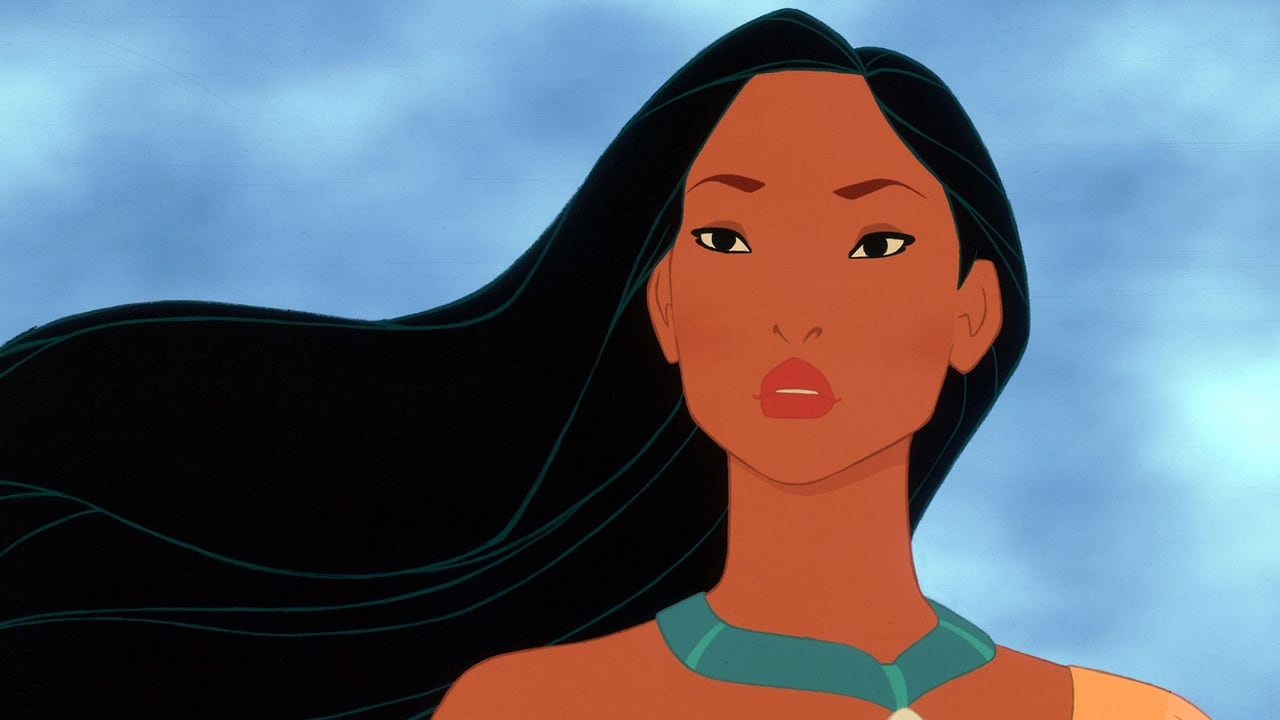
The adventure elements here are less about swashbuckling and more about the wonder of discovery. When Irene Bedard (and the singing voice of Judy Kuhn) takes to the screen as Pocahontas, the world feels vast. The film excels at making the Virginia wilderness feel like a character itself. The "Colors of the Wind" sequence is still one of the most stunning four minutes in animation history, a kaleidoscope of impressionistic art that earns every bit of its Oscar win.
Then there’s the cast. It’s a bit of a trip to hear a pre-controversy Mel Gibson voicing John Smith, playing the "explorer" with a bravado that feels very much of its time. David Ogden Stiers pulls double duty, voicing both the villainous Governor Ratcliffe and his bumbling valet, Wiggins. And in a "blink-and-you’ll-miss-the-voice" moment, a young Christian Bale pops up as Thomas, the naive young soldier. It’s a powerhouse lineup, even if the script gives them dialogue that occasionally feels like it was pulled from a Hallmark card about nature.
The Myth and the Mistake
Now, we have to talk about the historical elephant in the room. In 1995, this was marketed as "An American legend comes to life," but in reality, it’s more of a high-gloss myth. The real Pocahontas was a child when she met Smith, and their relationship wasn't a star-crossed romance. By leaning into the "Disney Princess" formula, the film sanitizes a complex, often brutal colonial history.
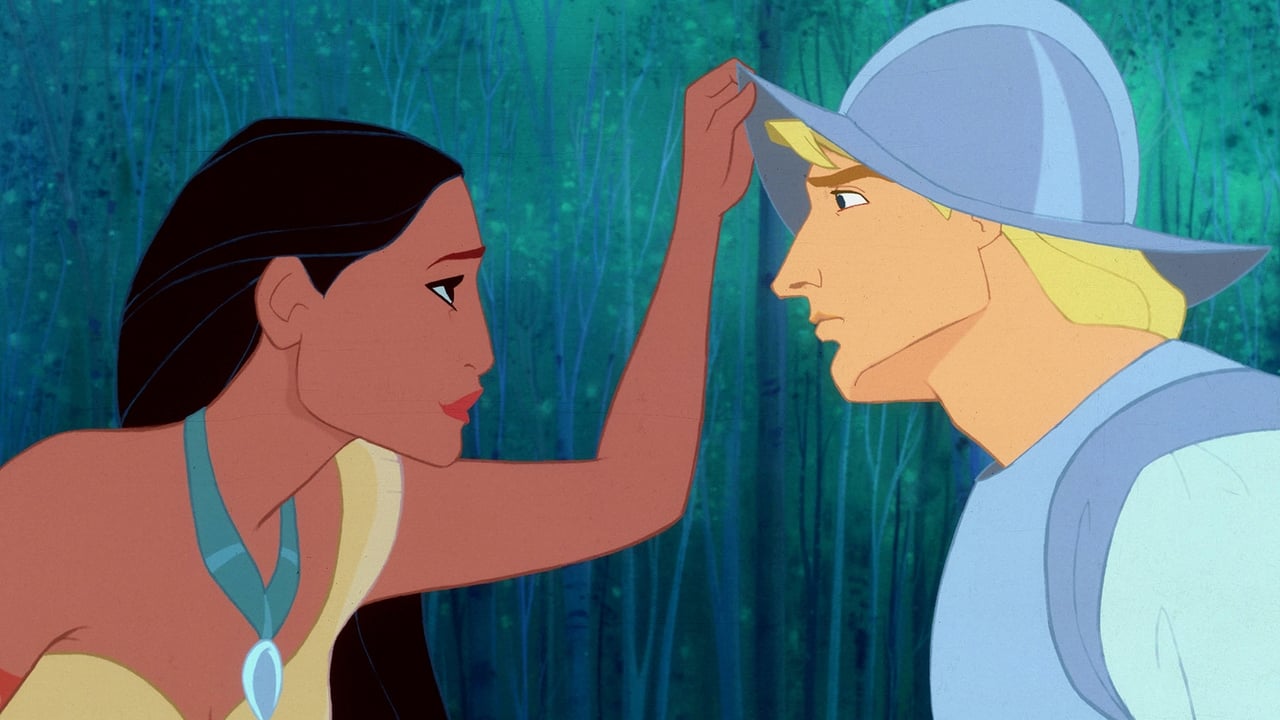
As a piece of adventure cinema, it works because of its scale and the palpable sense of two worlds colliding. However, the romance itself feels a bit hollow because John Smith is a glorified Ken doll with a savior complex. The film wants us to believe in their deep connection, but they spend most of their time looking at sunsets while Alan Menken’s score does the heavy lifting. I found myself much more invested in Meeko the raccoon (voiced by John Kassir) and Flit the hummingbird. Their slapstick rivalry provides the only real levity in a film that takes itself incredibly seriously.
Pocahontas is a fascinating relic of the 90s—a moment when Disney’s ego was at its peak, leading to a film that is visually a 10 and narratively a 5. It’s an adventure that prioritizes spectacle over historical grit, offering a sanitized but gorgeous version of the American frontier. While it doesn't have the narrative punch of The Lion King, it remains an essential watch for fans of film history who want to see the exact moment hand-drawn animation reached its most "adult" and artistic peak. It’s worth a revisit, if only to appreciate the artistry before the digital revolution changed the game forever.


Keep Exploring...
-
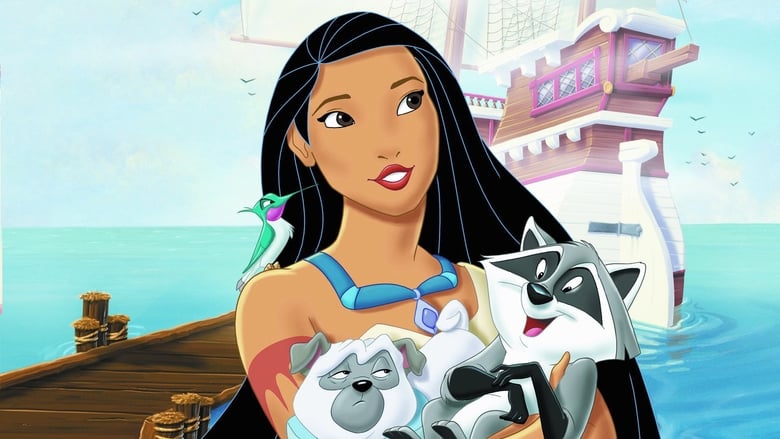
Pocahontas II: Journey to a New World
1998
-
The Rescuers Down Under
1990
-

Aladdin
1992
-

The Return of Jafar
1994
-
Hercules
1997
-
A Goofy Movie
1995
-
The Lion King II: Simba's Pride
1998
-

A Bug's Life
1998
-
The Prince of Egypt
1998
-
Tarzan
1999
-

Fantasia 2000
2000
-
Shrek 2
2004
-
The Road to El Dorado
2000
-

Ice Age
2002
-

Madagascar
2005
-
Cars
2006
-

Ice Age: The Meltdown
2006
-
Shrek the Third
2007
-
Horton Hears a Who!
2008
-
Madagascar: Escape 2 Africa
2008