Se7en
"A rain-soaked descent into a city where hope has finally run out of breath."
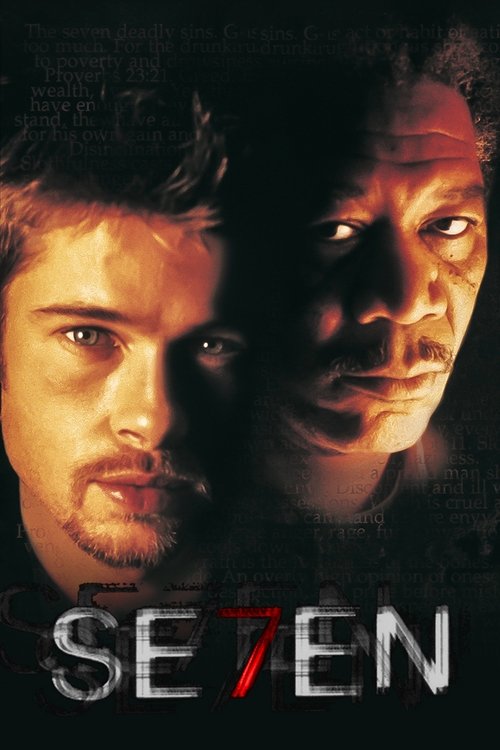
I watched this most recently while nursing a lukewarm cup of herbal tea that had grown a thin film on top, and honestly, that layer of stagnant scum felt like the perfect sensory accompaniment to the world of Se7en. Some movies make you want to go for a run or call your mom; this one makes you want to scrub your skin with steel wool and a bottle of bleach.
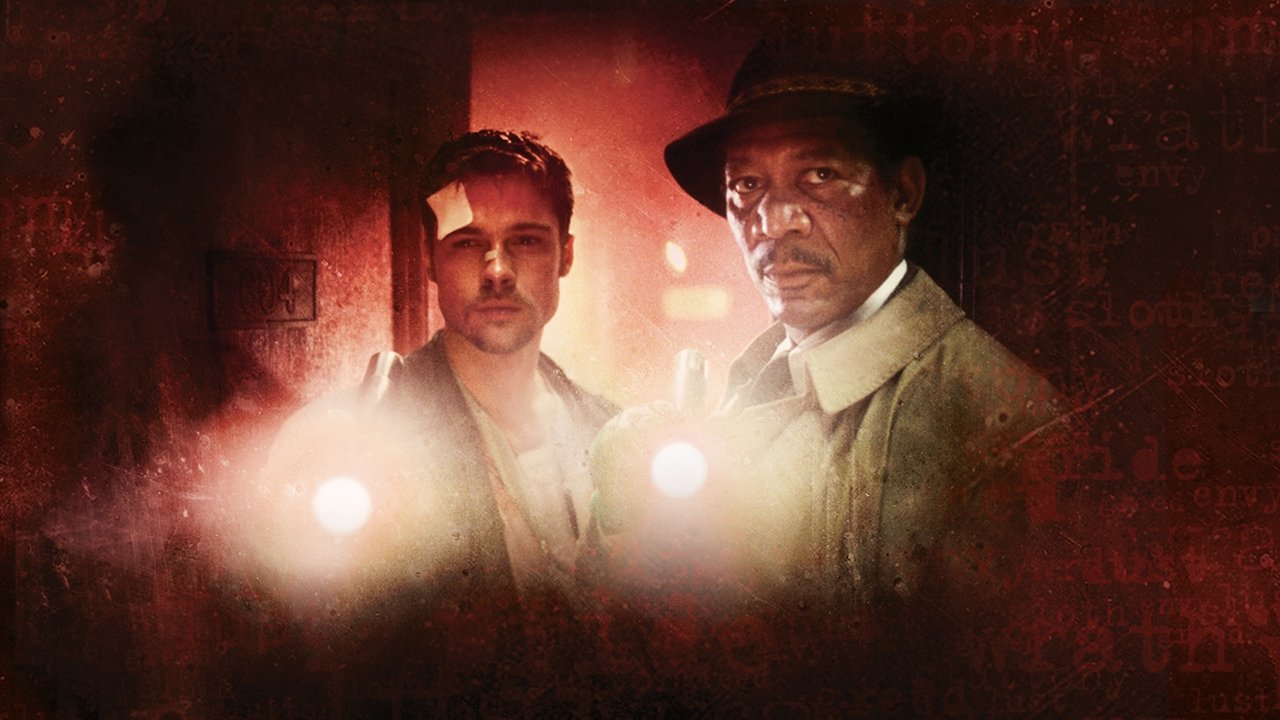
When David Fincher (who had previously been dismissed by many after the troubled production of Alien 3) teamed up with screenwriter Andrew Kevin Walker, they didn’t just make a police procedural. They built a cathedral of grime. Looking back from our era of sanitized, high-definition streaming content, the sheer tactile weight of this film is staggering. It’s a movie you can smell—and it smells like wet pavement, unwashed hair, and old library books.
The Anatomy of Exhaustion
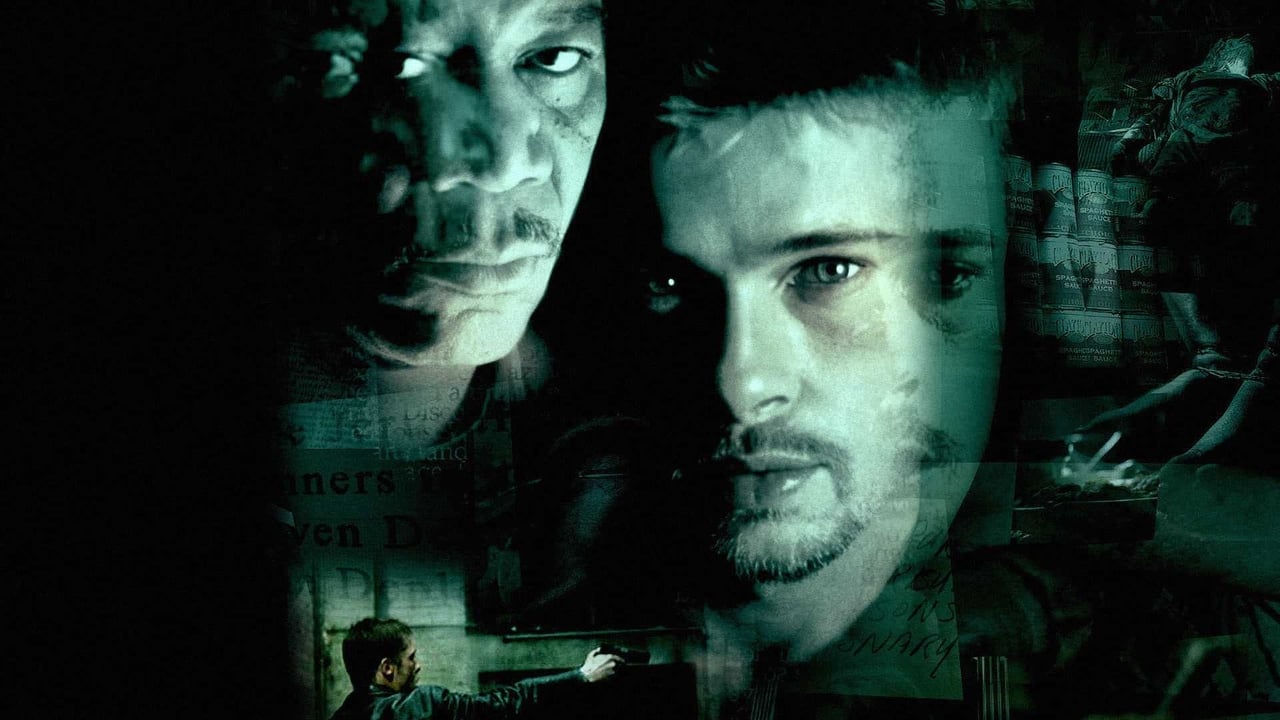
The setup feels like it could have been a standard "buddy cop" flick, but the execution is anything but. We have Morgan Freeman as Somerset, a man so tired of the world’s rot that he carries a switchblade just to cut his way through the wallpaper of his own life. Opposite him is Brad Pitt as Mills, the hotheaded transplant who thinks he can make a difference because he hasn't been chewed up by the city yet.
Freeman’s performance is the steady heartbeat of the movie. He doesn't play a "cool" detective; he plays a man who has replaced his soul with a filing cabinet of human misery. When he spends his nights in a silent library listening to Bach, you realize he isn't looking for clues—he’s looking for a reason to keep breathing. On the flip side, Pitt brings a jittery, arrogant energy that makes his eventual collision with reality feel like a high-speed car wreck. Their chemistry isn’t about friendship; it’s about the tragic friction between a man who knows too much and a man who refuses to learn.
Architecture of the Unseen
What strikes me every time I revisit Se7en is how little violence you actually see. We’ve become so accustomed to "torture porn" and explicit gore, but Fincher is much more interested in the aftermath. He shows us the crime scenes like they are twisted art installations. The "Gluttony" victim or the terrifying "Sloth" reveal—which, by the way, remains the most effective jump-scare in cinema history that involves a person who is basically a piece of furniture—work because our imaginations fill in the gaps.
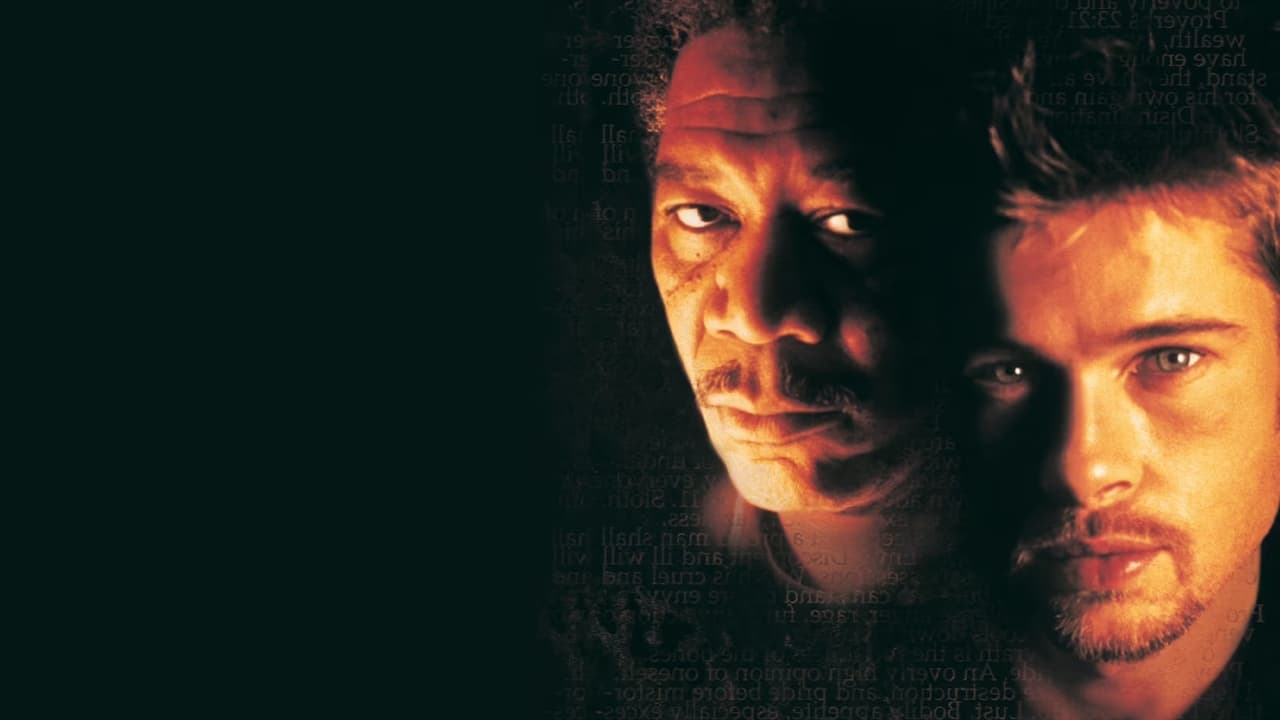
The look of the film, crafted by cinematographer Darius Khondji, used a "bleach bypass" process on the film stock. This wasn't just a stylistic whim; it retained the silver in the film, deepening the blacks and making the colors look bruised. It gives the movie a density that digital cameras still struggle to replicate. Every frame feels heavy, as if the shadows themselves have physical mass. It’s a 127-minute reminder that the 90s were the absolute peak of "ugly-beautiful" filmmaking.
A Box-Office Miracle
It’s easy to forget now, but Se7en was a massive, culture-shaking hit. It wasn't some niche indie film; it was a blockbuster that earned over $327 million on a $33 million budget. It was the seventh highest-grossing film of 1995, proving that audiences in the mid-90s were hungry for something that didn't treat them like children.
The production was a series of "what if" moments that could have ruined the film. For starters, the studio, New Line Cinema, absolutely hated the ending. They pushed for a traditional climax—a race against time to save a damsel in distress or a shootout in a warehouse. Brad Pitt famously stood his ground, refusing to do the movie unless the ending remained exactly as written. He basically held the production hostage to ensure the movie stayed depressing. Thank God he did.
Even the injuries were real. During the rain-slicked chase scene where Mills pursues the killer, Brad Pitt actually fell through a car windshield and severed tendons in his hand. If you notice Mills wearing a cast or keeping his arm in a sling for the second half of the movie, that’s not "method acting"—that’s a surgeon’s handiwork woven into the script.
The Legacy of the Box
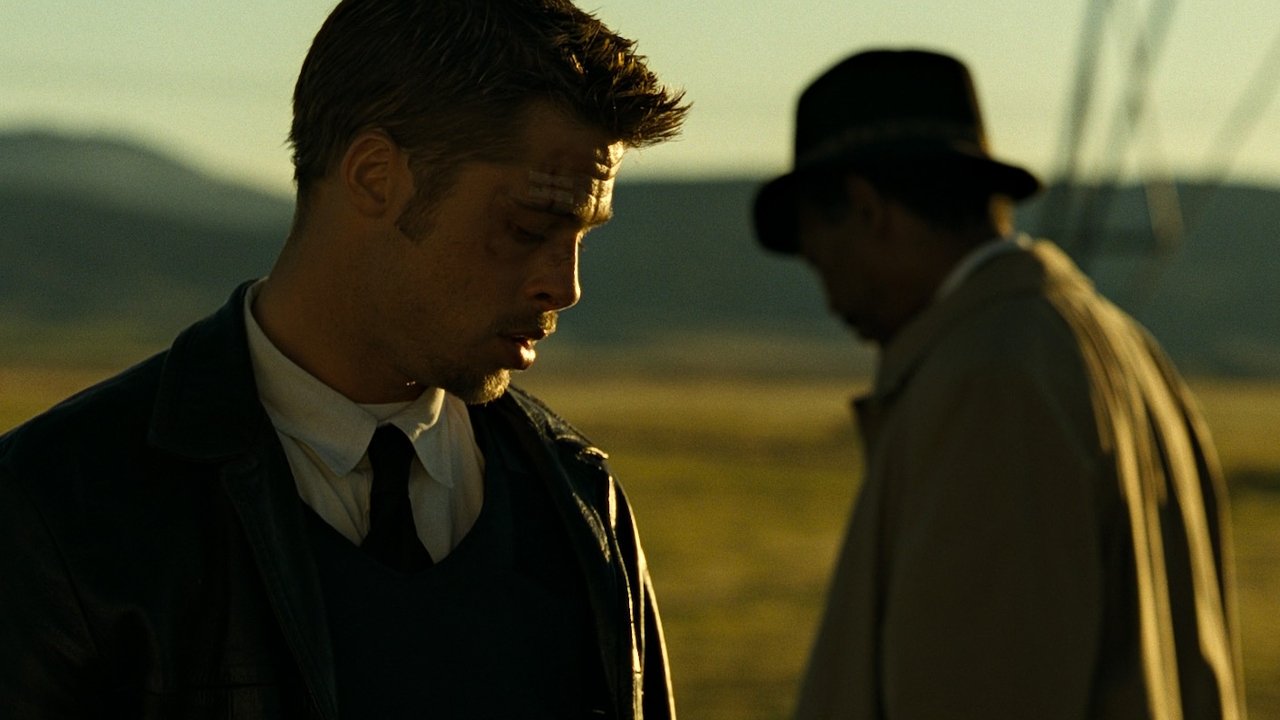
We also have to talk about the killer. Keeping the actor (I won't name him for the three people who haven't seen this) out of the opening credits and the marketing was a masterstroke. It makes his eventual appearance feel like an intrusion from another dimension. He isn't a "slasher" villain; he’s a philosopher with a scalpel.
The film’s impact on the DVD era was also massive. I remember the special edition "Platinum Series" DVD being a holy grail for collectors, with its multiple commentary tracks and deep dives into the opening credits sequence by Kyle Cooper. It taught a generation of film nerds how to actually look at a movie’s texture.
Se7en remains the gold standard for the psychological thriller. It’s a movie that offers no easy exits, no heroic one-liners, and no comfort. It forces you to sit in the dark and contemplate the fact that sometimes, the bad guy doesn't just win—he completes his masterpiece. It’s a perfect, punishing piece of cinema that has only grown more potent with age.
Most thrillers from the 90s feel like time capsules of bad fashion and primitive tech. Se7en feels like a nightmare that happened yesterday. It’s a reminder that while the world might be a fine place and worth fighting for, as Somerset says, he only agrees with the second part. After the credits roll, you might find yourself agreeing with him too.
Keep Exploring...
-

The Game
1997
-

Zodiac
2007
-

The Girl with the Dragon Tattoo
2011
-
Primal Fear
1996
-
Mystic River
2003
-
Twelve Monkeys
1995
-

Sleepers
1996
-
L.A. Confidential
1997
-
The Girl with the Dragon Tattoo
2009
-

Gone Girl
2014
-
Fight Club
1999
-
A Perfect World
1993
-
A Time to Kill
1996
-
Scream
1996
-
Donnie Brasco
1997
-
Panic Room
2002
-
Lucky Number Slevin
2006
-
Ocean's Eleven
2001
-
Infernal Affairs
2002
-
The Others
2001