Sense and Sensibility
"High society, low funds, and the ultimate Rickman pining."
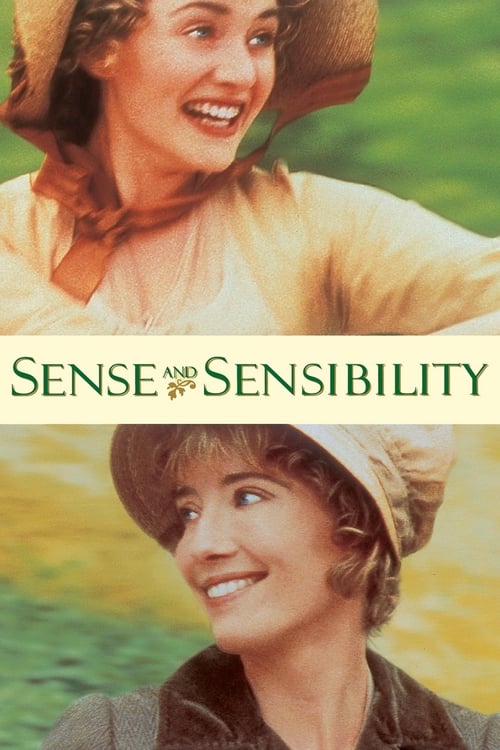
In 1995, you couldn't swing a silk parasol without hitting a Jane Austen adaptation. We were in the middle of a full-blown Regency fever dream, sandwiched between the BBC’s Pride and Prejudice (the one with the wet shirt) and the valley-girl brilliance of Clueless. But standing tall above the bonnet-strewn landscape was Ang Lee’s Sense and Sensibility. It was a project that felt, on paper, like a massive gamble: a Taiwanese director known for intimate family dramas in Taipei, a screenplay by an actress who had never written a feature before, and a budget of $16 million that had to stretch across several sprawling English estates.
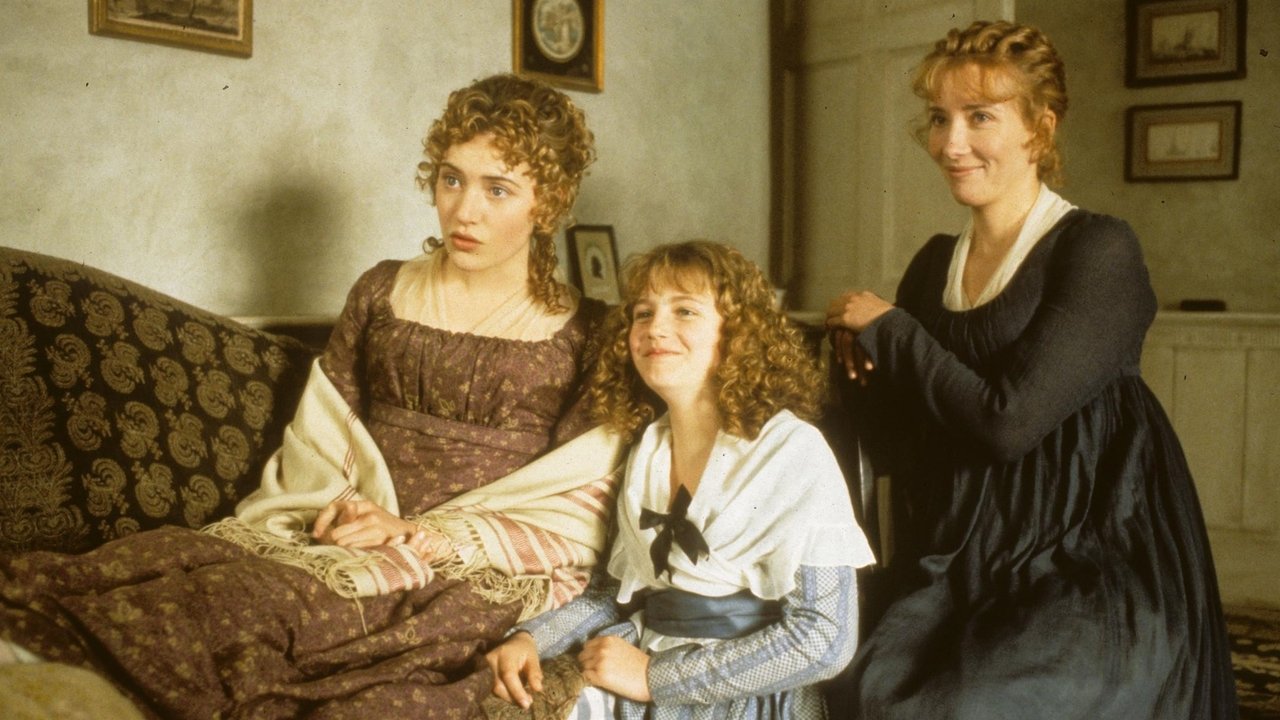
I revisited this recently on a Sunday afternoon while my neighbor was loudly power-washing his driveway, and remarkably, the film’s quiet dignity managed to tune out the suburban roar. It’s a movie that demands your attention not with explosions, but with the terrifying prospect of being socially ruined by a poorly timed letter.
The Unlikely Mastermind of the Dashwood Sisters
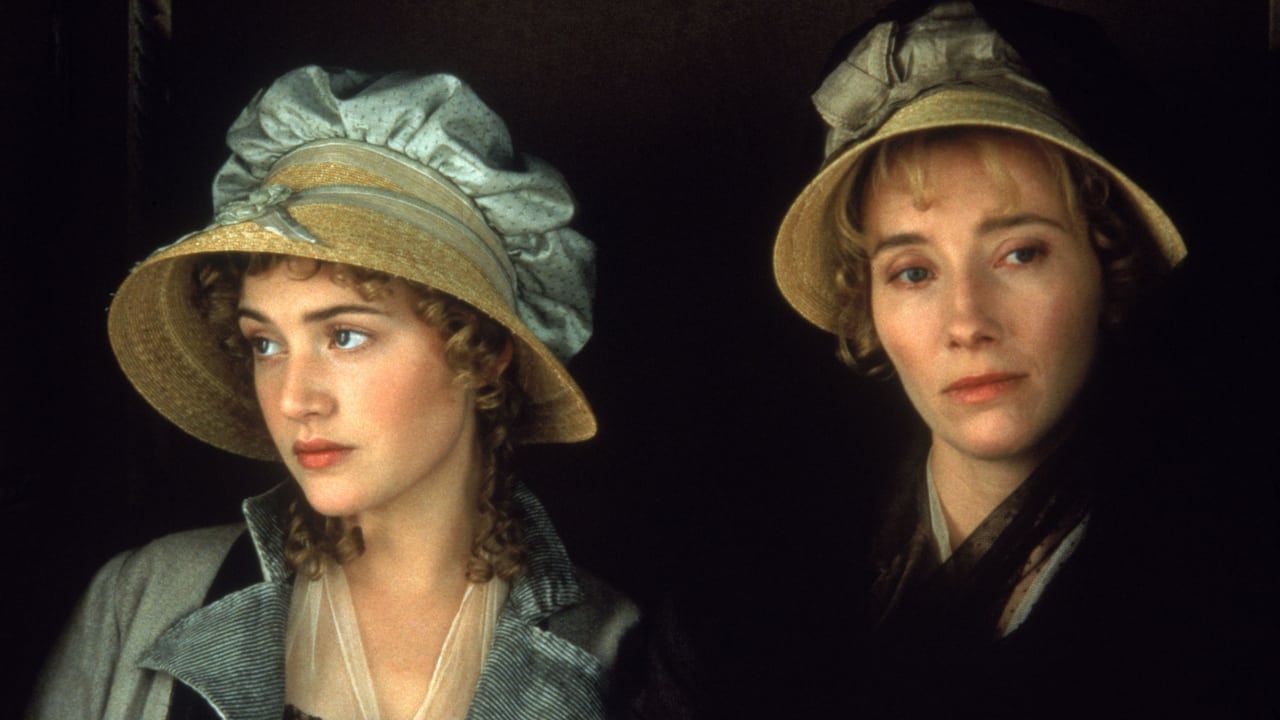
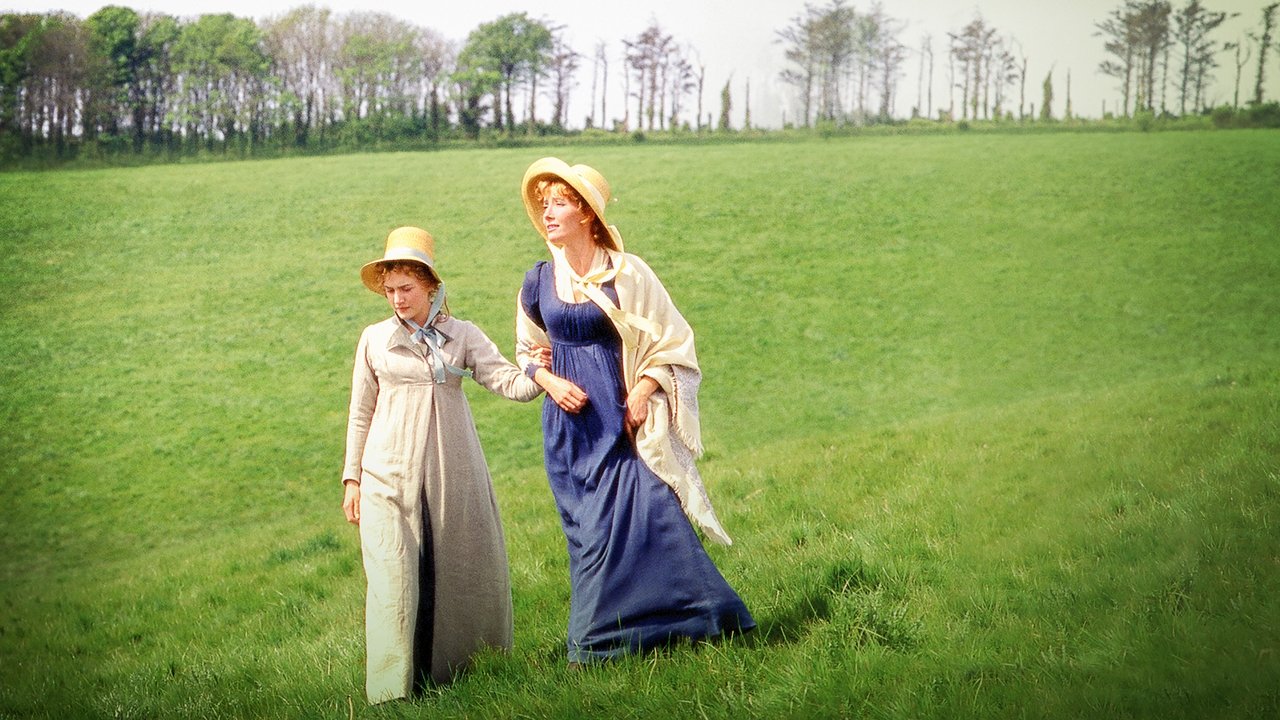
The heart of this film is Emma Thompson. Not only does she anchor the story as the repressed, hyper-responsible Elinor Dashwood, but she also spent five years painstakingly drafting the script. It’s a marvel of adaptation; she took Austen’s somewhat didactic novel and injected it with a wit that feels lived-in rather than performed. Looking back, this was the peak of the "literary" era of the 90s, where Hollywood briefly realized that audiences actually liked watching smart people talk in rooms.
Bringing in Ang Lee was the stroke of genius that saved the film from becoming a "tea and doilies" cliché. Lee understood something fundamental about Austen that many British directors miss: these stories aren't just about romance; they are about the brutal, suffocating pressure of family and the "contract" of social existence. He famously gave the actors blunt notes—telling Kate Winslet she "would get better" and asking Hugh Grant to be "less charming"—which stripped away the period-drama gloss and left us with something far more raw.
A Cast That Understood the Assignment
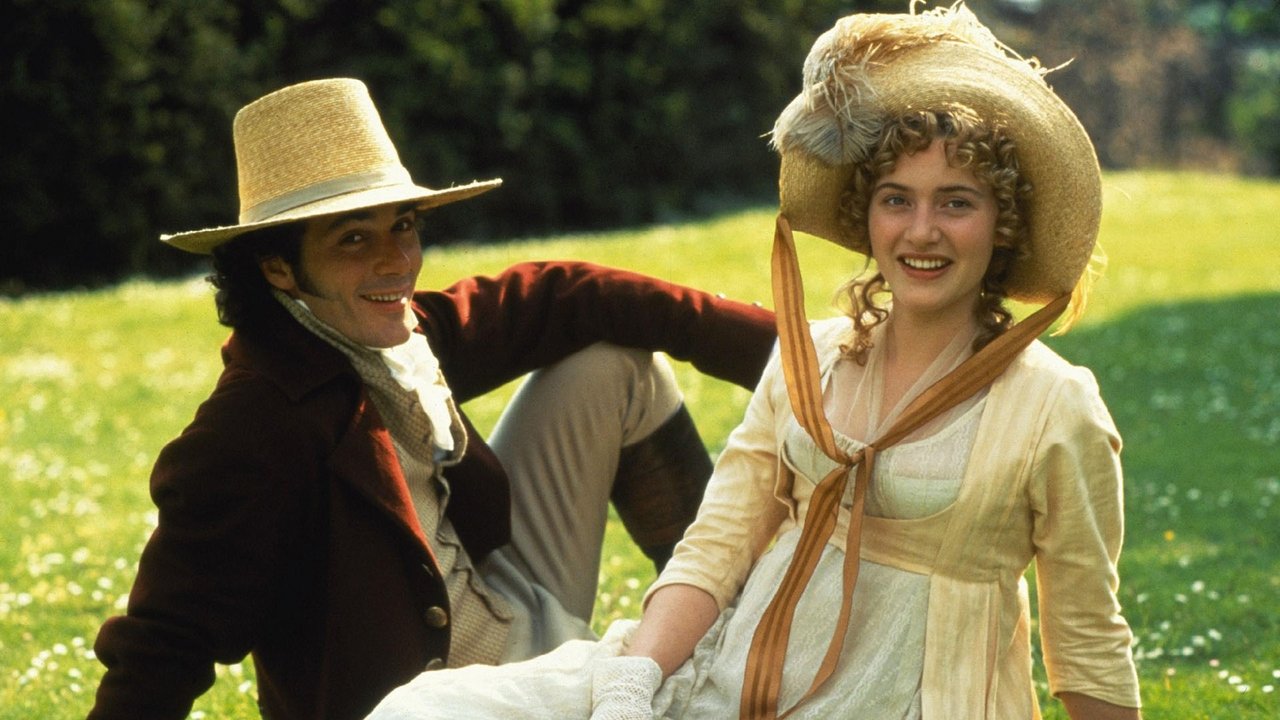
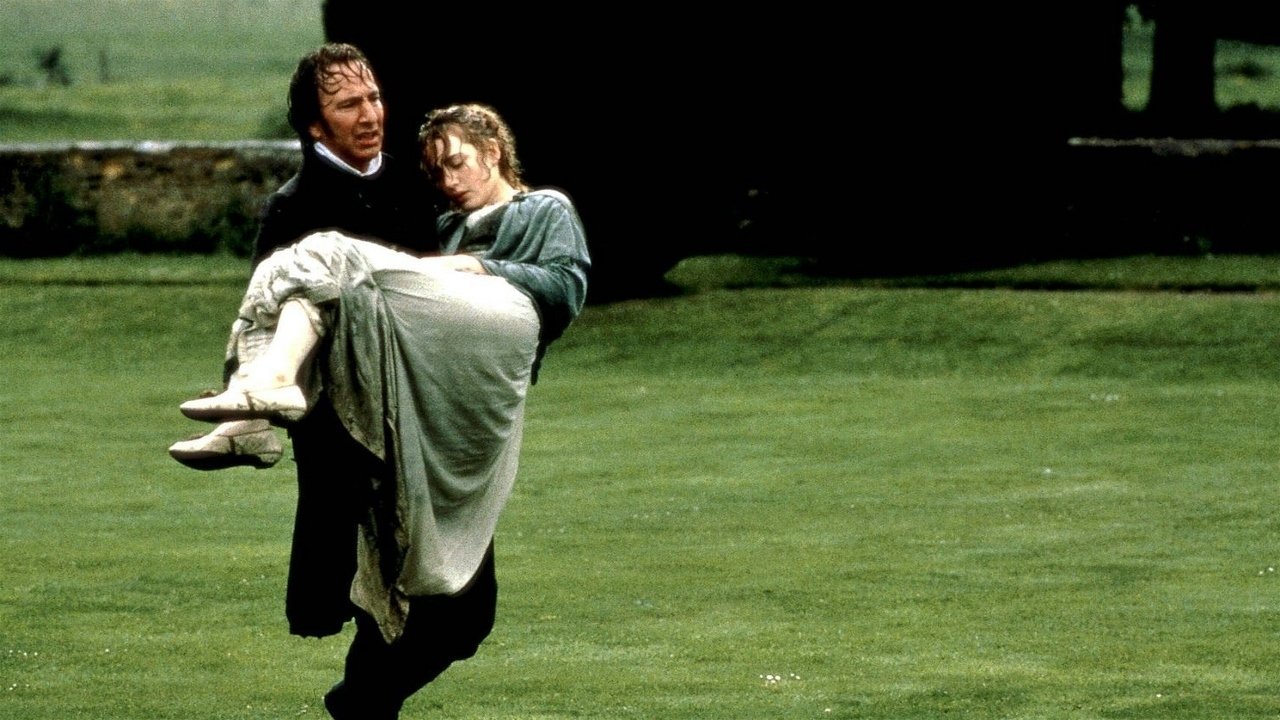
The ensemble is essentially a 1990s All-Star team. Kate Winslet, only 19 at the time, is a force of nature as Marianne. She’s all "sensibility"—which back then meant "unfiltered emotional chaos"—and her descent from romantic idealism to rain-soaked heartbreak is still painful to watch. Then there’s Alan Rickman as Colonel Brandon. In a decade where we mostly knew him as the guy falling off Nakatomi Plaza or sneering at Kevin Costner, seeing him play a man who is essentially a sentient pile of noble yearning was a revelation. When he carries a feverish Marianne through the house, I’m pretty sure half the audience's hearts collectively skipped a beat.
Then we have Hugh Grant as Edward Ferrars. This was peak 90s Hugh, back when his entire acting range was "stuttering nervously while adjusting his hair." My hot take? Edward Ferrars is a bit of a wet blanket who really needs a hobby, but Grant makes his indecision feel like a tragic character flaw rather than just a lack of a spine. It’s a testament to the chemistry between him and Emma Thompson that we actually want them to end up together, even though Elinor could clearly run a small country and Edward can barely choose a seat at a dinner table.
The 1995 Vibe and Why It Lasts
Watching this today, it’s fascinating to see how it reflects that mid-90s transition. It was filmed on 35mm with a lushness that digital cinematography often struggles to replicate. Everything feels heavy—the damp wool coats, the muddy paths, the silver tea sets. There’s a tactile reality here that grounds the high-stakes gossip. It was also a massive box office hit, raking in over $130 million, proving that you didn't need a franchise or a CGI dragon to dominate the cultural conversation.
The film manages to capture the post-90s obsession with "heritage" cinema while actually subverting it. It’s funny—truly, laugh-out-loud funny in places—mostly thanks to Gemma Jones as the flustered Mrs. Dashwood and Robert Hardy as the boisterous Sir John Middleton. They remind us that the world of Austen wasn't just a museum; it was a place filled with annoying relatives and awkward social obligations. It’s a drama that earns its emotional payoff by making us feel the financial desperation of these women. In 1995, we were just beginning to enter the era of the mega-blockbuster, but Sense and Sensibility proved that a well-placed sigh could be just as cinematic as a car chase.
This is the gold standard for period adaptations. It balances the "sense" of a tight, witty script with the "sensibility" of a sweeping, heart-on-its-sleeve romance. Whether you’re here for the sharp social commentary or just to watch Alan Rickman look intensely into the middle distance, it delivers. It’s a film that has aged like a fine port—rich, comforting, and capable of making you feel a little bit lightheaded by the time the final wedding bells ring.
Keep Exploring...
-

Crouching Tiger, Hidden Dragon
2000
-
Brokeback Mountain
2005
-

Bridget Jones's Diary
2001
-
Four Weddings and a Funeral
1994
-

The Beach
2000
-
Love Actually
2003
-
Atonement
2007
-
Ghost
1990
-
Forever Young
1992
-

The Bodyguard
1992
-
Sleepless in Seattle
1993
-

Legends of the Fall
1994
-
The Bridges of Madison County
1995
-

Phenomenon
1996
-

Romeo + Juliet
1996
-
The English Patient
1996
-
Chocolat
2000
-
Life of Pi
2012
-
The Reader
2008
-
Slumdog Millionaire
2008