Strange Days
"The future is a wire-trip you can't escape."
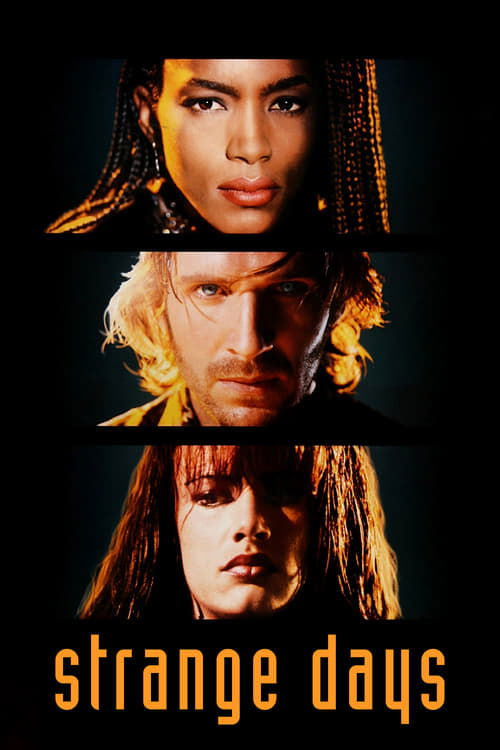
Forget the shiny, chrome-plated futures where everyone wears spandex and drives flying cars. In 1995, director Kathryn Bigelow looked at the fast-approaching millennium and saw a city that smelled like burnt rubber and desperation. Strange Days is a movie that doesn't just invite you into its world; it shoves your face into the grime of a dystopian Los Angeles on the eve of the year 2000. It’s a loud, sweaty, and deeply uncomfortable masterpiece that somehow cost $42 million and made back practically nothing. It’s the ultimate "how did this fail?" curiosity of the nineties.
I revisited this one on a rainy Tuesday while nursing a lukewarm cup of peppermint tea that had a single, stubborn dog hair floating in it—a fittingly flecked and imperfect experience for a movie that feels this lived-in.
The Peddler of Other People’s Lives
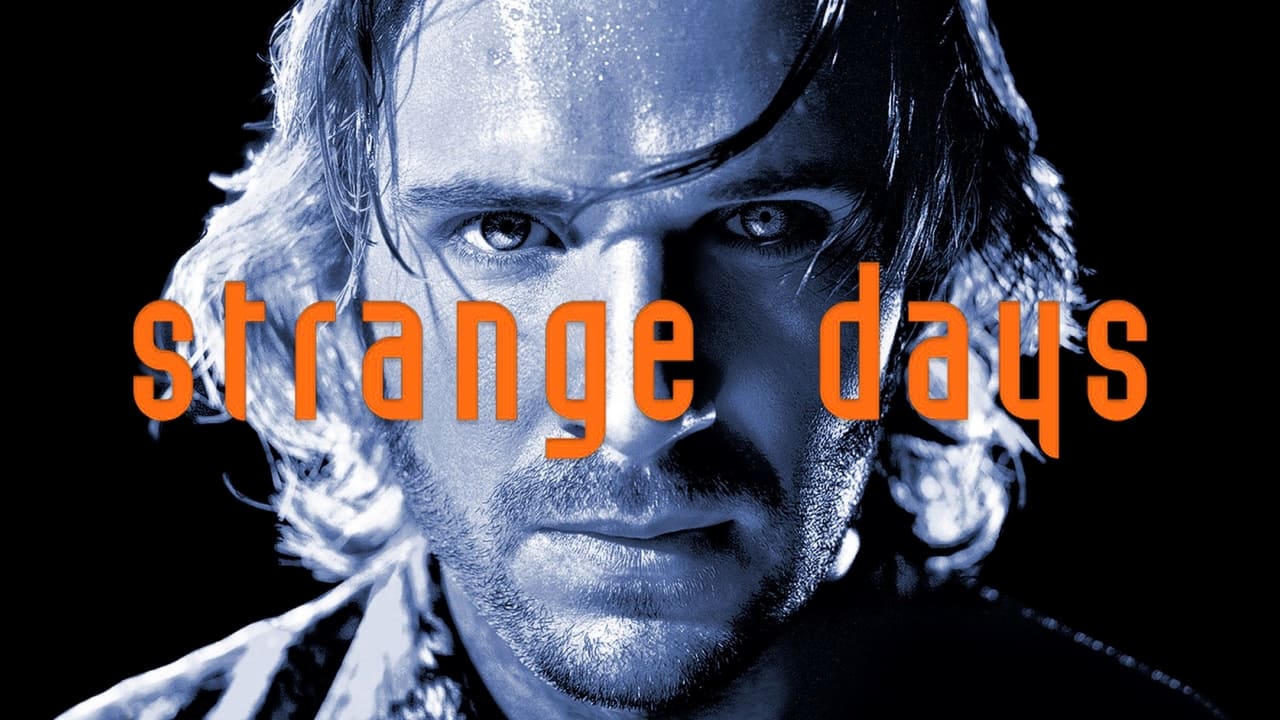
At the center of this chaos is Lenny Nero, played by Ralph Fiennes with a frantic, greasy energy that’s a world away from the polished villains or tragic heroes he usually inhabits. Lenny is a former cop who now deals in "clips"—recordings of human experiences taken directly from the cerebral cortex via a device called a SQUID. You want to feel what it’s like to rob a liquor store? Lenny has the wire. You want to remember what it felt like to be loved? Lenny has that, too.
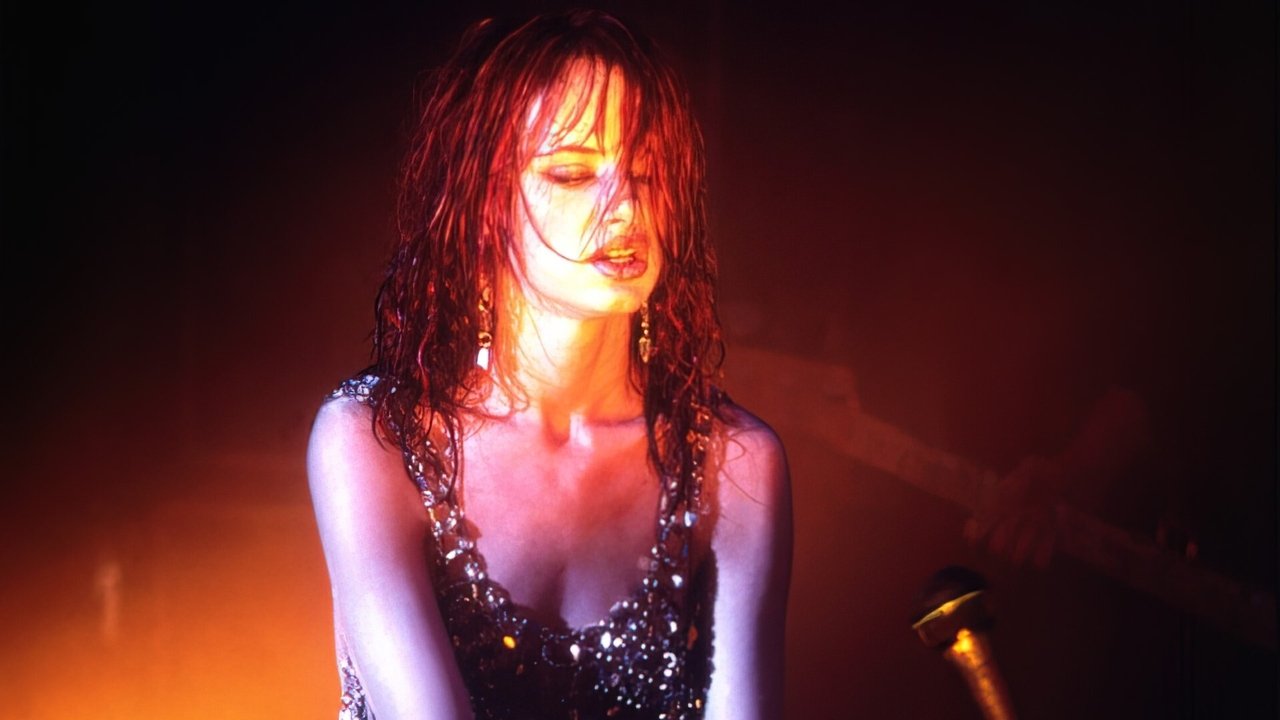
Lenny Nero is basically a high-end garbage man for the soul. He’s a loser, clinging to recordings of his ex-girlfriend, Faith, played with a snarling, punk-rock volatility by Juliette Lewis. While Ralph Fiennes spends the movie looking like he desperately needs a shower and a nap, he makes Lenny strangely empathetic. He’s a man who has replaced his own life with a library of digital ghosts, and in the era of social media "content" and livestreamed everything, his character feels like a terrifyingly accurate prophecy.
A Masterclass in Subjective Intensity
What sets Strange Days apart from the standard sci-fi thriller is Kathryn Bigelow’s direction. Working from a script by James Cameron and Jay Cocks, she utilizes a specialized camera rig to create long, unbroken POV sequences that represent the SQUID clips. The opening scene—a botched rooftop robbery—is a technical marvel that still beats most modern CGI-heavy action sequences for pure, heart-pounding presence. This movie treats the viewer’s eyeballs like a punching bag.
It’s not just about the stunts, though. The drama is heavy and weighted with the racial tensions of mid-90s L.A. Following the Rodney King riots, the film’s plot—involving the police execution of a black activist and the recording that proves it—was dangerously topical. It gives the movie a grit that most science fiction avoids. It’s a noir story at its heart, but instead of a cynical detective in a trench coat, we get a desperate salesman in a loud shirt trying to navigate a city that is literally about to explode.
The Steel and Soul of Mace
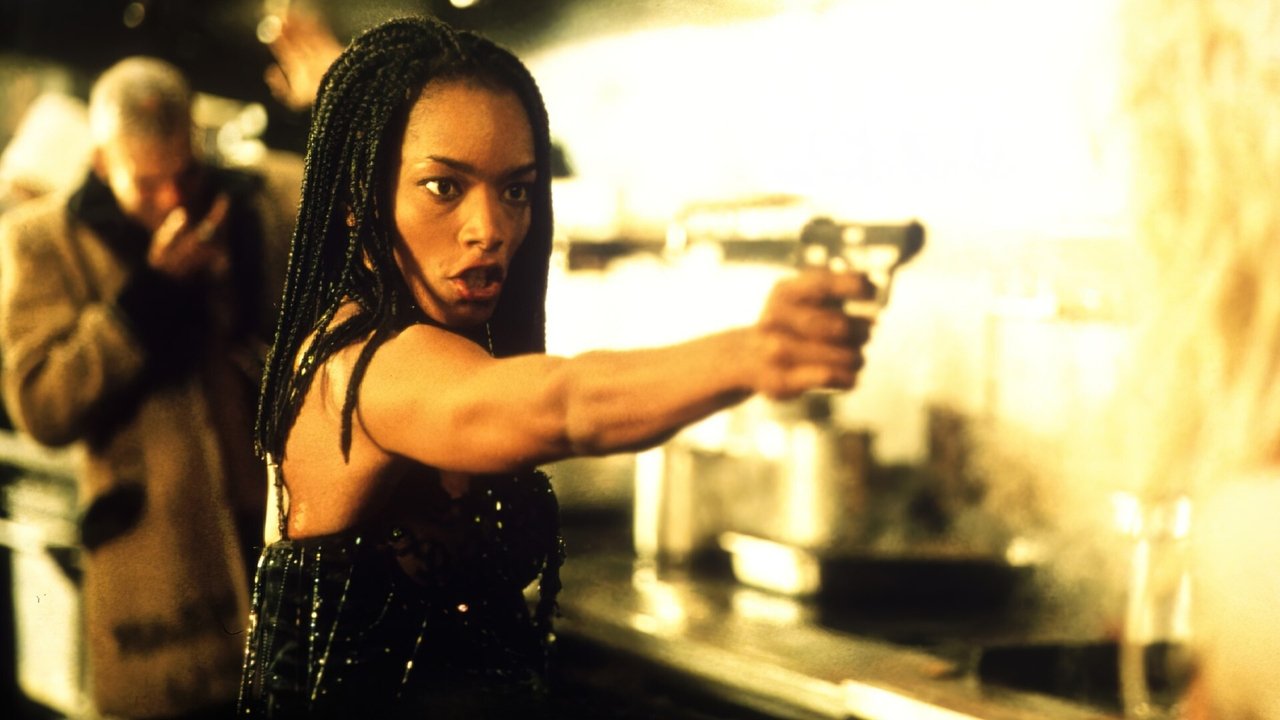
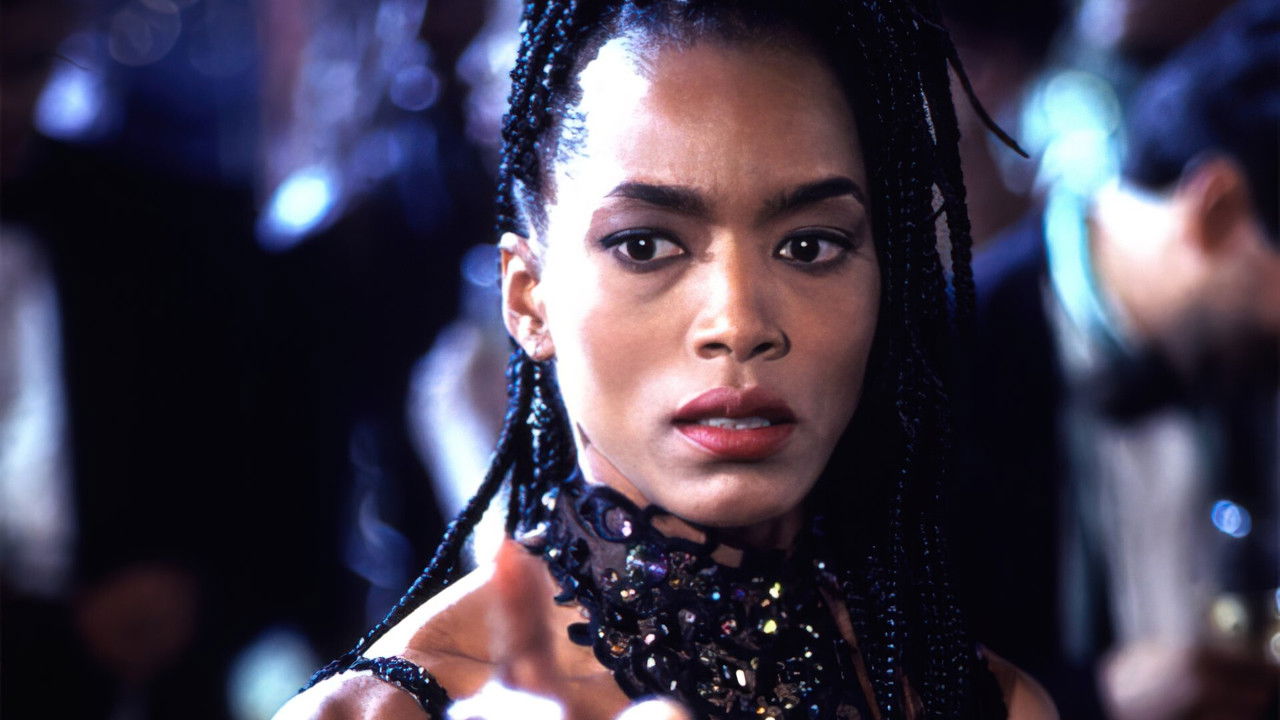
If Lenny is the film’s shaking, addicted heart, then Lornette "Mace" Mason is its spine. Angela Bassett delivers a performance that should have made her the biggest action star on the planet. As a limousine driver and bodyguard, she’s the only person in Lenny’s orbit who hasn't traded her soul for a digital fix. The chemistry between Angela Bassett and Ralph Fiennes is fascinating because it’s built on a foundation of exasperation and unspoken history.
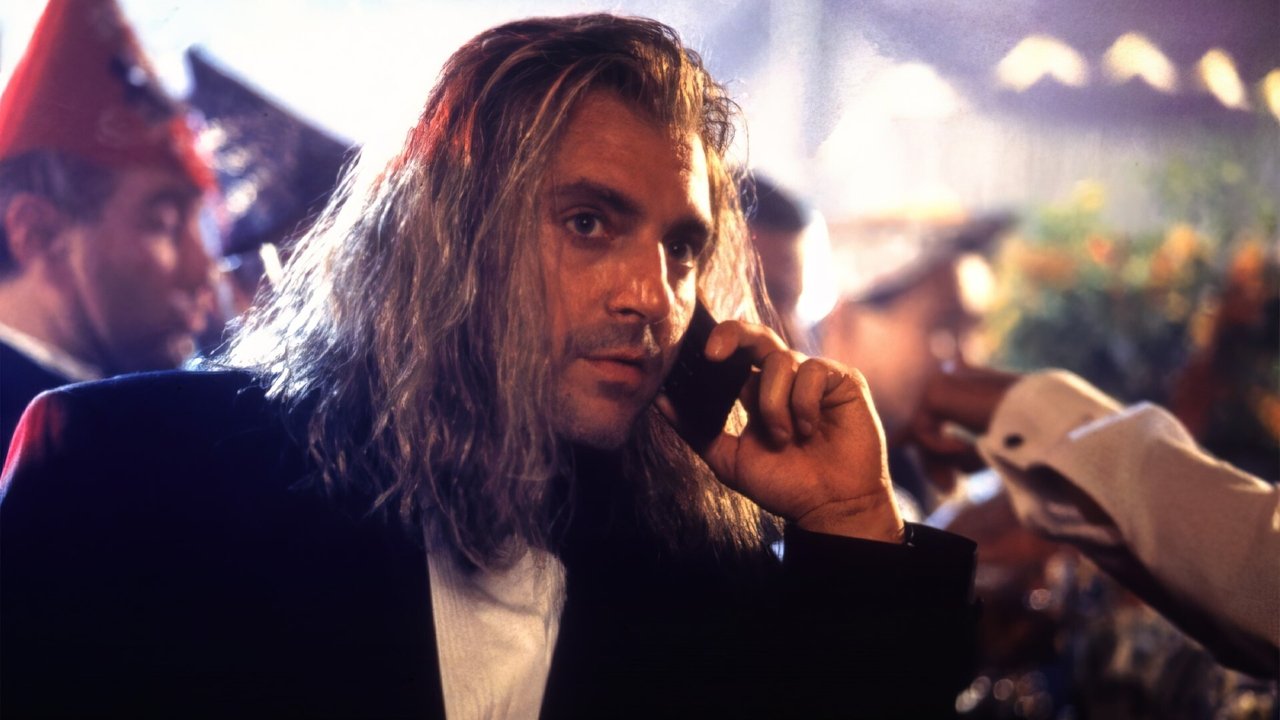
The supporting cast is a 90s fever dream. Tom Sizemore is perfectly cast as Lenny’s only friend, a private investigator who seems just a little too comfortable in the shadows, while Michael Wincott brings his signature gravel-voiced menace to the role of a paranoid music mogul. Even Vincent D’Onofrio shows up, leaning into the sleaze as a corrupt cop. It’s an ensemble that understands the assignment: make this world feel like it’s vibrating with anxiety.
The film’s failure at the box office is one of those Hollywood mysteries that probably comes down to timing. Released just weeks after Se7en, perhaps audiences were already filled up on grim, rain-soaked urban nightmares. Or maybe the marketing, with the tagline "You Know You Want It," didn't quite capture the film's deep, moral questioning of voyeurism.
Strange Days is a rare breed of big-budget filmmaking that takes genuine risks. It’s a movie that asks difficult questions about where we're going and what we're willing to watch along the way. While the tech might look a little dated—there are a lot of Minidiscs and bulky headsets—the emotional core is sturdier than ever. It’s a dark, intense ride that reminds me why Kathryn Bigelow remains one of our most uncompromising directors. By the time the clock strikes midnight on the film's version of the New Year, you’ll feel like you’ve survived a riot, which is exactly the point.
Keep Exploring...
-

Miller's Crossing
1990
-
Point Break
1991
-
Natural Born Killers
1994
-
The Rainmaker
1997
-
A Simple Plan
1998
-
Arlington Road
1999
-
Frequency
2000
-
Cape Fear
1991
-
Undisputed II: Last Man Standing
2006
-
United 93
2006
-
Before the Devil Knows You're Dead
2007
-

The Hurt Locker
2008
-
Zero Dark Thirty
2012
-
A Perfect World
1993
-
Carlito's Way
1993
-

Falling Down
1993
-
A Time to Kill
1996
-
Fargo
1996
-
Primal Fear
1996
-

Sleepers
1996