The Basketball Diaries
"From the top of the key to the bottom of the gutter."
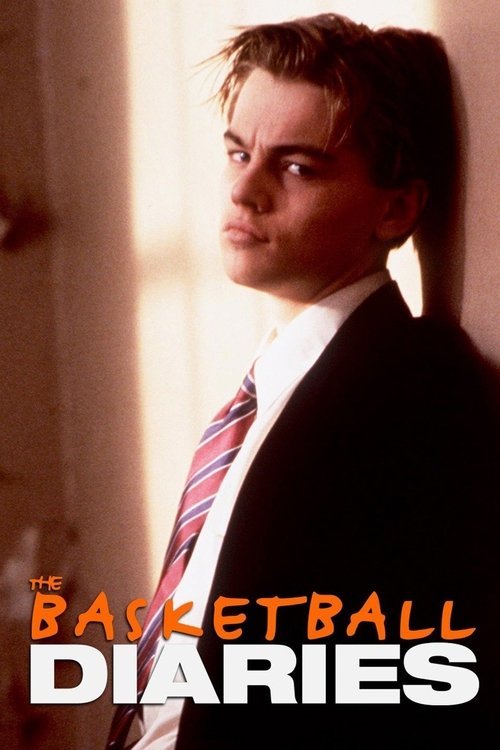
The sound of a basketball hitting the pavement in a New York City park has a specific, hollow rhythm. In the opening moments of The Basketball Diaries, that sound is the heartbeat of a life full of promise. But very quickly, the rhythm breaks. The ball bounces away, lost in the shadows of a side street, and we are dragged into a world where the only thing that matters is the next fix. I watched this on a thrifted couch that smelled faintly of old pennies, a sensory detail that somehow bridged the gap between my living room and the squalid, rain-slicked Manhattan that director Scott Kalvert depicts.

This is a mid-90s indie film through and through—gritty, uncompromising, and occasionally over-earnest. Released in 1995, it sits right in that sweet spot where independent cinema was beginning to prove it could produce massive stars. Before he was the King of the World on a sinking ship, Leonardo DiCaprio was the undisputed prince of the tortured indie drama, and his performance here is the reason the film still carries weight decades later.
A Masterclass in the Downward Spiral
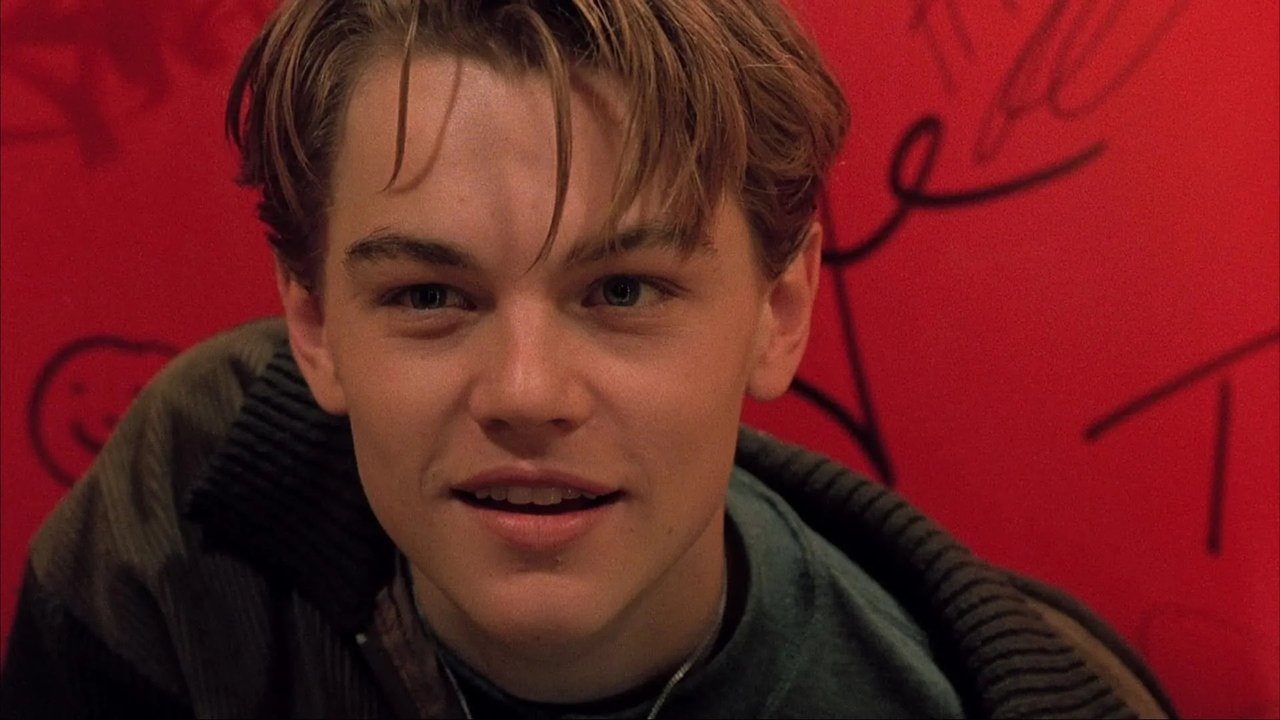
The story follows Jim Carroll, a real-life poet and musician, played by DiCaprio with a raw, terrifying commitment. Jim is a star player for a Catholic high school team, a kid with a scholarship future and a diary full of poetic observations. But a "recreational" taste of heroin with his teammates—including a young, surprisingly menacing Mark Wahlberg as Mickey—turns into a total eclipse of his soul.
What struck me most on this rewatch is how DiCaprio handles the physical deterioration. He doesn't just act high; he acts like a boy who is slowly being replaced by a ghost. There is a scene where Jim returns to his mother’s apartment, begging through a locked door for money, his voice cracking into a desperate, high-pitched wail. It’s harrowing. Lorraine Bracco, playing Mrs. Carroll, matches him beat for beat. The agony on her face as she chooses to leave her son in the hallway is the kind of domestic horror that stays with you long after the credits roll.
The Grit of the $2 Million Budget
In the mid-90s, the "Indie Film Renaissance" was in full swing, and The Basketball Diaries is a prime example of what you can do with a shoestring budget and a lot of nerve. With only $2 million to work with—barely a rounding error for the blockbusters of 1995 like GoldenEye—the production had to rely on the actual streets of New York. There’s no Hollywood gloss here. The locker rooms feel damp, the shooting galleries look like they smell of rot, and the lighting is often harsh and unforgiving.
This lack of resources actually serves the narrative. Scott Kalvert, who came from a background of directing music videos (including Marky Mark’s "Good Vibrations," funnily enough), uses a frantic, sometimes claustrophobic camera style that mirrors Jim’s withdrawal. The film treats heroin addiction with the subtlety of a sledgehammer to the kneecaps, but in the context of the 90s "heroin chic" trend, this bluntness was a necessary cold shower. It refuses to make the lifestyle look cool, even if the young actors are undeniably charismatic.
Stuff You Might Not Have Noticed
Part of the charm of these 90s indie gems is the "before they were famous" factor and the DIY spirit behind the scenes.
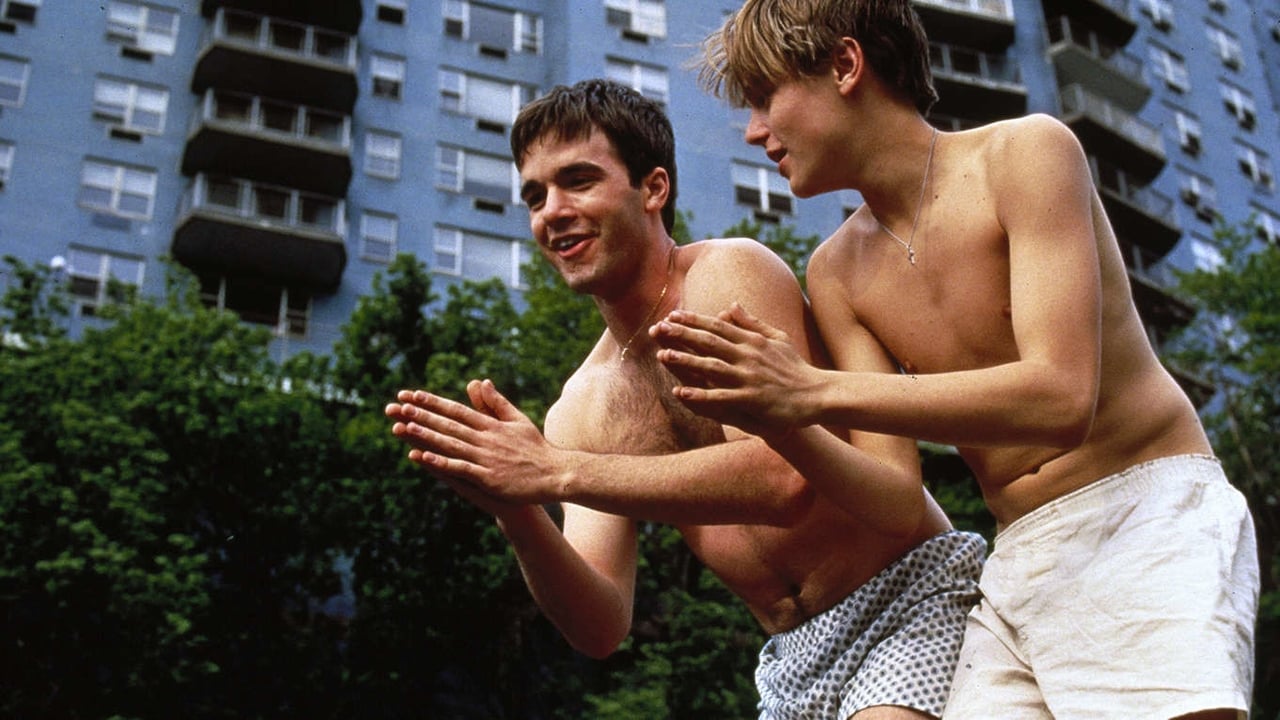
The Real Jim Carroll: The man himself makes a brief, haunting appearance. You can spot the real Jim Carroll in the basement scene, playing a drug addict who tells the boys about "the quality" of the junk. It’s a meta-moment that adds a layer of tragic authenticity to the proceedings. The Long Road to Screen: This movie was stuck in "development hell" for nearly twenty years. At various points in the 80s, actors like Ethan Hawke or even River Phoenix were considered for the lead. The fact that it finally got made on such a small budget is a testament to the producers' belief in the source material. Wahlberg’s Pivot: This was only Mark Wahlberg's second major film role. At the time, the public still saw him as a rapper/underwear model. His performance as the volatile Mickey was the first real sign that he had the chops to survive in Hollywood long after the music stopped. Basketball Choreography: Despite the title, the basketball scenes are secondary to the drama, but the actors actually spent weeks training together to look like a cohesive, high-level team. James Madio (Pedro) and Patrick McGaw (Neutron) help flesh out an ensemble that feels like a genuine brotherhood before the drugs tear them apart.
The Weight of the Era
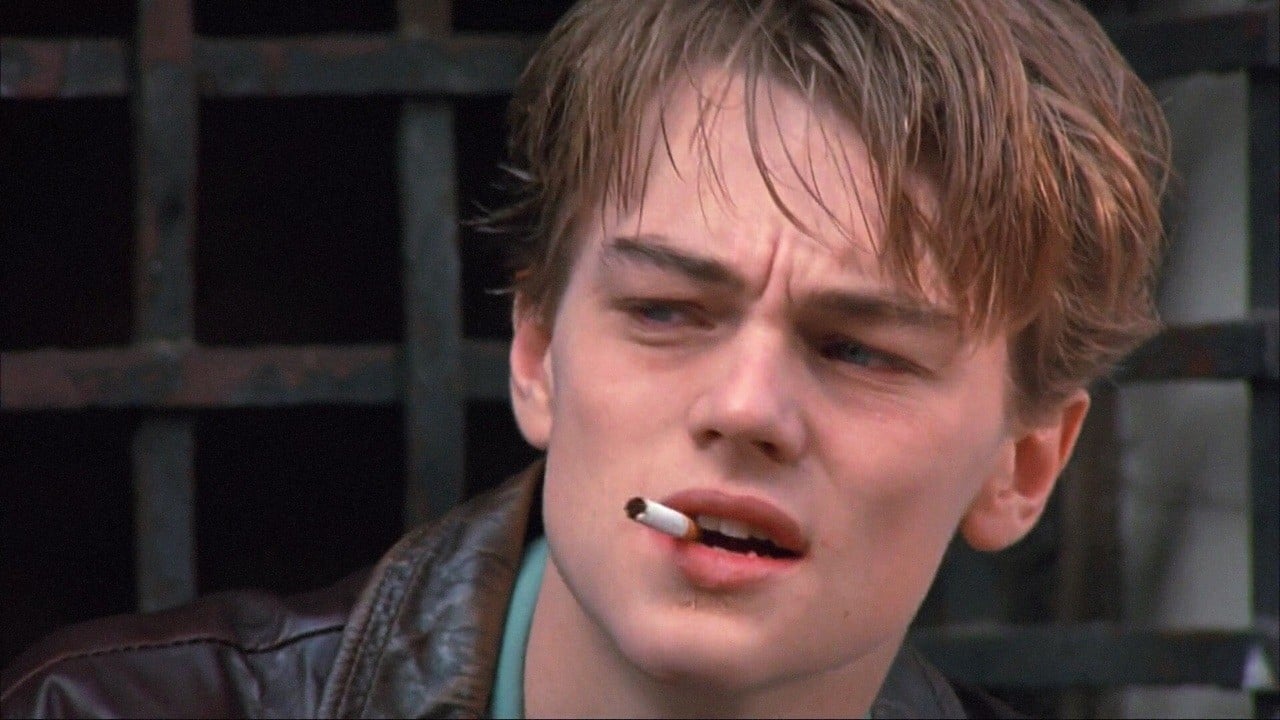
Looking back, The Basketball Diaries feels like a time capsule of pre-digital New York. There are no cell phones to call for help, no social media to document the fall—just the cold pavement and the occasional kindness of strangers, like Reggie, played with a quiet, soulful gravity by Ernie Hudson. Reggie is the only character who treats Jim like a human being rather than a lost cause, and their scenes provide the film's only real moments of oxygen.
However, the film isn't perfect. Jim’s poetry is often just a teenager complaining with a rhythm section behind him, and some of the dream sequences—particularly the infamous classroom shooting fantasy—feel incredibly dated and jarringly out of place in 2024. But as a portrait of a specific time, a specific place, and the terrifying speed of addiction, it remains a potent piece of cinema. It’s a reminder that before the franchises took over, movies could be small, ugly, and desperately human.
It is a difficult, often draining watch, but the performances from DiCaprio and Wahlberg make it essential for anyone interested in the evolution of modern A-listers. It doesn't offer easy answers, and it doesn't apologize for its grimness. It just sits there, like a bruised knee, reminding you how quickly a life can go out of bounds. If you can stomach the intensity, it’s a trip worth taking.
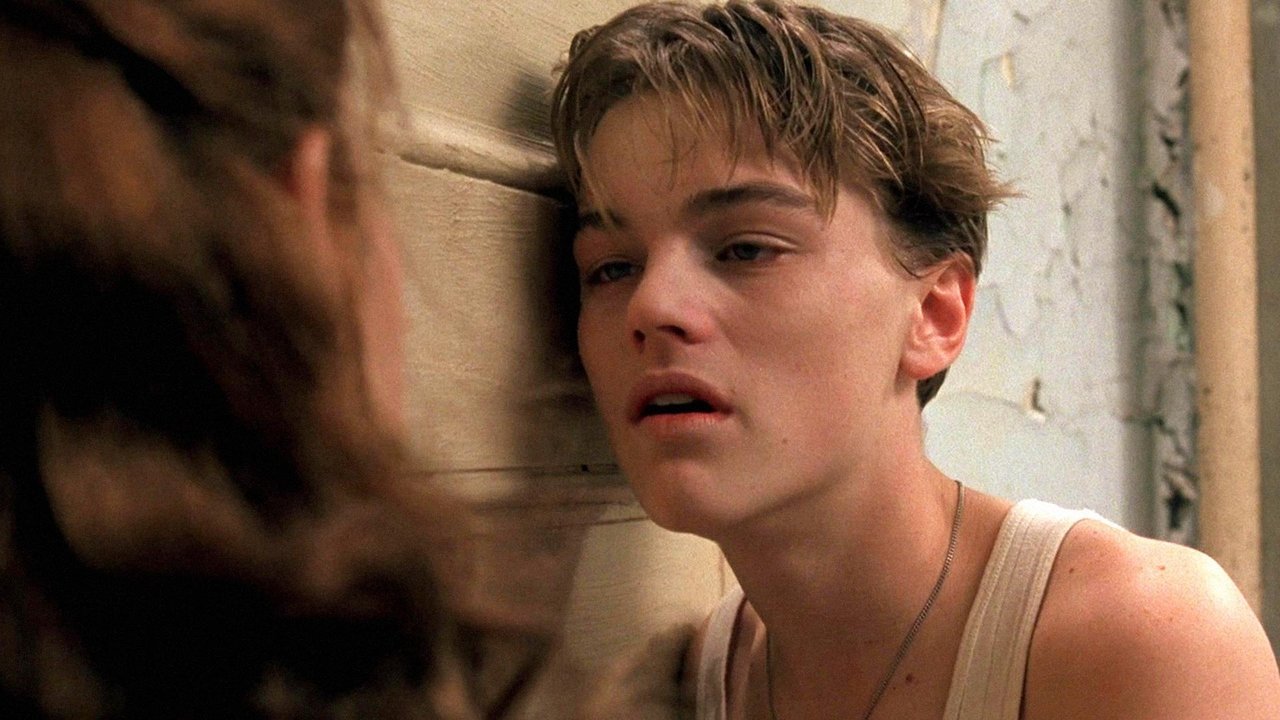
Keep Exploring...
-
Bad Lieutenant
1992
-
Bound
1996
-
The Departed
2006
-
Ghost Dog: The Way of the Samurai
1999
-

Elephant
2003
-
Felon
2008
-

Blood and Bone
2009
-
Undisputed III: Redemption
2010
-
Gangs of New York
2002
-
Cape Fear
1991
-
Natural Born Killers
1994
-
Strange Days
1995
-
Donnie Brasco
1997
-
Boys Don't Cry
1999
-

Requiem for a Dream
2000
-
Irreversible
2002
-
This Is England
2007
-
Bronson
2009
-

Leviathan
2014
-
Catch Me If You Can
2002