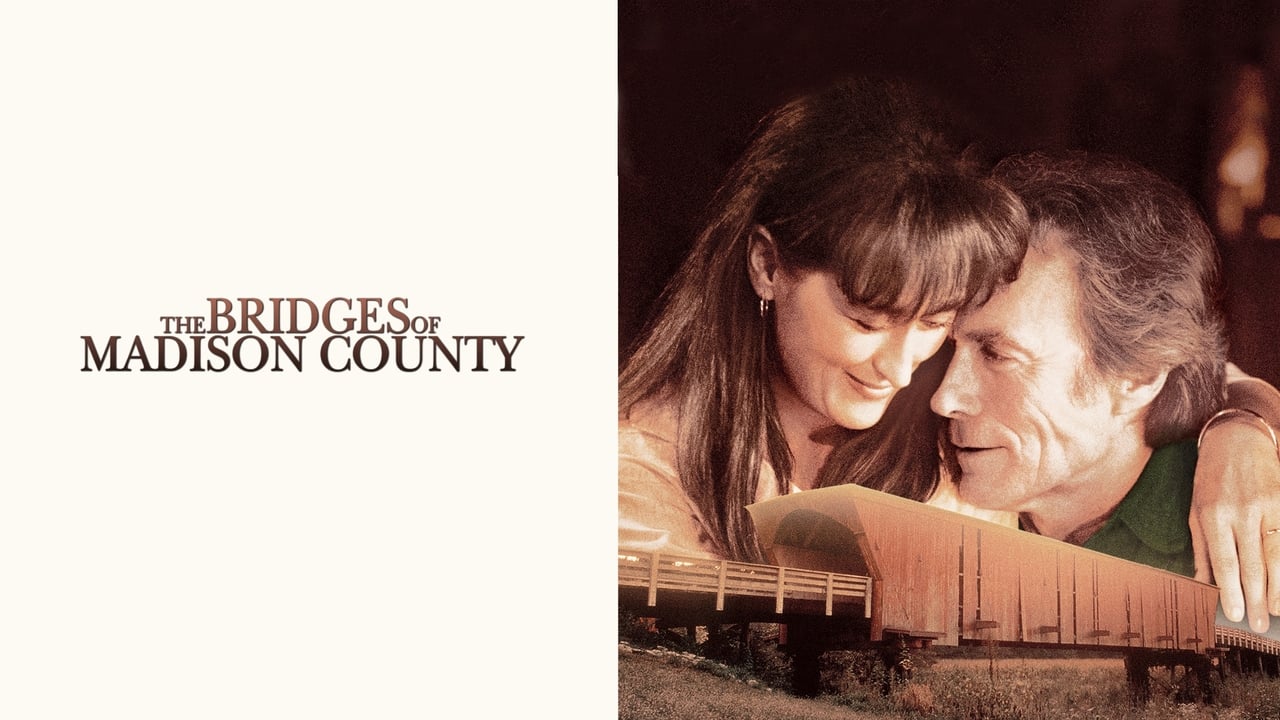
The Bridges of Madison County
"A lifetime's worth of love in four days."
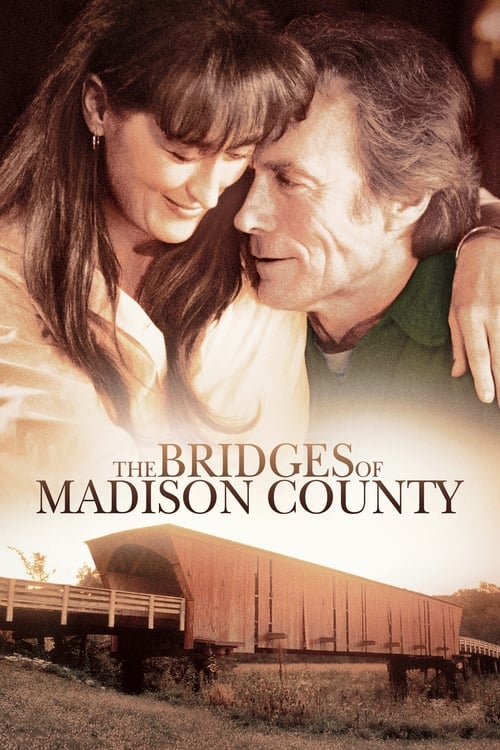
I remember watching The Bridges of Madison County for the first time on a humid Tuesday afternoon while snacking on a bag of slightly stale pretzel sticks. At the time, I was probably too young to understand the tectonic plates of middle-aged regret, but even then, the silence of the film struck me. In an era where the 1990s were beginning to rev up the CGI engines for Twister and Independence Day, Clint Eastwood—the man who built a career on "Get off my lawn" energy—decided to make a movie about a housewife, a bridge, and a very long, very quiet conversation.
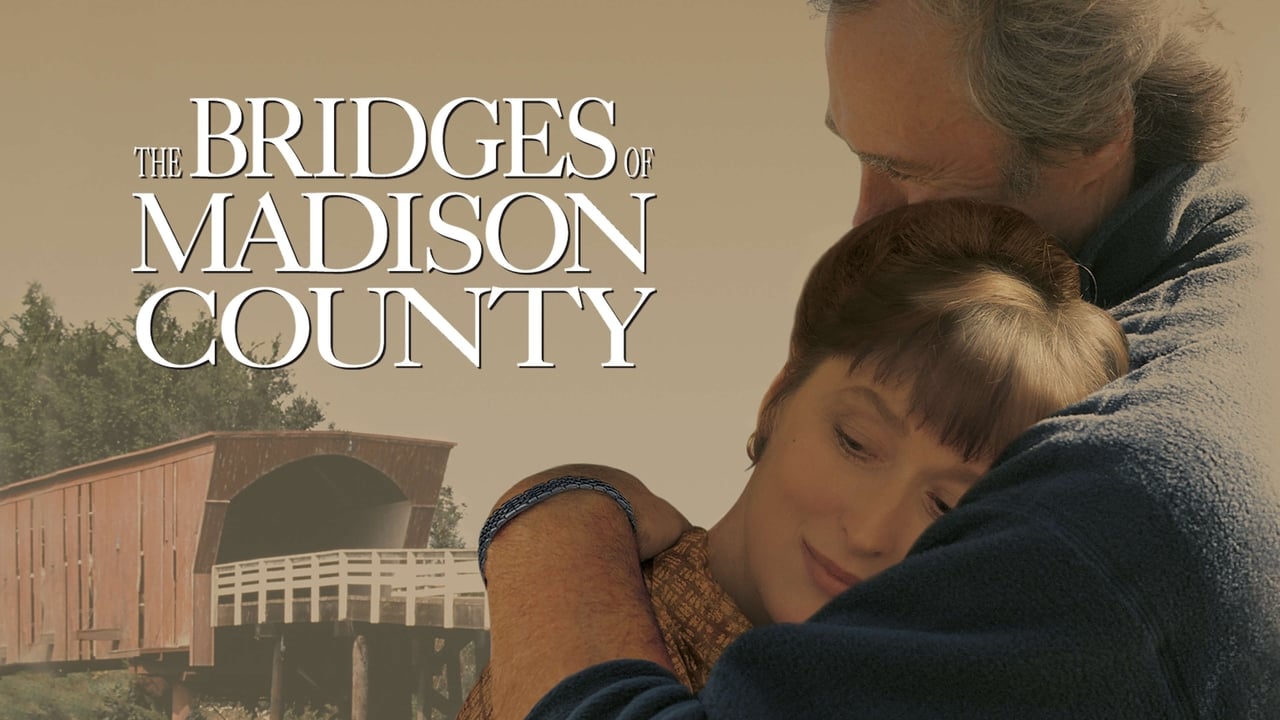
It’s a film that shouldn’t have worked. The source material, Robert James Waller’s novel, was often dismissed by critics as a "supermarket checkout" tearjerker. Yet, under Eastwood’s steady hand, it transformed into one of the most intellectually honest and devastatingly adult romances of the decade. It’s a 135-minute deep breath that asks a terrifying question: Is the life you chose actually the one you were meant for?
The Architecture of a Choice
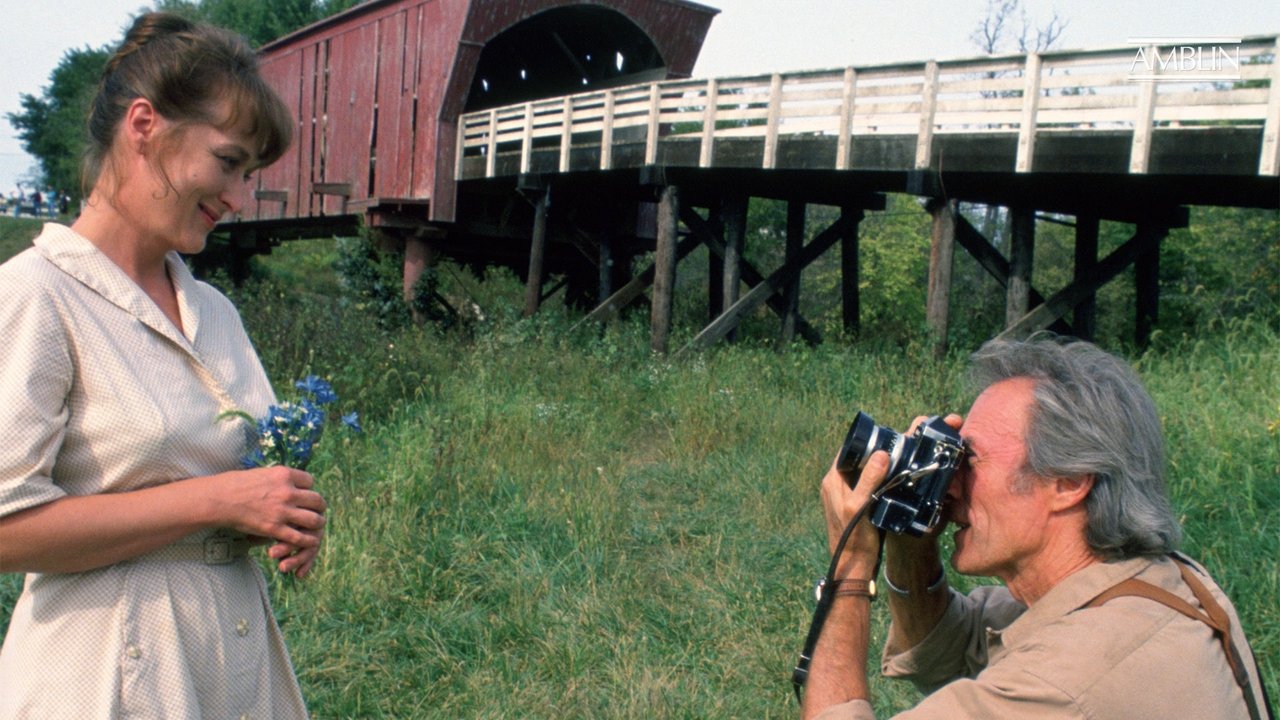
The film centers on Francesca Johnson (Meryl Streep), an Italian war bride living a dusty, predictable life on an Iowa farm. When her husband and kids leave for the State Fair, she’s left alone for four days. Enter Robert Kincaid (Clint Eastwood), a National Geographic photographer who pulls up in a dusty truck looking for the Roseman Bridge. What follows isn't some frantic, bodice-ripping melodrama. It’s a slow-motion collision of two souls who realize, perhaps too late, that they speak the same language.
Meryl Streep is, unsurprisingly, a godsend here. She put on a bit of weight for the role to look like a woman who has spent decades cooking hearty farm meals, and her accent is a delicate blend of Italian roots and Midwestern flat-vowels. She conveys more with the way she leans against a kitchen counter than most actors do with a ten-minute monologue. Clint Eastwood, meanwhile, gives a performance that feels like a quiet apology for every tough guy he ever played. He’s vulnerable, slightly weathered, and completely abandons his "Dirty Harry" squint for a look of genuine longing.
The brilliance of Richard LaGravenese’s screenplay is how it handles the "affair." It doesn’t treat it as a tawdry escape, but as a philosophical crisis. Francesca is a "good" woman who loves her family, but Robert represents the part of her that died the moment she stepped off the boat from Italy. The film forces us to grapple with the morality of it: Is a four-day spark more "real" than a twenty-year marriage?
The 90s Blockbuster of the Soul
Looking back, it’s wild to realize how much of a commercial juggernaut this was. With a modest $24 million budget, it raked in $182 million. In 1995, audiences were hungry for this kind of "adult" cinema—the kind that didn't involve explosions or high-concept hooks. This was the peak of the "DVD as a prestige library" era. I recall seeing the distinctive cream-colored cover of the Bridges DVD on almost every parent’s shelf. It was a film that invited you to sit with it, to listen to Lennie Niehaus’s haunting score, and to appreciate Jack N. Green’s cinematography, which makes the Iowa landscape look like a golden, hazy dreamscape.
The production itself was a testament to Eastwood’s legendary efficiency. He famously hates multiple takes, believing they kill the spontaneity of a performance. This worked beautifully for Streep, whose reactions feel startled and fresh. Apparently, they filmed the entire movie in chronological order—a rare luxury that allowed the chemistry between the two leads to grow naturally. Warner Bros. originally pushed for a younger actress to play Francesca, but Eastwood stood his ground. He knew the story only mattered if the stakes were rooted in the weight of a life already half-lived.
One of the coolest details I found out later was that the actual Roseman Bridge became such a pilgrimage site for fans that it had to be protected from graffiti. People were so moved by the fictionalized version of this location that they wanted to carve their own "Francescas" and "Roberts" into the wood. That’s the power of a blockbuster that hits the heart instead of the adrenaline.

The Truck Door and the Rainy Goodbye
If you haven't seen the film, I won't spoil the specifics of the ending, but I will talk about "The Scene." You know the one—the truck door handle. It is arguably the most tense moment in 90s cinema, and there isn't a single gun pointed at anyone. It’s just Francesca, sitting in a truck in the pouring rain, her hand hovering over the door handle while Robert waits in the car ahead.
It’s a masterpiece of editing and restraint. Clint Eastwood is actually a better romantic lead when he’s not trying to be a romantic lead, and in that moment, the silence is deafening. The film argues that our lives aren't defined by the grand things we say, but by the doors we choose not to open. It’s a heavy, cerebral realization that sticks with you long after the credits crawl over the black-and-white photos of the bridges.
The Bridges of Madison County is a rare bird: a mainstream romance that respects its audience's intelligence. It’s a film that acknowledges that love is often messy, inconvenient, and wrapped in layers of duty. While the framing device involving Francesca’s adult children (Annie Corley and Victor Slezak) can occasionally feel a bit clunky compared to the 1960s sequences, it serves its purpose in showing how the secrets of our parents shape our own futures. It’s a beautiful, melancholic reassessment of what it means to be a person who chose a path and then saw the "fork in the road" too late. If you’re looking for a drama that earns every single one of its tears, this is it.
Keep Exploring...
-
A Perfect World
1993
-
Unforgiven
1992
-
The Horse Whisperer
1998
-
Brokeback Mountain
2005
-
The Reader
2008
-
Mystic River
2003
-
P.S. I Love You
2007
-
Water for Elephants
2011
-

What's Eating Gilbert Grape
1993
-
10 Things I Hate About You
1999
-
Moulin Rouge!
2001
-
Atonement
2007
-
Ghost
1990
-

Legends of the Fall
1994
-

Romeo + Juliet
1996
-
The English Patient
1996
-
Chocolat
2000
-
Before Sunrise
1995
-

Dilwale Dulhania Le Jayenge
1995
-
A Few Good Men
1992