The City of Lost Children
"Steal the dream, stop the clock."
The first time I saw the opening sequence of The City of Lost Children, I wasn’t sure if I was watching a movie or having a high-fever hallucination. Dozens of Santa Clauses materialize in a child’s bedroom, emerging from the fireplace in an endless, rhythmic procession of velvet and soot. It is terrifying, enchanting, and utterly bizarre. I watched this for the first time on a grainy VHS while my neighbor was outside having a very loud, very heated argument with a lawnmower, and honestly, the suburban noise only made the film's industrial-grime aesthetic feel more like a sanctuary.
Released in 1995, this French-Spanish-German co-production is the kind of movie that feels like it shouldn't exist. It’s a $18 million art-house fantasy that looks like it cost $100 million, yet it remains a "forgotten" gem because it refuses to play by any of the rules of 90s blockbuster cinema. Directed by the visionary duo Jean-Pierre Jeunet and Marc Caro (Delicatessen), it’s a dark fairy tale that occupies the space between a steampunk nightmare and a child's storybook.
A World Drowned in Green and Gold
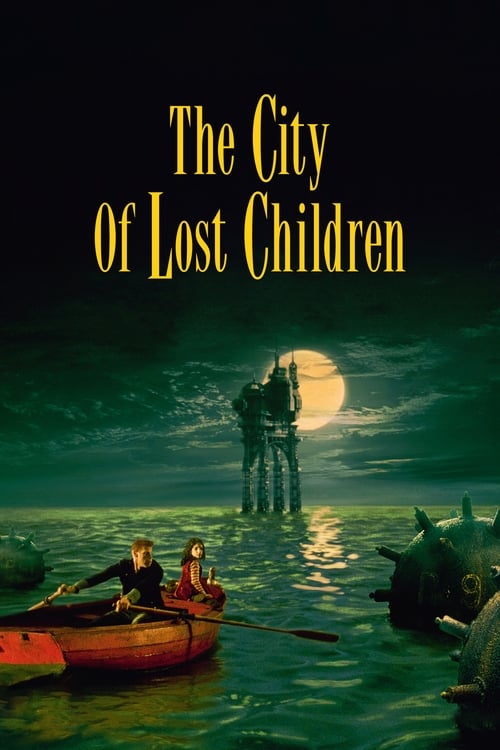
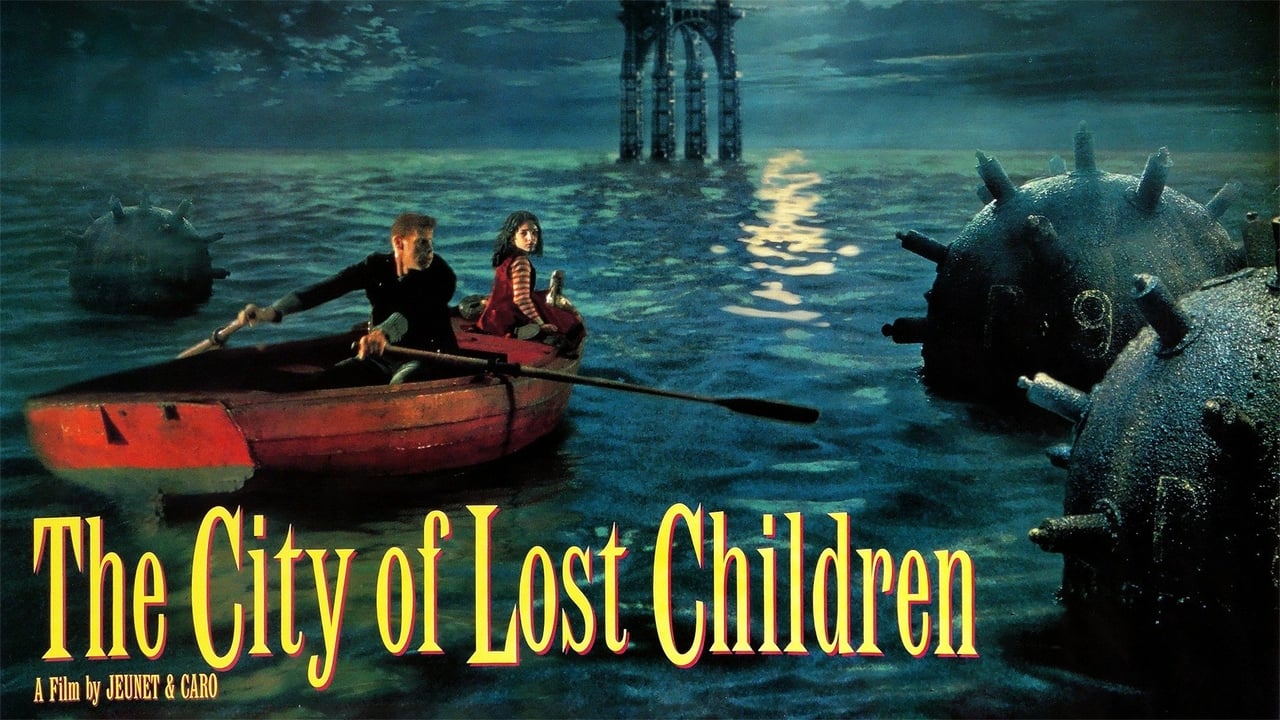
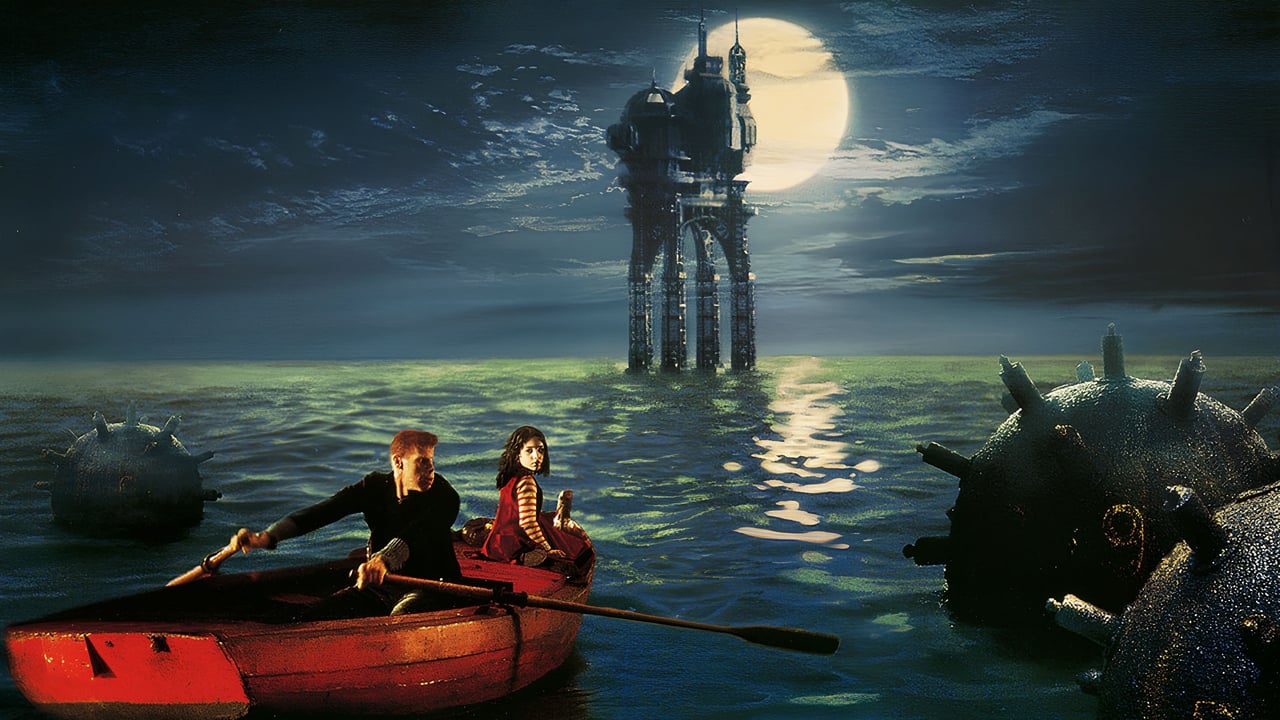
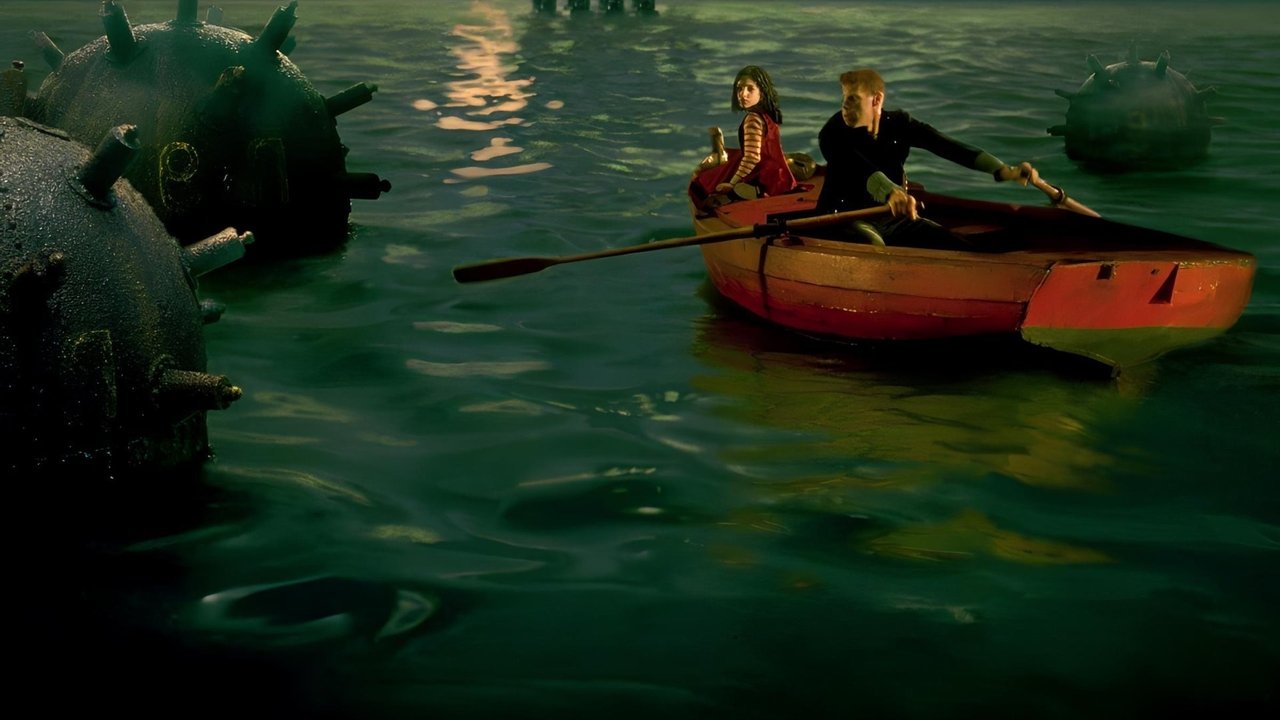
The "City" of the title is a fog-drenched harbor town that looks like an oil painting left out in the rain. There is no sun here; everything is bathed in a sickly, beautiful palette of emerald greens and deep copper. This was the era where directors were still obsessed with physical texture, and you can practically feel the rust and sea salt on every surface.
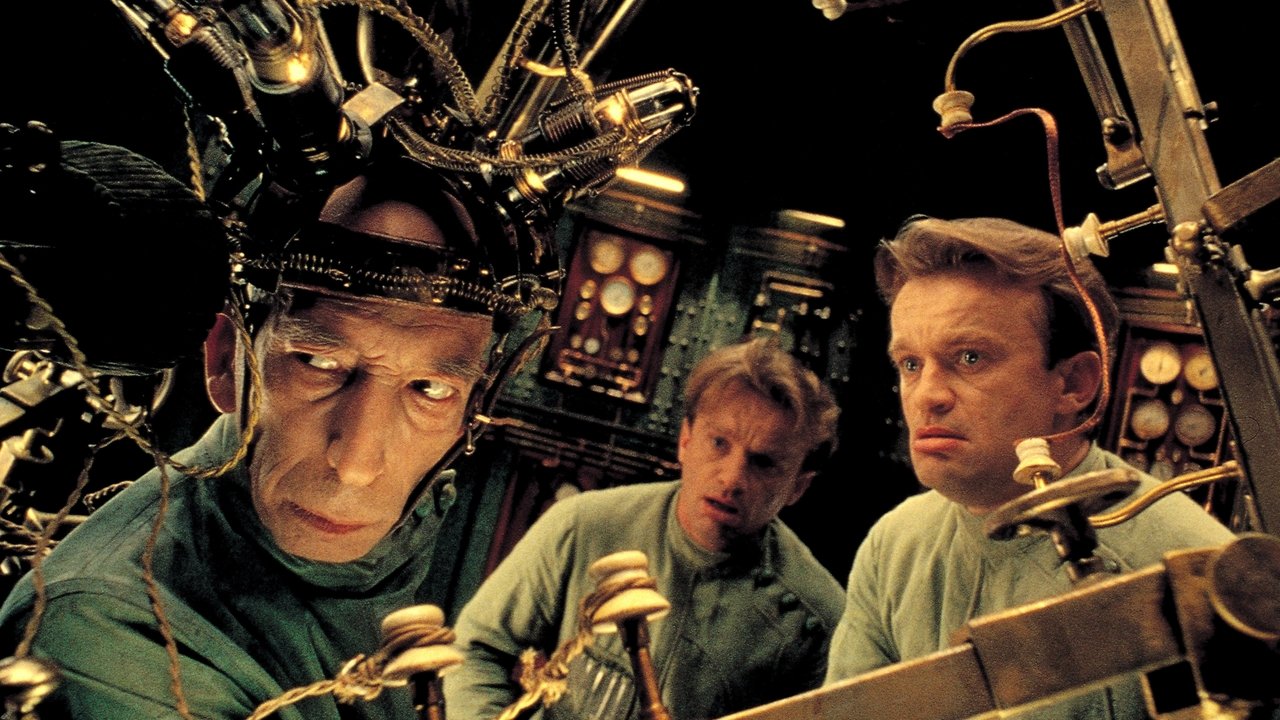
The plot is deceptively simple: Krank (Daniel Emilfork), a tormented scientist living on a rogue rig in the ocean, is incapable of dreaming. This lack of a subconscious is causing him to age rapidly, so he resorts to kidnapping children to steal their dreams via a convoluted mechanical crown. The problem? Children are terrified of him, so he only harvests their nightmares. Krank is basically what would happen if a mid-life crisis were a literal horror movie.
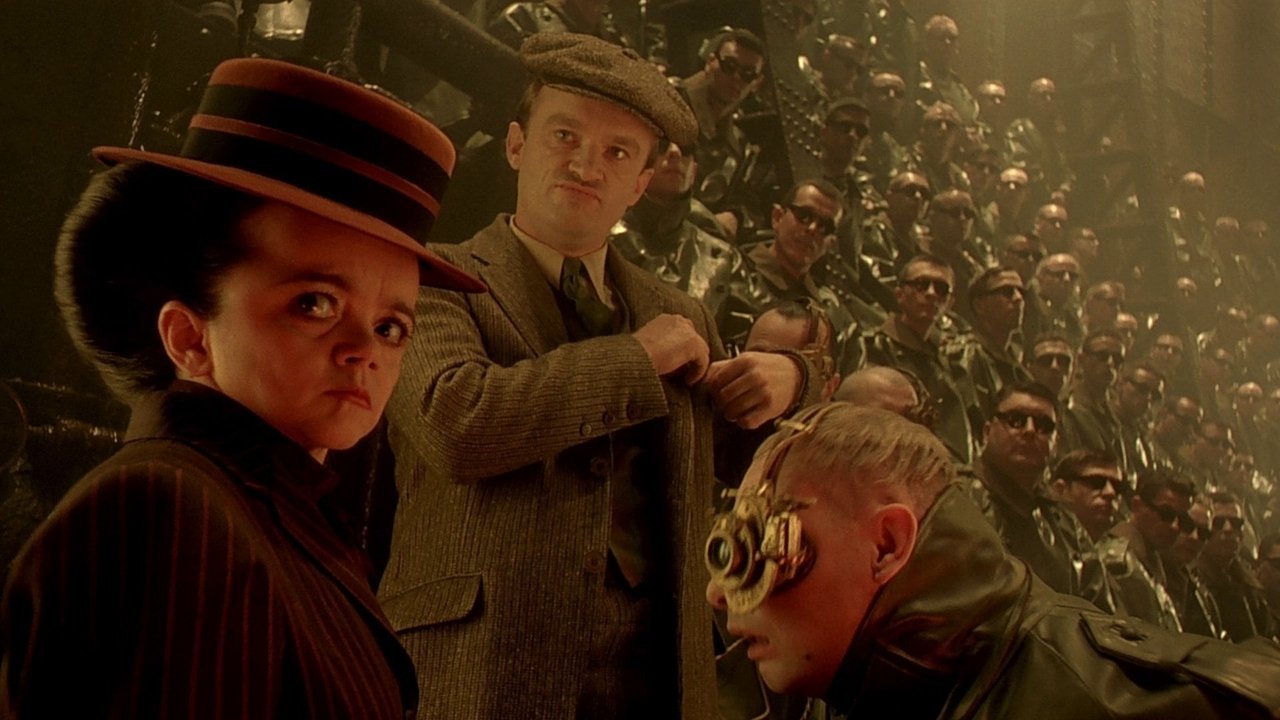
Daniel Emilfork, with a face that looks like it was carved out of a very old, very grumpy tree, is a revelation. He manages to make a child-stealer feel oddly pathetic, a man-made monster who just wants to sleep. To populate his rig, he’s surrounded by a cast of oddities: a brain in a tank named Irvin, a cult of blind "Cyclops" who trade their eyes for mechanical ears, and six identical, narcoleptic clones all played by the irrepressible Dominique Pinon (Amélie, Alien: Resurrection).
The Strongman and the Street Urchin
At the center of this chaos is One, played by a young, soulful Ron Perlman. If you only know him as Hellboy or the grizzled biker from Sons of Anarchy, his performance here is a must-see. Ron Perlman didn't speak a word of French when he was cast, so he learned his lines phonetically. This adds a layer of gentle, hesitant vulnerability to his character—a circus strongman searching for his kidnapped little brother.
He eventually teams up with Miette (played by Judith Vittet), a sharp-witted orphan who leads a gang of child thieves. The chemistry between the massive, hulking Perlman and the tiny, fierce Vittet provides the film’s emotional anchor. Without them, the movie might have drifted off into being a mere technical exercise. Instead, their bond makes the stakes feel real, even when they’re navigating a world where a trained flea can inject a person with a mind-control serum.
Speaking of that flea—the film’s use of early CGI is fascinating. Pitof, the visual effects supervisor (who later directed the ill-fated Catwoman), utilized digital effects to enhance the practical world rather than replace it. The scene where a single tear travels through a complex Rube Goldberg-style sequence of events is a masterpiece of timing and imagination. It’s digital craft used to serve a surrealist vision, and it makes most modern Marvel movies look like they were rendered on a calculator.
Why It Vanished (And Why You Should Find It)
So, why isn't this mentioned in the same breath as The City of Lost Children’s contemporaries like The Fifth Element or 12 Monkeys? Part of it was the "foreign film" barrier in the mid-90s US market. It was weird, it was subtitled, and the marketing didn't know whether to sell it as a kid’s adventure or a grown-up fever dream. It’s also unapologetically dark. Jean-Paul Gaultier designed the costumes—including the iconic striped sweaters and structured coats—giving the film a high-fashion edge that likely confused the "action figure" crowd.
Looking back, The City of Lost Children is a bridge between the old world of physical miniatures and the new world of digital possibilities. It’s a film that demands your full attention because every frame is packed with enough detail to fill a museum. It captures that specific 90s anxiety about technology and the loss of innocence, but it does so with a sense of wonder that feels timeless.
If you’re tired of the "clean" look of modern digital cinema, this is the antidote. It’s messy, grimy, and deeply human. It reminds me that movies don’t always need to make perfect logical sense if they can make perfect emotional sense. Whether you're a fan of steampunk, Terry Gilliam, or just want to see Ron Perlman be a big sweetheart in a world of monsters, hunt this one down. It’s a dream worth stealing.
Keep Exploring...
-

Delicatessen
1991
-
The Young and Prodigious T.S. Spivet
2013
-
The Invisible Boy
2014
-

Amélie
2001
-

A Very Long Engagement
2004
-
Forever Young
1992
-

Small Soldiers
1998
-
Final Fantasy VII: Advent Children
2005
-

Justice League: The Flashpoint Paradox
2013
-

DuckTales: The Movie - Treasure of the Lost Lamp
1990
-

The Rescuers Down Under
1990
-
Bill & Ted's Bogus Journey
1991
-

Star Trek VI: The Undiscovered Country
1991
-

The Rocketeer
1991
-
James and the Giant Peach
1996
-

Mystery Men
1999
-
A Monster in Paris
2011
-
Pom Poko
1994
-
Mighty Joe Young
1998
-
Titan A.E.
2000