The Net
"Your identity isn't yours anymore. It's been deleted."
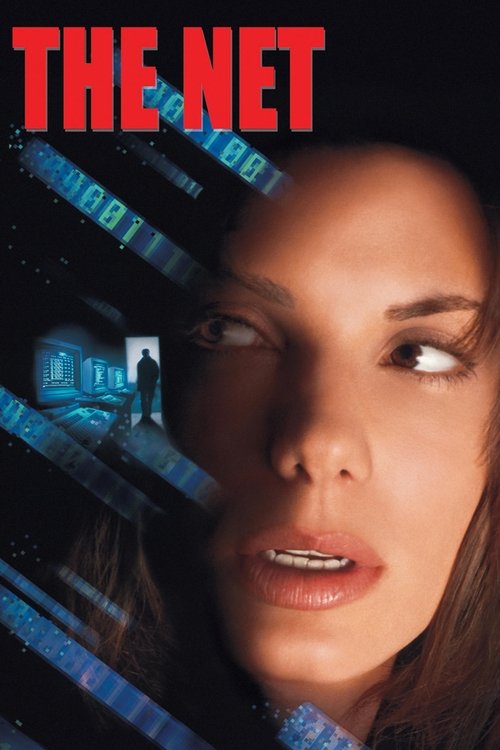
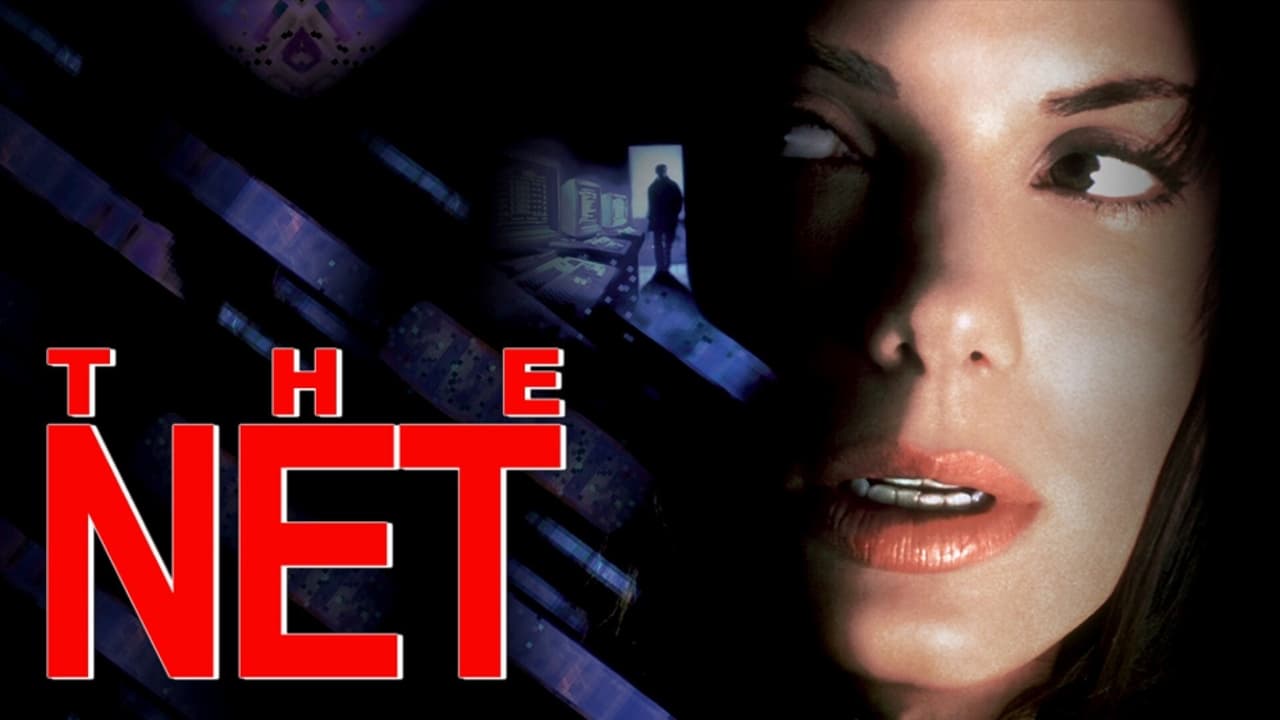
I watched The Net last night on a laptop with a screen that definitely has a higher resolution than every computer used in the actual movie combined, while eating a slightly stale bagel I forgot to toast. It’s a strange experience revisiting this film in the age of fiber-optic speeds and biometric security. In 1995, the "Information Superhighway" was a scary, mist-shrouded bridge we were all crossing for the first time. Today, the bridge is our permanent home, and the monsters under it have mostly just become annoying advertisers.
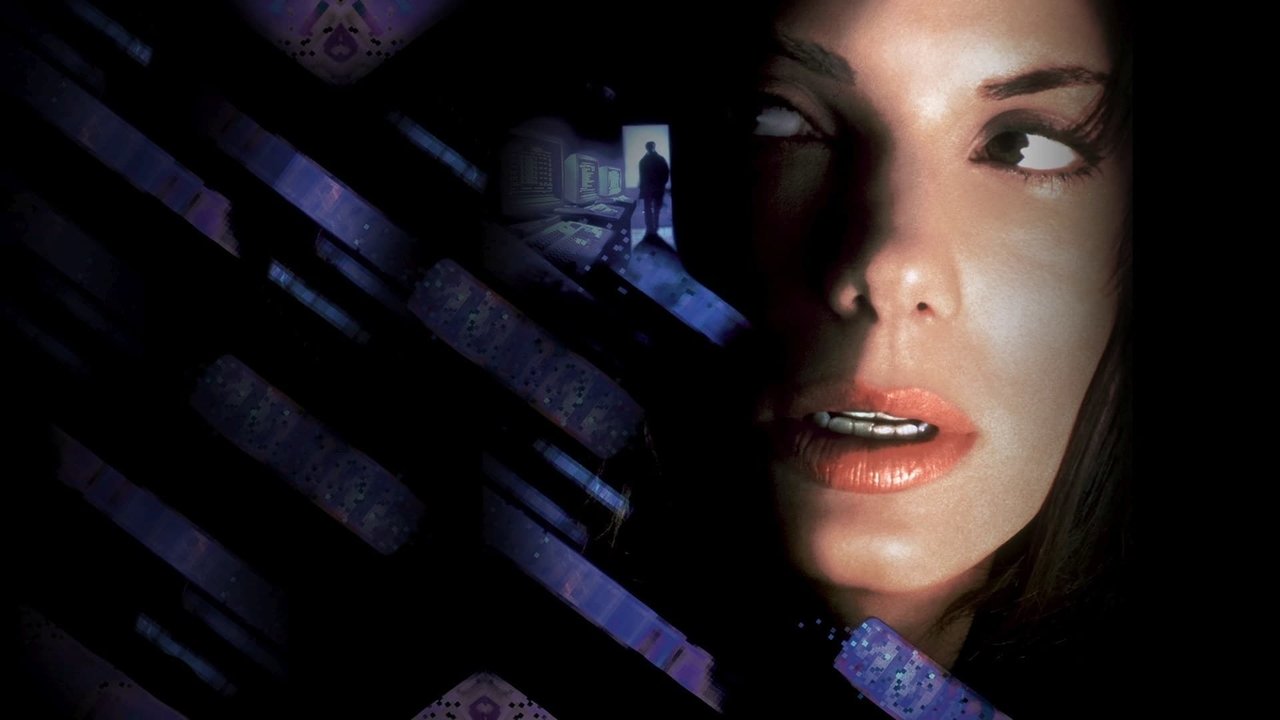
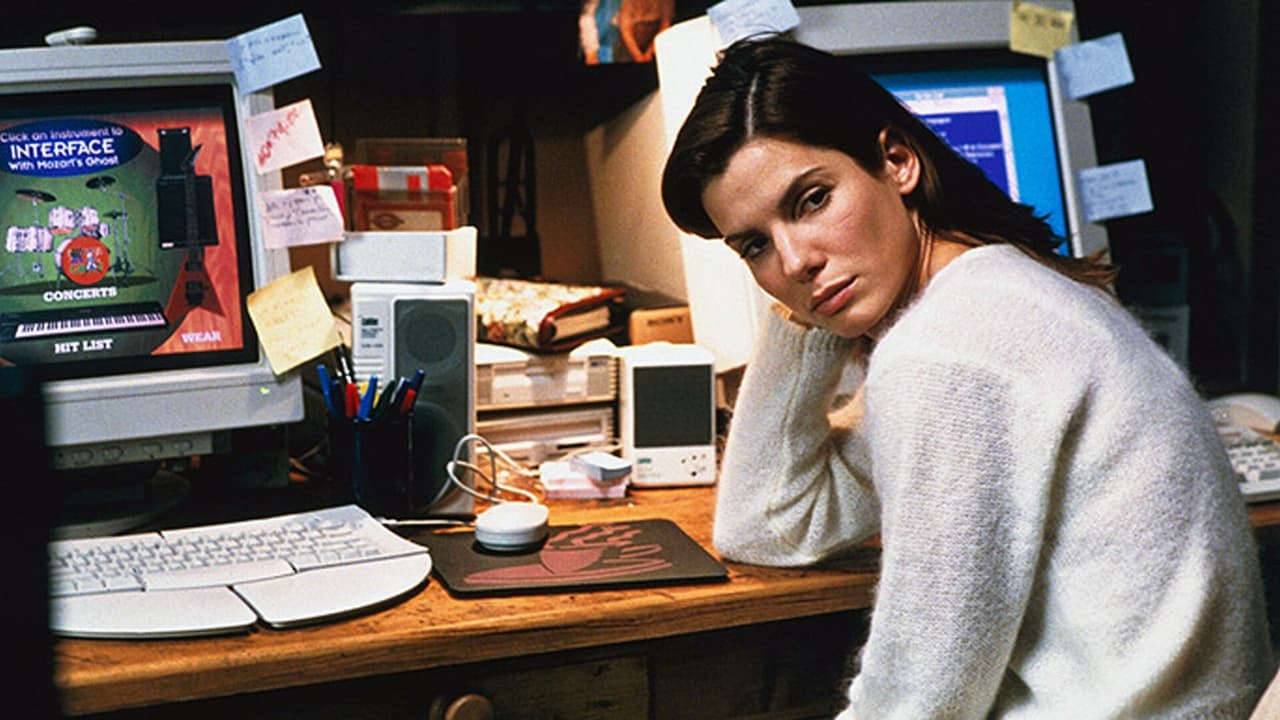
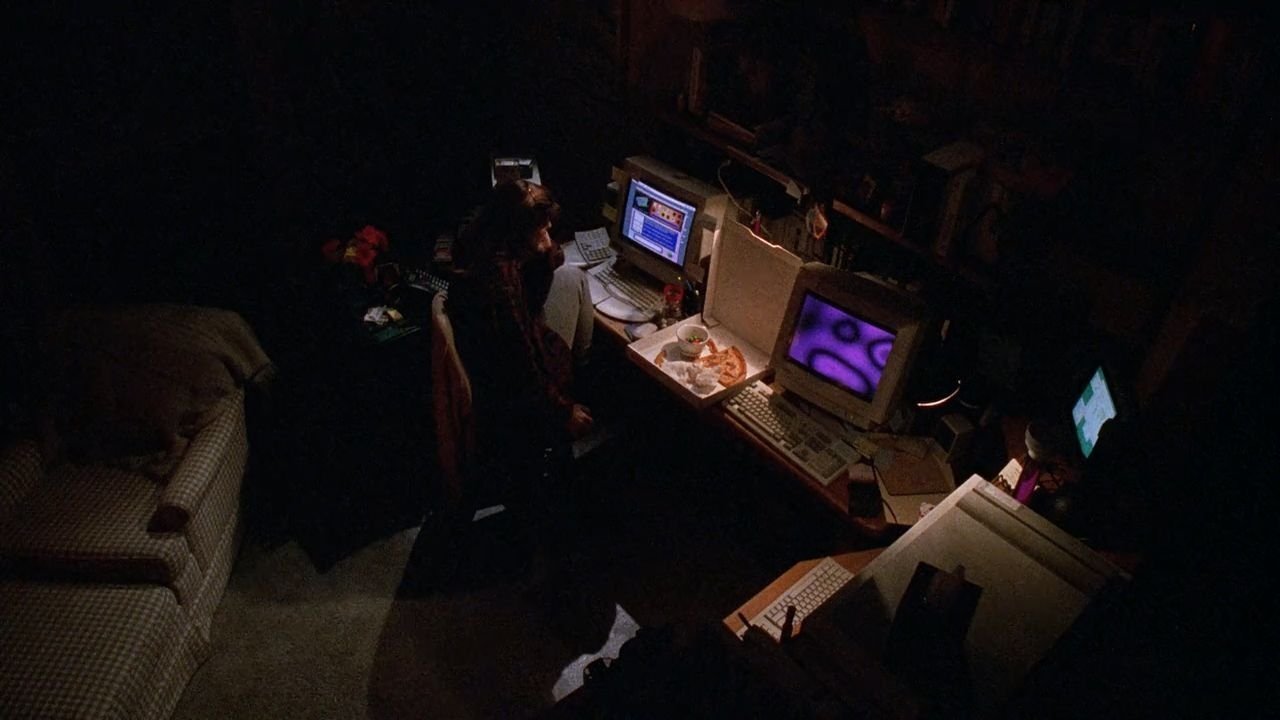
Yet, there is something remarkably durable about Sandra Bullock’s performance here. Coming right off the success of Speed (1994) and While You Were Sleeping (1995), she was the undisputed "girl next door" of the decade. In The Net, she plays Angela Bennett, a freelance systems analyst who lives entirely through her screen. She’s a pioneer of the "work from home" lifestyle before it was a global necessity, ordering pizza via a clunky interface and chatting with "friends" in 8-bit chat rooms. When she receives a mysterious floppy disk (remember those?) containing a backdoor into top-secret systems, her life is systematically erased.
The Pizza That Launched a Thousand Clicks
There is a scene early in the film where Angela orders a large pie with extra cheese from "Pizza.net." At the time, this was pure science fiction. I remember audiences in 1995 whispering, "Wait, can you actually do that?" It was the ultimate suburban dream. Looking back, The Net isn't just a thriller; it’s a time capsule of our collective digital innocence. Irwin Winkler (who produced Rocky and Goodfellas before moving into the director’s chair) leans heavily into the tech-paranoia of the era.
The plot kicks into gear when Angela goes on vacation to Cozumel—the only time she leaves her house—and meets Jack Devlin, played with a charming, oily menace by Jeremy Northam (Gosford Park). Devlin is the ultimate 90s villain: handsome, well-dressed, and capable of killing you with a silenced pistol or a few lines of code. Their "meet-cute" on the beach leads to a boat trip that ends in a struggle for a disk, and suddenly Angela finds herself in a world where her credit cards don't work, her house is for sale, and her police record says she’s a wanted felon. The internet was clearly invented by people who hate sunlight and human contact.
Action in the Age of 14.4k Modems
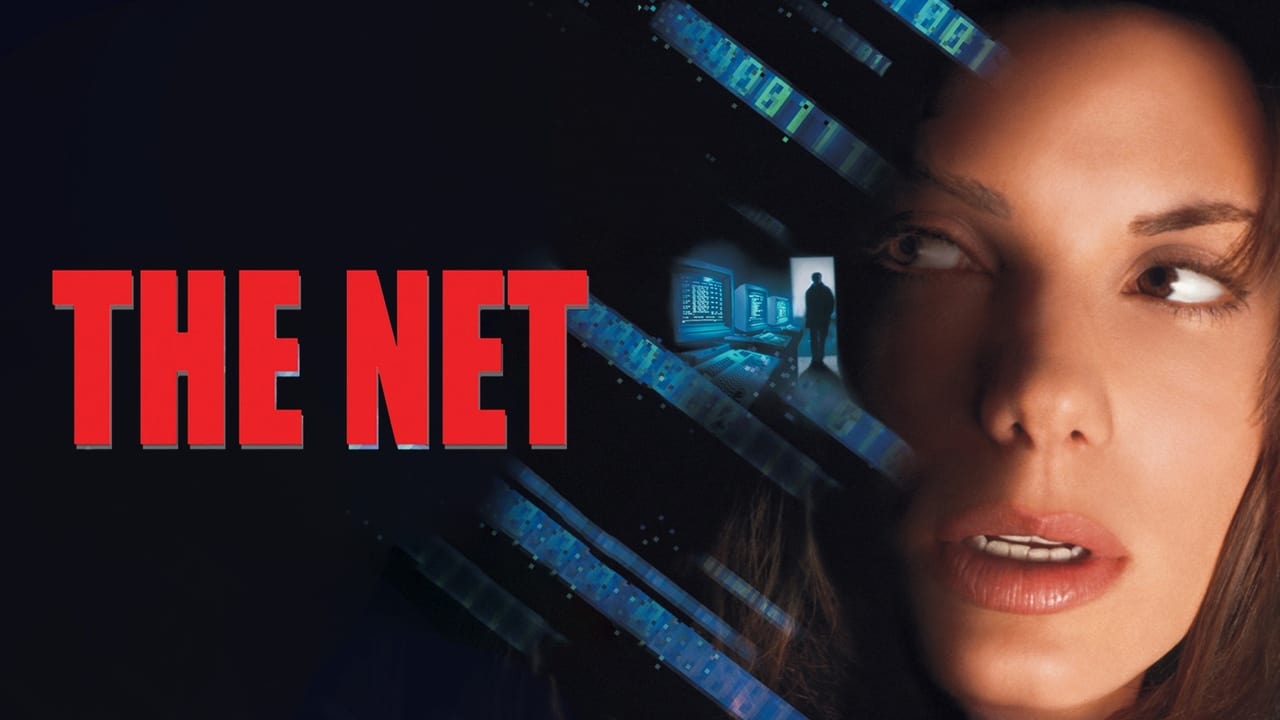
While the "hacking" scenes involve a lot of dramatic typing and "ACCESS DENIED" flashing in giant red letters, the physical action is surprisingly grounded. There’s a frantic chase through a carousel at a pier and a desperate scramble through a tech convention that feels very "Hitchcock-lite." Sandra Bullock sells the desperation perfectly. She isn't an action hero; she’s a terrified woman who is smart enough to use the system against itself.
The supporting cast is a delightful "who’s who" of mid-90s staples. Dennis Miller pops up as Dr. Alan Champion, Angela’s ex-boyfriend and only ally, delivering his trademark cynical snark before the plot inevitably demands he be sidelined. We also get Wendy Gazelle as the "Imposter Angela," the woman who literally steps into our protagonist's life. It’s a chilling concept—the idea that you are only as real as the data stored in a mainframe in Virginia.
What’s fascinating is how much the film gets right about the future, even if the execution looks like a Fisher-Price toy. The film warns about a centralized security program called "Gatekeeper" that everyone is rushing to install—a precursor to the real-world anxieties we have about monopolies like Google or Amazon having too much "backdoor" access to our lives.
Behind the Screens and Box Office Gold
Columbia Pictures took a gamble on a $22 million budget, which was relatively modest for a summer thriller, and it paid off massively. The film cleared $110 million worldwide, cementing Sandra Bullock as a bankable lead who didn't need a male co-star to carry a hit. It also launched a short-lived TV series and a direct-to-video sequel, though neither captured the specific "Y2K is coming" anxiety of the original.
The production was famously tech-savvy for its time. To make the computer screens look "real" without that weird flickering you usually see on film, they used specialized high-speed monitors and custom-built software interfaces. Interestingly, the website used in the movie, "Mozart’s Ghost," was actually a real promotional site launched by the studio—one of the earliest examples of viral digital marketing.
The score by Mark Isham (A River Runs Through It) does a lot of heavy lifting here, too. He avoids the temptation to go full "techno," instead opting for a traditional orchestral thriller vibe that keeps the stakes feeling human rather than digital. Jack N. Green, the cinematographer who worked on many of Clint Eastwood’s films like Unforgiven, gives the California sun a cold, sterile feel that mirrors Angela’s isolation.
Ultimately, The Net is a "comfort thriller." It’s not as polished as Mission: Impossible or as visionary as The Matrix, but it’s a fun, breezy watch that reminds us of a time when the biggest threat on the internet was someone stealing your Social Security number, rather than a global AI uprising. It’s the perfect movie for a rainy Sunday when you’re already feeling a little too "online" and need a reminder that sometimes, the best way to save your life is to step away from the keyboard—and maybe avoid handsome strangers on Mexican beaches who are way too interested in your floppy disks.
Keep Exploring...
-
In the Line of Fire
1993
-
Breakdown
1997
-
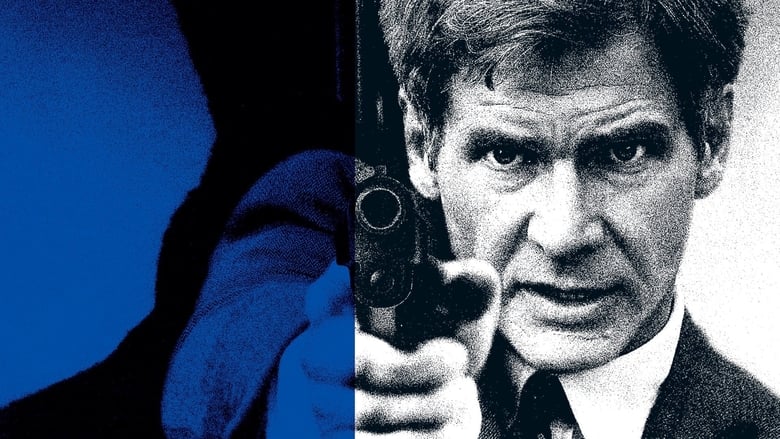
Patriot Games
1992
-
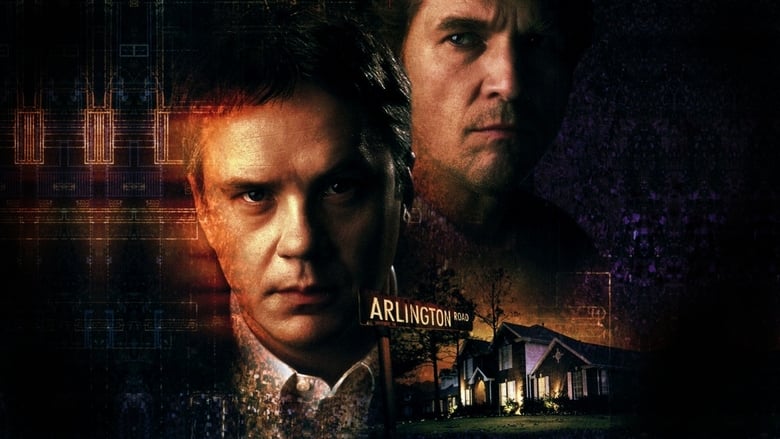
Arlington Road
1999
-
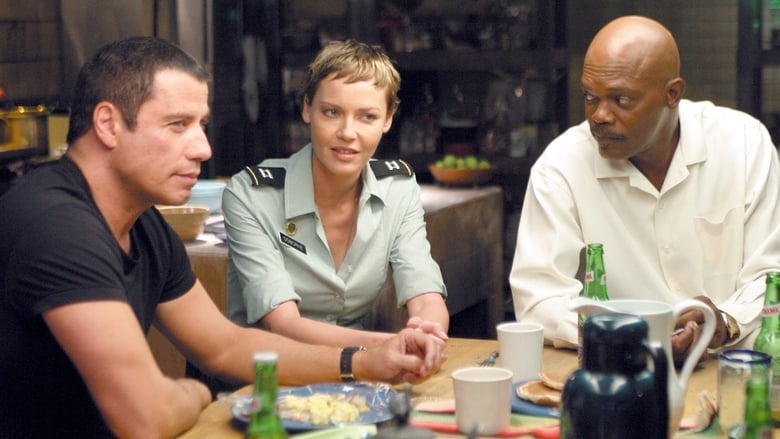
Basic
2003
-
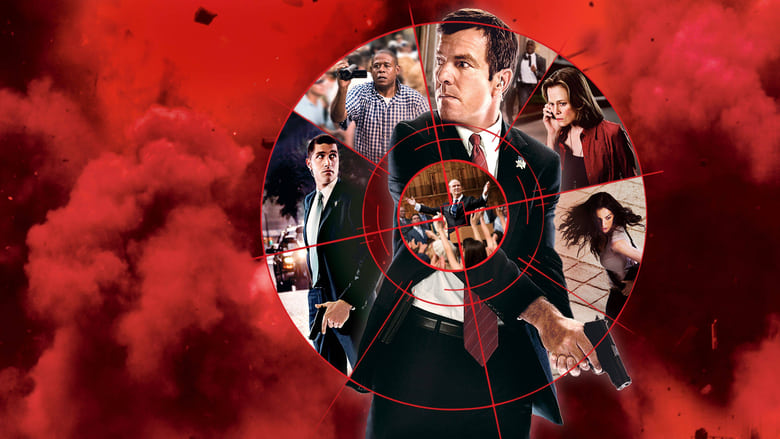
Vantage Point
2008
-
The Score
2001
-

The Girl Who Played with Fire
2009
-

Double Impact
1991
-
The Client
1994
-

Hackers
1995
-
Kiss the Girls
1997
-
xXx
2002
-
Fast & Furious
2009
-
Jack Reacher
2012
-

Need for Speed
2014
-
Primal Fear
1996
-
Backdraft
1991
-
Striking Distance
1993
-
Disclosure
1994