The Usual Suspects
"The greatest trick was making us believe the story."
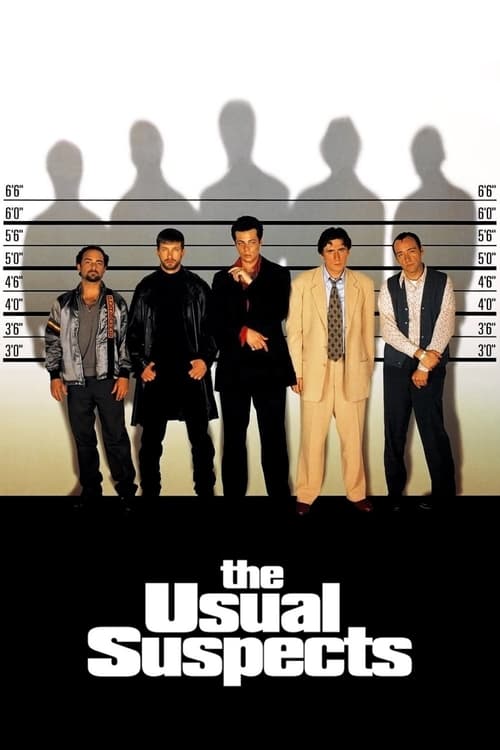
I watched this recently while sitting in a chair that has a sharp spring poking into my left thigh, which felt oddly appropriate for a film that spends its entire runtime making you feel slightly uncomfortable and perpetually off-balance. The Usual Suspects arrived in 1995, smack in the middle of that glorious decade where independent cinema wasn't just a niche—it was a hostile takeover. It’s a film that smells of stale cigarettes, cheap coffee, and the cold sweat of men who realize they’ve walked into a trap they didn't even know existed.

The Anatomy of a Lineup
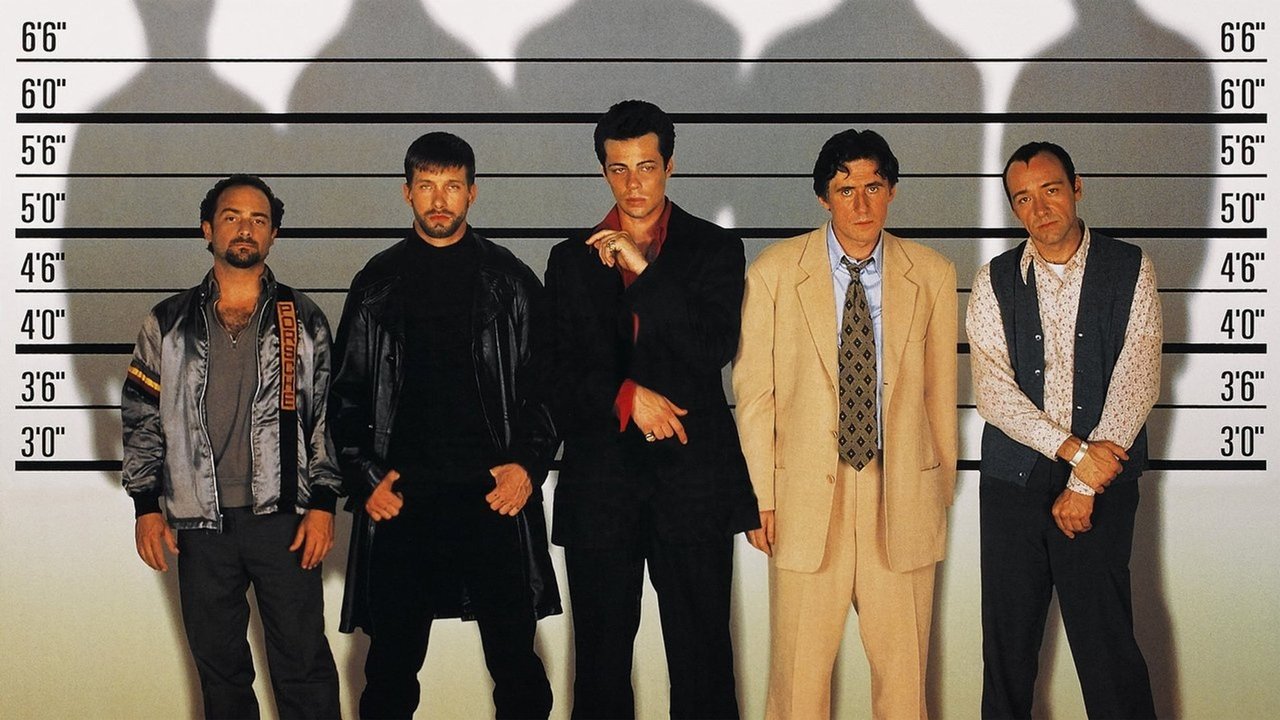
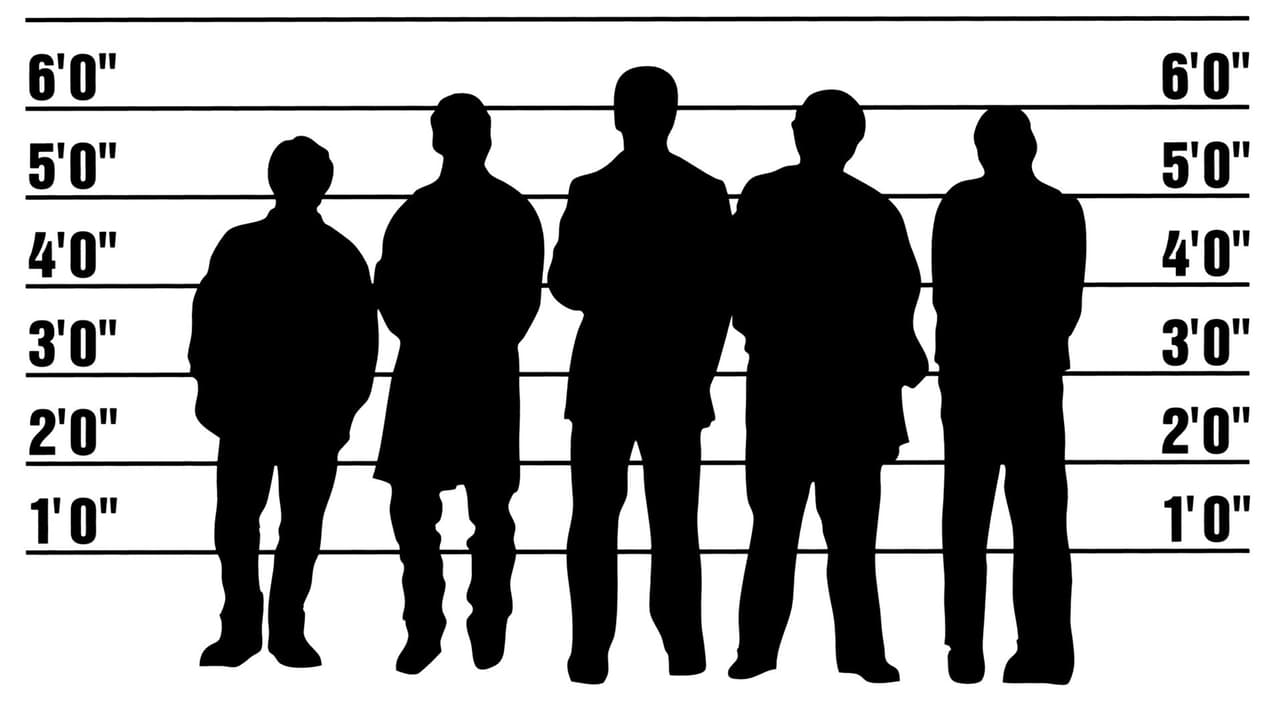
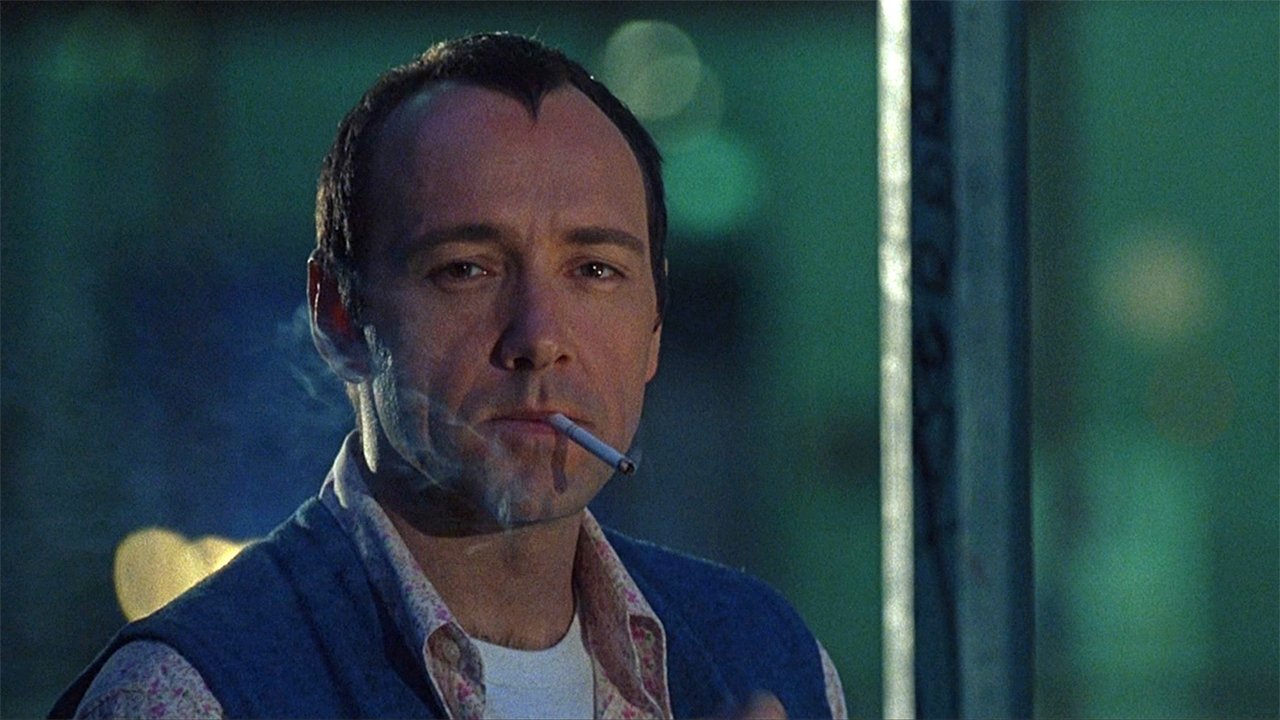
The premise is deceptively simple: five criminals are hauled in for a random lineup regarding a truck hijacking. It’s a "rounding up the usual suspects" moment that feels like a classic noir trope, but the chemistry between these five actors turns it into something far more volatile. You have Gabriel Byrne as Keaton, the weary ex-cop trying to go straight; Stephen Baldwin as the hot-headed McManus; Kevin Pollak as the cynical Hockney; Benicio del Toro as the unintelligible, marble-mouthed Fenster; and Kevin Spacey as Verbal Kint, the "cripple" who provides the narrative's backbone.
There’s a legendary bit of trivia regarding that lineup scene: the actors couldn't stop laughing. Director Bryan Singer wanted it to be a serious, tense moment, but the cast kept breaking character, reportedly due to Stephen Baldwin’s flatulence. Singer eventually realized that their giggling made them feel like a real crew—men who had seen it all and held no respect for authority. Looking back, Stephen Baldwin actually gives the most charismatic performance of his career here, a reminder that before he became a punchline, he had a genuine, electric screen presence.
The Myth-Making of Christopher McQuarrie
What elevates the film from a standard "heist gone wrong" story is the screenplay by Christopher McQuarrie. It’s a narrative house of cards, built entirely on the testimony Verbal Kint gives to Customs Agent Dave Kujan, played with a fantastic, bullish intensity by Chazz Palminteri.
The film operates in two timelines: the interrogation room where Kujan tries to break Verbal, and the flashbacks detailing the crew's descent into the service of Keyser Söze. Söze is the film's "Dark Man," an urban legend of a crime lord who supposedly murdered his own family just to prove a point to his enemies. The way the script builds this myth is masterful. It doesn't use CGI or flashy effects to make Söze scary; it uses the terrified eyes of the men talking about him.
The production was a lean, mean machine, shot on a $6 million budget in just 35 days. It was a prestige hit that didn't know it was one yet. Christopher McQuarrie took home the Oscar for Best Original Screenplay, and Kevin Spacey secured Best Supporting Actor, catapulting him into the A-list stratosphere. Even the editing and score by John Ottman—who remarkably did both jobs—contributes to the feeling of a tightening noose. The music doesn't just provide background; it feels like it’s actively interrogating you.
Shadows, Lies, and the 90s Aesthetic
Visually, the film captures that mid-90s transition. We’re moving away from the neon-soaked 80s into a grittier, more shadows-and-steel aesthetic. Cinematographer Newton Thomas Sigel uses light sparingly. The interrogation room is a mess of harsh fluorescent glares and deep, ink-black corners. It’s a film that demands your attention because if you look away for a second, you might miss a flicker of a lie.
The moral complexity here is what keeps me coming back. There are no "good guys" in this harbor. Kujan is a bully; the five suspects are thieves and killers. Yet, you find yourself rooting for them because they are being hunted by something far worse—an idea. Söze represents the ultimate predator of the information age: a man who can erase his own history and replace it with a nightmare.
This movie is the cinematic equivalent of a card shark taking your money while smiling at your kids. It’s manipulative, yes, but it’s done with such precision that you can’t help but admire the craft. In an era before the internet could spoil a twist within thirty seconds of a premiere, The Usual Suspects relied on word-of-mouth mystery. It didn't need a franchise; it just needed a good story and the audacity to lie to your face.
Ultimately, the film's power lies in the fact that it doesn't offer easy answers or a comfortable resolution. It leaves you in that San Pedro harbor, surrounded by the wreckage of a plan that was always bigger than the men involved. It’s a dark, intense piece of crime fiction that understands that the most dangerous thing in the world isn't a gun—it’s a story told by someone with nothing to lose. Whether you’re watching it for the first time or the fiftieth, that final walk toward the car remains one of the most chilling sequences in modern cinema.

Keep Exploring...
-
The Silence of the Lambs
1991
-
Carlito's Way
1993
-
Fargo
1996
-
L.A. Confidential
1997
-
A Time to Kill
1996
-
Prisoners
2013
-

Miller's Crossing
1990
-
Cape Fear
1991
-
A Perfect World
1993
-
Bound by Honor
1993
-

Falling Down
1993
-
Primal Fear
1996
-

Sleepers
1996
-
Donnie Brasco
1997
-

Jackie Brown
1997
-
A Simple Plan
1998
-
The Talented Mr. Ripley
1999
-
American Psycho
2000
-
The Departed
2006
-
The Dark Knight
2008