To Die For
"Fame is a killer, and Suzanne is a natural."
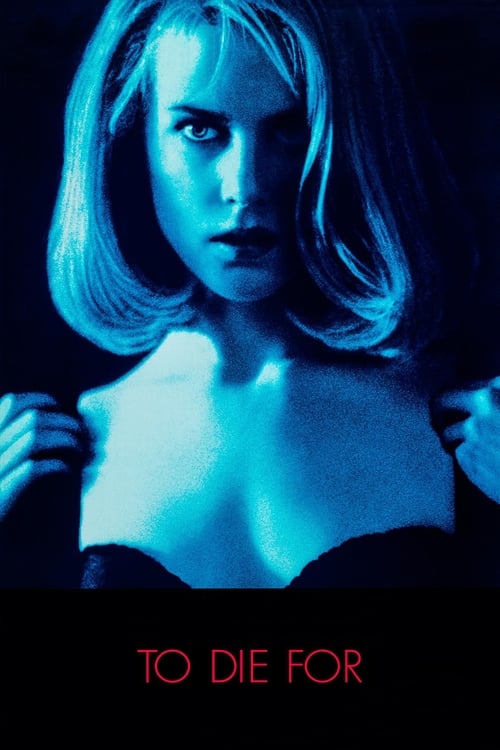
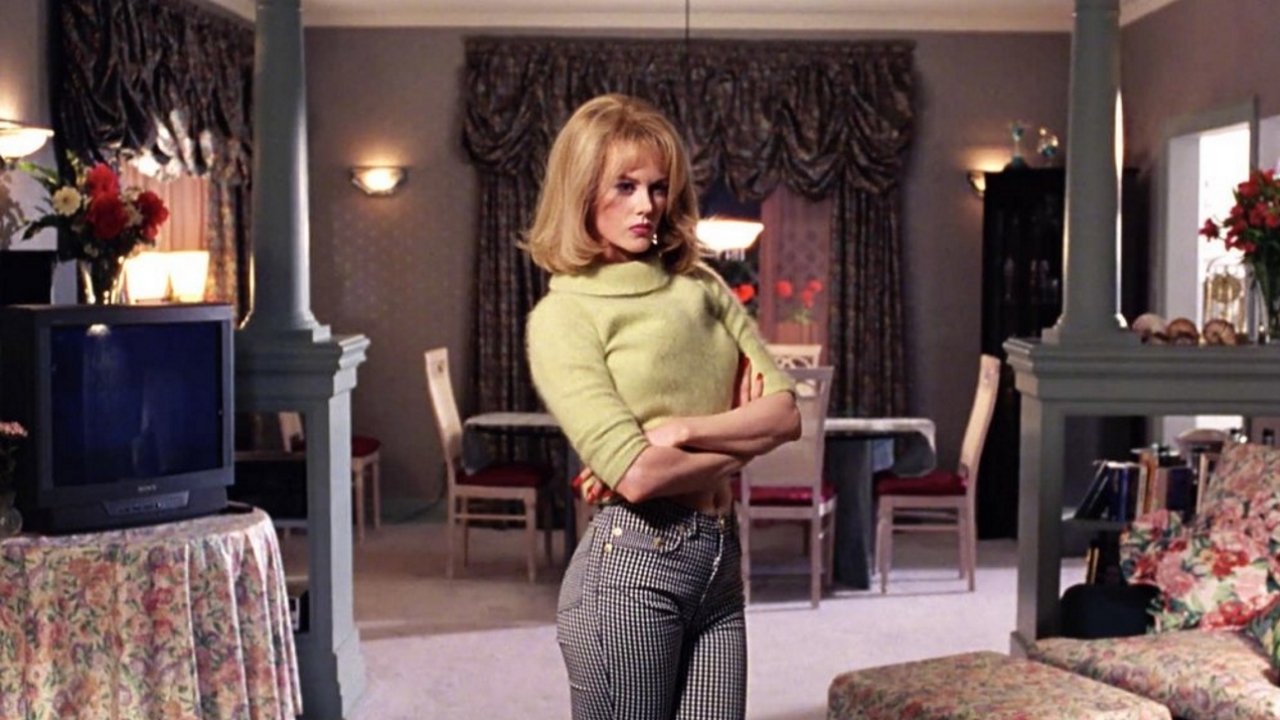
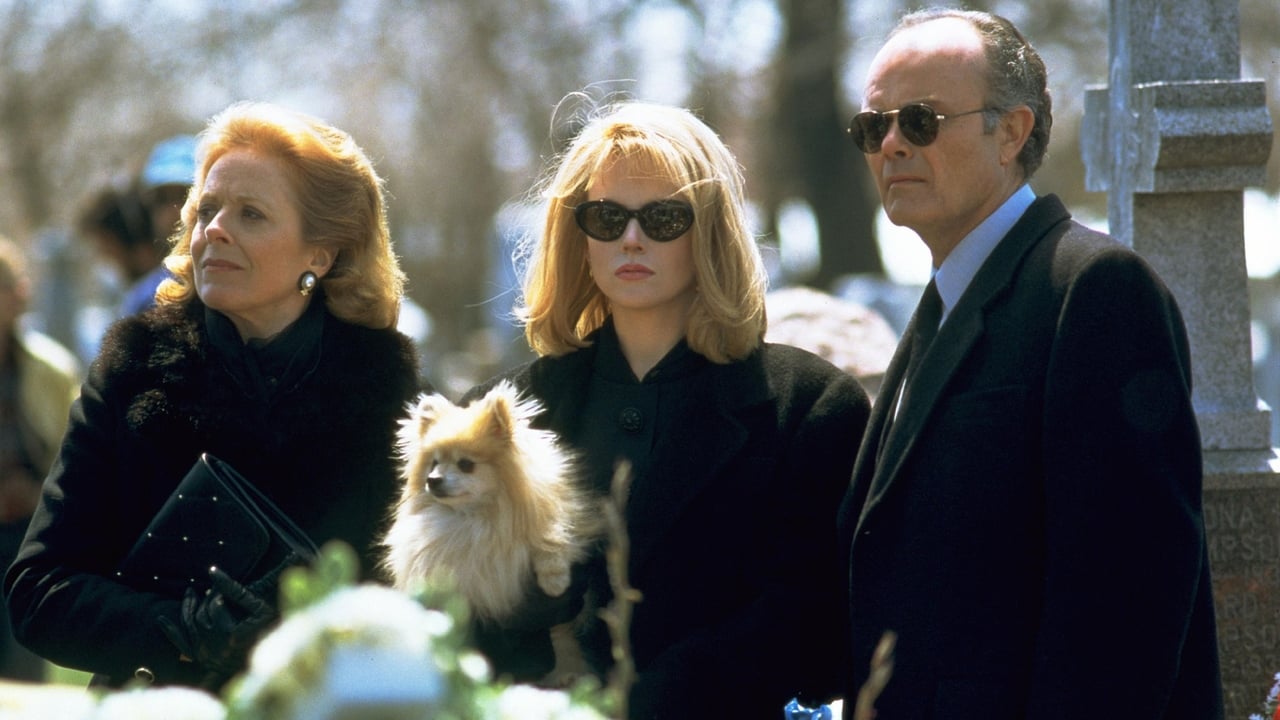
Suzanne Stone doesn't just want to be on television; she wants to be the air that television breathes. When we first see her, she’s polished to a high-gloss sheen, sporting a wardrobe of pastel power suits that scream "local weather girl with global aspirations." She is the terrifyingly bright center of Gus Van Sant’s 1995 dark comedy To Die For, a film that felt like a sharp jab in the ribs upon release but plays like a prophetic documentary in the age of the TikTok star.
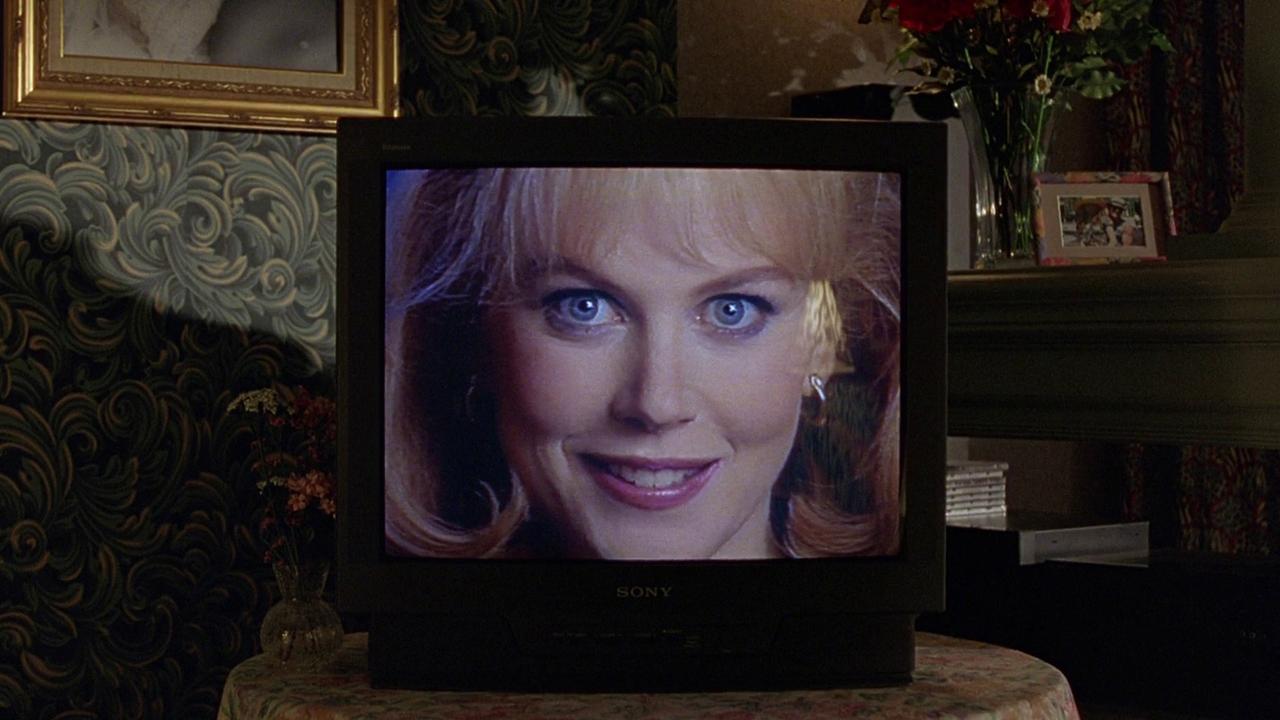
I recently revisited this on a dusty DVD I found at a garage sale while my cat, Barnaby, was aggressively trying to eat a piece of stray Christmas tinsel in the corner of the room. Watching Nicole Kidman manipulate a group of aimless teenagers while a cat chokes on Mylar felt strangely appropriate for the film’s chaotic, cynical energy. It’s a movie about the lengths people go to for a "little attention," and looking back, it remains one of the most razor-sharp satires of the 1990s.
The Prototype for the Modern Influencer
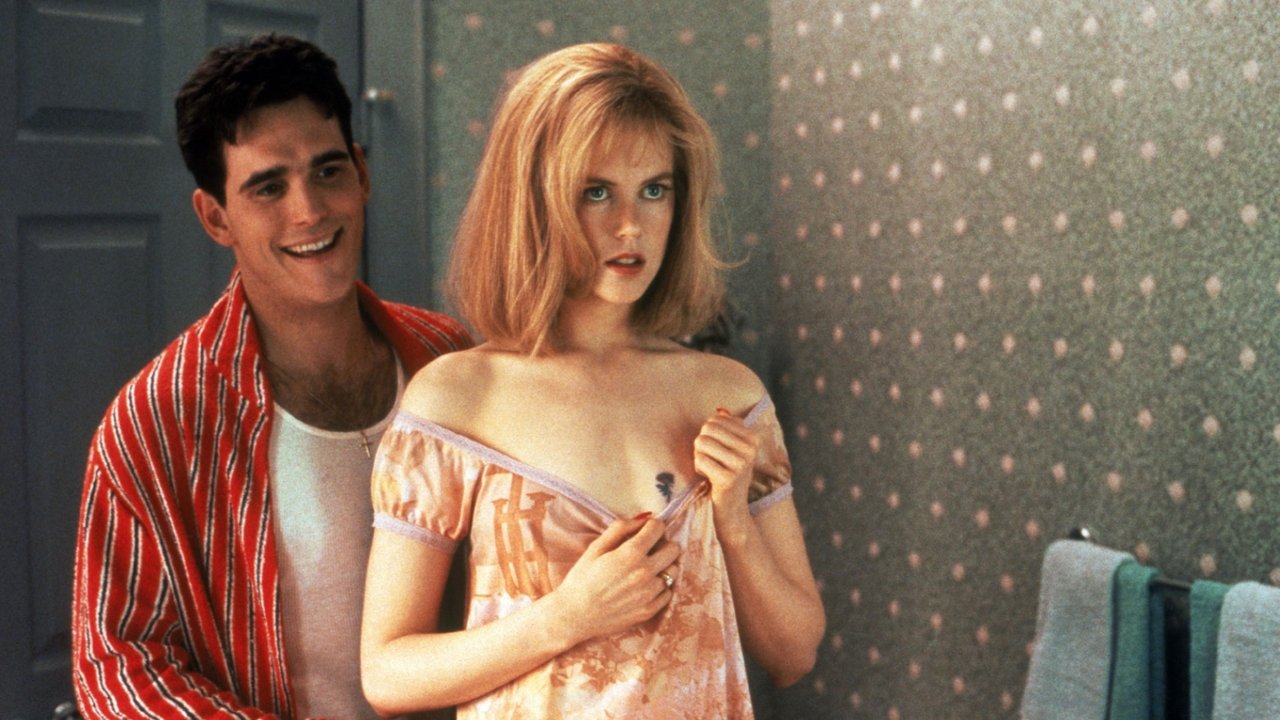
In 1995, the idea of someone being "famous for being famous" was still a relatively new, slightly gross concept associated with tabloid fixtures. Nicole Kidman’s Suzanne Stone predates the influencer era by decades, yet she has the entire playbook memorized. She treats her life like a curated feed, and her husband, Larry (Matt Dillon), is essentially just a prop that’s starting to clutter up her background.
Kidman is a revelation here. Before this, she was often relegated to the "supportive wife" roles in blockbusters, but Van Sant let her off the leash. She plays Suzanne with a permanent, glassy-eyed smile that never quite reaches her eyes. She’s not exactly smart—her "documentary" about teenagers is a mess of clichés—but she has a terrifying, singular focus. Suzanne Stone makes a great white shark look like a supportive life coach.
The film utilizes a mockumentary style, weaving "interviews" with the characters into the narrative. This was a few years before The Blair Witch Project made the "found footage" look a household staple and a decade before The Office popularized the talking-head format for comedy. In 1995, this felt experimental and edgy; today, it feels like the only way this story could be told. It highlights the gap between how Suzanne wants to be seen and the trail of wreckage she leaves in her wake.
A Masterclass in "Killer" Ambition
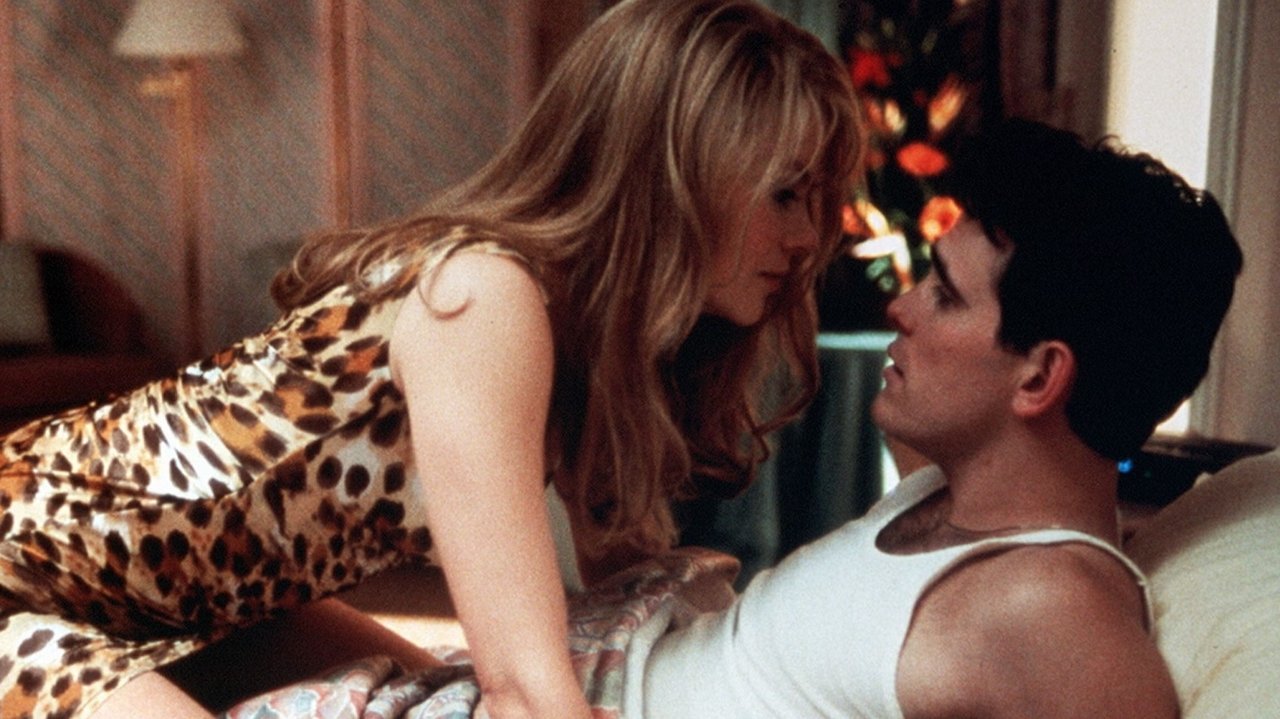
The script, penned by the legendary Buck Henry (who wrote The Graduate), doesn't treat the central murder as a grand mystery. We know Suzanne is responsible for Larry's death almost immediately. The "crime" part of this drama isn't about who did it, but the pathetic, bumbling way it's carried out.
Enter the teenagers. A young Joaquin Phoenix (looking like he hasn't slept since 1992) and an even younger Casey Affleck are the local burnouts Suzanne recruits to do her dirty work. Joaquin Phoenix is particularly heartbreaking as Jimmy, the kid who is so starved for affection that he mistakes Suzanne’s predatory manipulation for actual love. Their scenes together are uncomfortable and hilarious; she’s teaching them how to be "media-ready" while they’re planning a homicide in a high school hallway.
The film perfectly captures that mid-90s indie aesthetic—saturated colors, quirky camera angles, and a sense of irony so thick you could carve it. It was a time when directors like Gus Van Sant were jumping from low-budget grit like Drugstore Cowboy to studio-backed projects without losing their weirdness. To Die For cost about $20 million, which was a decent chunk of change then, but it feels intimate and mean in all the best ways.
The Legacy of the Pastel Predator
Why don't we talk about this movie more? It’s often overshadowed by the bigger "indie" hits of the era like Pulp Fiction or Van Sant’s own Good Will Hunting. Perhaps it’s because the satire is almost too accurate. Illeana Douglas, playing Suzanne’s sister-in-law Janice, provides the film’s moral compass and its best lines. Her deadpan delivery as she realizes just how insane Suzanne really is provides the necessary grounding for the film’s more heightened moments.
The soundtrack by Danny Elfman is another hidden gem. Instead of his usual gothic orchestral swells, he provides a kitschy, synth-heavy score that sounds like the theme song to a morning talk show from hell. It underscores the "everything is fine" facade that Suzanne maintains even as the police close in.
Looking back, the film’s ending is one of the most satisfying "justice" moments in 90s cinema, involving a frozen lake and a very determined Italian father. It’s a reminder that while Suzanne wanted to live forever on the screen, the real world has a way of catching up to people who treat humans like disposable footage.
To Die For is a wicked, sparkling piece of 90s cynicism that has aged surprisingly well. It’s a must-watch for anyone who thinks the "main character syndrome" we see on social media today is a new phenomenon. Nicole Kidman gives a career-defining performance that proved she was a powerhouse, and the supporting cast of future A-listers makes it a fascinating time capsule. If you can find a copy—or stream it between cat-related tinsel disasters—give it a spin. It’s a reminder that fame is a hungry beast, and it doesn't care who it eats.
Keep Exploring...
-
The Informant!
2009
-
Veronica Mars
2014
-
Filth
2013
-
Bottle Rocket
1996
-
Maverick
1994
-
The Mafia Kills Only in Summer
2013
-

Dick Tracy
1990
-

The Muppet Christmas Carol
1992
-
The Player
1992
-
EverAfter
1998
-
Out of Sight
1998
-
Blast from the Past
1999
-
Never Been Kissed
1999
-
Bad Santa
2003
-
Finding Forrester
2000
-
Rumble in the Bronx
1995
-

Pleasantville
1998
-
Blue Streak
1999
-
Taxi 2
2000
-
Confessions of a Dangerous Mind
2002