Tommy Boy
"Fat guy, little coat, big heart."

There is a specific, high-frequency vibration that Chris Farley emitted—a mixture of pure adrenaline, maple syrup, and desperate-to-please puppy energy—that simply hasn't existed in cinema since 1997. Watching him in Tommy Boy is like watching a wrecking ball made of charisma. He doesn’t just enter a room; he colonizes it, usually by accidentally destroying a piece of furniture or sweating through a silk tie. In the mid-90s, the "SNL-to-big-screen" pipeline was a chaotic gamble, often resulting in thin, one-note characters stretched to a breaking point. Yet, under the direction of Peter Segal, Farley found the perfect vessel for his chaos: Thomas 'Tommy' Callahan III, a man-child with a "D+" average and a heart the size of a Great Lake.
The Physics of the Odd Couple
The magic of this film isn't found in the plot—which is a standard "save the family business" road trip—but in the combustible chemistry between Chris Farley and David Spade. By 1995, the two had already honed a lethal "bull-in-a-china-shop vs. the snarky clerk" routine on Saturday Night Live, but Tommy Boy allowed them to ground that friction in something resembling reality. David Spade, playing the tightly wound Richard Hayden, is the ultimate foil. He delivers insults with the surgical precision of a man who has spent his entire life being the smallest person in the room and surviving on pure wit.
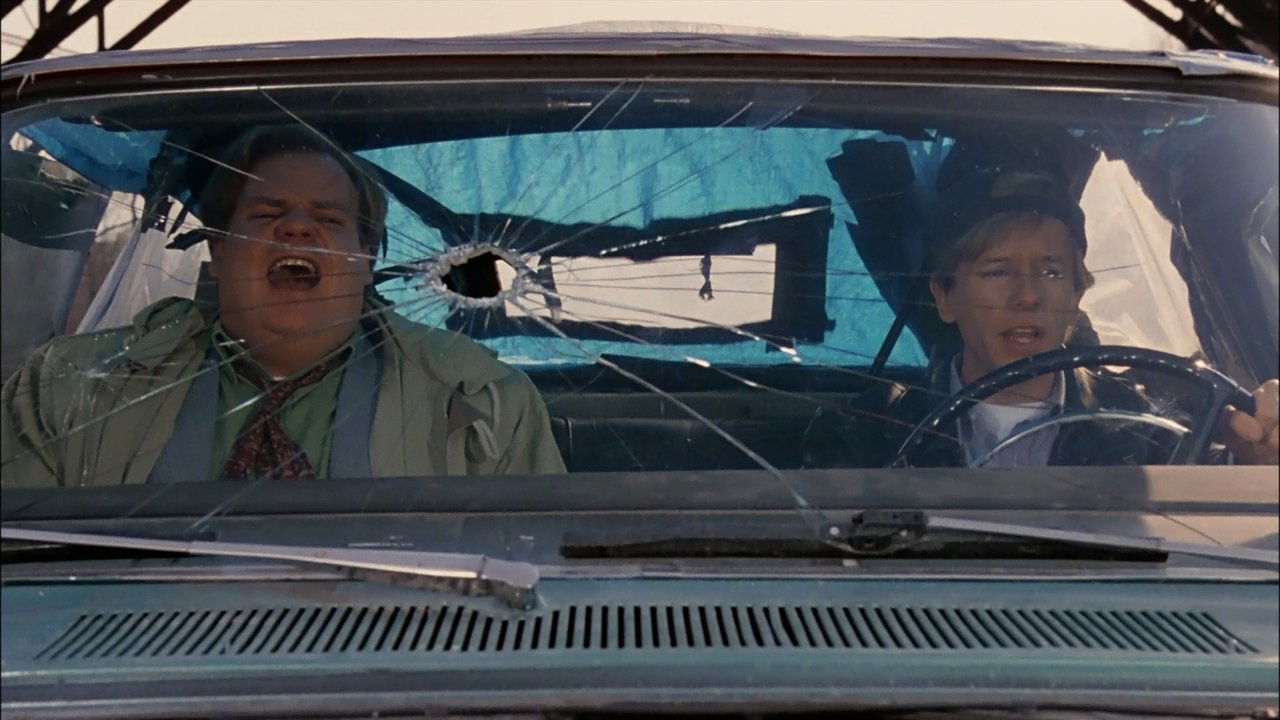
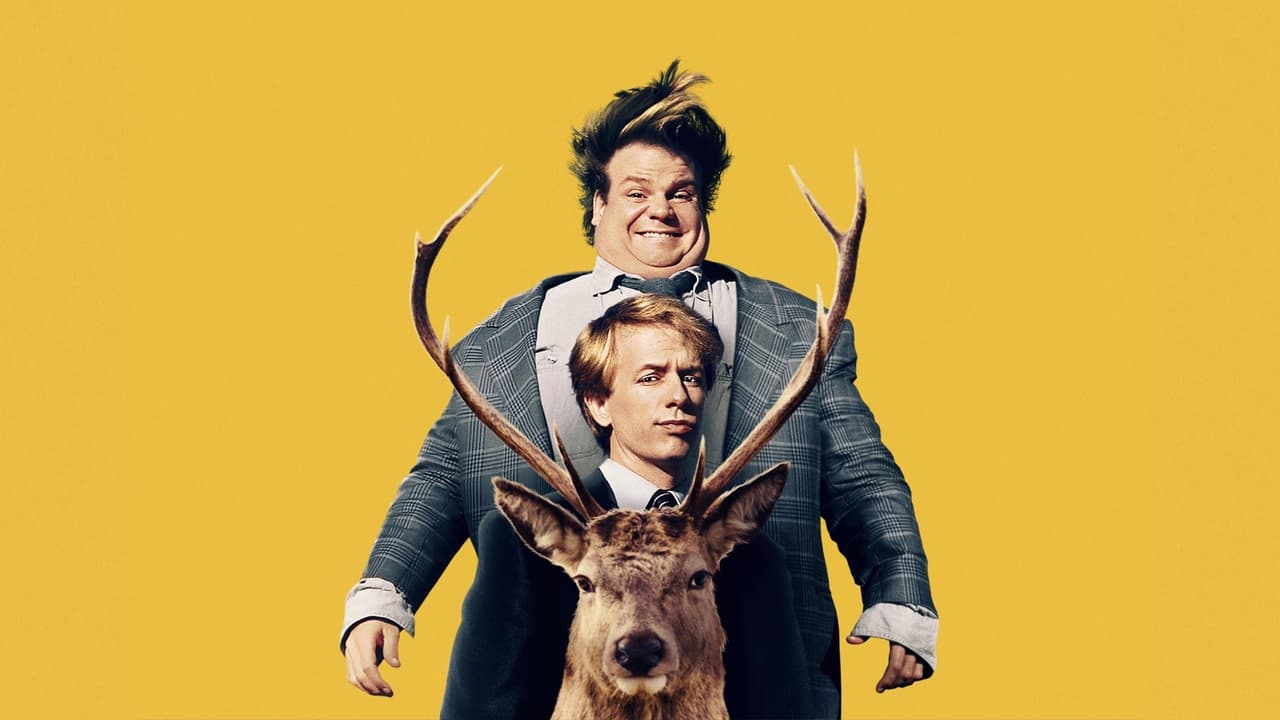
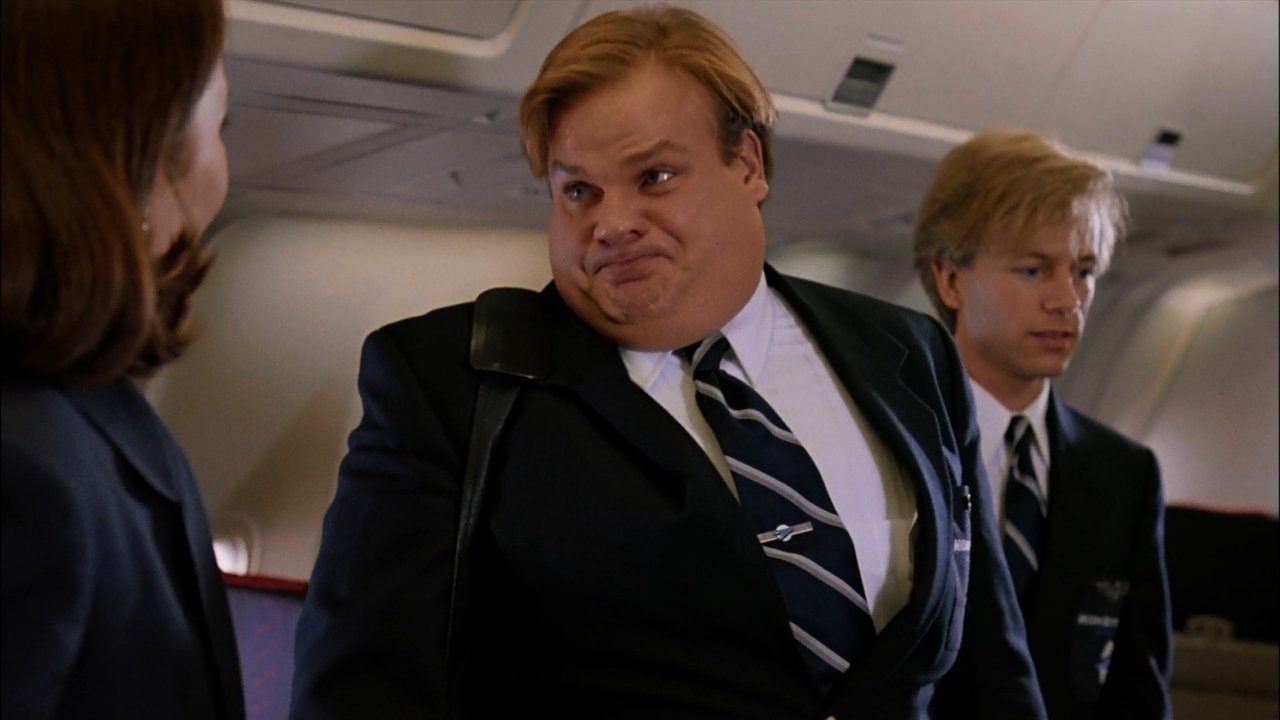
I watched this most recent viewing while wearing a pair of incredibly itchy wool socks that I eventually threw across the living room during the infamous deer-in-the-backseat scene, and it struck me how much of the humor is derived from pure, unadulterated physical commitment. When Farley does the "fat guy in a little coat" bit—an actual office prank he used to pull on Spade during their SNL days to stop him from working—you aren't just watching a scripted joke. You’re watching two friends who genuinely delight in making each other break. The comedic timing here is less about "setup-punchline" and more about the rhythm of two jazz musicians who happen to be destroying a 1967 Plymouth Belvedere.
A World Before the Digital Polish
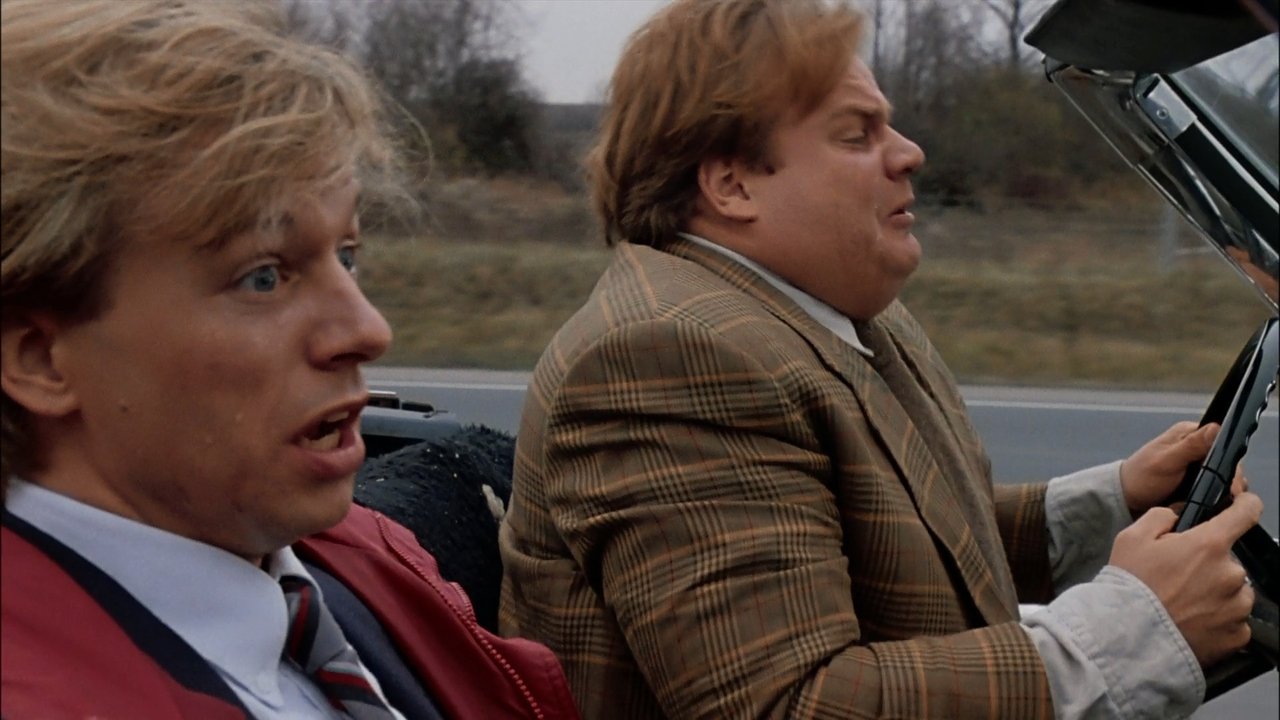
Looking back from our era of perfectly sanitized, CGI-enhanced comedies, Tommy Boy feels remarkably tactile. It’s a relic of the mid-90s "Practical Slapstick" era. When Tommy sets a model car on fire or accidentally dorks his way into a series of automotive disasters, the destruction feels heavy and real. There’s a grit to the Ohio and Michigan settings that reflects the blue-collar anxieties of the time. This was an era where the "corporate buyout" was the ultimate movie boogeyman, perfectly personified here by Rob Lowe—who plays a villain with the oily charisma of a used car salesman who just stole your identity—and Bo Derek.
The screenplay by Bonnie Turner and Terry Turner (the minds behind Wayne's World and later That '70s Show) understands that for the slapstick to land, we have to actually care if the Callahan Auto factory stays open. They anchor the absurdity with the legendary Brian Dennehy as "Big Tom." His early scenes with Farley are surprisingly tender, providing a grounded emotional weight that most comedies of this vintage would have ignored. It’s that sincerity that saved Tommy Boy from the bargain bin. Critics at the time, including Roger Ebert, famously panned the film, but they missed the forest for the trees. They saw a loud, crude comedy; the audience saw a tribute to the lovable screw-up in all of us.
The VHS Resurrection
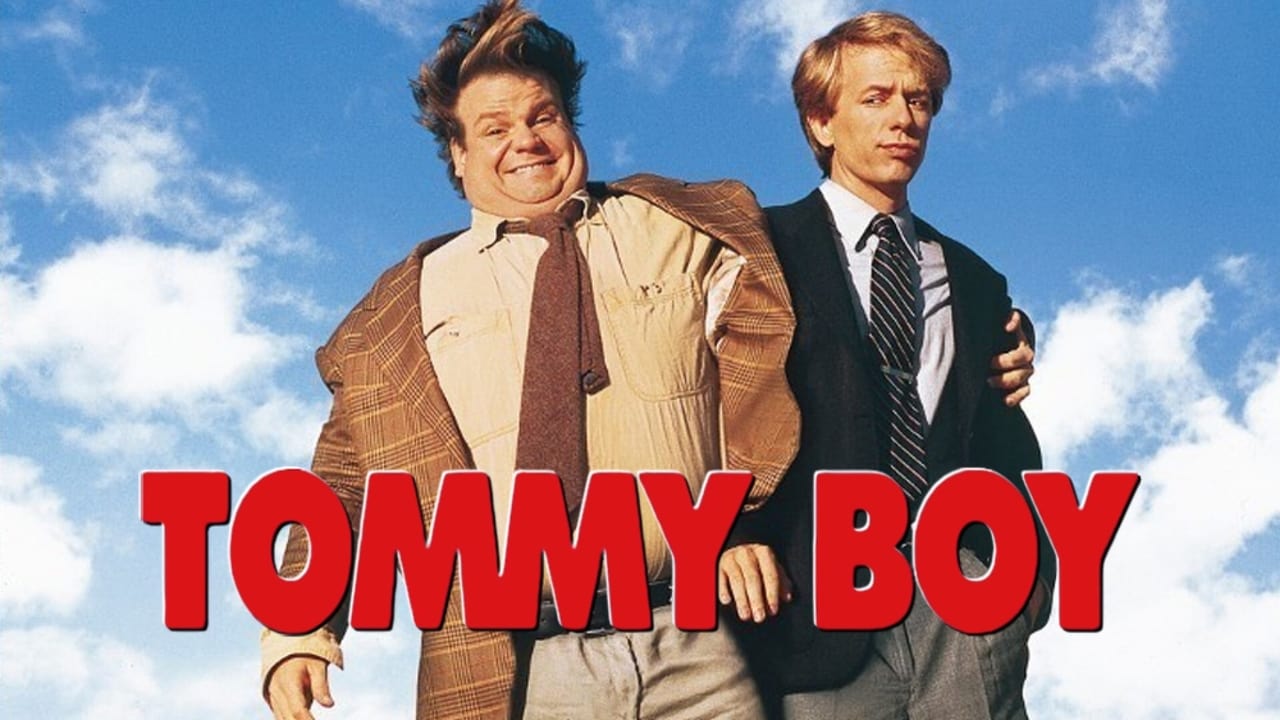
While it did respectable business at the box office, Tommy Boy’s true legacy was forged in the aisles of Blockbuster Video. This is a quintessential "DVD Culture" movie, a film that became a staple of sleepovers and rainy Sunday afternoons. It’s the kind of movie where you don't just remember the plot; you remember the specific cadence of the lines. "Holy Schnikes," "That’s gonna leave a mark," and the entire "butcher and the steak" monologue have entered the cultural lexicon not because they are high art, but because they are infinitely rewatchable.
It’s easy to forget that Julie Warner provides a much-needed grounding force as Michelle, the straight-talking love interest who refuses to put up with Tommy’s nonsense. Her presence keeps the movie from spinning off into total cartoon territory. The film also benefits from a score by David Newman that treats the road trip with more dignity than it probably deserves, helping the transitions between "cow-tipping gone wrong" and "poignant realization" feel seamless rather than jarring.
In the landscape of 90s comedies, Tommy Boy stands as the high-water mark for the "lovable loser" archetype. It captures Chris Farley at the absolute peak of his powers, before the industry and his own demons began to wear him down. It’s a film that trusts its leads enough to let them improvise, resulting in a rare kind of lightning-in-a-bottle energy that modern, over-scripted comedies rarely capture. If you’re looking for a dose of pure, unbridled joy—and a reminder that even the biggest disaster can eventually find their way—it’s time to hop back in the Belvedere. Just make sure there isn't a "dead" deer in the back.
Keep Exploring...
-
Grudge Match
2013
-
Naked Gun 33⅓: The Final Insult
1994
-

Wayne's World 2
1993
-
50 First Dates
2004
-
Wayne's World
1992
-
Grosse Pointe Blank
1997
-
Anger Management
2003
-
The Longest Yard
2005
-
Get Smart
2008
-

Arachnophobia
1990
-

Cry-Baby
1990
-

Dick Tracy
1990
-

DuckTales: The Movie - Treasure of the Lost Lamp
1990
-
Barton Fink
1991
-
Bill & Ted's Bogus Journey
1991
-
Father of the Bride
1991
-
Teenage Mutant Ninja Turtles II: The Secret of the Ooze
1991
-
The Fisher King
1991
-
What About Bob?
1991
-
My Cousin Vinny
1992