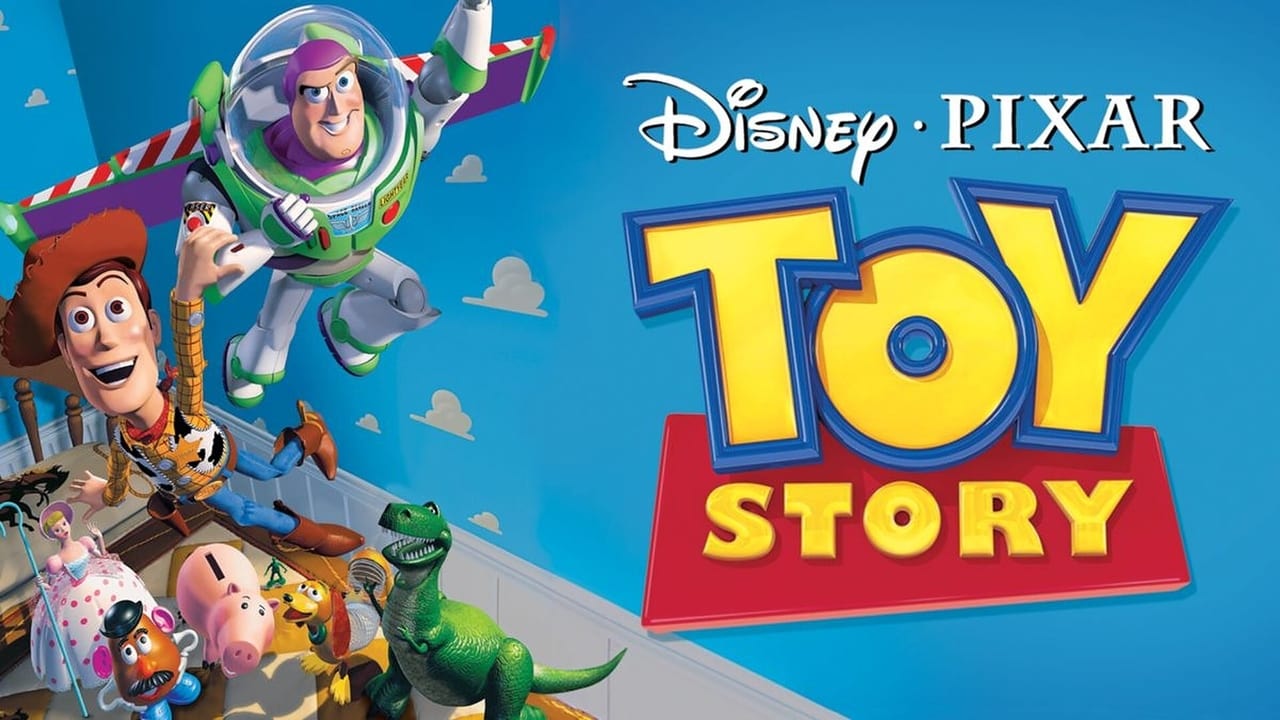
Toy Story
"A plastic-molded masterpiece that turned pixels into hearts and changed cinema forever."
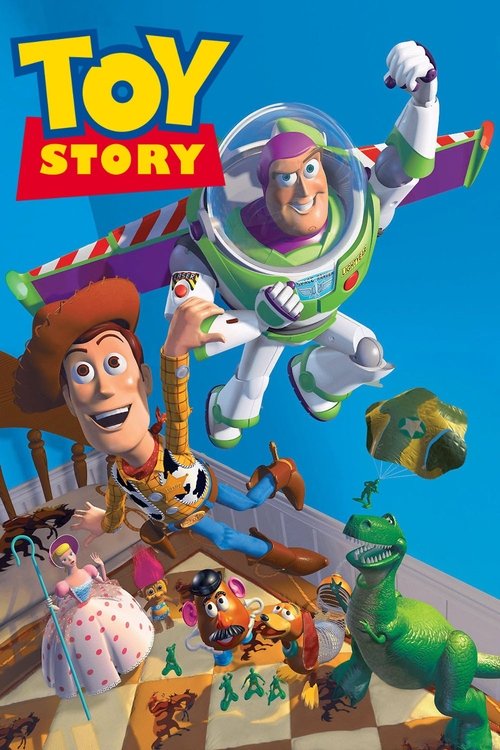
I remember watching this for the first time on a slightly tracking-heavy VHS tape while eating a bowl of cereal that had gone tragically soggy, and even through the analog fuzz, the world felt impossibly solid. Toy Story wasn't just a movie; it was a fundamental shift in the tectonic plates of my childhood imagination. Before 1995, we had the lush, hand-drawn vistas of the Disney Renaissance, but Pixar arrived and gave us something we could almost reach out and touch. They gave us texture.
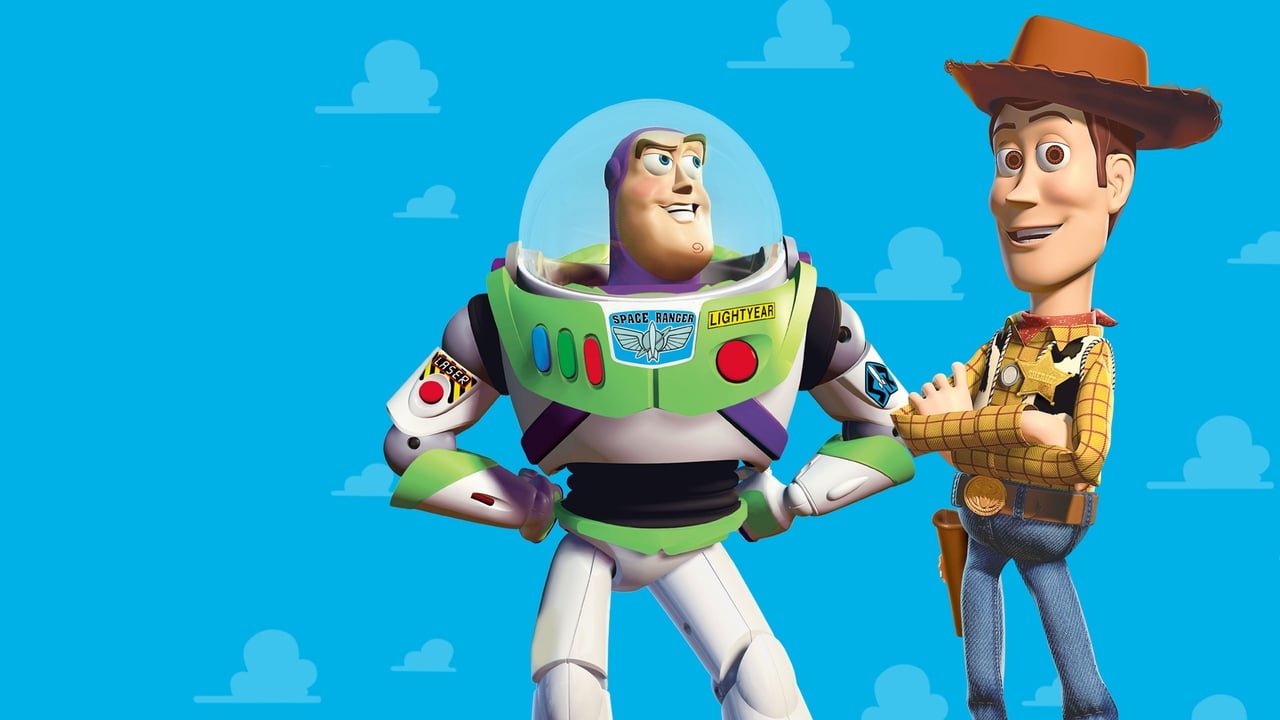
The New Frontier of Plastic and Pixels
Looking back from an era where we can digitally render every individual hair on a raccoon’s chin, it’s easy to forget how radical Toy Story looked in the mid-90s. This was the era of transition. We were moving from the warm, ink-stained cells of The Lion King to the cold, calculated precision of the computer. Yet, somehow, John Lasseter and his team made those computers sweat with soul.
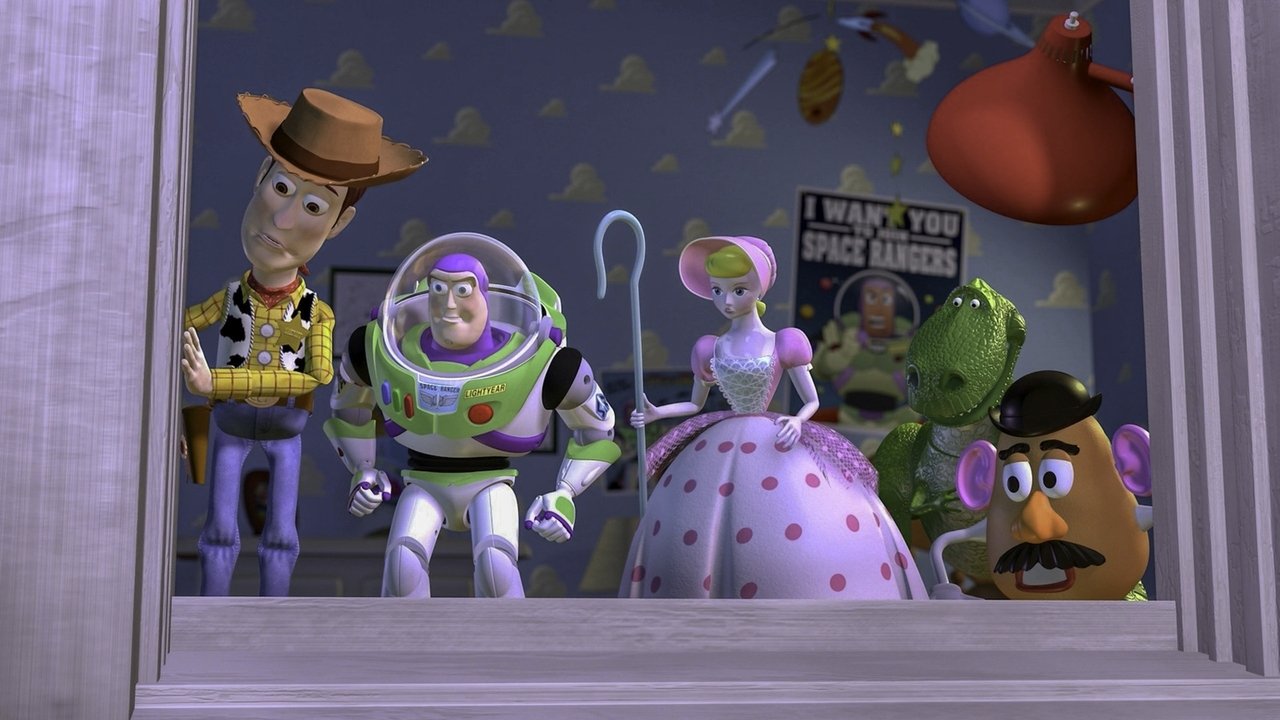
The genius move was choosing toys as the subject. In 1995, CGI struggled with organic shapes—humans still looked a bit like they were carved from sentient ham—but computers were great at plastic. The way the light glints off Buzz Lightyear’s helmet or the way the grain shows on Woody’s floorboards felt like a revelation. I’ll go out on a limb and say the human characters in this movie look like they escaped from a 1990s bowling alley strike animation, but the toys themselves are flawless. They have a weight and a tactile reality that hand-drawn animation could never quite replicate.
A Buddy-Comedy for the Ages
At its heart, this is a classic adventure-odyssey dressed up in a child's bedroom. The chemistry between Tom Hanks and Tim Allen is lightning in a bottle. Tom Hanks brings a frantic, high-strung energy to Woody that is honestly a bit darker than I remembered as a kid. Woody is essentially a middle-manager having a psychotic break because a younger, shinier employee just got his corner office.
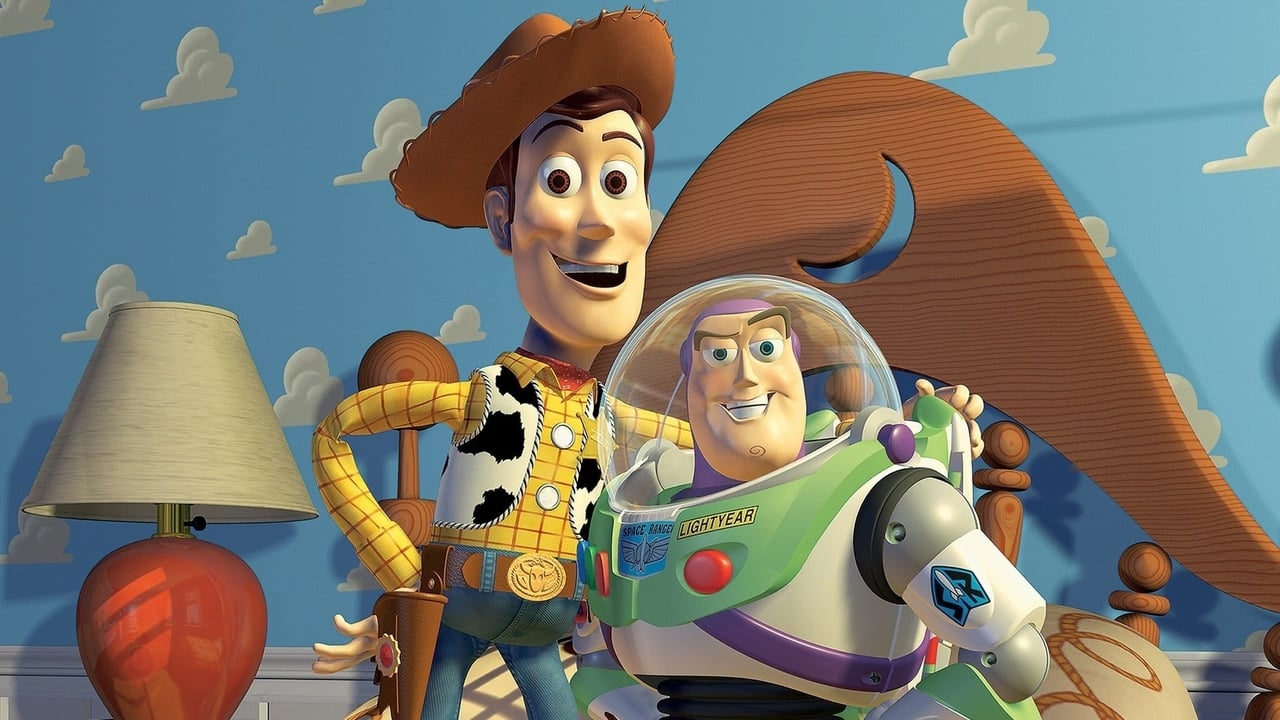
Then you have Tim Allen, who plays Buzz with a pitch-perfect, chin-forward delusion. The adventure really kicks into gear when they leave the safety of the "nursery" (Andy’s room) and enter the "jungle" (the local gas station and Sid’s house). The sequence in Sid’s room remains one of the great suspense set-pieces in family cinema. It’s a genuine horror-adventure for anyone under the age of ten, featuring "mutant" toys that terrified me until I realized they were actually the bravest characters in the film. The camaraderie built between the neurotic Rex (Wallace Shawn) and the cynical Mr. Potato Head (Don Rickles) provides a comedic backbone that keeps the momentum from ever sagging.
The $400 Million Gamble
It’s wild to think Pixar was once the underdog. This was a massive financial risk for a studio that, at the time, was mostly known for making short films and selling high-end hardware. With a relatively modest budget of $30,000,000, Pixar wasn't just making a movie; they were auditioning for the future of the industry. The gamble paid off to the tune of $401,157,969 worldwide, effectively ending the undisputed reign of traditional 2D animation and launching a franchise that would span decades.
Apparently, the production was so intense that the "render farm" consisted of 117 Sun Microsystems computers running 24 hours a day. If one of those computers had sneezed, we might never have seen the final product. I also found out recently that Joss Whedon (pre-Buffy fame) was brought in to punch up the script, which explains why the dialogue has that sharp, self-aware snap. He was the one who leaned into Rex’s anxiety, giving us the line, "I don't like confrontations!" which I have personally quoted every time I’ve had to return a wrong order at a restaurant.
Beyond the Screen
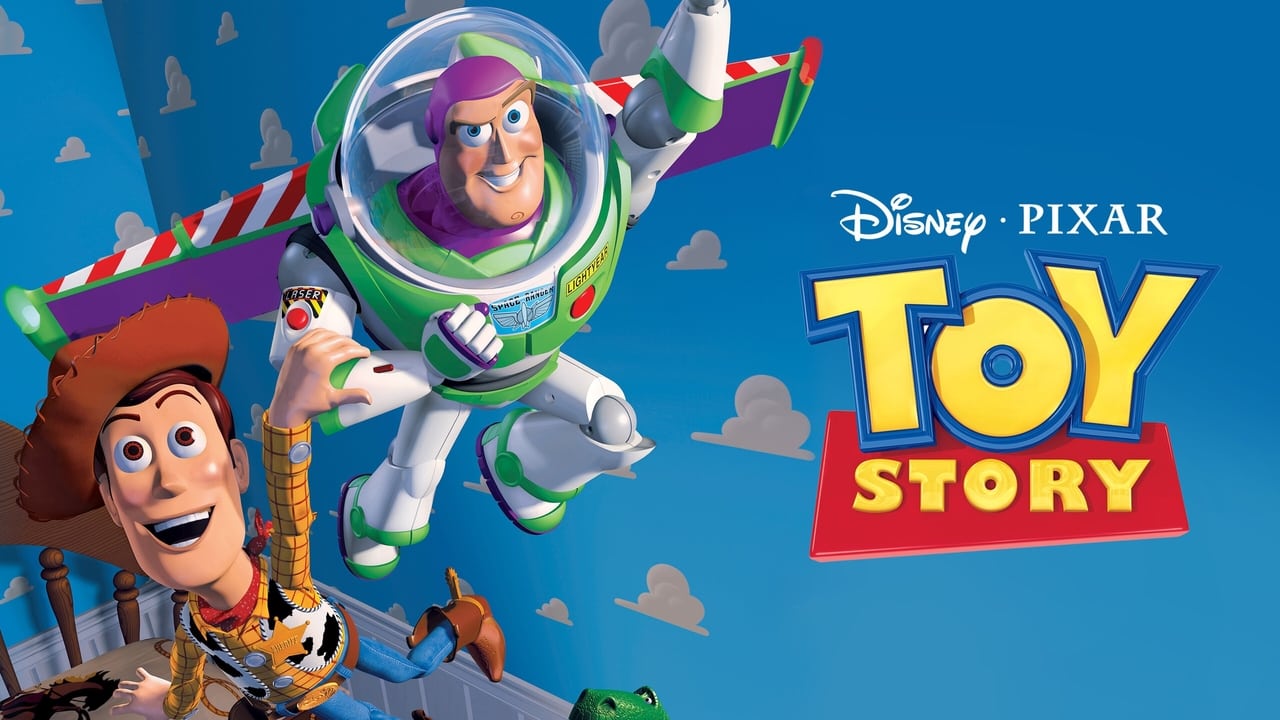
The cultural footprint of Toy Story is more like a crater. It didn't just sell toys; it redefined them. I remember the absolute frenzy for the "think-way" Buzz Lightyear doll that actually had the pop-out wings. It was the "it" item of 1995, the kind of toy parents would practically duel for in the aisles of a Toys "R" Us. The film managed to bridge the gap between the Y2K tech-anxiety and the timeless comfort of childhood nostalgia. It captured that specific "Modern Cinema" transition where we were enamored by what computers could do, but still desperately clinging to the physical things we loved.
I watched this again recently while trying to untangle a pair of wired headphones, and the irony of modern tech vs. the simplicity of a pull-string cowboy wasn't lost on me. Woody and Buzz represent that friction—the old guard vs. the new—and their eventual friendship is a beautiful metaphor for how we’ve integrated technology into our lives without losing our humanity.
Toy Story is that rare beast that survives its own revolution. While the technology has been surpassed a thousand times over, the storytelling, the pacing, and the heart are still the industry standard. It’s a reminder that no matter how many pixels you throw at a screen, you still need a good story about two idiots lost at a gas station to make people care. If you haven't visited Andy's room in a while, it's time to check under the bed.
Keep Exploring...
-

Toy Story 2
1999
-
Toy Story 3
2010
-
Toy Story 4
2019
-

A Bug's Life
1998
-
Cars
2006
-

Up
2009
-
Toy Story of Terror!
2013
-

The SpongeBob SquarePants Movie
2004
-

Wallace & Gromit: The Curse of the Were-Rabbit
2005
-
A Goofy Movie
1995
-
Monsters, Inc.
2001
-
Shrek
2001
-

Ice Age
2002
-
Shrek 2
2004
-
Kung Fu Panda
2008
-
Big Hero 6
2014
-
How to Train Your Dragon 2
2014
-
The Lego Movie
2014
-
Porco Rosso
1992
-
Hercules
1997