Twelve Monkeys
"Sanity is the ultimate symptom."
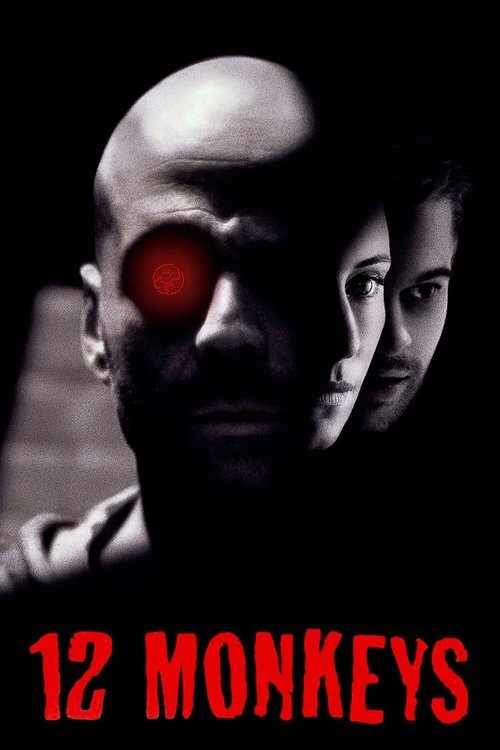
There is a specific, metallic clang that echoes through Terry Gilliam’s version of 2035—a sound like a Victorian boiler room being dragged through a landfill. It’s the sonic signature of a future that has stopped moving forward and started eating itself. When I first saw Twelve Monkeys, I was struck by how much it felt like a fever dream you’d have after falling asleep in a dusty basement, and three decades later, that grime hasn't lost its luster.
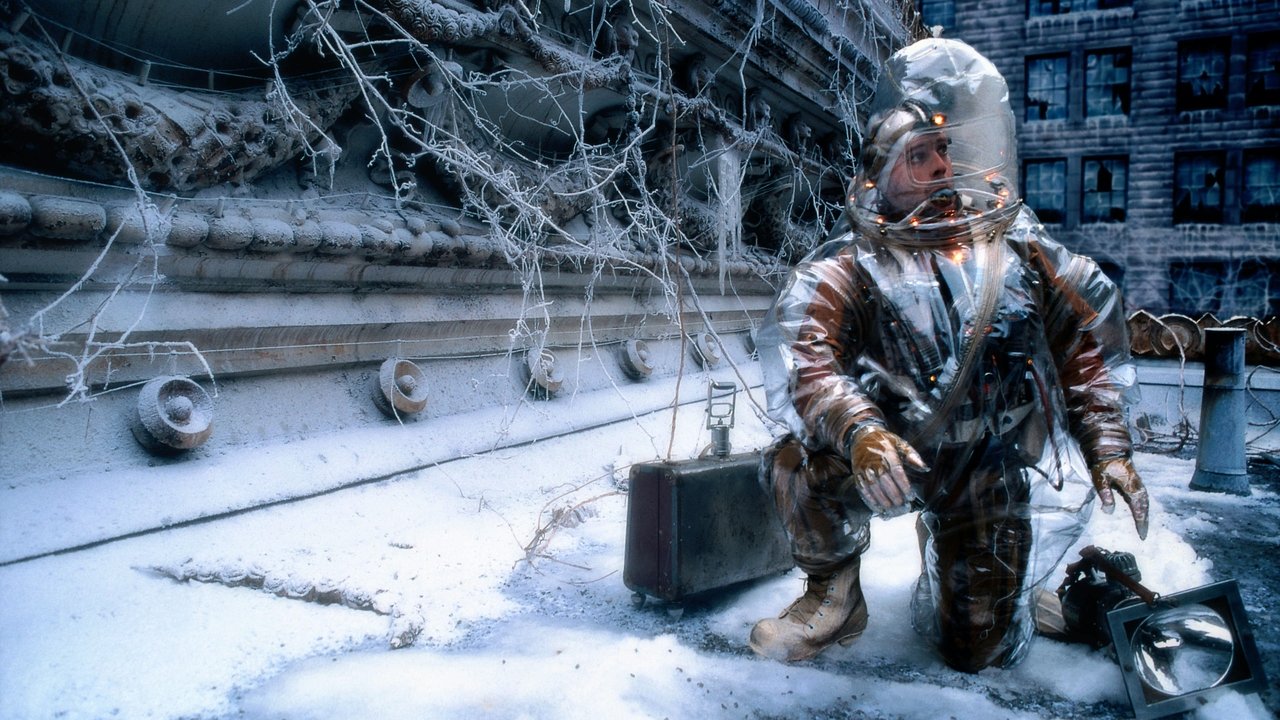
While most 90s blockbusters were leaning into the clean, digital sheen of early CGI, Gilliam went the other way. He doubled down on rust, leaking pipes, and wide-angle lenses that make everyone’s face look like it’s being pressed against a glass jar. It’s a masterpiece of "low-tech" high-concept sci-fi that proves you don't need a thousand pixels to build a world; you just need enough junk and a director who isn't afraid to get his hands dirty.
The Tragedy of the Cassandra Loop
The story follows James Cole, played by a remarkably restrained Bruce Willis, who is sent back from a virus-ravaged future to find the source of the plague. Except the future’s "scientists" are about as precise as a drunk dart player, and they drop him in 1990 instead of 1996. He’s immediately institutionalized because, let’s be honest, if a guy showed up in the middle of a Baltimore street screaming about a global apocalypse, you’d call the cops too.
What makes the script by David Webb Peoples and Janet Peoples so biting is the way it handles time travel. Most movies treat the past like a playground where you can fix your mistakes; Twelve Monkeys treats it like a prison. Cole isn't there to save the world; he’s there to gather data. The movie is built on the "Cassandra Complex"—the curse of knowing exactly how the world ends but being powerless to stop it.
I watched this most recently on a Tuesday evening while my radiator was making a rhythmic, hissing sound that I’m 90% sure was a leak, but it blended so perfectly with the film’s industrial clatter that I just let it happen. That’s the vibe of this movie: Accepting that everything is broken is the only way to stay sane.
Casting Against the Grain
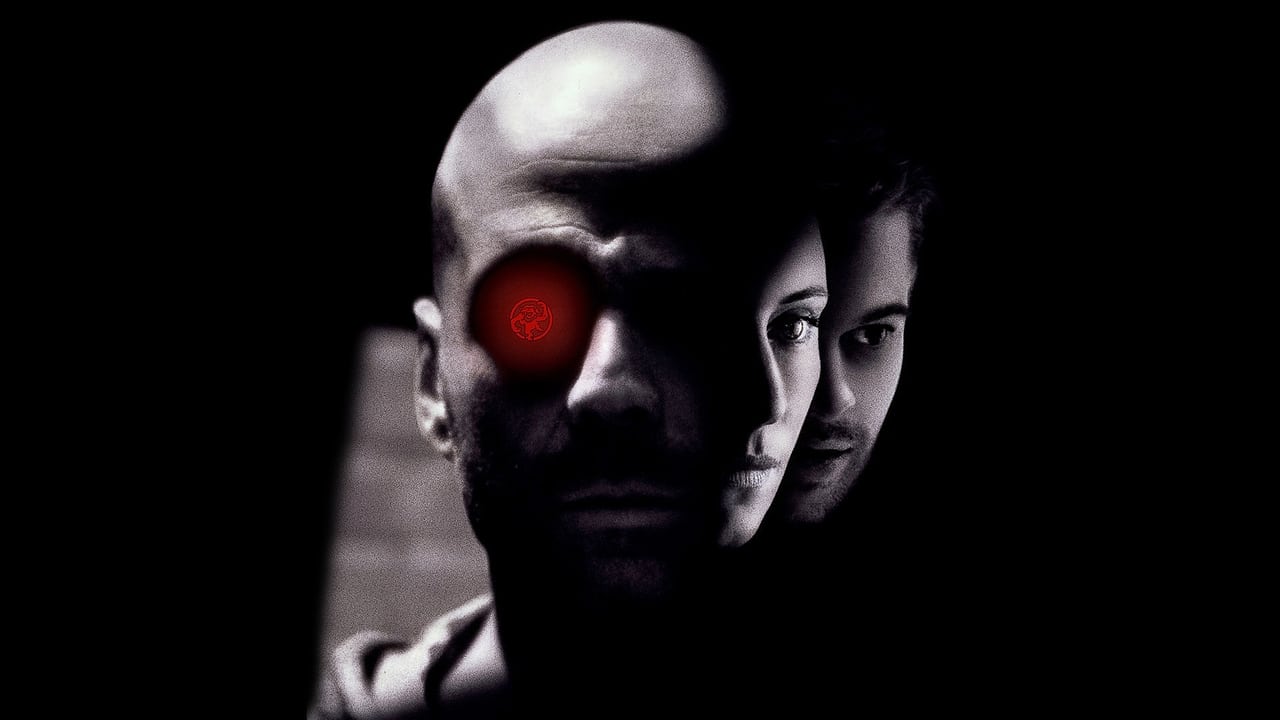
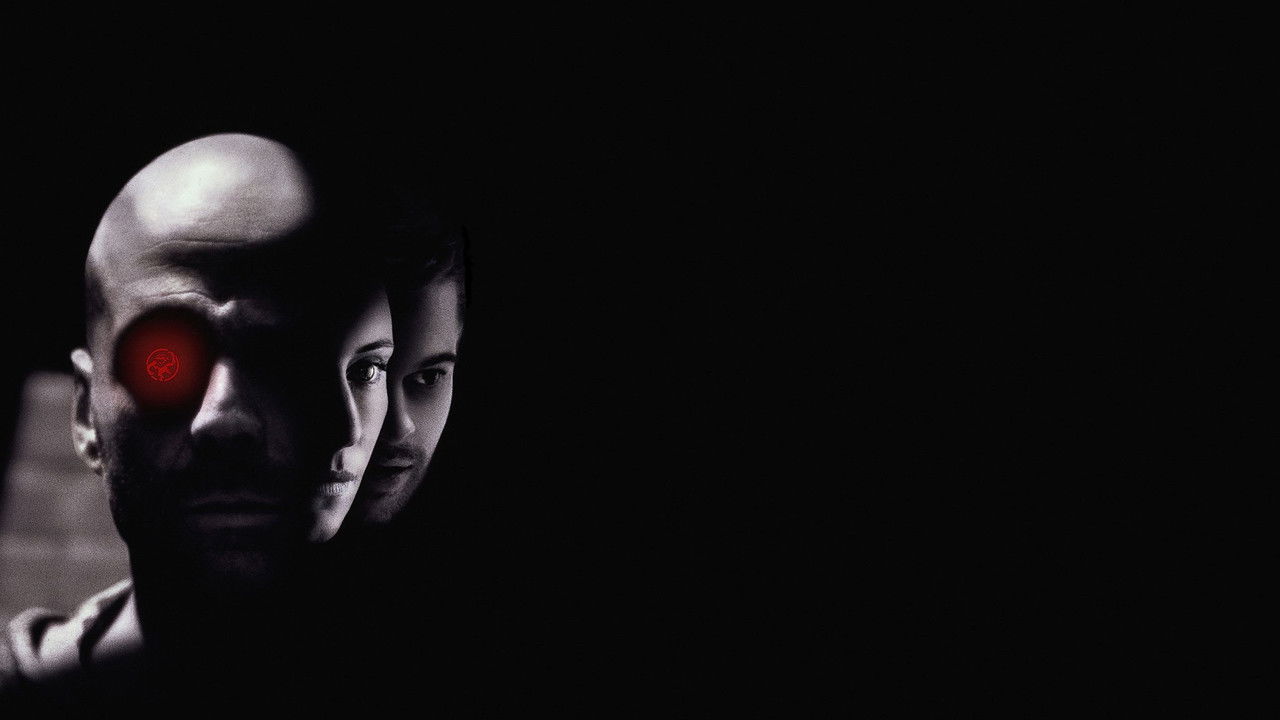
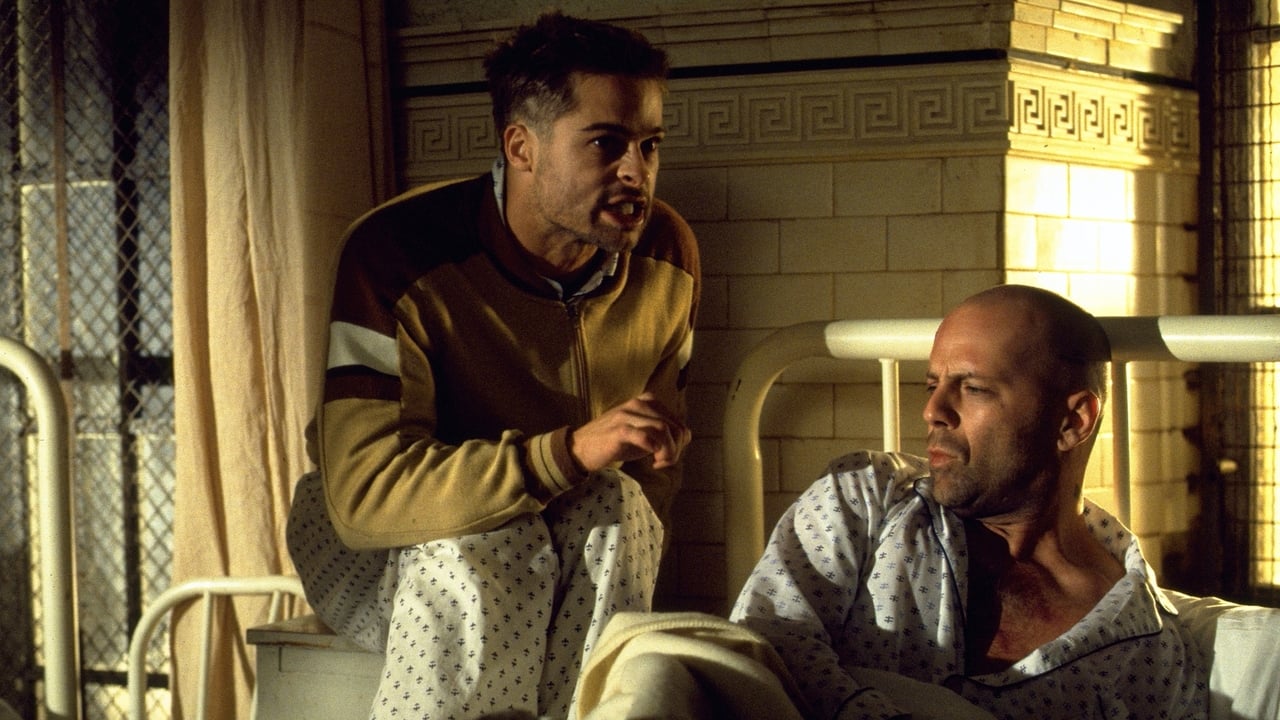
In 1995, Bruce Willis was the king of the "yippee-ki-yay" action flick, but here he’s stripped of his swagger. He’s vulnerable, drooling, and constantly confused. It’s a career-best performance because he plays Cole not as a hero, but as a man who is slowly being gaslit by time itself. Willis’s best work is when he’s being hit in the face with a tranquilizer dart.
Then there’s Brad Pitt. At the time, he was the heartthrob from Legends of the Fall, and Gilliam decided to cast him as Jeffrey Goines, a manic, twitchy inmate with a wall-eyed stare and a mouth that moves faster than his brain. Pitt’s performance here is the precise moment he decided to trade his 'Pretty Boy' card for a 'Character Actor' badge. He’s electric, terrifying, and deeply funny, earning an Oscar nomination that signaled to the world he was more than just a head of hair.
Madeleine Stowe as Dr. Kathryn Railly provides the necessary anchor. Her transition from a skeptical psychiatrist to a desperate believer is the emotional engine of the film. Without her, the movie would just be a collection of weird noises and Dutch angles; with her, it’s a tragedy.
The Hamster Factor and Studio Wars
Despite its dark, cerebral tone, Twelve Monkeys was a massive hit, raking in nearly $170 million. This was back when a studio like Universal would give a visionary like Gilliam $29 million to make a film based on a French short (La Jetée) and just hope for the best.
The production was famously chaotic. Gilliam was obsessed with "The Hamster Factor"—a term his crew coined because the director spent an entire day trying to get the lighting right on a hamster in the background of a shot while the main actors waited. He also had Pitt work with a speech coach to develop his frantic cadence, but eventually just took away the actor's cigarettes to make him naturally jittery.
Looking back, the film captures that mid-90s tech anxiety perfectly. We were five years away from Y2K, the internet was starting to feel like a loom over our heads, and the idea of a "silent killer" in the form of a virus felt both ancient and futuristic. It’s a film that has aged remarkably well because it doesn't rely on technology that becomes obsolete; it relies on human psychology, which is always a bit of a mess.
The ending of Twelve Monkeys is one of the most satisfying "closed loops" in cinema history. It doesn't cheat the audience with a happy miracle; it honors the logic it established in the first ten minutes. It’s a dense, beautiful, and deeply depressing ride that reminds us that the "Twelve Monkeys" we should be worried about aren't an army—they’re usually just the voices in our own heads. If you haven't seen it since the 90s, watch it again. It’s even more relevant in a world that has learned exactly how fragile our reality really is.
Keep Exploring...
-
Unbreakable
2000
-
Limitless
2011
-
The Maze Runner
2014
-
Se7en
1995
-
Gattaca
1997
-
The Thirteenth Floor
1999
-
Source Code
2011
-
The Sixth Sense
1999
-

Ghost
1990
-
Primal Fear
1996
-
Star Trek: First Contact
1996
-
Terminator 2: Judgment Day
1991
-
Armageddon
1998
-
Die Hard: With a Vengeance
1995
-
The Others
2001
-
Mystic River
2003
-
Signs
2002
-
Super 8
2011
-
Sin City
2005
-

Star Trek VI: The Undiscovered Country
1991