Bound
"Steal the money. Trust the girl."
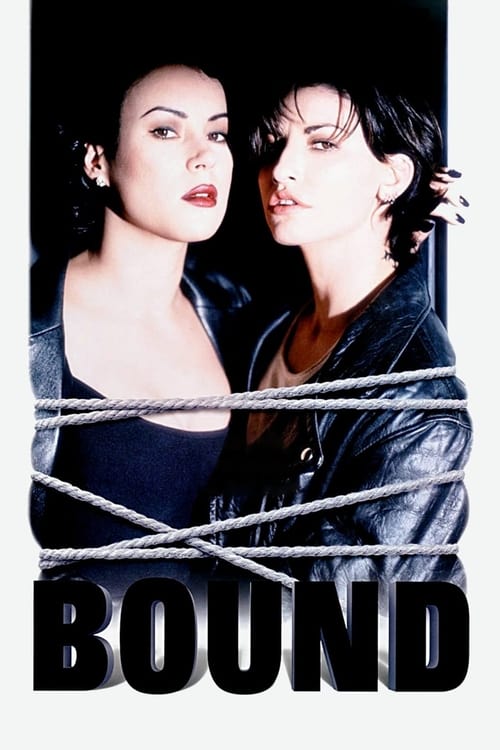
The sound of clanking pipes and hissing steam is the heartbeat of Bound. Long before they redefined action cinema with The Matrix, Lana and Lilly Wachowski arrived on the scene with this lean, mean, and incredibly stylish neo-noir. It’s a film that smells of fresh paint, expensive scotch, and old blood. I watched this on a laptop with a dying battery while a thunderstorm rattled my windows, which felt like the only appropriate way to experience such high-voltage tension.
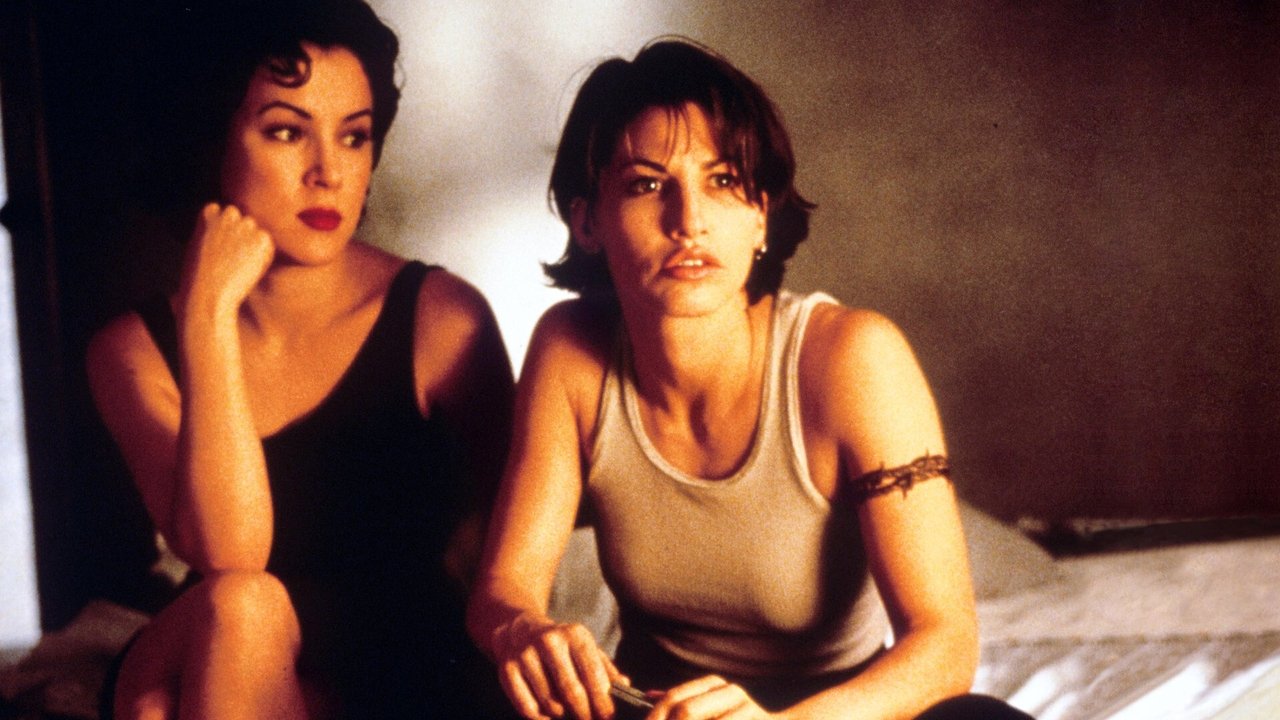
A Masterclass in the Minimalist Heist
Released in 1996, Bound was the Wachowskis’ "calling card" film. They famously wrote the script as a way to prove to studio executives that they knew how to direct before asking for the massive budget required for their sci-fi ambitions. Watching it now, you can see the precision in every frame. The story is deceptively simple: Corky, a butch ex-con with a talent for plumbing and a quiet intensity, is hired to renovate an apartment. Next door lives Caesar, a money-launderer for the Chicago outfit, and his girlfriend, Violet.
What follows isn't just a heist; it’s a high-stakes shell game played in a claustrophobic hallway. The directors use the limited space of two adjoining apartments to create a pressure cooker. Because the budget was a relatively modest $4.5 million, the film relies on sharp editing and Bill Pope’s high-contrast cinematography rather than spectacle. The way the camera glides through keyholes and follows wires through walls feels revolutionary for the mid-90s, signaling a shift toward the "comic book" visual language that would soon dominate the industry.
Performances That Sizzle and Snap
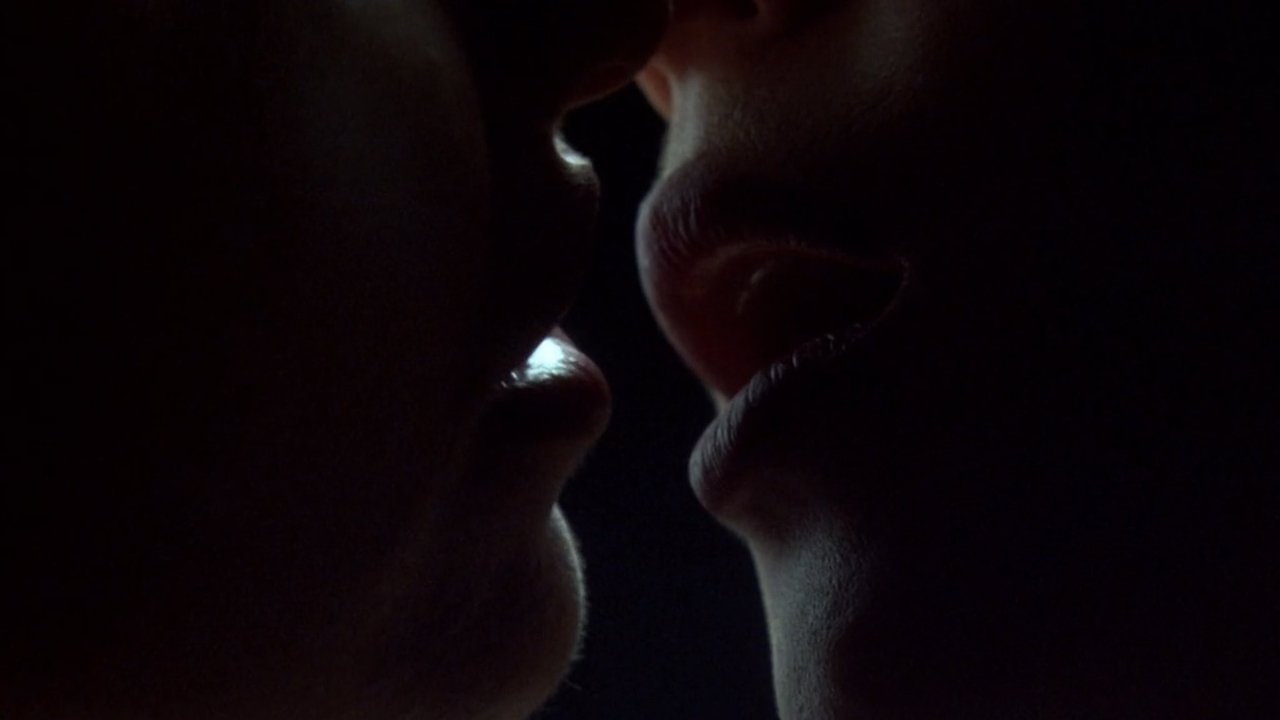
The chemistry between Gina Gershon and Jennifer Tilly is the engine that drives the movie, and it’s still remarkably potent. Gina Gershon plays Corky with a restrained, "man with no name" energy that was traditionally reserved for actors like Clint Eastwood. She’s all leather and silence. On the flip side, Jennifer Tilly uses her trademark breathy voice to craft a Violet who is far more than a "moll." She is the architect of the chaos, a woman who has spent years perfecting a mask of submissiveness while sharpening her survival instincts.
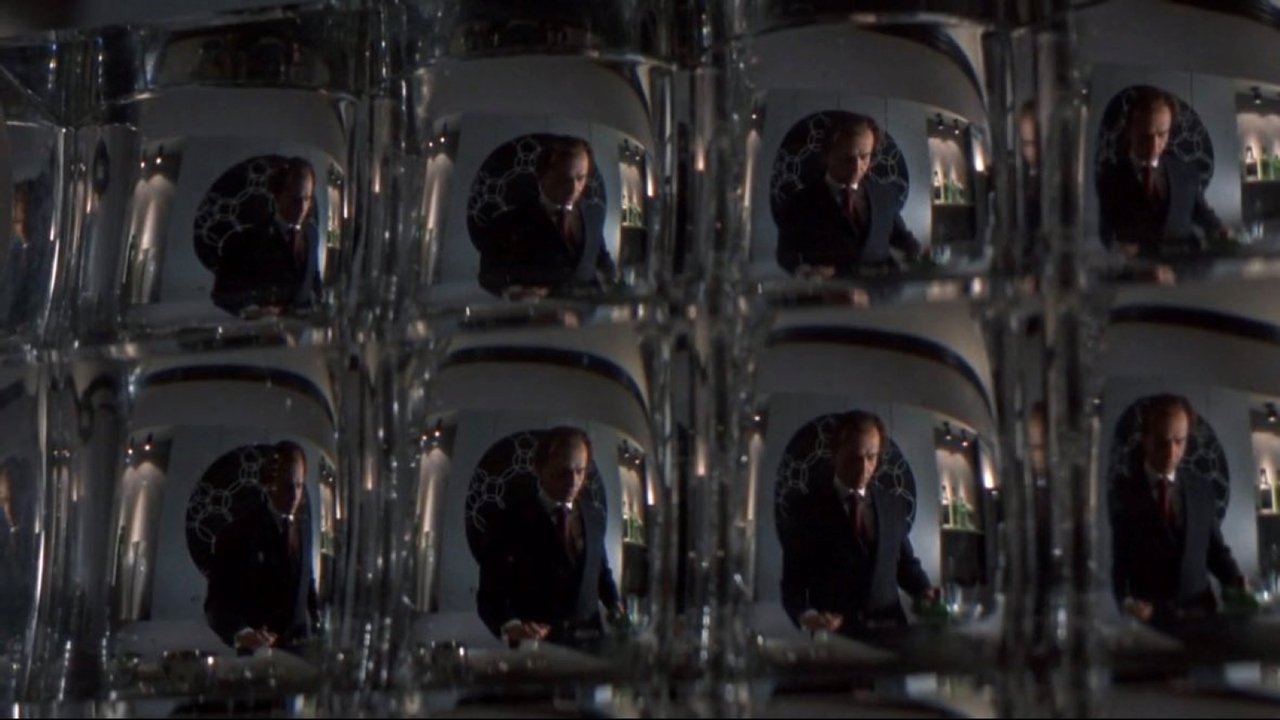
Then there is Joe Pantoliano. As Caesar, he is a revelation of frantic energy. He spends the second half of the film in a state of escalating panic, and you can practically feel the sweat dripping off the screen. Joe Pantoliano’s Caesar is less a villain and more a human anxiety attack in a silk shirt. Watching him try to "clean" the money—literally scrubbing blood off $2 million worth of bills and hanging them to dry on a clothesline—is a sequence of sustained tension that few modern thrillers can match. It’s dark, slightly absurd, and deeply unsettling.
The Indie Spirit of the Nineties
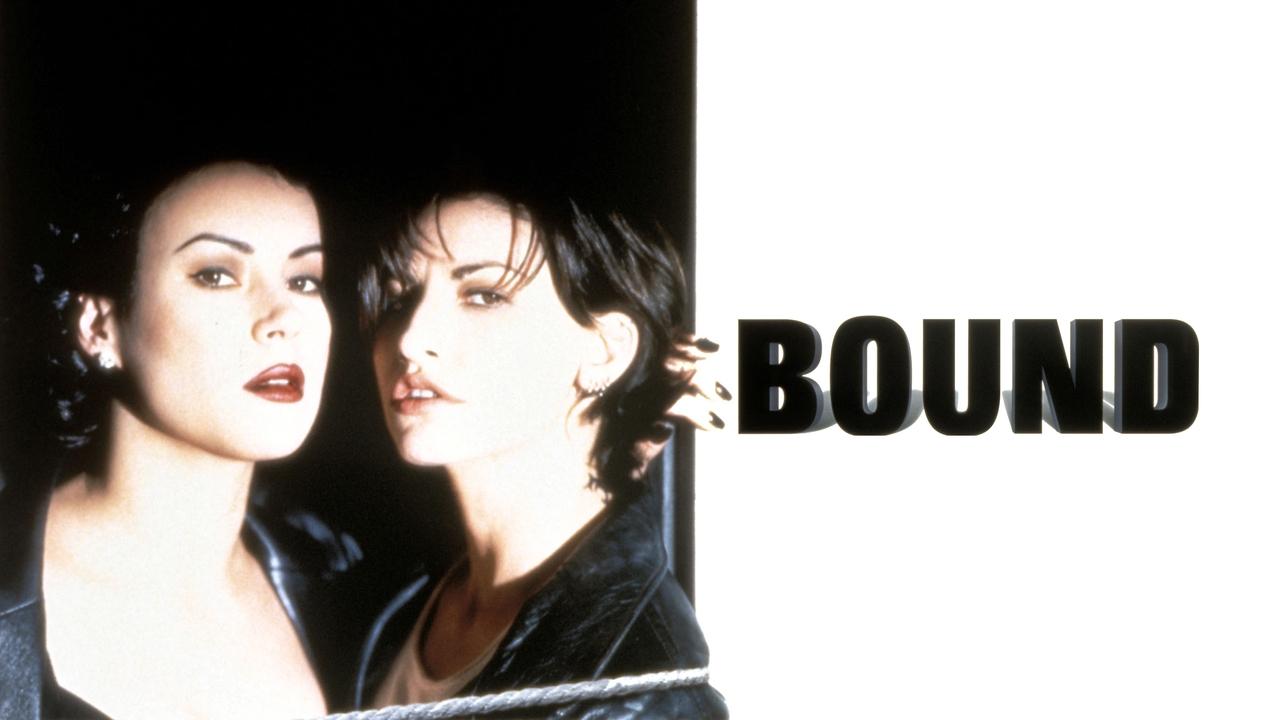
Bound arrived during the height of the 90s indie explosion, a time when Sundance was the center of the universe and Miramax was rewriting the rules of distribution. What makes this film stand out from the "Tarantino clones" of the era is its sincerity. It doesn't hide behind irony. It takes its noir tropes seriously while simultaneously subverting them. By casting two women in the roles usually occupied by a hard-boiled detective and a femme fatale, the Wachowskis didn't just make a "lesbian movie"—they made a great thriller that happened to have a lesbian heart.
The production was a masterclass in resourcefulness. To stay under budget, the crew used the De Laurentiis studio space in North Carolina, turning a single floor into a convincing Chicago apartment complex. The filmmakers storyboarded every single shot to ensure they didn't waste a minute of film stock. This level of preparation is why the movie feels so dense and intentional. Every drop of water and every shadow in the hallway feels like it was placed there with a pair of tweezers.
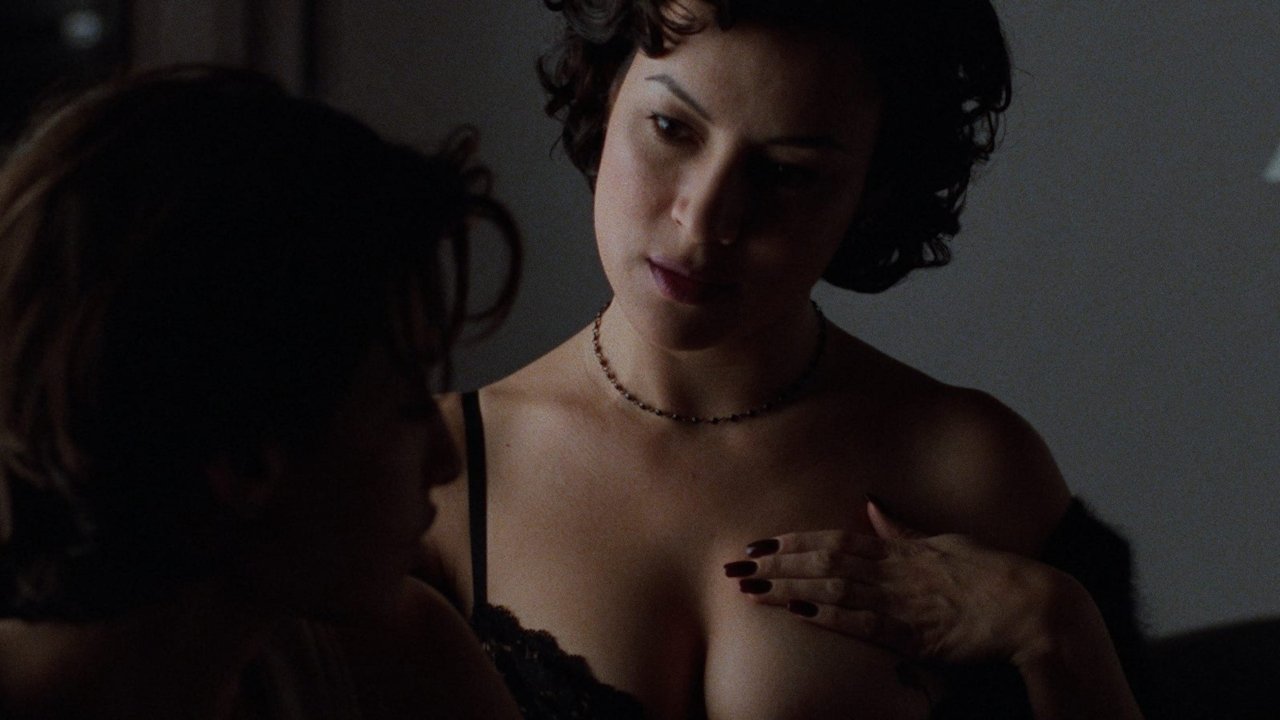
High Stakes and Heavy Shadows
The film’s "Dark/Intense" label is well-earned. As the plan inevitably goes sideways, the violence becomes intimate and messy. This isn't the sterilized, digital violence of a modern blockbuster; it’s the kind of violence that has consequences. When someone gets hurt in Bound, the camera lingers on the aftermath, forcing the audience to sit with the moral weight of the characters' choices.
The score by Don Davis—who would go on to compose the iconic music for The Matrix—is equally essential. It’s a mix of jazz-inflected noir themes and dissonant, metallic stings that keep your heart rate elevated. It mirrors the film’s central theme: the terrifying, exhilarating risk of actually trusting another person. In a world of mobsters and double-crosses, the most dangerous thing you can do isn't stealing two million dollars—it's believing that someone won't let go of your hand when the heat starts to rise.
The Wachowskis created a film that functions like a perfectly timed watch. It’s a reminder that you don’t need a hundred million dollars to create a world that feels vast and dangerous; you just need a compelling hook, a few cans of black paint, and actors willing to play for keeps. It captures a specific moment in the mid-90s when the line between independent grit and Hollywood polish was starting to blur. If you haven't seen it, find a quiet night, turn off the lights, and prepare to hold your breath.
Keep Exploring...
-
Felon
2008
-

Blood and Bone
2009
-
Undisputed III: Redemption
2010
-
Irreversible
2002
-
Cape Fear
1991
-
A Perfect World
1993
-
Bound by Honor
1993
-
Carlito's Way
1993
-

Falling Down
1993
-
Natural Born Killers
1994
-
Strange Days
1995
-
The Usual Suspects
1995
-
A Time to Kill
1996
-
Fargo
1996
-
Primal Fear
1996
-

Sleepers
1996
-
Donnie Brasco
1997
-

Jackie Brown
1997
-
L.A. Confidential
1997
-
The Rainmaker
1997