Breaking the Waves
"Miracles require a terrifying amount of skin in the game."
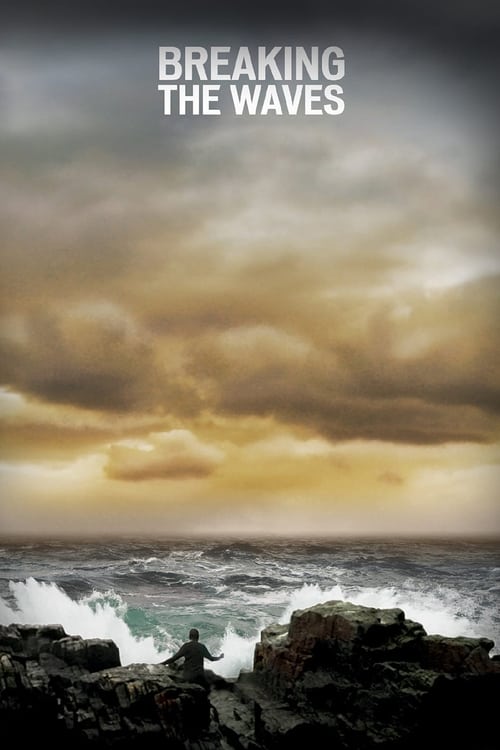
I remember the first time I sat through Breaking the Waves. I was tucked into a beanbag chair in a cramped apartment, eating a bowl of popcorn that I’d accidentally over-salted to the point of being caustic. Every time I took a bite, the sting of the salt on my lips mirrored the raw, stinging sensation of what was happening on the screen. By the time the credits rolled, I wasn't just thirsty; I felt like I’d been emotionally dehydrated. It’s a film that demands everything from you, and in return, it gives you a cinematic experience that is impossible to shake.
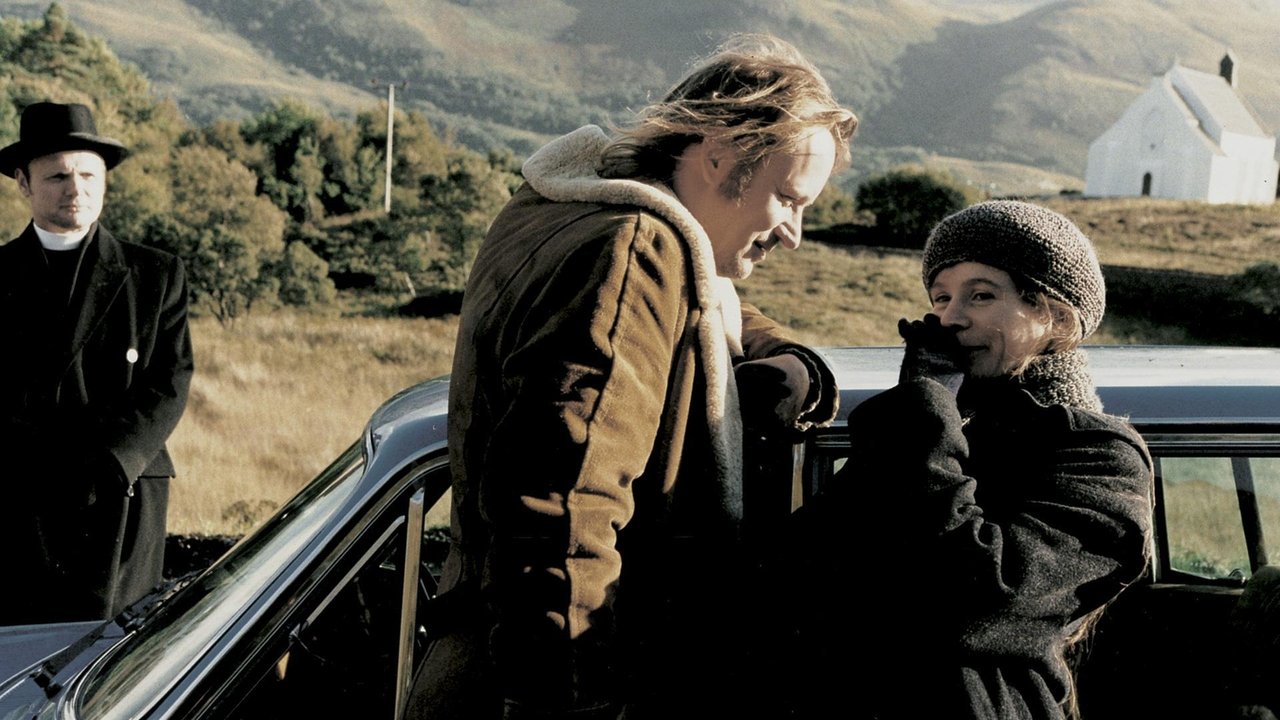
The Grainy Reality of a Modern Saint
Back in 1996, the world was vibrating with a specific kind of indie energy. We were moving away from the gloss of the 80s and into something grittier, something that felt like it had dirt under its fingernails. Lars von Trier—before he became the professional provocateur we know today—dropped this bomb on the Cannes Film Festival and essentially redefined what a "tear-jerker" could be. This wasn't the polished tragedy of The English Patient (which swept the Oscars that same year); this was something far more dangerous.
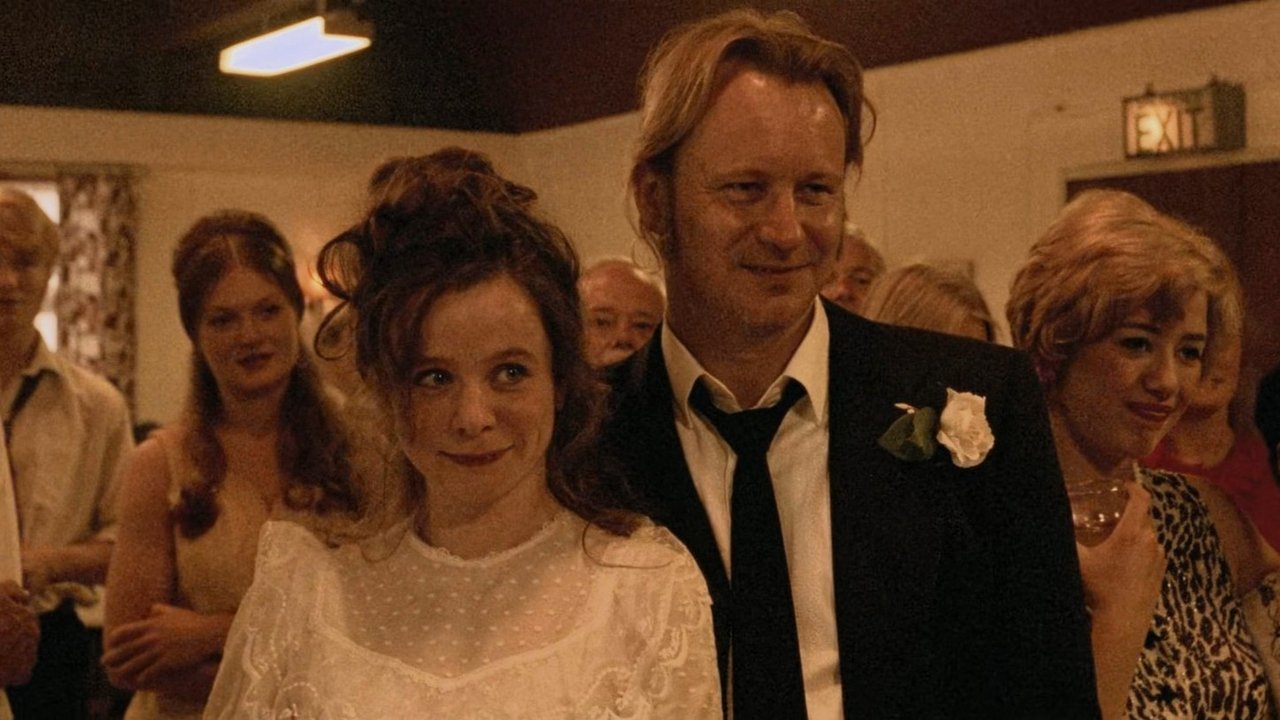
The story follows Bess McNeill, played by a then-unknown Emily Watson, a woman with a fragile mental state living in a strict, Calvinist community in the Scottish Highlands. She marries Jan (Stellan Skarsgård), an oil rig worker who represents everything her joyless church fears: sensuality, worldliness, and life. When Jan is paralyzed in a horrific accident, he convinces Bess—who believes she has a direct line to God—that the only way he will survive is if she seeks out sexual encounters with other men and tells him about them.
It sounds like the premise of a sleazy exploitation flick, but under Lars von Trier’s direction, it becomes a harrowing exploration of faith and sacrifice. He used these painterly, static chapter headings—lush landscapes set to 70s rock like David Bowie’s "Life on Mars"—to give us a moment to breathe before plunging us back into the grainy, handheld chaos of Bess’s life. Lars von Trier basically invented the 'emotional jump-scare' long before A24 was a glimmer in a hipster's eye.
A Star is Born (and Brutalized)
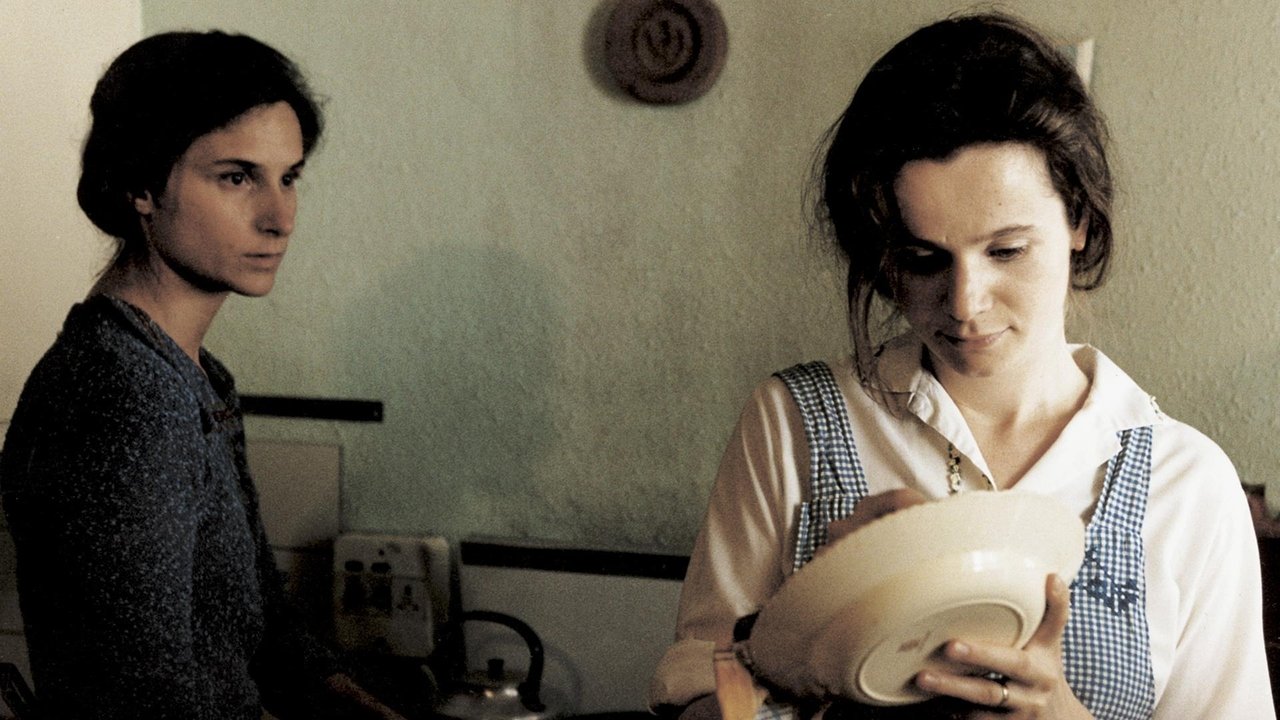
We have to talk about Emily Watson. I’ve seen thousands of movies, and I’m prepared to say this is one of the top five debuts in the history of the medium. She wasn’t even the first choice; Helena Bonham Carter was set to play Bess but backed out because of the nudity and the sheer psychological weight of the role. Honestly? I can’t imagine anyone else. Watson has this way of looking at the camera—breaking the fourth wall in a way that feels like she’s asking you for permission to keep going—that is utterly devastating.
Her chemistry with Stellan Skarsgård is what makes the movie work. Skarsgård, long before he was a fixture in the MCU or Dune, brings a rugged, tragic warmth to Jan. You have to believe that Bess loves him enough to descend into hell for him, and Skarsgård makes that believable. Then there’s Katrin Cartlidge as Dodo, Bess’s sister-in-law and the film's moral compass. She provides the grounded, human frustration that we, the audience, feel. She’s the one shouting what we’re all thinking: "This is madness!"
The cinematography by Robby Müller (who did incredible work on Paris, Texas) is a character of its own. He shot it on 35mm, transferred it to video, and then back to film to get that specific, muddy, lived-in look. It was a precursor to the Dogme 95 movement, stripping away the artifice. Looking back, it’s amazing how much more "real" this feels than the digital perfection of modern dramas. It captures the dampness of the Scottish air and the coldness of the stone church in a way that makes you want to reach for a sweater.
Why We Still Talk About This (Or Don't)

Breaking the Waves occupies a weird space in cinema history. It’s a movie that people "respect" more than they "watch." It’s long (159 minutes!), it’s brutal, and the ending is still one of the most debated "miracles" in film. Is it a feminist nightmare or a story of ultimate female agency? If you don’t feel like you need a shower and a hug after the credits roll, you might actually be a robot.
Interestingly, the film was a massive hit on the burgeoning DVD market in the late 90s. It was the kind of title that sat on the "Criterion" shelf of every serious film nerd, right next to Seven Samurai. It benefited from that era where we were all becoming "film literate" through special features and director commentaries. The DVD allowed us to pause, breathe, and analyze the technical mastery behind the misery.
It’s a film that hasn’t aged a day because it’s not tied to any 90s tech or trends. There are no clunky cell phones or Y2K anxieties here. It’s a timeless, biblical parable set in a world of oil rigs and leather jackets. It’s about the terrifying power of believing in something—or someone—more than you believe in yourself.
This isn't a "fun" Saturday night watch. It’s an endurance test, a spiritual autopsy, and a showcase for some of the best acting you will ever see. Lars von Trier might be a polarizing figure today, but in 1996, he captured lightning in a bottle. It’s a movie that stays in your marrow, reminding you that cinema can do more than just entertain—it can break you wide open. Seek it out, but maybe keep the tissues (and a less salty snack) nearby.

Keep Exploring...
-

Dancer in the Dark
2000
-
Nymphomaniac: Vol. II
2013
-
Dogville
2003
-
Melancholia
2011
-

Nymphomaniac: Vol. I
2013
-
Antichrist
2009
-
Batman: Mask of the Phantasm
1993
-
The Age of Innocence
1993
-

The Piano
1993
-
The Remains of the Day
1993
-
It Could Happen to You
1994
-
Little Women
1994
-
The Quick and the Dead
1995
-
That Thing You Do!
1996
-

EverAfter
1998
-
Sliding Doors
1998
-
Blast from the Past
1999
-
The Thomas Crown Affair
1999
-
The Piano Teacher
2001
-
Y Tu Mamá También
2001