Chain Reaction
"Clean energy. Dirty secrets. High-speed pursuit."
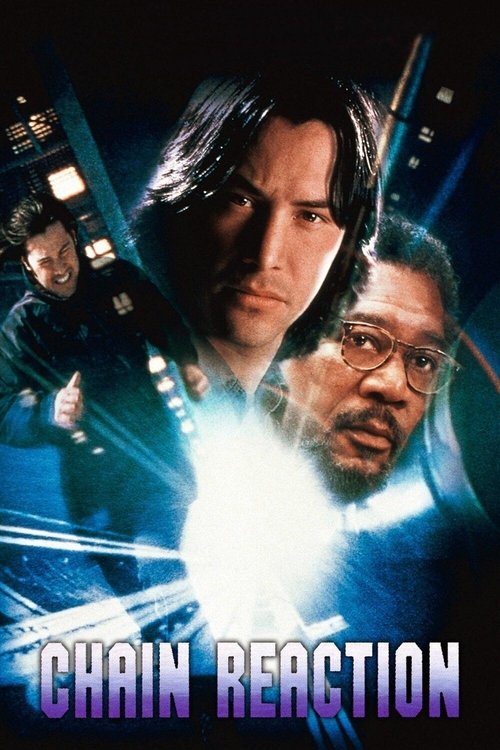
If you looked at a movie poster in the summer of 1996 and saw Keanu Reeves standing in front of a massive fireball with Morgan Freeman looming authoritatively in the background, you’d assume you were looking at the year's undisputed heavyweight champion. Directed by Andrew Davis—the man who had just turned Harrison Ford into a sprinting icon in The Fugitive—Chain Reaction had every ingredient for a high-octane classic. Instead, it has largely vanished into the "Oh yeah, that movie" category of 90s cinema, a forgotten tech-thriller that feels like a time capsule of an era when we still thought floppy disks were the pinnacle of espionage.

I watched this recently on a laptop while my cat persistently tried to sit on the keyboard, which ironically added a layer of tactile suspense the script occasionally lacked. But as I sat through the familiar beats of a "man on the run" story, I found myself wondering why this film didn’t stick the landing in the cultural consciousness. It’s got the pedigree, the budget, and a cast that would be an awards-season powerhouse today.
The Fugitive’s Science-Fair Cousin
The plot is pure 90s paranoia. Keanu Reeves plays Eddie Kasalivich, a "student machinist" (a job title the movie treats with the gravity of a brain surgeon) working on a project at the University of Chicago. Alongside Dr. Lily Sinclair, played by a very young Rachel Weisz, Eddie discovers the secret to stable hydrogen fusion. It’s clean, it’s infinite, and it basically solves every problem on Earth. Naturally, within ten minutes, the lab is a crater, the lead scientist is dead, and Eddie and Lily are being framed by a shadowy cabal involving Brian Cox (playing a delightfully punchable bureaucrat) and a mysterious government liaison played by Morgan Freeman.
Andrew Davis is essentially trying to catch lightning in a bottle twice here. He treats Chicago like a character, just as he did in The Fugitive, using the city’s industrial winter grit to ground the fantastical science. There’s a relentless momentum to the first hour. When the lab explodes—a practical effect that actually feels like it has weight—the movie shifts into a series of elaborate chases. We get Keanu on a motorcycle, Keanu on a bridge, and a particularly weird hovercraft chase across a frozen lake.
Stunts, Physics, and 90s Style
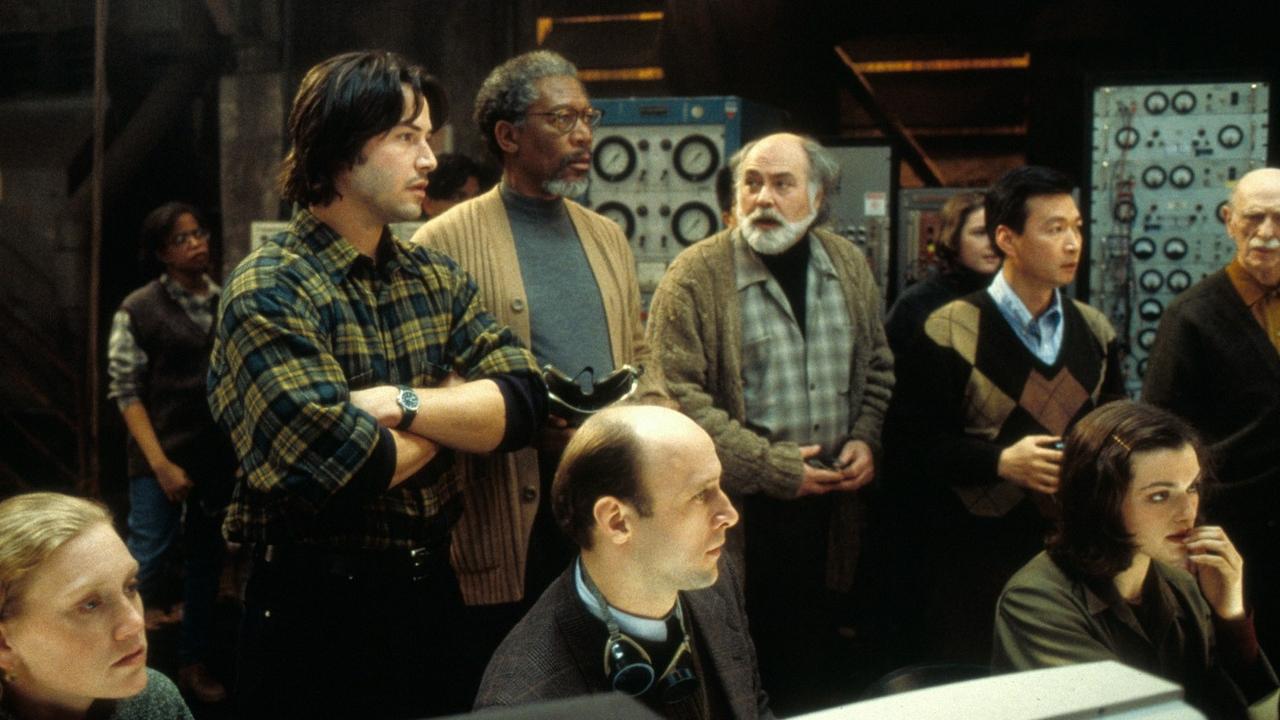
What holds up surprisingly well is the physicality of the action. This was right on the cusp of the CGI revolution; while there are some early digital flourishes, most of the stunts feel delightfully dangerous. The sequence where Eddie has to climb the lifting Michigan Avenue Bridge is a genuine nail-biter. It’s the kind of practical stunt work that makes you appreciate the era—no green screens, just a very cold Keanu Reeves hanging off a massive piece of moving iron.
However, we have to address the casting. Keanu Reeves playing a "brilliant machinist" is a bit like casting a Golden Retriever as a nuclear physicist—you love him, but you don't buy the degree. Keanu is in his peak "Whoa" era here, sporting a floppy haircut that seems to have more screen presence than some of the supporting actors. He’s great at the running and the jumping, but when he starts explaining the molecular structure of hydrogen bubbles, you can almost hear the gears grinding.
Then there’s Morgan Freeman. This was during his "wise mentor" phase, but the movie plays with his persona in a way that’s actually quite clever. He spends most of the film in a wood-paneled office, sipping scotch and looking disappointed in everyone, which honestly sounds like a dream gig. He provides the gravitas that prevents the movie from floating away into B-movie territory.
Why the Reaction Fizzled
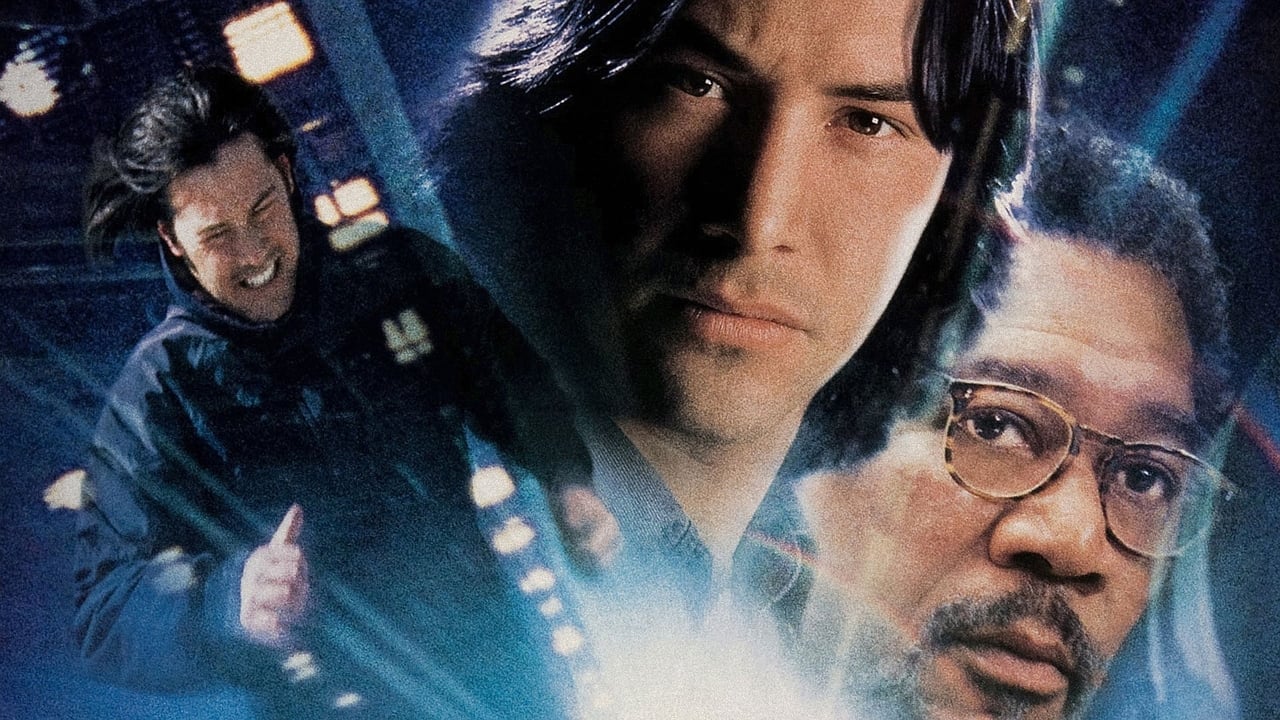
So, why did this $50 million blockbuster earn only a fraction more than its budget and disappear? Timing played a huge role. 1996 was the year of Independence Day and Mission: Impossible. Audiences wanted world-ending spectacle or slick, high-tech gadgetry. Chain Reaction felt a little too "blue-collar." It’s a movie about industrial piping and hydrogen tanks, not aliens or face-swapping spies.
Apparently, the production was also plagued by creative friction. Reports from the time suggest that Keanu Reeves and Andrew Davis disagreed on whether the film should be a smart, slow-burn thriller or a non-stop action flick. You can feel that tension in the final cut; it’s a movie that wants to talk about the ethics of free energy but keeps getting interrupted by things blowing up. It’s also worth noting that the film used real hydrogen fuel cell technology for its lab sets, which is a cool detail that 99% of the audience likely missed while waiting for the next shootout.
In retrospect, Chain Reaction is a perfectly serviceable Friday night watch that suffers only from being "pretty good" in a decade that demanded "groundbreaking." It’s a fascinating look at Rachel Weisz before she became a household name and Morgan Freeman before he became the literal voice of God. If you can get past the sight of Keanu trying to look intense while typing on a computer that looks like a microwave, there’s a solid, meat-and-potatoes thriller here that deserves a second look—even if it’s just for that bridge jump.


Keep Exploring...
-

Collateral Damage
2002
-
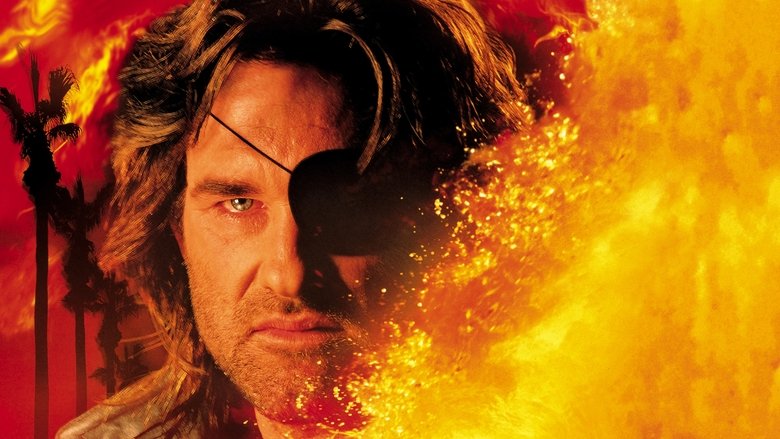
Escape from L.A.
1996
-

The Saint
1997
-
Volcano
1997
-
Star Trek: Insurrection
1998
-
Red Planet
2000
-

Final Fantasy: The Spirits Within
2001
-

Under Siege
1992
-
Lake Placid
1999
-
The One
2001
-
The Matrix Revolutions
2003
-

Outbreak
1995
-
A Perfect Murder
1998
-

Godzilla
1998
-

Star Trek: Nemesis
2002
-

Paycheck
2003
-
Sky Captain and the World of Tomorrow
2004
-

Race to Witch Mountain
2009
-
Johnny Mnemonic
1995
-
Hollow Man
2000