Daylight
"One way in. No way out. Stallone vs. Jersey."
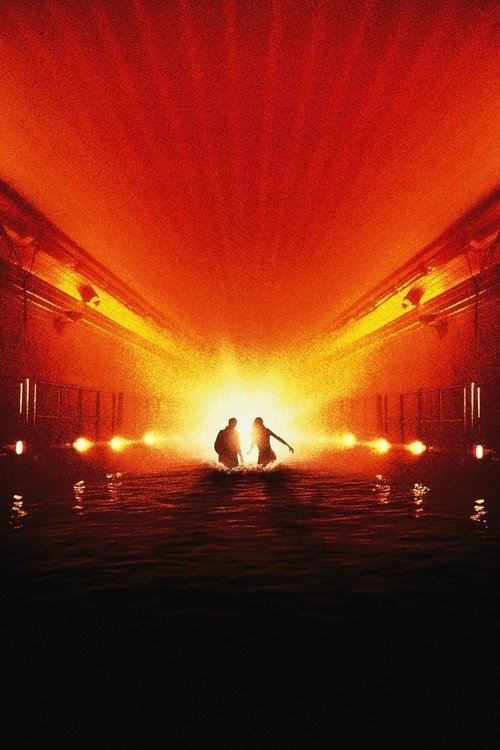
I watched Daylight on a scratched DVD I found in a bargain bin, and the disc skipped right as a massive truck hit a wall of toxic waste, making the resulting fireball stutter in a weirdly artistic, strobe-light fashion for five extra seconds. Honestly? It improved the experience. There is something deeply comforting about a mid-90s disaster flick—a genre that flourished briefly between the death of the "one-man army" action hero and the birth of the indestructible CGI superhero.
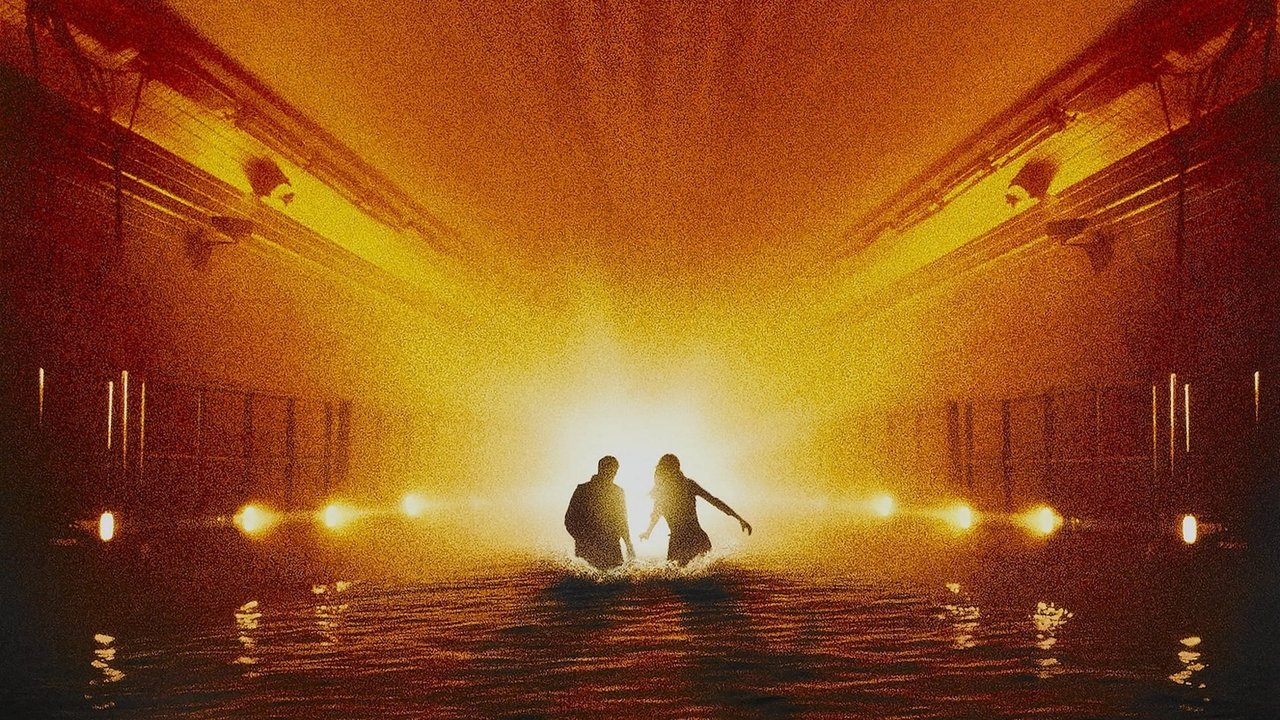
In 1996, Hollywood was obsessed with the planet falling apart. We had Twister and Independence Day dominating the charts, but while those films looked at the sky, director Rob Cohen decided to bury us underground. Specifically, he buried us in the Holland Tunnel (rebranded here as the "New Jersey Tunnel") with Sylvester Stallone. It’s a film that captures a very specific moment in cinema: a bridge between the grueling, sweat-soaked practical stunts of the 80s and the burgeoning digital spectacle of the late 90s.
The Last Stand of the Practical Fireball
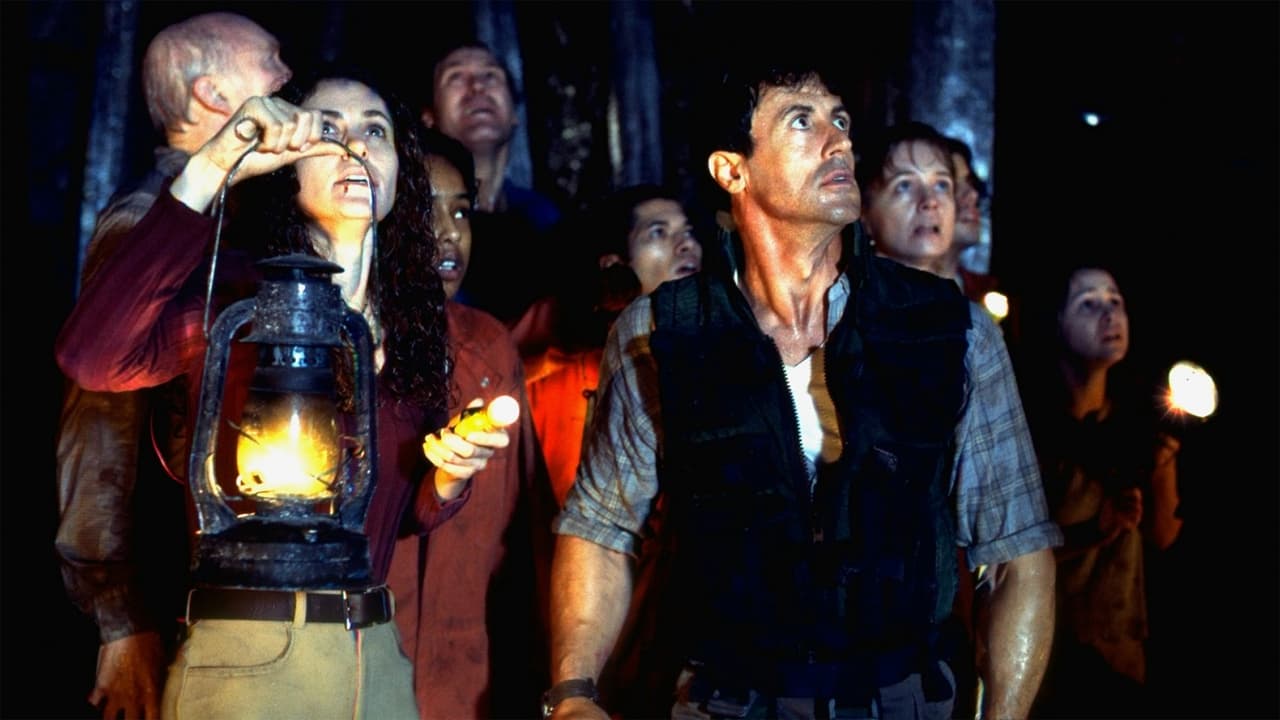
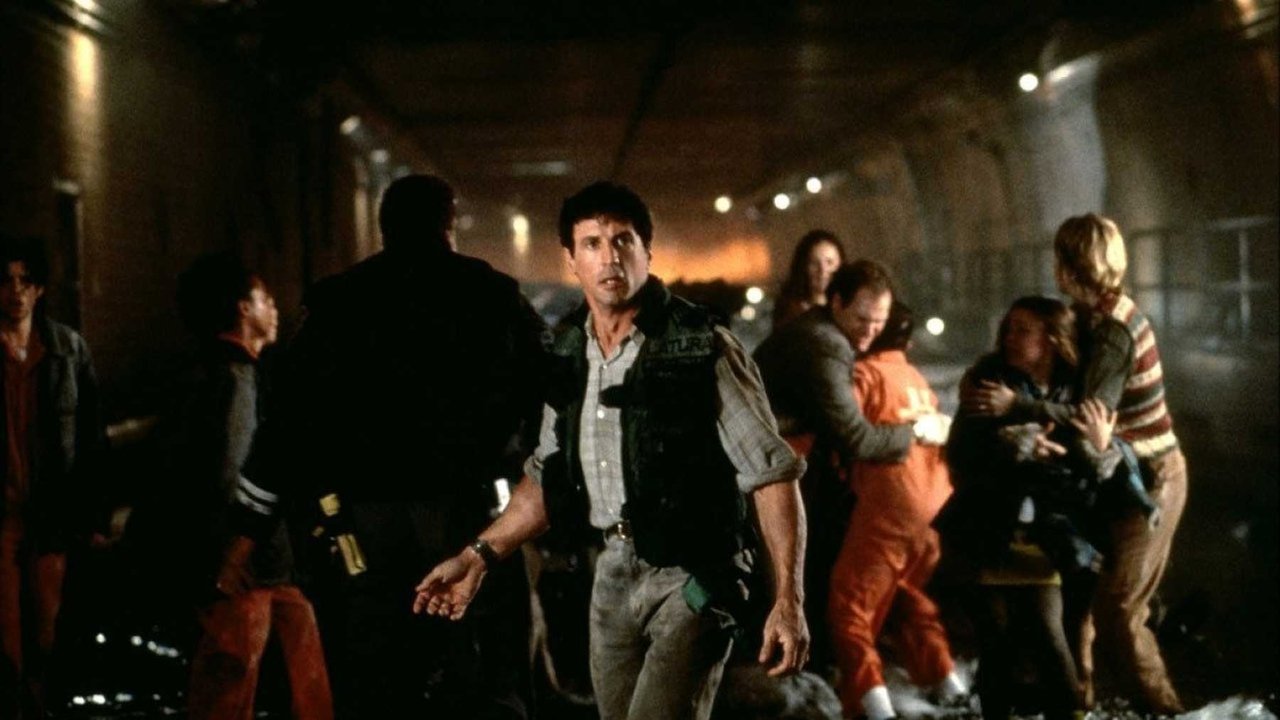
The plot is a masterpiece of "wrong place, wrong time" engineering. A group of diamond thieves crashes into a convoy of illegally transported toxic waste, triggering a chemical firestorm that seals both ends of the tunnel. Enter Kit Latura (Sylvester Stallone), a disgraced former Emergency Medical Services chief who happens to be moonlighting as a taxi driver right outside the entrance. Because this is a 90s movie, he is the only person on Earth who knows how the tunnel’s ventilation system works, and he's the only one brave enough to crawl through a series of massive, spinning industrial fans to reach the survivors.
What strikes me looking back is how much weight the destruction has. Unlike modern blockbusters where crumbling skyscrapers often look like weightless pixels, the explosion in Daylight feels terrifyingly physical. The production used a massive 1/3 scale model for the initial blast, and the result is a wall of fire that looks like it’s actually consuming oxygen. When the water starts pouring in later, you can see the actors—including Amy Brenneman as a failed playwright and Stan Shaw as a noble transit cop—genuinely struggling against the elements. You can almost smell the soot and the stagnant Hudson River water through the screen.
Viggo Mortensen: The King of Hubris
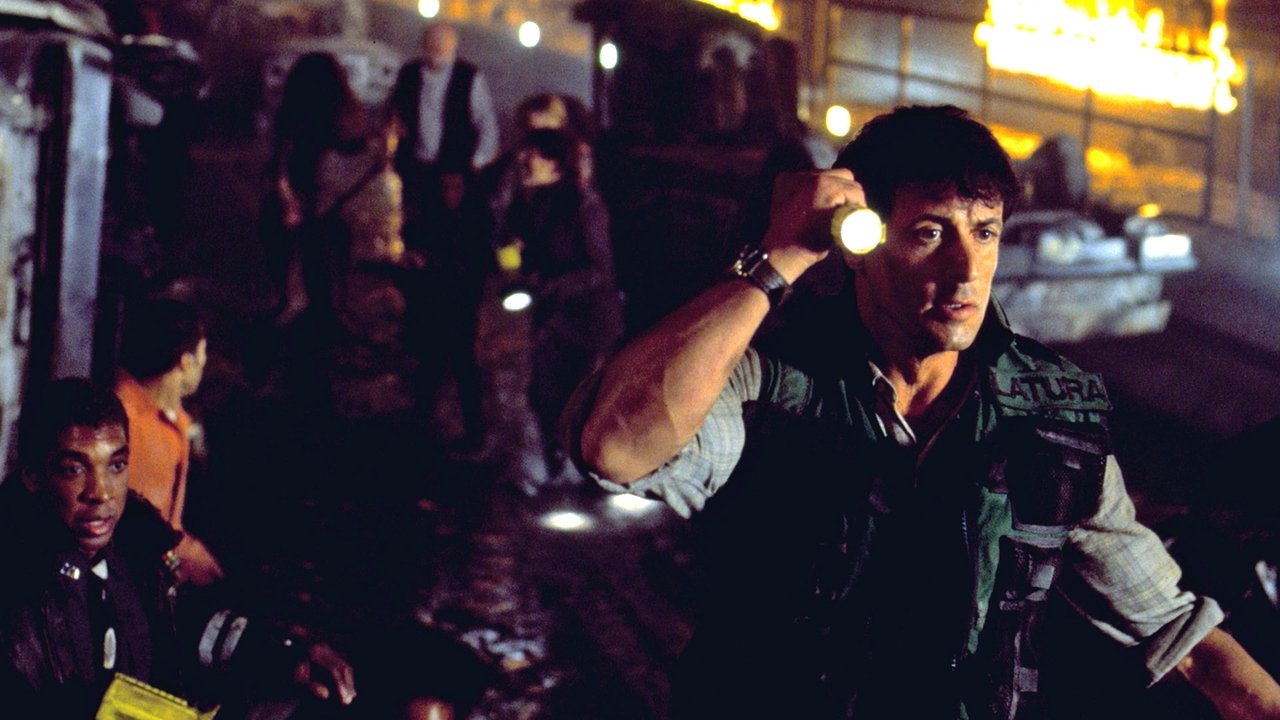
One of the greatest joys of revisiting Daylight is the presence of a pre-Lord of the Rings Viggo Mortensen. He plays Roy Nord, a billionaire extreme-sports enthusiast who is essentially a walking Patagonia advertisement. He represents the era's obsession with "extreme" everything. Viggo Mortensen's character is essentially an insufferable Instagram influencer born ten years too early, convinced that his experience climbing K2 makes him more qualified to lead than a trained professional.
His exit from the film is one of my favorite "hubris-meets-physics" moments in action history. It serves as a sharp reminder that in 1996, we still liked our heroes to be blue-collar professionals rather than charismatic daredevils. Sylvester Stallone plays Latura with a surprising amount of restraint. He isn't Rambo here; he’s a guy with a heavy dose of PTSD who is visibly terrified for 80% of the runtime. He spends most of the movie covered in grey sludge, looking less like a movie star and more like a guy who just had the worst shift at a coal mine in history.
A Time Capsule of Concrete and Anxiety
There’s a persistent claustrophobia in Daylight that still works. The set design is fantastic—all dripping pipes, jagged rebar, and the constant, rhythmic thud of the fans. It leans into the era's tech-anxiety, where our own infrastructure felt like a ticking time bomb. Looking back, the film also features a diverse "microcosm of society" cast typical of the disaster genre, including Barry Newman and Dan Hedaya, though it does lean heavily on some tropes that feel a bit dusty today (the grumpy old couple, the misunderstood convicts).
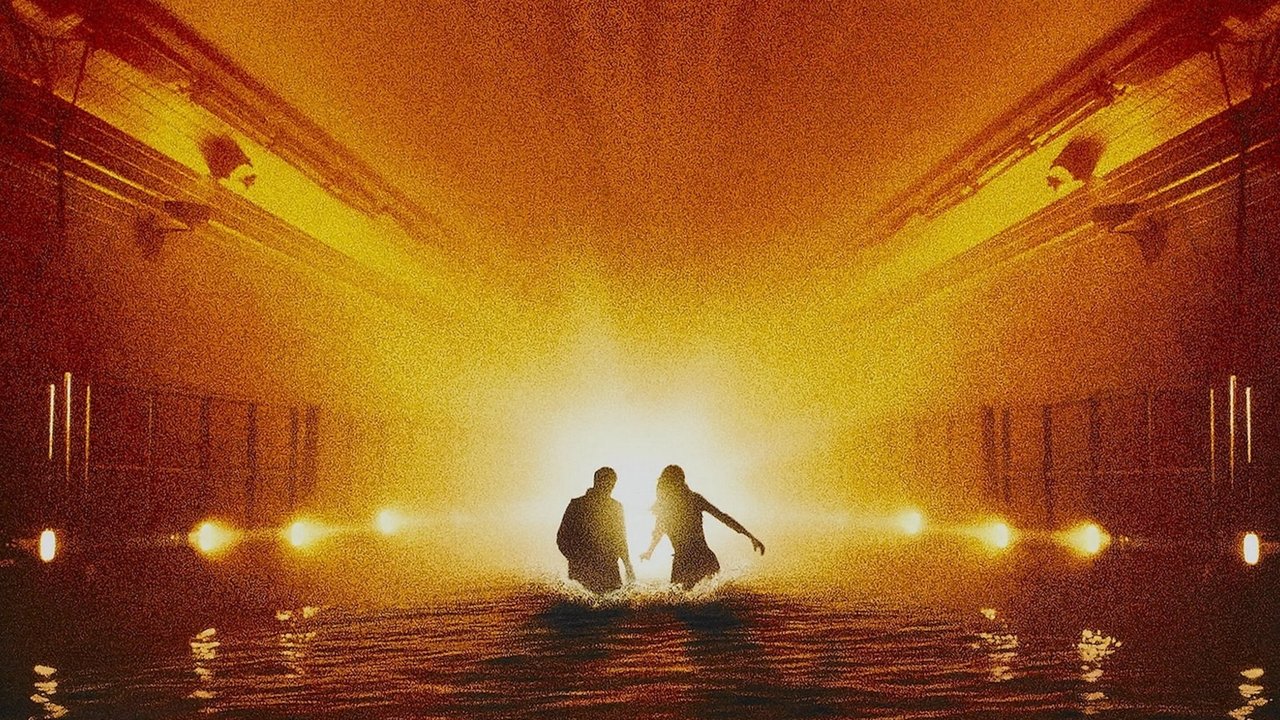
However, the film’s pacing is its secret weapon. Once the tunnel collapses, Rob Cohen keeps the pressure cooker on high. There’s very little "down time." Every victory the survivors achieve—like clearing a path through a pile of cars—is immediately met with a new catastrophe, like an electrical fire or a drowning dog. (Yes, there is a dog in peril, because 90s audiences wouldn’t have cared about the humans otherwise).
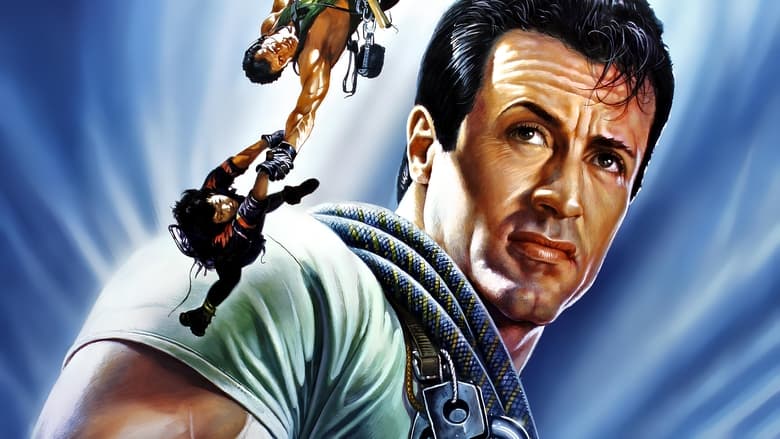
While it doesn't have the "prestige" of Cliffhanger or the iconic status of Rocky, Daylight is a sturdy, well-built piece of entertainment. It’s a film that knows exactly what it is: a high-stakes survival story that asks, "What would you do if the ceiling literally fell in?" It’s the kind of movie that makes you hold your breath while driving through a tunnel, which is perhaps the highest compliment you can pay it.
Daylight is a relic of a time when we went to the movies to see a giant of the 80s struggle against a giant pile of 90s concrete. It’s not revolutionary, but the practical effects and Stallone’s grounded performance keep it from being just another disaster. If you can find a copy—scratched or otherwise—it’s a perfect way to spend two hours feeling very, very glad that you are currently sitting in a room with a functioning exit. It’s a brawny, soggy, and surprisingly sincere thriller that deserves a spot in your retrospective rotation.
Keep Exploring...
-
Assassins
1995
-
xXx
2002
-
Cliffhanger
1993
-
Shaft
2000
-
DragonHeart
1996
-
Escape from L.A.
1996
-
Executive Decision
1996
-
Dante's Peak
1997
-
The Saint
1997
-
Star Trek: Insurrection
1998
-

Space Cowboys
2000
-
Vertical Limit
2000
-
Final Fantasy: The Spirits Within
2001
-
Passenger 57
1992
-
The Fast and the Furious
2001
-
The Expendables
2010
-
The Expendables 2
2012
-
The Expendables 3
2014
-
The Hurricane Heist
2018
-
Star Trek: Nemesis
2002