Don't Be a Menace to South Central While Drinking Your Juice in the Hood
"The hood has never been this hilariously hopeless."
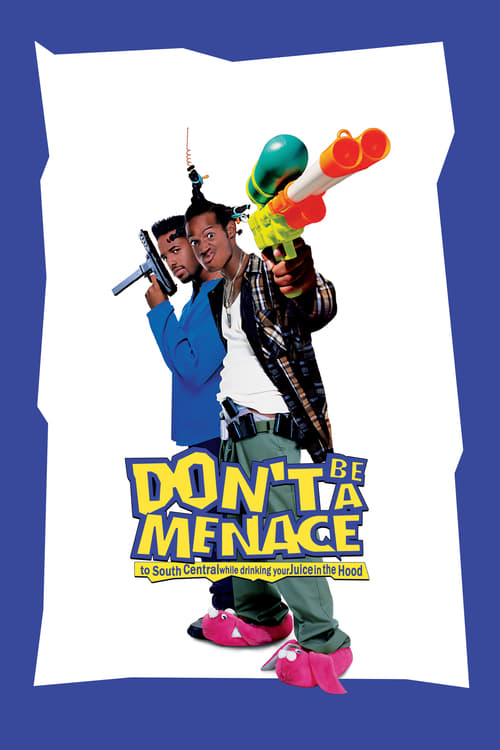
The mid-1990s was a heavy time for the American multiplex. We were in the thick of the "hood movie" cycle—a wave of earnest, often brutal dramas like Boyz n the Hood and Menace II Society that sought to expose the cyclical violence and systemic traps of South Central L.A. These films were vital, but by 1996, the tropes had become so codified that they were practically begging for a brick to be thrown through their window. That brick arrived in the form of a film with a title so long it barely fit on a marquee: Don’t Be a Menace to South Central While Drinking Your Juice in the Hood.

I remember my first encounter with this movie vividly, mostly because I was sitting on a sagging beanbag chair in a basement that smelled faintly of damp laundry and old pizza boxes. Looking back, that gritty, slightly uncomfortable setting was the perfect theater for a film that takes the grim fatalism of 90s urban cinema and stretches it into a fever dream of absurdity.
The Satire of Fatalism
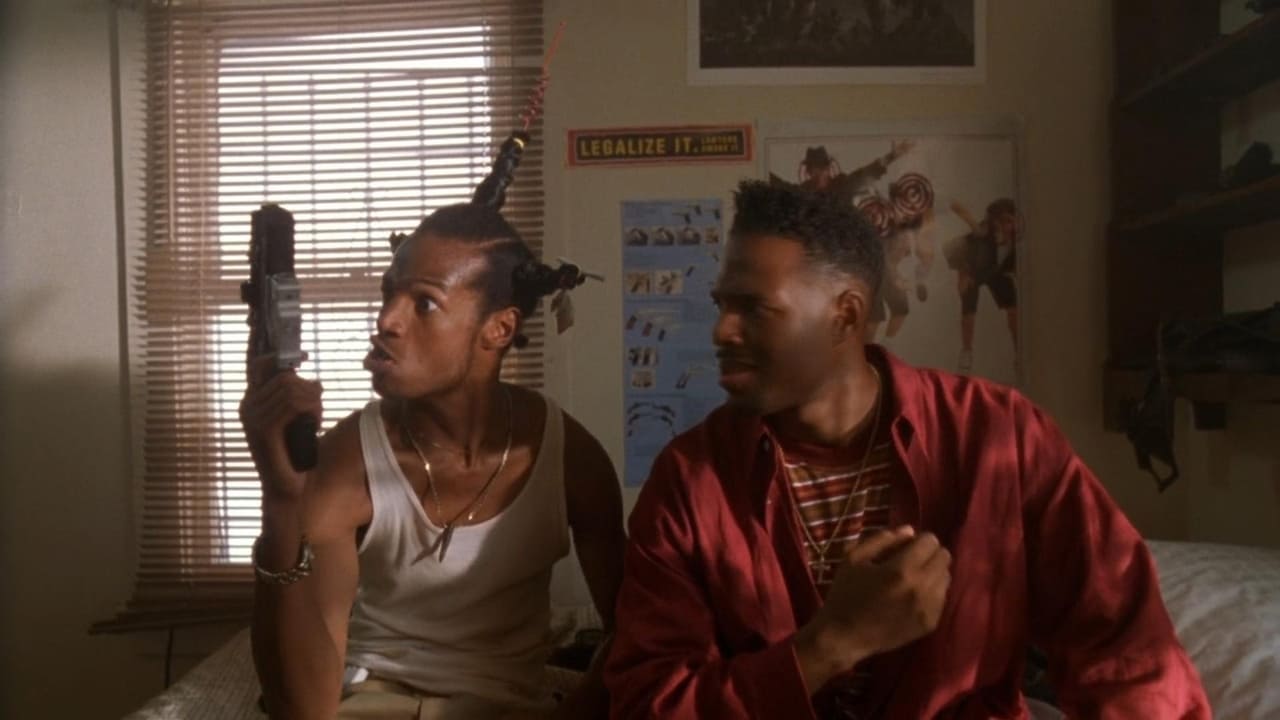
Directed by Paris Barclay, Don’t Be a Menace functions as a relentless, machine-gun-fire parody. It follows Ashtray (Shawn Wayans), a young man sent to "the hood" to learn about life from his father (Lahmard J. Tate), who is inexplicably the same age as him. He quickly reunites with his cousin, Loc Dog (Marlon Wayans), a character who encapsulates every "loose cannon" trope of the era, right down to the Uzi and the tactical nuclear warhead stashed in the back of his mail truck.
While the film is ostensibly a slapstick comedy, there is a biting, almost nihilistic edge to the humor that warrants a more serious look. The Wayans brothers weren't just making fun of movies; they were mocking the way Hollywood had begun to commodify Black trauma. By exaggerating the "Message!" (literally shouted by a recurring character), the film forces us to confront how predictable these tragic narratives had become. This movie is secretly a more accurate documentary of 90s nihilism than the dramas it parodies. It suggests that the only way to survive the crushing weight of the environment is to treat the omnipresent threat of death as a punchline.
Performances in a Cartoon Landscape
The chemistry between Shawn Wayans and Marlon Wayans is the engine here, but it’s Marlon who truly transcends the material. His portrayal of Loc Dog is a masterclass in physical comedy and facial elasticity. Whether he’s wearing high-top fade slippers or threatening a clerk for "looking like his father," Marlon inhabits a space between a Looney Tunes character and a legitimate sociopath. Loc Dog is essentially the Joker if he grew up watching BET and had a penchant for bunny ears.
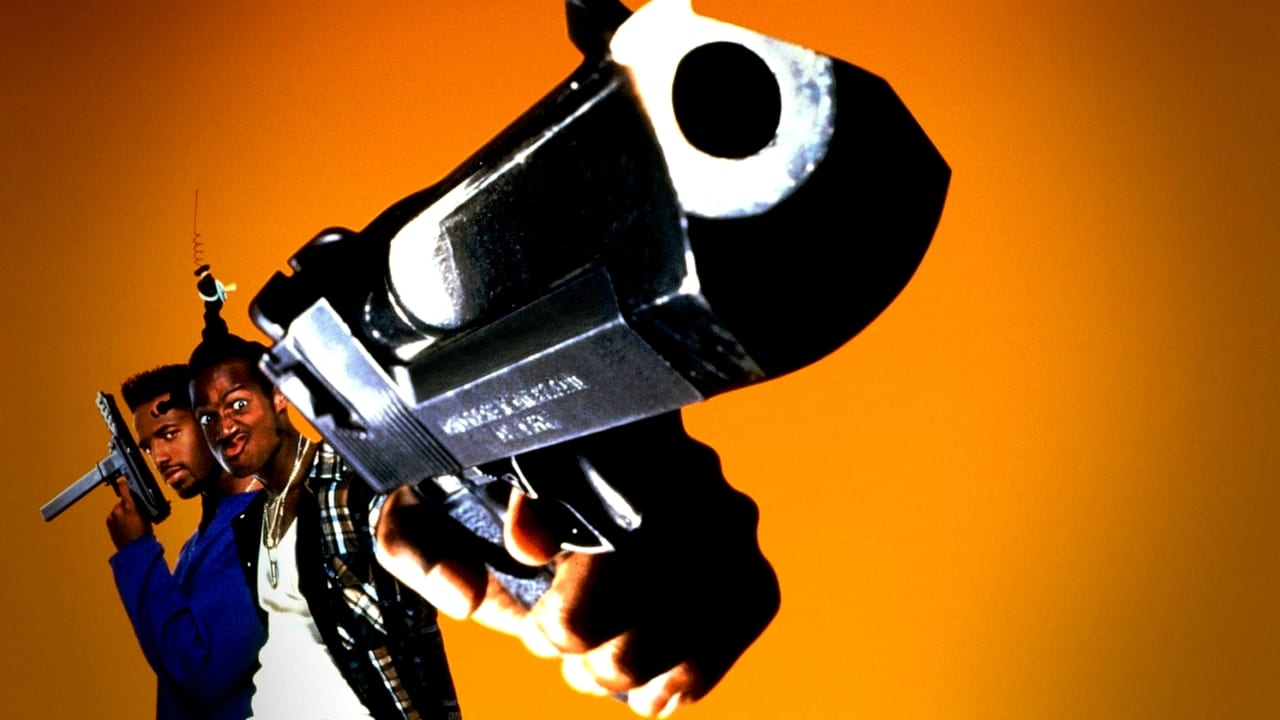
The supporting cast is equally committed to the bit. Tracey Cherelle Jones plays Dashiki, the ultimate "hood love interest" parody, with a performance that highlights the often-absurdist sexual politics of the genre. Then there’s Chris Spencer as Preach, the faux-revolutionary whose rhetoric is as hollow as it is loud. The film excels when it leans into these archetypes, exposing the "types" we had grown accustomed to seeing in serious Oscar-contenders.
The Indie Hustle and Visual Grit
From a production standpoint, Don’t Be a Menace is a fascinating relic of the 90s indie boom. Produced by Keenen Ivory Wayans through Ivory Way Productions, the film was made for a lean $3.8 million. You can see that "shoestring" energy in the frame. Russ Brandt’s cinematography mimics the desaturated, gritty look of high-stakes dramas, which only makes the sight of a grandma (Helen Martin) smoking reefer and doing a handstand more jarring.
The resourcefulness of the production is evident in the practical effects. In an era before CGI could easily fix a low-budget gag, the Wayans had to rely on timing and clever staging. The aforementioned nuclear warhead—strapped to the back of a truck—is a perfect example of a high-concept visual joke executed with low-tech ingenuity. It looks ridiculous because it is ridiculous, and the film’s "straight-to-video" aesthetic (despite its theatrical success) adds to its cult charm. It feels like a movie made by people who knew they were getting away with something.
A Legacy of "Message!"
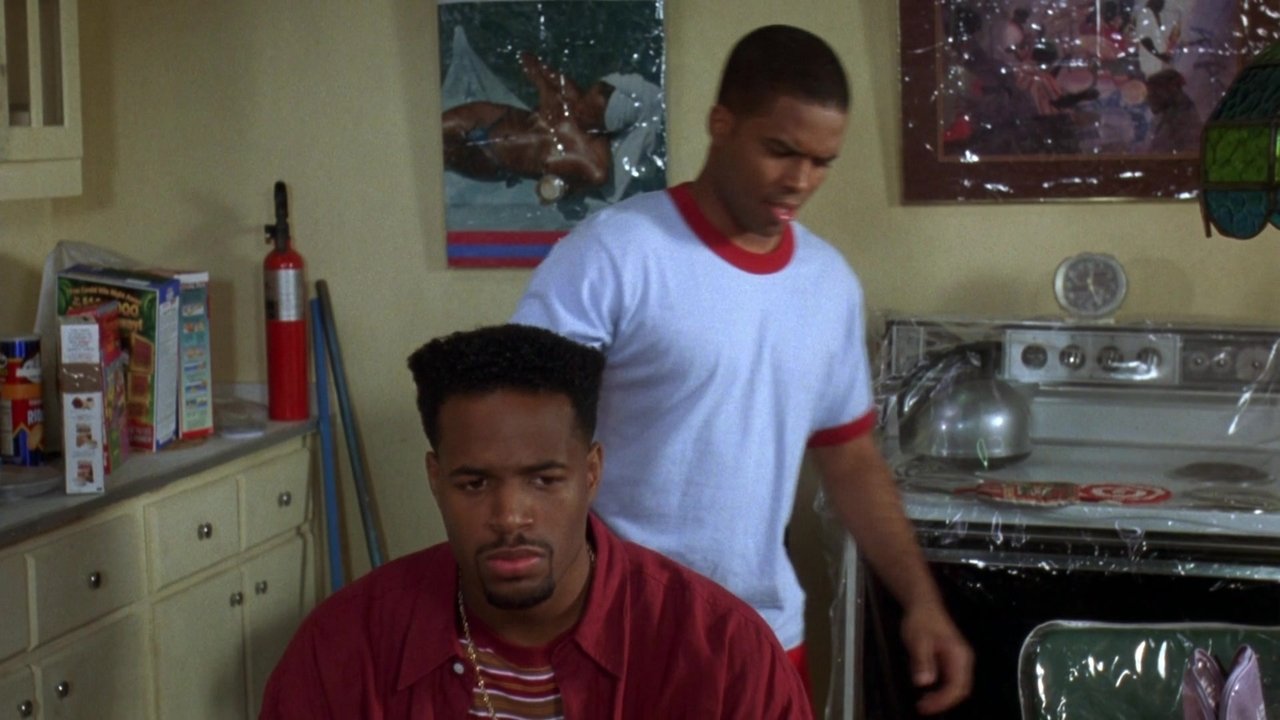
Decades later, some of the jokes in Don’t Be a Menace feel like a time capsule of 1996 sensibilities—cultural references to the O.J. Simpson trial or specific fashion choices that haven't aged gracefully. However, the core of the satire remains uncomfortably relevant. The way the film skewers the "Officer Self-Hatred" character (the Black cop who is more prejudiced than his peers) or the performative nature of "street" authenticity still lands with a heavy thud.
The film’s greatest achievement is its refusal to offer a happy ending or a clean moral. It mocks the very idea that there is a "way out" of the narrative tropes. By the time the credits roll, you’re left with a sense of exhausted laughter. It’s a film that stares into the abyss of 90s urban decay and decides to make a "your mama" joke.
Ultimately, Don’t Be a Menace is more than just a collection of fart jokes and movie references. It’s a sharp, often cynical deconstruction of a specific moment in Black cinematic history. It’s loud, it’s offensive, and it’s frequently brilliant in its commitment to the bit. If you can stomach the vulgarity, you’ll find a film that understands the mechanics of 90s drama better than almost any critic of the time. Just make sure you watch out for the mailman.
Keep Exploring...
-
Man Bites Dog
1992
-
White Chicks
2004
-
The Big Lebowski
1998
-
Bad Lieutenant
1992
-
The Basketball Diaries
1995
-
Bound
1996
-
Lock, Stock and Two Smoking Barrels
1998
-
Hard Boiled
1992
-
Shallow Grave
1994
-
Ghost Dog: The Way of the Samurai
1999
-

Ichi the Killer
2001
-

Fanboys
2009
-

Robot & Frank
2012
-

Adaptation.
2002
-
Chicago
2002
-
Matchstick Men
2003
-
Kiss Kiss Bang Bang
2005
-
Elephant
2003
-
Felon
2008
-

Blood and Bone
2009