DragonHeart
"Honorable knights, crooked kings, and the dragon who voiced them all."
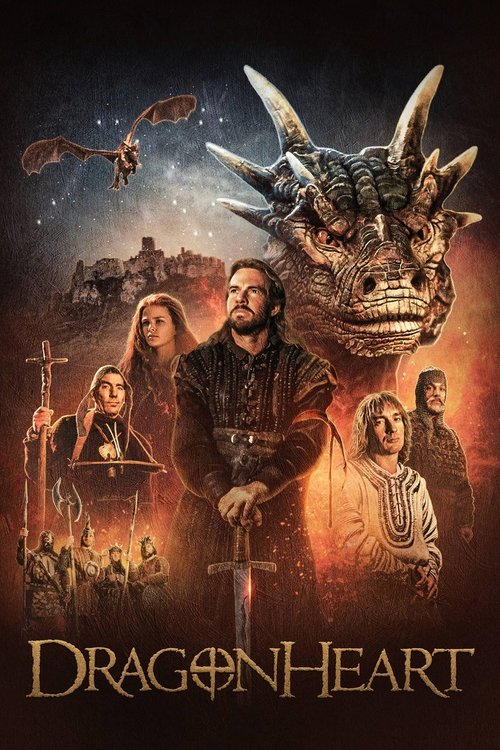
I’m convinced Randy Edelman’s score for DragonHeart is the most overachieving piece of music in cinema history. You’ve heard it in a dozen movie trailers and probably at your cousin’s graduation, but seeing it attached to its original source—a 1996 fantasy epic about a cynical knight and a sarcastic dragon—is a trip. I recently rewatched it on a rainy Tuesday while trying to ignore a persistent itch in my left ear caused by a cheap pair of headphones, and I was struck by how much this movie feels like the exact pivot point of the 90s. It stands right on the line where the gritty, practical stunt-work of the 80s met the digital ambition of the new millennium.
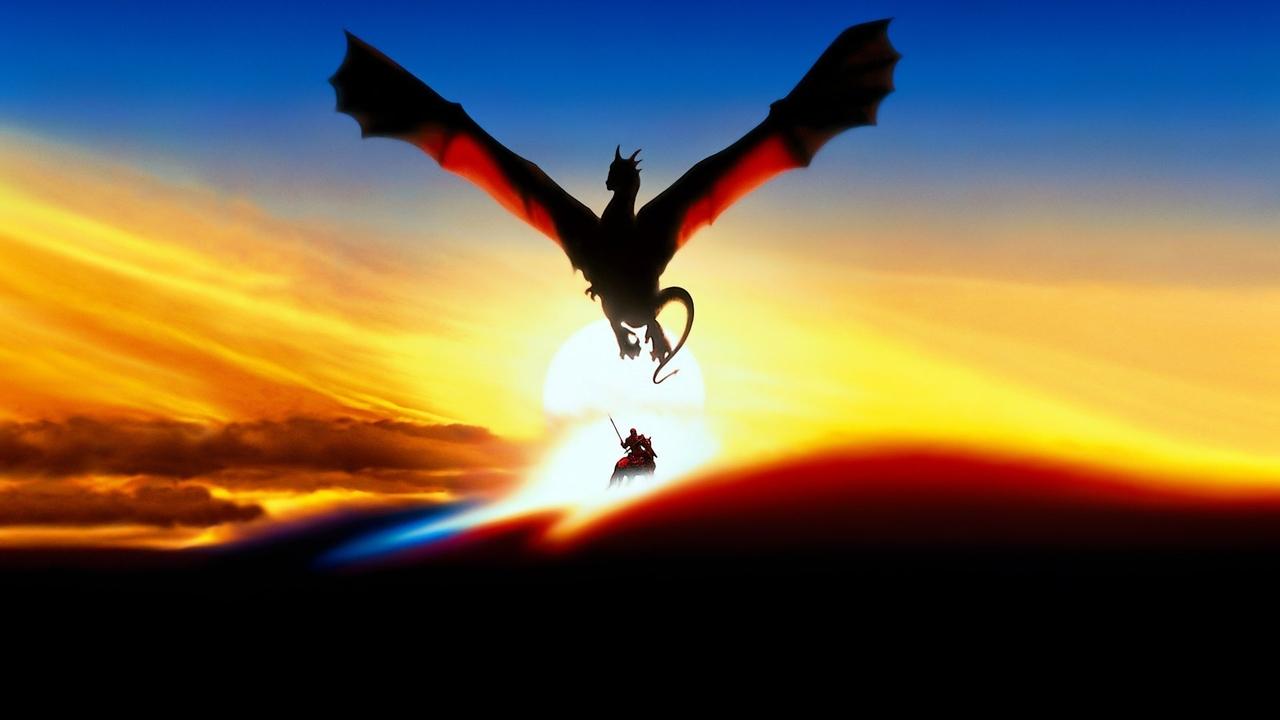
The Dragon in the Room
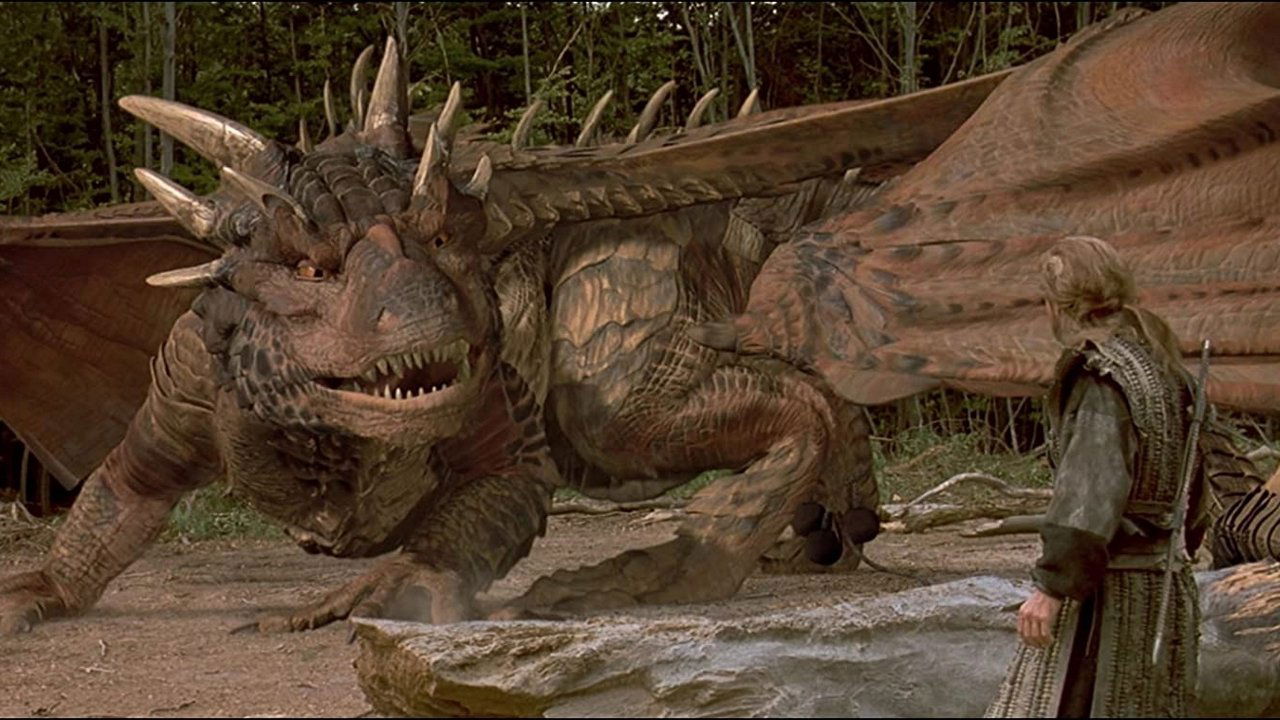
Looking back, the real star isn't Dennis Quaid or even the legendary Sean Connery's voice; it’s the technology. In 1996, seeing a CGI character interact with a live actor for more than five seconds felt like a magic trick. Following the massive success of Jurassic Park (1993), Industrial Light & Magic (ILM) was the king of the world, and Draco was their most sophisticated puppet yet.
What’s wild is how well Draco still holds up. While the background textures might look a little muddy by today’s 4K standards, the performance captured in the dragon’s face is astonishing. Apparently, the animators at ILM used a piece of software called "Caricature" to map Sean Connery’s facial expressions directly onto the dragon. It wasn't just a dragon that sounded like Bond; it was a dragon that smirked like Bond. Watching Draco lift a heavy, digital eyebrow at Dennis Quaid’s Bowen remains a highlight of 90s character work. It was a preview of the performance-capture revolution that would eventually give us Gollum in The Lord of the Rings.
Swordplay and Scenery Chewing
The action in DragonHeart has a physical weight that I really miss in modern blockbusters. When Bowen and Draco have their first "fight"—which eventually turns into a stalemate where Bowen is literally stuck inside the dragon’s mouth—the choreography is wonderfully messy. It’s not the hyper-stylized, "wire-fu" action that would become standard after The Matrix (1999). It’s muddy, clunky, and feels like people actually hitting things with heavy pieces of iron.
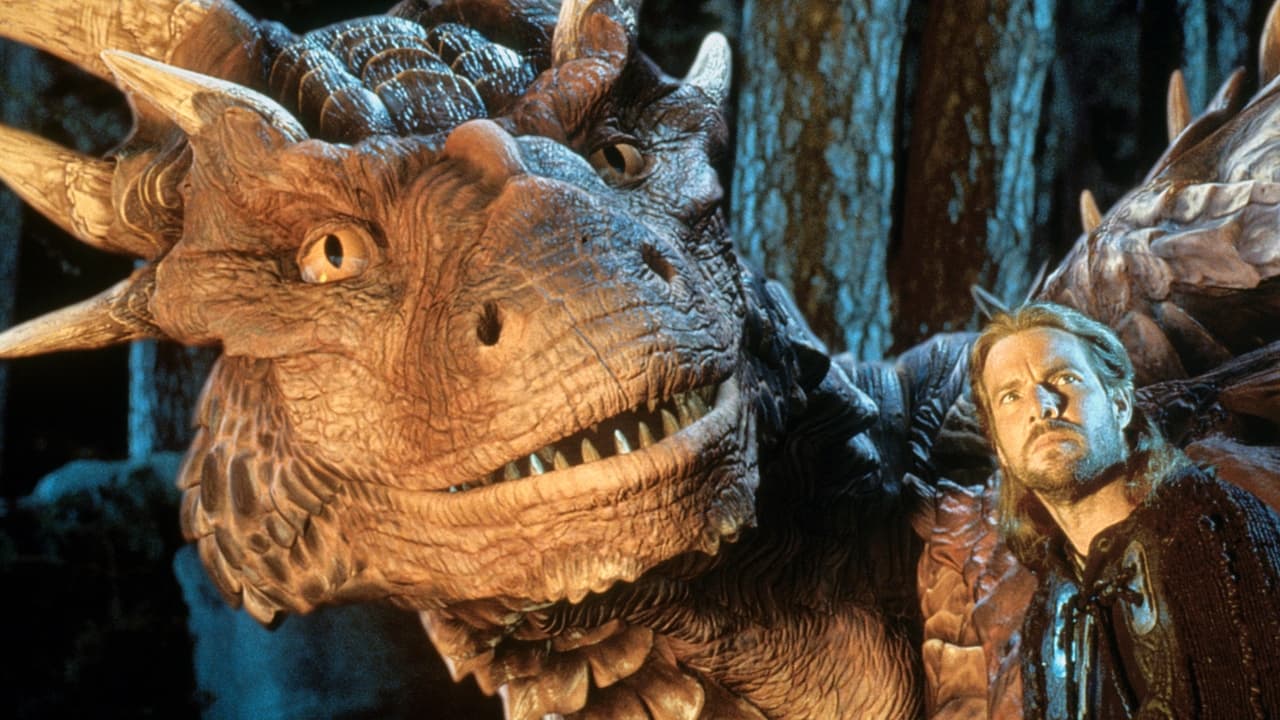
Dennis Quaid plays Bowen with a gravelly, blue-collar intensity that I found surprisingly effective. He isn't a shining knight on a pedestal; he’s a jaded exterminator who’s lost his faith. Dennis Quaid’s accent is basically just "Aggrieved Texan in a Tunic," and somehow it works because he sells the physical toll of the job. Then you have David Thewlis (Harry Potter and the Prisoner of Azkaban) as King Einon. Looking back, David Thewlis plays Einon like he’s trying to win a contest for Most Punchable Face in the Middle Ages. He is deliciously, irredeemably evil, providing the perfect foil to the growing bromance between the man and the beast.
The Buddy-Cop Fantasy
The middle act of the film is essentially a medieval buddy-cop movie. Bowen and Draco realize they can make a killing by running a "dragon-slaying" scam on local villages. Draco "attacks," Bowen "kills" him with a staged spear throw, they collect the gold, and move on. It’s a hilarious subversion of the noble knight trope that kept me grinning. This cynical humor is what separates DragonHeart from the more self-serious fantasy films of the 80s like Willow.
However, the film doesn't shy away from the drama. The central hook—that Draco gave half his heart to save a young Einon, and now their lives are tethered—gives the ending a punch that I didn't expect to feel as an adult. It turns a fun adventure into a story about sacrifice and the heavy cost of a "Code of Honor." The final confrontation, featuring Jason Isaacs (The Patriot) and a very fierce Dina Meyer (Starship Troopers), manages to balance the high-stakes action with a genuine sense of tragedy.
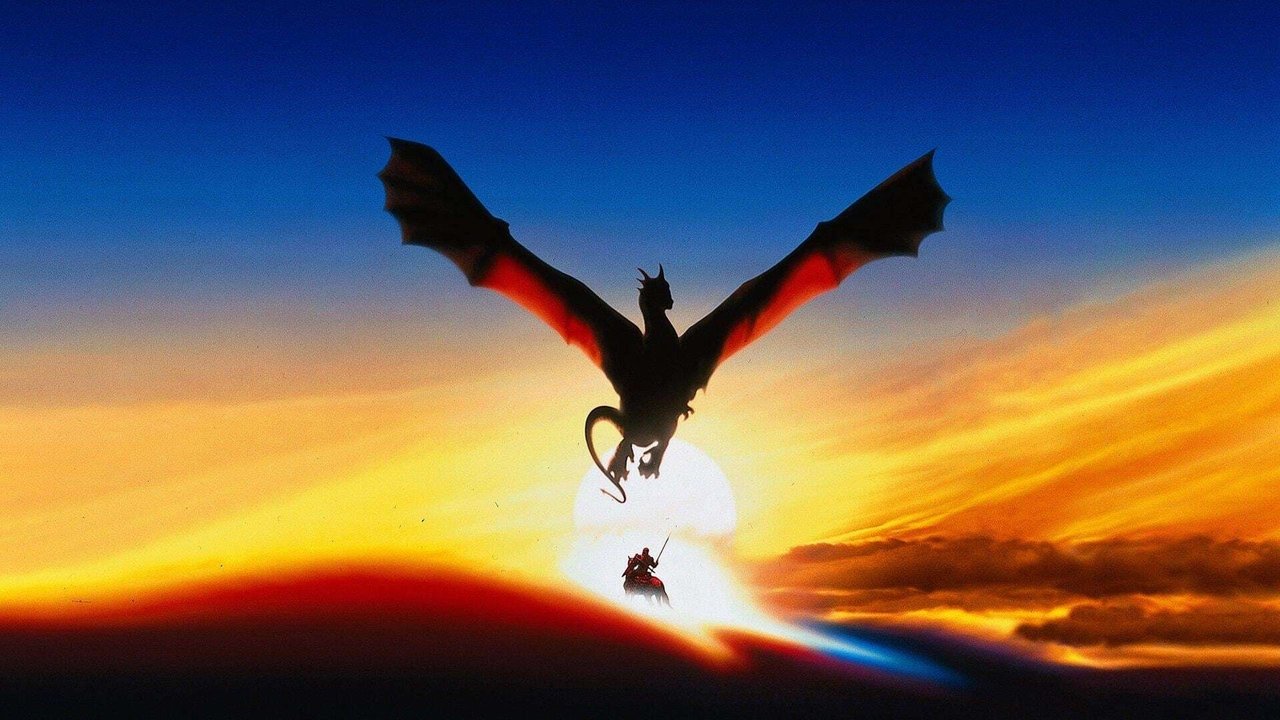
Stuff You Might Not Know
If you ever find the old "Collector’s Edition" DVD, the special features are a goldmine for tech nerds. It turns out that during production, they used a giant, 1:1 scale model of Draco’s head just so Dennis Quaid would have something to look at, which explains why the eye lines in this movie are so much better than in most modern CGI-heavy flicks.
Interestingly, Liam Neeson was originally considered for the role of Bowen, but I think Dennis Quaid's inherent "everyman" quality makes the character’s redemption feel more earned. Also, despite the film being a modest success at the box office, it became a massive cult hit on home video. People just couldn't get enough of Draco. The film even spawned four direct-to-video sequels (starting with Dragonheart: A New Beginning in 2000), though none of them managed to recapture the specific lightning-in-a-bottle chemistry of the original.
DragonHeart is a beautiful relic of a time when Hollywood was just learning how to use its new digital toys. It has the heart of an old-school fairy tale and the soul of a 90s blockbuster. While some of the secondary visual effects have aged like milk, the bond between Bowen and Draco remains one of the most charming partnerships in fantasy cinema. If you haven't seen it since the VHS era, it’s time to revisit the "Old Code"—just make sure you turn the volume up for that score.

Keep Exploring...
-
The Mummy: Tomb of the Dragon Emperor
2008
-
The Scorpion King
2002
-
xXx
2002
-
Jack the Giant Slayer
2013
-
Last Action Hero
1993
-
Daylight
1996
-
Dante's Peak
1997
-

The Perfect Storm
2000
-
A Knight's Tale
2001
-
Lara Croft: Tomb Raider
2001
-
Kingdom of Heaven
2005
-

10,000 BC
2008
-
Green Zone
2010
-

Small Soldiers
1998
-
Soldier
1998
-

Wizards of Waverly Place: The Movie
2009
-

Lara Croft: Tomb Raider - The Cradle of Life
2003
-

Sinbad: Legend of the Seven Seas
2003
-

Alexander
2004
-
King Arthur
2004