Escape from L.A.
"California is a beach. Then you die."
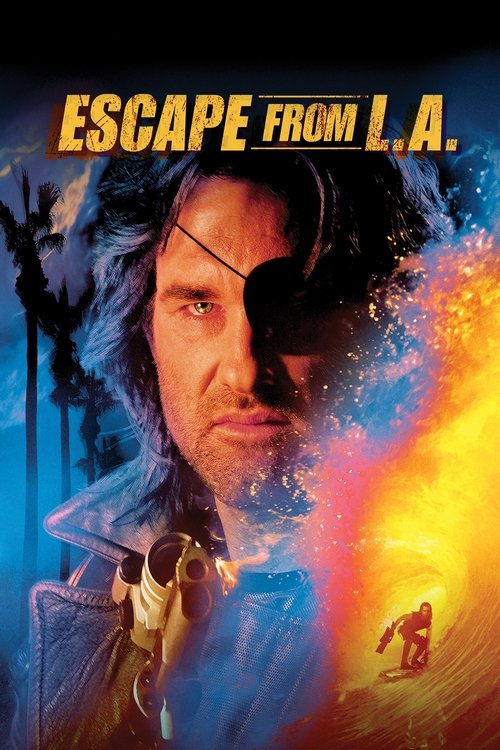
I’m convinced that if you put Kurt Russell in a leather jacket and give him a squint, the man could sell me a used toothbrush for fifty bucks. There is a specific kind of 90s alchemy at work in Escape from L.A., a movie that feels like it was filmed inside a neon-soaked pinball machine. I recently rewatched this on a DVD I found in a bargain bin at a gas station in Arizona, and the plastic case smelled faintly of vanilla air freshener, which strangely complimented the film’s synthetic, candy-colored version of the apocalypse.
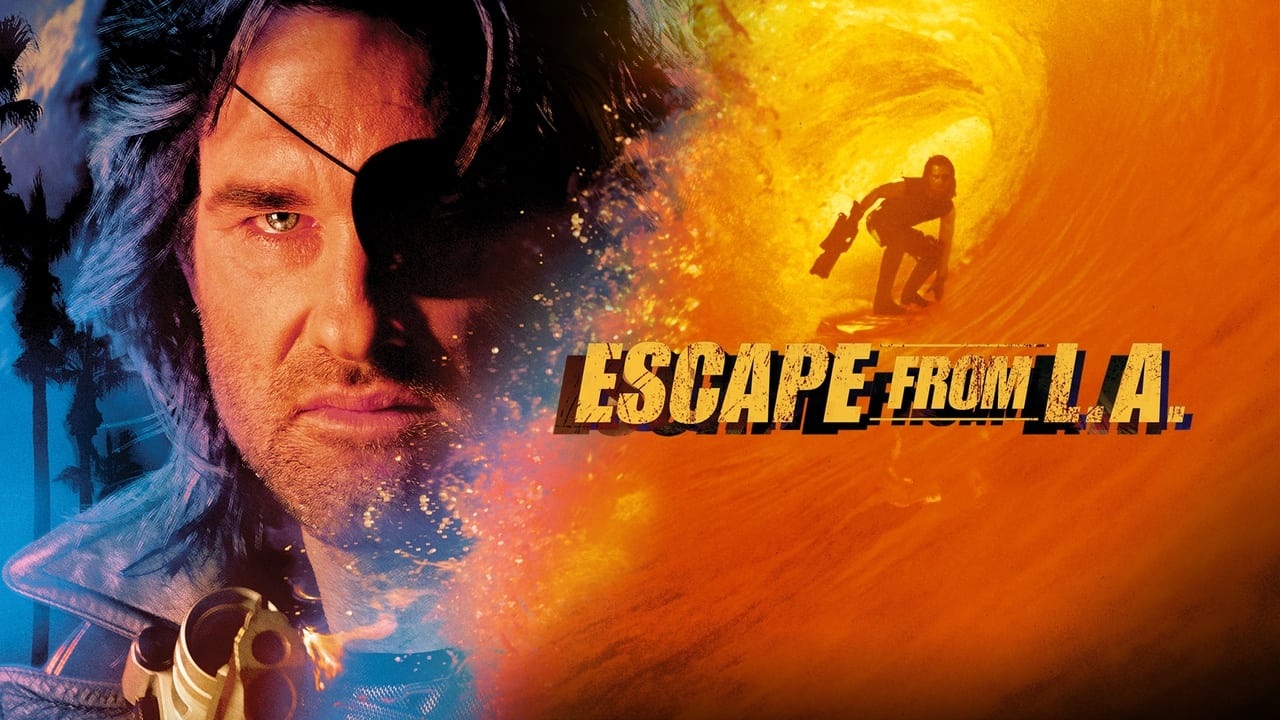
When we talk about sequels that wait too long, we usually talk about lost momentum. Released fifteen years after the grit-and-grime masterpiece Escape from New York (1981), this follow-up doesn't just change the scenery; it changes the entire genre. Where the original was a claustrophobic, analog urban thriller, Escape from L.A. is a sprawling, cynical cartoon. It’s John Carpenter (director of The Thing and Halloween) looking at the mid-90s Hollywood machine and deciding to set the whole thing on fire.
The Digital Growing Pains of 1996
Looking back, 1996 was a weird puberty for cinema. We were moving away from the physical weight of practical effects and into the wild, lawless frontier of early CGI. You can feel that friction in every frame here. There are moments where the film looks surprisingly sleek, and then there’s the infamous "Surfing with Peter Fonda" sequence. I’ll be honest: the CGI surfing sequence is actually better than anything in the modern MCU because it’s so gloriously stupid.
It doesn't look "real," but in the context of a 9.6-magnitude earthquake turning L.A. into an island of degenerate misfits, the janky digital waves feel like a stylistic choice. It captures that mid-90s tech anxiety perfectly—the feeling that we could do anything with computers, even if we hadn't quite figured out how to make a digital shark look like it wasn't made of gray gelatin. Gary B. Kibbe (who shot They Live) swaps the shadows of New York for a garish, over-saturated palette that makes the ruined landmarks of L.A. look like a demented theme park.
A Masterclass in Supporting Weirdness

What keeps me coming back to this flick isn't the plot—which is essentially a beat-for-beat remake of the first movie—but the sheer "who’s who" of character actors having the time of their lives. Steve Buscemi (the year after Fargo) pops up as "Map to the Stars" Eddie, a sleazy opportunist who is essentially every Hollywood agent I’ve ever heard stories about. Then you have Bruce Campbell (the legend from Evil Dead II) under layers of prosthetic gore as the Surgeon General of Beverly Hills.
Even Pam Grier (just before her Jackie Brown resurgence) shows up as a former associate of Snake’s who has undergone a transition and now leads a gang in the ruins. The casting feels like Carpenter and Kurt Russell just invited all their coolest friends to a costume party on the Paramount backlot. Stacy Keach and A. J. Langer fill out the edges, but the movie belongs to Snake. Russell plays Plissken with such a deep, gravelly commitment that he almost makes you forget he’s playing a basketball game for his life in front of a live audience.
Interestingly, Russell actually spent weeks practicing those basketball shots. Apparently, he wanted to make sure he could sink the full-court shot for real so Carpenter wouldn't have to cut away. He nailed it on the day, which is the kind of old-school movie star effort you just don't see as often in the era of "we'll fix it in post."
The Ultimate "Fuck You" Ending
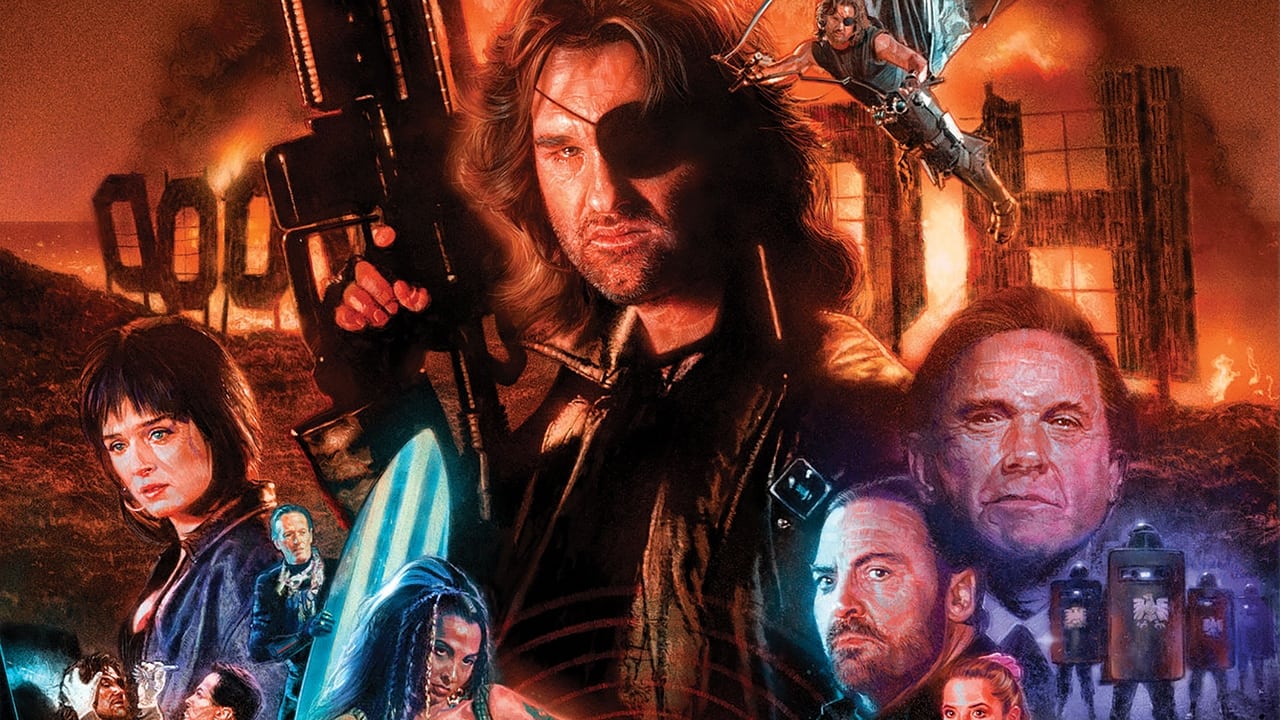
If the first two acts are a goofy, satirical romp through a ruined Sunset Strip, the finale is where Carpenter reminds us he’s the king of cinematic nihilism. The doomsday device Snake is sent to retrieve is a remote that can shut down all electronic technology on Earth. The government wants it, the revolutionaries want it, and Snake... well, Snake just wants a cigarette.
The ending of this movie is objectively cooler than the original's. I’ll stand by that. While the first film ended with a clever bait-and-switch involving a cassette tape, Escape from L.A. ends with a middle finger to the entire concept of the 21st century. It captured a very specific Y2K-adjacent dread—the idea that our technology was a leash, and the only way to be free was to "shut it down."
It’s a movie that was largely dismissed at the time for being too "silly" compared to the original, but viewed through a modern lens, it’s a fascinating time capsule. It shows a legendary director and star getting a $50 million budget to make a weird, experimental satire of the very industry that was funding them. It’s loud, it’s ugly in parts, and it’s deeply cynical about the future of America. In other words, it’s a quintessential John Carpenter movie that deserves a second look now that we’re actually living in the future it was parodying.
It’s not the lean, mean machine that the New York outing was, but it’s got a rebellious spirit that’s hard to find in today’s polished franchise landscape. If you can forgive the digital tsunami and embrace the camp, there’s a lot of fun to be had in the ruins of the City of Angels. Just don't expect Snake to be happy to see you.
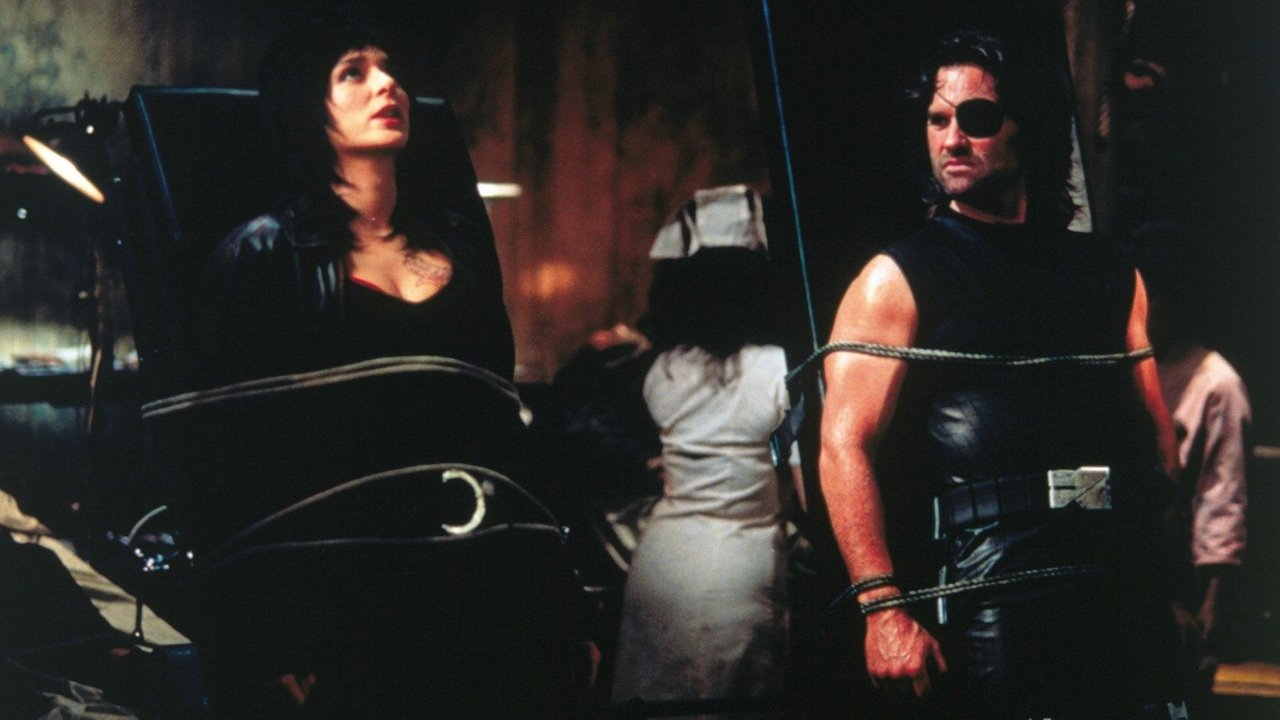
Keep Exploring...
-

Escape from New York
1981
-
Final Fantasy: The Spirits Within
2001
-
The Saint
1997
-

Star Trek: Insurrection
1998
-
Executive Decision
1996
-
Armageddon
1998
-
Star Trek: Nemesis
2002
-

Paycheck
2003
-
Sky Captain and the World of Tomorrow
2004
-
Race to Witch Mountain
2009
-

Village of the Damned
1995
-

Jurassic Park III
2001
-
Planet of the Apes
2001
-
The Island
2005
-
Star Trek: Generations
1994
-
Assassins
1995
-
Chain Reaction
1996
-
Daylight
1996
-
The Postman
1997
-
Volcano
1997