Fargo
"A white-knuckle tragedy disguised as a polite conversation."
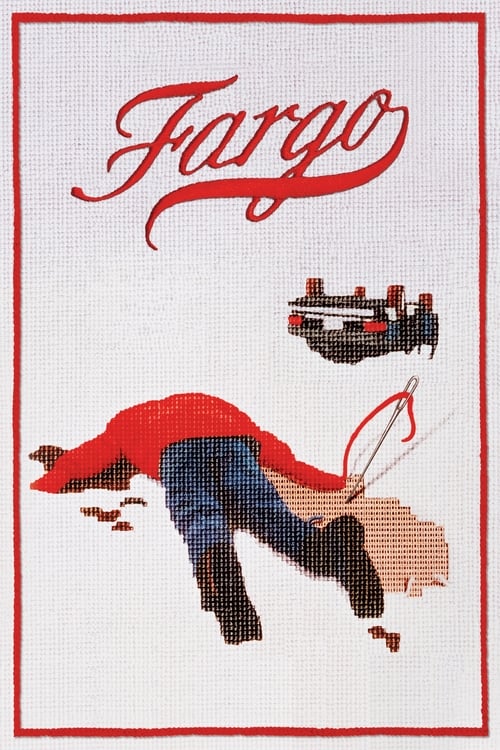
The biggest lie in cinema history isn't a special effect or a stunt double; it’s the opening title card of Fargo. When the screen tells you, "This is a true story," it’s looking you right in the eye and daring you to believe the absurdity that follows. I remember re-watching this last night while eating a slightly freezer-burned Eggo waffle, and the literal frost on the plate felt like 4D cinema. That’s the magic of the Coen brothers—they make the mundane feel freezing and the horrific feel like a neighborly misunderstanding.
The Banality of Desperation
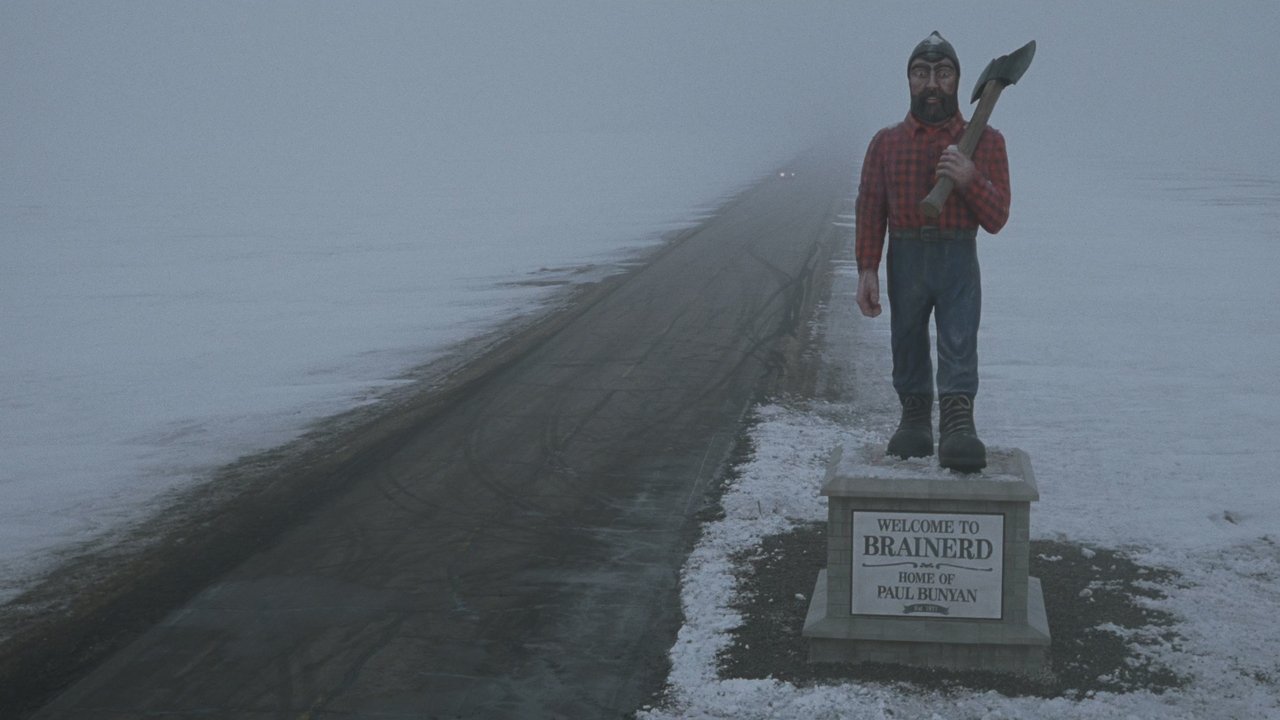
In the mid-90s, the "indie film" was often synonymous with fast-talking criminals in suits (thanks, Quentin). But Joel and Ethan Coen took a hard left turn into the snowy, polite purgatory of Brainerd, Minnesota. William H. Macy delivers a career-defining performance as Jerry Lundegaard, a man who is essentially a human sigh. Jerry isn't a mastermind; he’s a car salesman drowning in debt who thinks kidnapping his own wife is a viable business strategy.
Jerry Lundegaard is a man whose entire personality is a damp paper bag. Watching him scrape ice off his windshield in a fit of impotent rage is one of the most painfully relatable moments in movie history. We’ve all been there—not the "hiring hitmen" part, hopefully, but the feeling of the world closing in while your scraper breaks and the heater won't kick in. Macy plays the "shucks, geez" routine so well that you almost forget he’s the architect of multiple homicides.
A Study in Scarlet and White
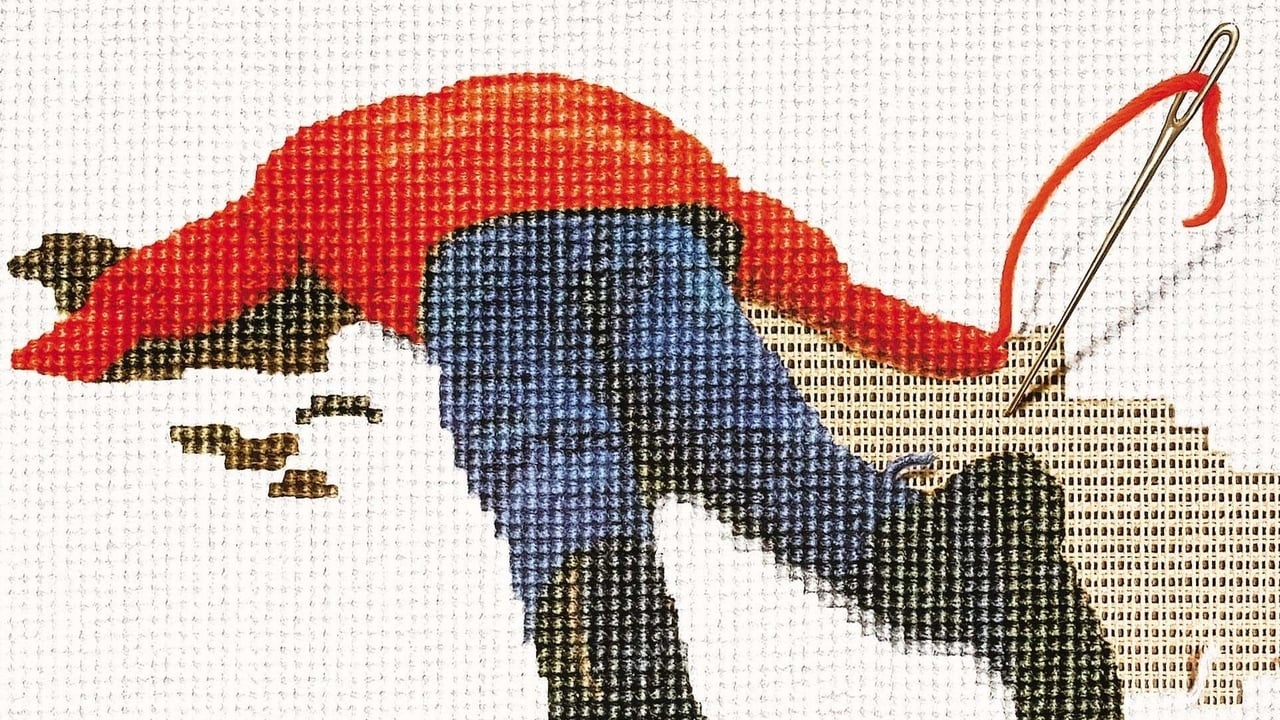
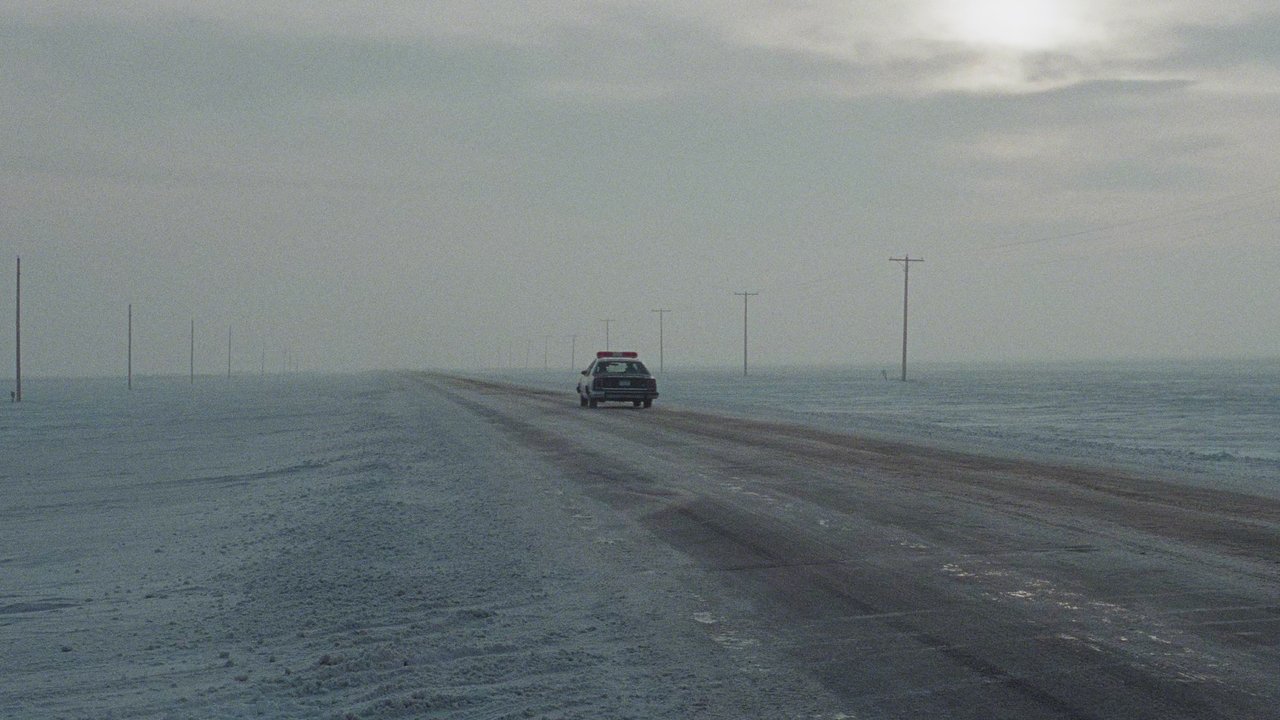
This film wouldn’t work without the legendary eye of Roger Deakins (who also shot The Shawshank Redemption and later Blade Runner 2049). He captures a version of the American Midwest that looks like an infinite white void. It’s minimalist horror. When the blood eventually hits the snow, it isn't just a plot point; it’s a visual violation.
The "Dark/Intense" modifier of this film is often overlooked because of the funny accents, but the violence is genuinely grim. When Peter Stormare’s Gaear Grimsrud—the silent, sociopathic counterpart to Steve Buscemi’s "funny-looking" Carl Showalter—starts losing his patience, the movie shifts from a comedy of errors into a cold-blooded nightmare. The infamous woodchipper scene is iconic for a reason, but it’s the quiet, senseless murders on the side of a dark highway that really stick in my throat. It reminds me that evil isn't always a grand, sweeping gesture; sometimes it's just a guy who’s tired of hearing you talk.
The Gospel of Marge Gunderson
If Jerry is the vacuum of morality, Police Chief Marge Gunderson is the sun. Frances McDormand didn't just win an Oscar for this; she created a blueprint for the "unconventional hero." She’s seven months pregnant, she’s constantly hungry, and she is the smartest person in every room she enters.
The brilliance of Marge is that she doesn't need to be a "badass" in the traditional 90s sense. She doesn't have a tragic backstory or a drinking problem. She has a loving husband, Norm (John Carroll Lynch), who paints ducks for postage stamps. Their relationship is the emotional anchor of the film. While the world is tearing itself apart over a briefcase full of money, Marge and Norm are worried about whose painting will end up on the three-cent stamp. It’s a beautiful, quiet subversion of the gritty police procedural.
Prestige and the Woodchipper
Looking back, Fargo was a massive turning point for the Coens. It wasn't just a "cult classic" like Raising Arizona; it was a prestige powerhouse. It scooped up seven Oscar nominations, including Best Picture, though it famously lost the top prize to The English Patient in 1997—a decision that has aged about as well as a bag of warm shrimp.

The production was a masterclass in regional specificity. The Coens, being Minnesota natives, knew exactly how to weaponize "Minnesota Nice." They hired dialect coach Liz Himelstein to help the cast nail those elongated vowels that make even a threat sound like an invitation to a potluck. Apparently, the "true story" claim was a creative choice to allow the audience to accept the more "out there" plot points, but the actual crimes were loosely inspired by two unrelated cases, including the 1986 murder of Helle Crafts.
The score by Carter Burwell also deserves a shout-out. He took a Swedish folk tune and turned it into something sweeping and mournful. It gives the film a sense of "importance" that elevates it from a mere crime flick to a modern folk tale.
Fargo is that rare 90s gem that feels more relevant the older I get. It’s a reminder that most "great plans" are just poorly thought-out delusions and that the world is mostly saved by people who show up, do their jobs, and enjoy a good buffet. It’s violent, it’s hilarious, and it’s deeply, strangely human. If you haven't seen it lately, go back to Brainerd—just watch out for the woodchipper.

Keep Exploring...
-

Miller's Crossing
1990
-
Barton Fink
1991
-
The Man Who Wasn't There
2001
-
The Big Lebowski
1998
-
No Country for Old Men
2007
-
The Silence of the Lambs
1991
-
Carlito's Way
1993
-
The Usual Suspects
1995
-
L.A. Confidential
1997
-
Blood Simple
1985
-
Prisoners
2013
-
Cape Fear
1991
-
A Perfect World
1993
-
Bound by Honor
1993
-

Falling Down
1993
-
Natural Born Killers
1994
-
Strange Days
1995
-
A Time to Kill
1996
-
Primal Fear
1996
-

Sleepers
1996