From Dusk Till Dawn
"Cross the border. Enter the feast."
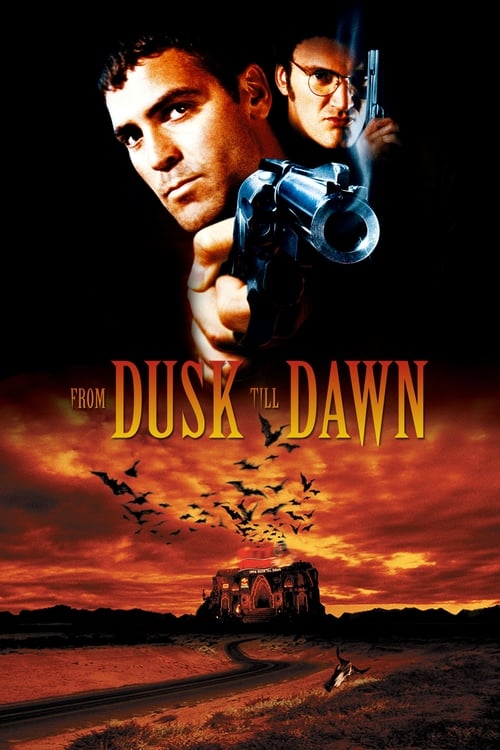
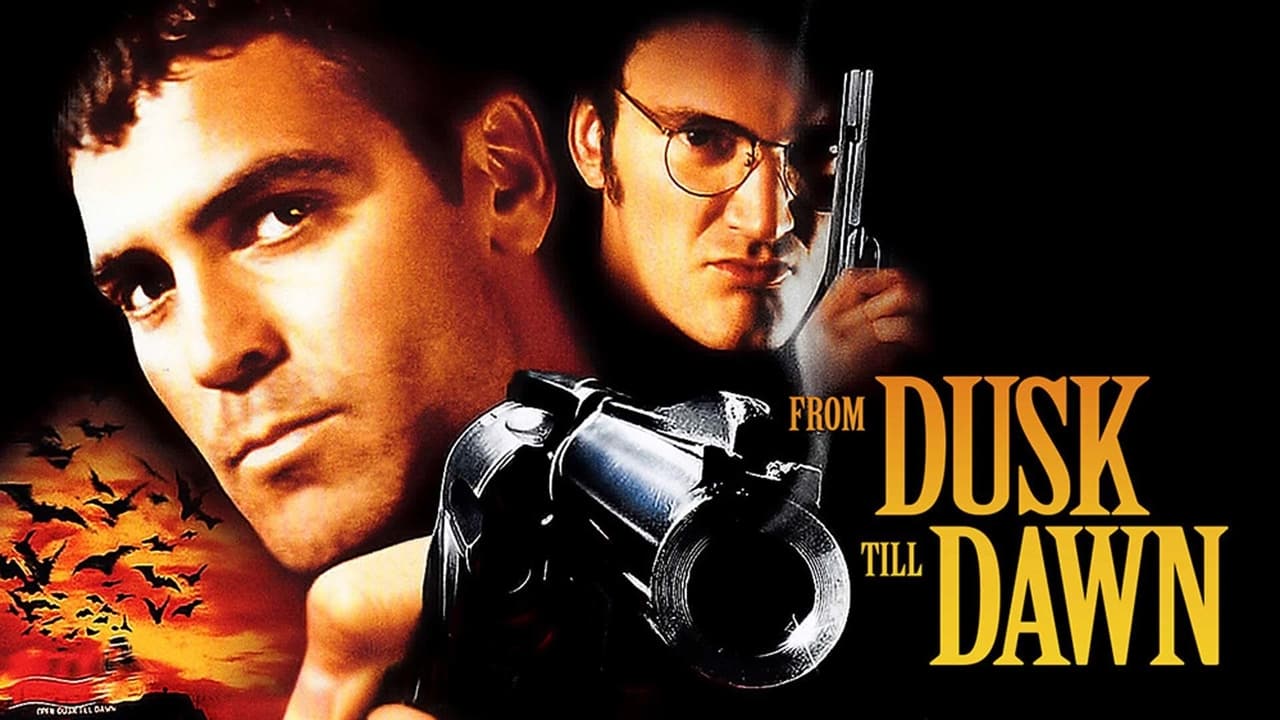
I remember trying to trace George Clooney’s tribal neck tattoo onto my own skin with a Sharpie when I was fifteen. I ended up with a mild allergic reaction and a sleeve that looked less like a badass outlaw and more like a leaking ballpoint pen. Looking back, that itchy, DIY mess was actually the perfect preparation for From Dusk Till Dawn. It’s a film that starts as a razor-sharp crime thriller and ends as a gooey, neon-drenched nightmare, leaving you feeling a little bit grimy and completely exhilarated.
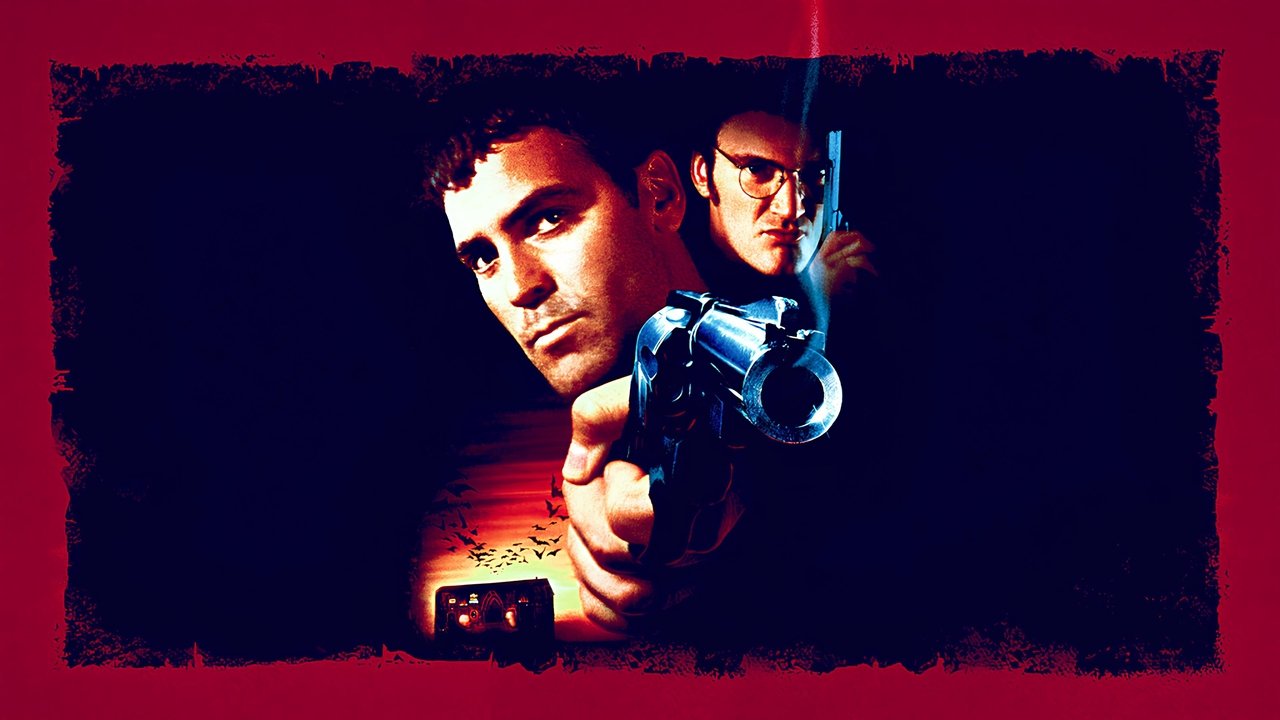
When this hit theaters in 1996, we were in the middle of the "Tarantino Explosion." Everyone was trying to mimic that rapid-fire, pop-culture-obsessed dialogue, but only Quentin Tarantino himself (who wrote the screenplay) and Robert Rodriguez (who directed) knew how to weaponize it. I watched this most recently on a scratched DVD I borrowed from a cousin who also gave me a lukewarm Diet Coke, and honestly, the slight digital stuttering only added to the grindhouse atmosphere.
The Gritty Art of the Bait and Switch
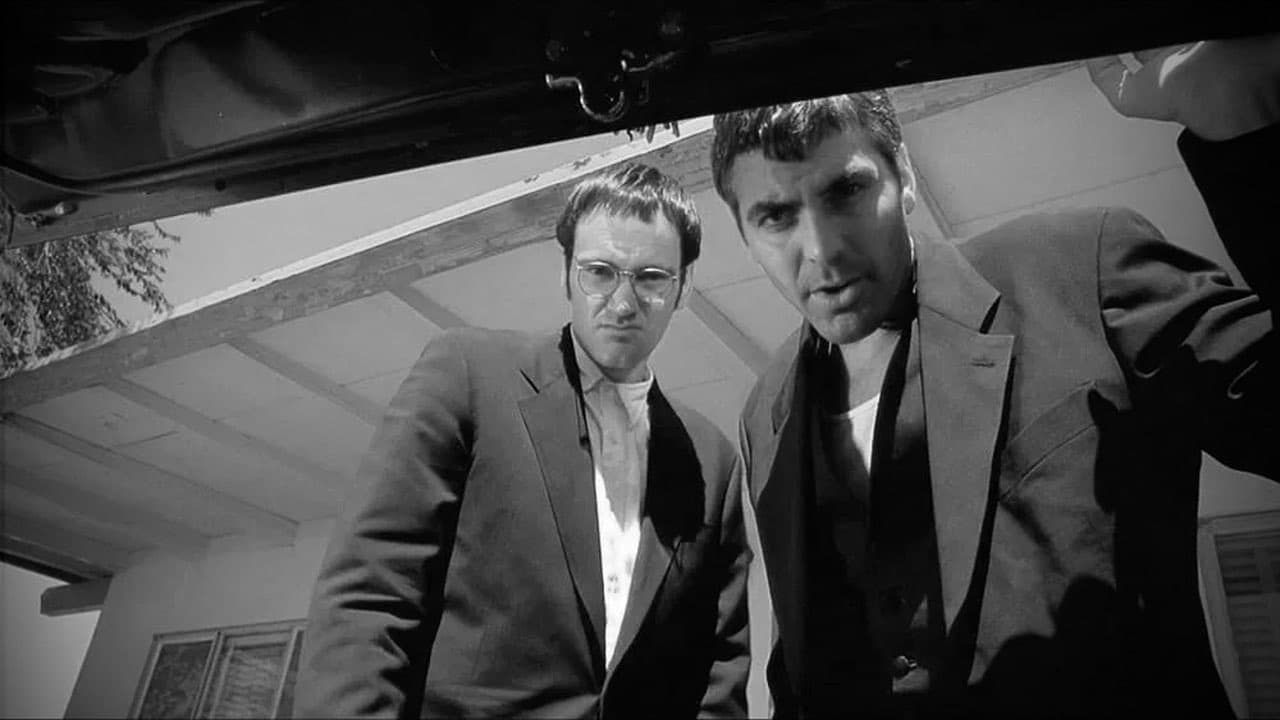
The genius of From Dusk Till Dawn lies in its unapologetic tonal whiplash. For the first forty-five minutes, you aren't watching a horror movie; you’re watching a nihilistic road movie. The stakes are heavy, and the air is thick with genuine dread. As the Gecko brothers, George Clooney and Quentin Tarantino are genuinely frightening. While Seth (Clooney) is the "cool" professional, there is an underlying ugliness to their spree that the film doesn't shy away from.
The early scenes in the motel—where the brothers hold a preacher (Harvey Keitel) and his children (Juliette Lewis and Ernest Liu) hostage—are suffocating. Harvey Keitel brings a somber, weary gravity to Jacob Fuller, a man who has lost his faith and is now fighting to keep his family’s souls intact while staring down the barrel of a gun. Tarantino’s performance as Richie is deeply unsettling because it feels so uncomfortably grounded in real-world deviancy. He isn't a cartoon villain; he’s a ticking time bomb of erratic, violent impulses. This isn't "fun" violence; it’s the kind of intensity that makes your stomach knot up, reminding us that before the monsters show up, the real demons are already in the car.
When the Sun Goes Down at the Titty Twister
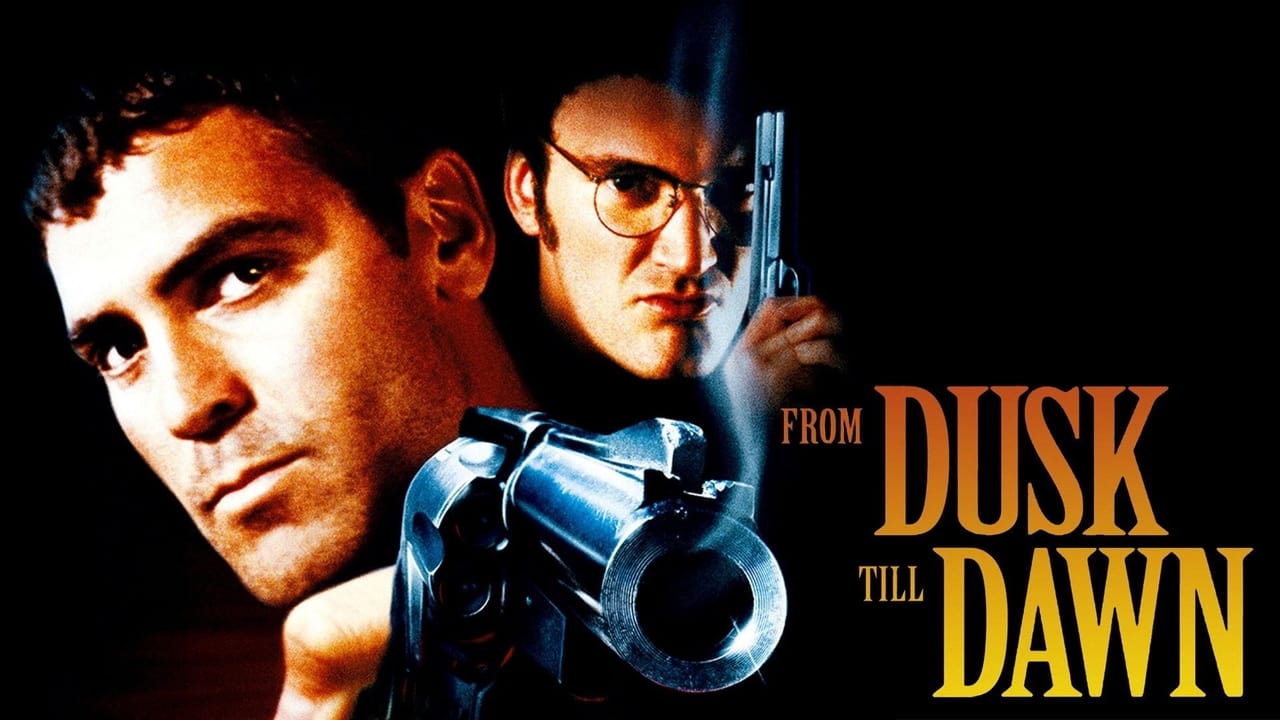
Then, they reach the Titty Twister. The shift from a gritty kidnapping drama to a high-octane vampire splatter-fest is one of the most audacious pivots in cinema history. One minute you’re listening to a tense standoff about crossing the Mexican border, and the next, Salma Hayek Pinault is transforming into a reptilian queen of the damned.
This is where the film leans into its 90s indie roots, showcasing the incredible practical effects of the KNB EFX Group. In an era where CGI was beginning to sanitize horror, Robert Rodriguez opted for the messy, the rubbery, and the grotesque. We see vampires exploding into green goo, bat-creatures with sagging skin, and Tom Savini (the legendary makeup artist appearing as "Sex Machine") sporting a whip-and-codpiece combo that is the most confusingly impressive wardrobe choice in 90s cinema.
The "Dark/Intense" modifier of the first half gives way to a different kind of intensity: a claustrophobic, relentless siege. The bar becomes a pressure cooker. The lighting shifts to oppressive ochres and bloody reds, and the score by Graeme Revell takes on a tribal, frantic pulse. It’s a masterclass in how to use a single location to create a sense of mounting chaos. Every time a character dies, the loss feels heavy because the first half of the film took the time to make us care about their survival—or at least fear their demise.
A Cult Legacy Forged in Blood
From Dusk Till Dawn was a modest success at the box office, but it truly lived on the shelves of video rental stores. It was the ultimate "have you seen this?" movie. It captured that mid-90s transition perfectly—the analog grit of 70s exploitation films meeting the slick, self-aware energy of the 90s indie scene.
The film is littered with the kind of details cult fans obsess over. The "Fuller" family name is a nod to director Samuel Fuller. The fictional "Chango Beer" appears here just as it does in Robert Rodriguez’s Desperado (1995). These are the breadcrumbs that rewarded the DVD generation, those of us who would sit through the commentary tracks just to hear how they managed to film the bar fight on such a tight budget. The fact that this movie didn’t win an Oscar for "Best Use of a Prop Guitar Made Out of a Human Torso" remains a historical tragedy.
What holds up best in 2024 isn't just the gore, but the craftsmanship. Guillermo Navarro’s cinematography keeps the film looking expensive even when things get ridiculous. It respects its own internal logic, even when that logic involves a holy-water-filled Super Soaker. It’s a film that knows exactly what it is: a brutal, beautiful, and slightly deranged celebration of genre filmmaking. It reminds us that sometimes, the only way to survive the night is to become just as mean as the things waiting in the dark.
From Dusk Till Dawn remains the definitive cinematic middle finger to traditional structure. It’s a reminder of a time when the biggest movie star in the world could spend half a movie kidnapping children and the other half punching vampires in the face. It’s dark, it’s intense, and it’s a hell of a night out—even if you’re just watching it from your couch with a lukewarm soda. If you haven't seen it, go in blind; if you have, it’s time to go back to the bar. Just watch out for the specials.
Keep Exploring...
-
Desperado
1995
-
Once Upon a Time in Mexico
2003
-

Planet Terror
2007
-
Point Break
1991
-
The Boondock Saints
1999
-
El Mariachi
1993
-
Machete
2010
-

The Negotiator
1998
-
True Romance
1993
-

Jackie Brown
1997
-

Kill Bill: Vol. 2
2004
-
Sin City
2005
-
Sin City: A Dame to Kill For
2014
-
Red Dragon
2002
-
Natural Born Killers
1994
-
The Fast and the Furious
2001
-

Falling Down
1993
-

The Crow
1994
-
American Psycho
2000
-
Training Day
2001