Happy Gilmore
"Hockey temper, golf greens, and a legendary fistfight."
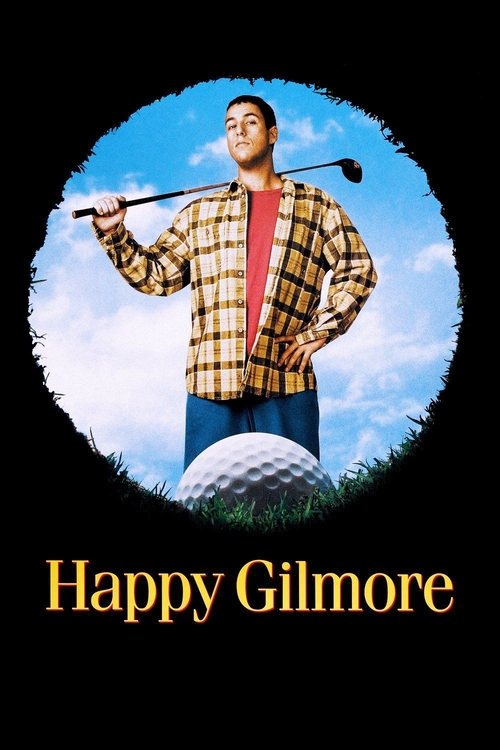
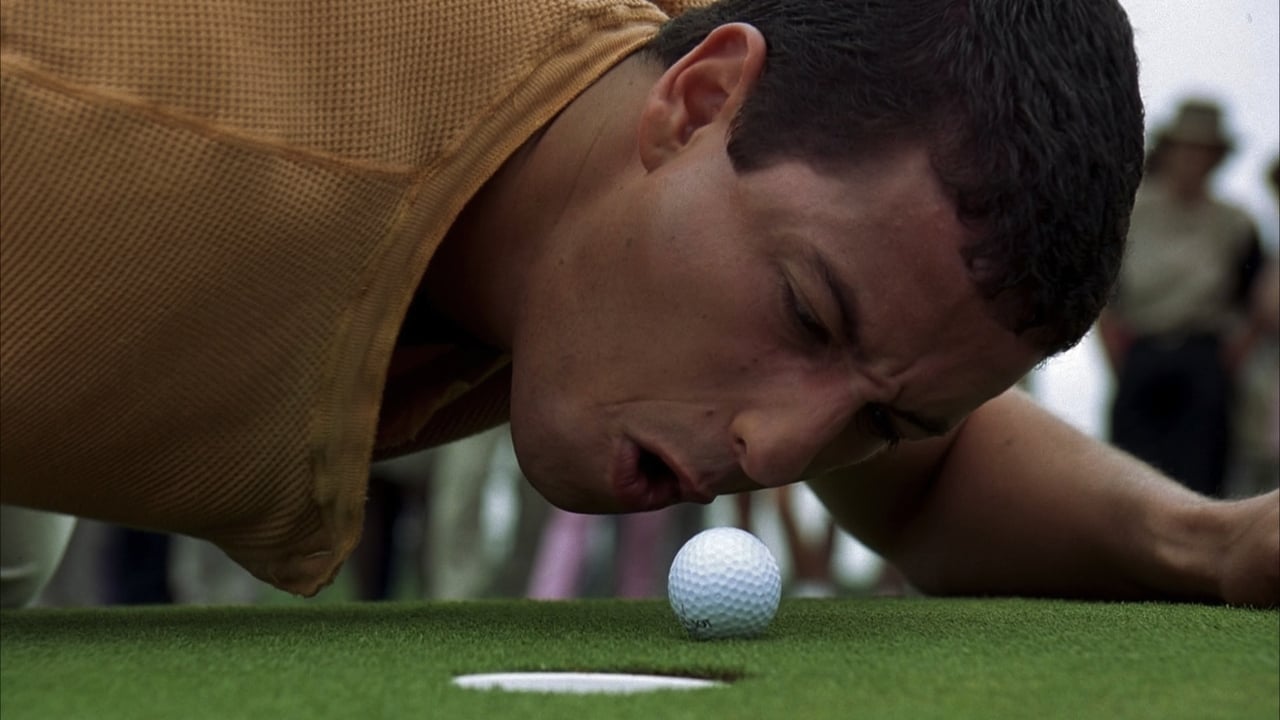
The sound of a hockey stick connecting with a golf ball is a wet, thudding "thwack" that shouldn't belong on the pristine greens of a PGA tour. It’s a disruptive, ugly noise—much like Adam Sandler himself was to the high-brow comedy establishment in the mid-1990s. While I was watching this last night, eating a bowl of instant ramen that I had aggressively over-salted, I realized that Happy Gilmore isn't just a sports comedy. It’s a 92-minute siege on elitism led by a man who looks like he hasn't showered since the Bush administration.
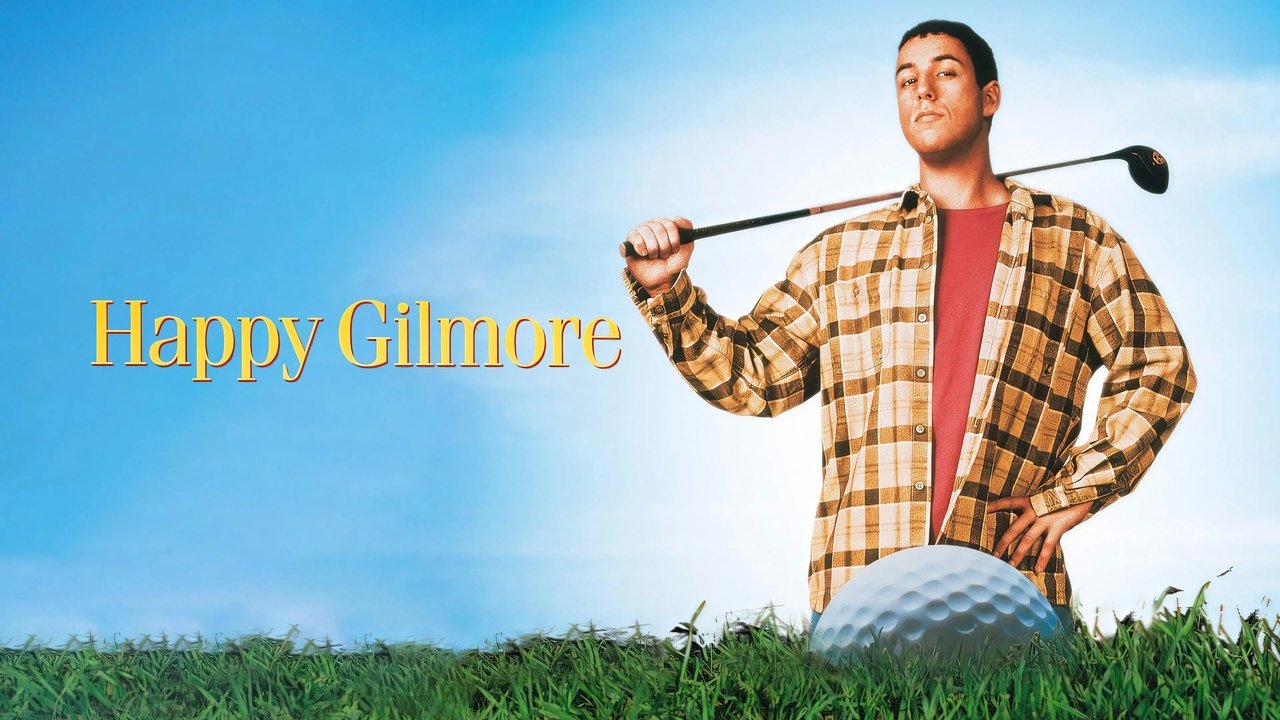
Coming off the success of Billy Madison, Adam Sandler and his writing partner Tim Herlihy didn't just lean into the "angry man-child" persona; they weaponized it. In the mid-90s, the SNL-to-movie pipeline was in full swing, but most of those films felt like thin sketches stretched to a breaking point. Happy Gilmore succeeds because it anchors its absurdity in a surprisingly sturdy underdog structure. It’s the classic "save the house" plot, but instead of a bake sale, we get a guy who treats a tee box like a slap-shot competition.
The Art of the Meltdown
What strikes me most, looking back from an era where comedy often feels over-polished and committee-approved, is the sheer rhythm of the physical gags. Director Dennis Dugan, who would go on to be Sandler’s go-to guy for better or worse, actually understood spatial comedy here. When Happy misses a putt and starts screaming at the ball, the camera stays wide enough to let us see the sheer ridiculousness of a grown man wrestling a flagstick.
The film lives and breathes on Sandler’s volatility. It’s a specific kind of 90s frustration—the "Gen X rage" distilled into a yellow subway shirt. But a hero is only as good as the person he’s trying to annoy, and Christopher McDonald as Shooter McGavin is quite possibly the greatest comedic antagonist of the decade. McDonald played Shooter with a level of smug, country-club arrogance that felt dangerously real. Every time he does those "finger guns," you don't just laugh; you genuinely want to see someone hit him with a golf cart.
The chemistry between them is the engine. Without Shooter’s genuine elitism, Happy’s antics would just be annoying. Instead, they feel like poetic justice. I’ve always felt that Christopher McDonald deserved an Oscar for the "I eat pieces of shit like you for breakfast" line delivery alone. It’s a masterclass in playing the "straight man" who is actually more unhinged than the protagonist.
Legends, Cameos, and Alligators
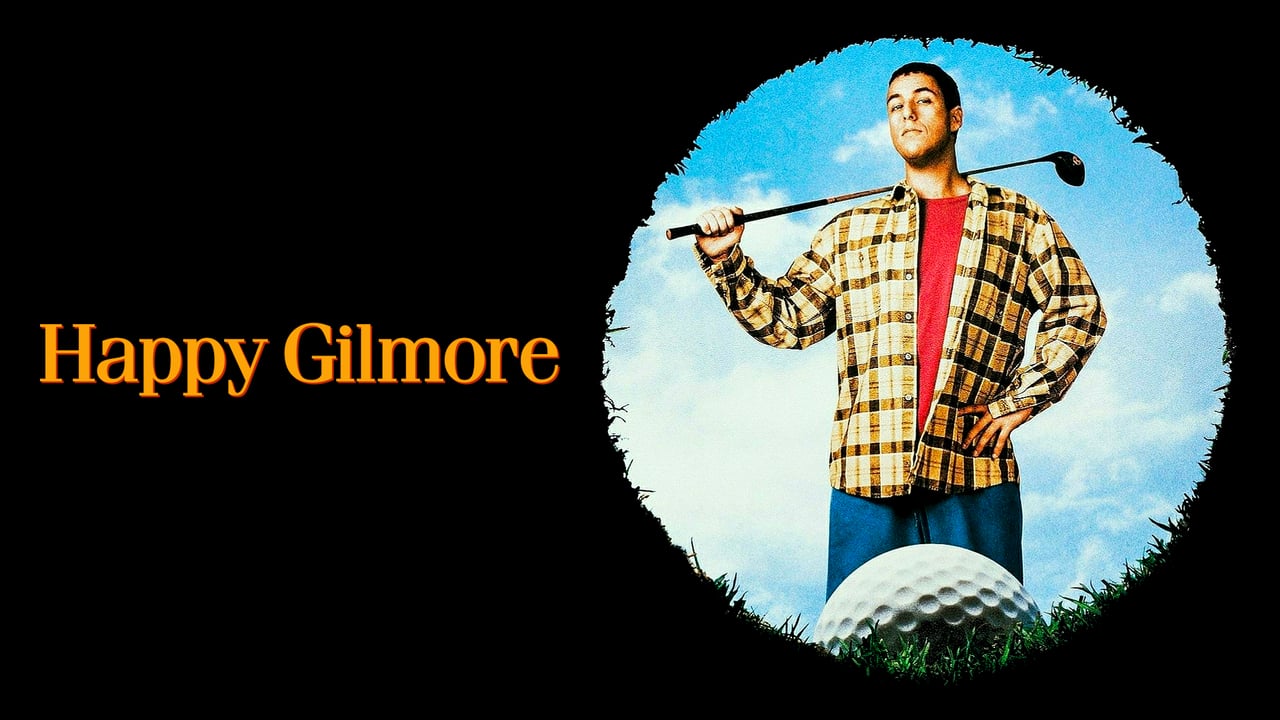
Then there’s the supporting cast, which is a fever dream of 70s and 80s icons. Carl Weathers, moving away from the high-octane world of Predator and Rocky, is a revelation as Chubbs Peterson. His wooden hand—and the tragic backstory involving a pro-tour alligator—is the kind of bizarre world-building that the "Happy Madison" brand eventually became known for.
And, of course, we have to talk about the Bob Barker of it all. In 1996, seeing the host of The Price is Right engage in a bloody, no-holds-barred fistfight with a comedian was the pinnacle of "did that really just happen?" viral moments before the internet actually existed. Apparently, Barker only agreed to do the film if he was the one who won the fight. He had been training in Tang Soo Do with Chuck Norris for years, and he wasn't about to let a "failed hockey player" take him down on camera. It’s a scene that has aged remarkably well because it’s played with such deadpan sincerity.
The trivia surrounding the production is just as fun. For instance, Adam Sandler actually isn't a good golfer. The iconic "running start" swing was actually inspired by Sandler’s childhood friend, and while it looks cool, it’s notoriously difficult to do. Professional golfers have spent decades trying to replicate it for charity events, usually with disastrous (and hilarious) results.
A 90s Time Capsule that Actually Fits
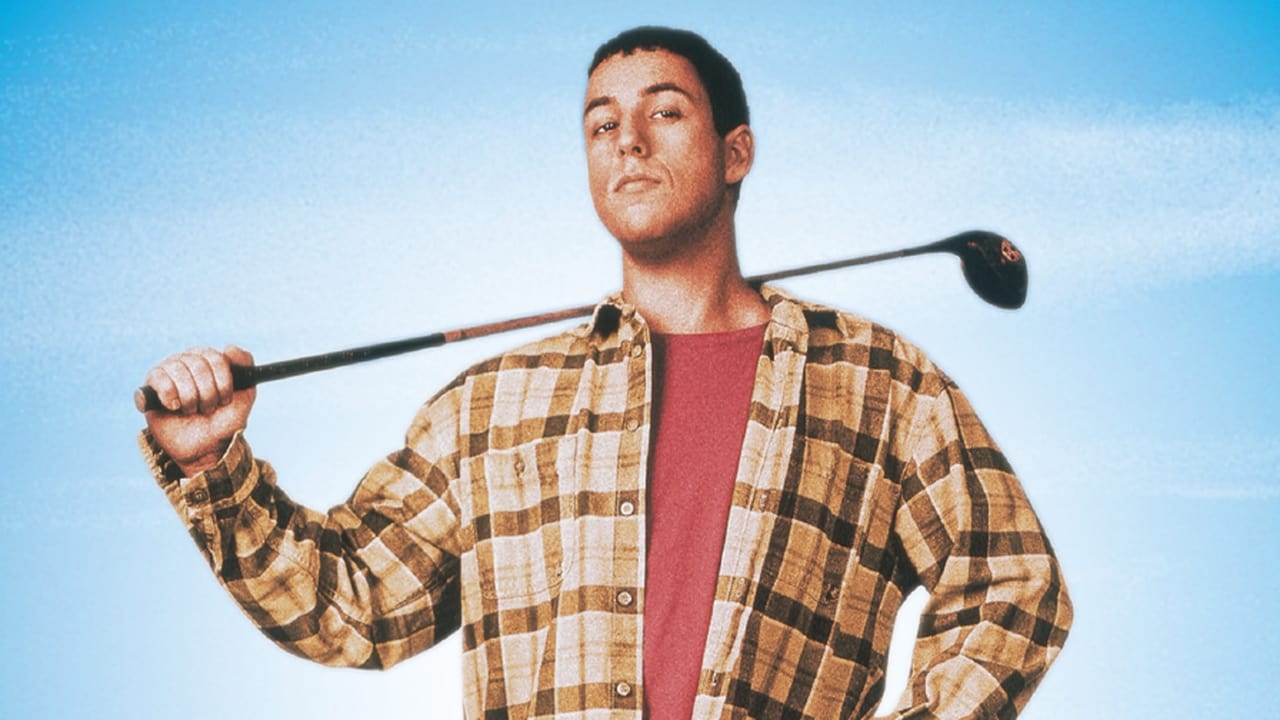
Rewatching this today, the film feels like a relic of a very specific transition in cinema. We were moving away from the broad, slapstick 80s and into a more cynical, personality-driven era. The effects are minimal—mostly just some clever editing and a very fake-looking alligator—but the film doesn't need CGI. It needs a guy yelling at a ball to "Go to your home!"
There’s a warmth to the film that I think people forget. The relationship between Happy and his Grandma (Frances Bay) is the emotional anchor that prevents the movie from becoming a mean-spirited scream-fest. It’s a reminder that even in the middle of a "low-brow" comedy, you need stakes. If Happy doesn't win, a sweet old lady loses her house to the IRS. That simple motivation makes every broken golf club and every "Mister Larson" threat feel earned.
Happy Gilmore is the gold standard for the "Sandler-verse." It’s lean, mean, and infinitely quotable. While some of the humor is definitely a product of its time, the central conflict of the slobs vs. the snobs is timeless. It’s a movie that doesn't ask for your respect, but it absolutely demands your attention. If you can watch the "Gold Jacket, Green Jacket" sequence without cracking a smile, you might be as cold-hearted as a one-eyed alligator.

Keep Exploring...
-
Big Daddy
1999
-
You Don't Mess with the Zohan
2008
-

Just Go with It
2011
-
I Now Pronounce You Chuck & Larry
2007
-
The Wedding Singer
1998
-

Grown Ups
2010
-
Grown Ups 2
2013
-
Billy Madison
1995
-
The Waterboy
1998
-
Bedtime Stories
2008
-
Punch-Drunk Love
2002
-
Little Nicky
2000
-
Anger Management
2003
-
50 First Dates
2004
-
The Longest Yard
2005
-
Click
2006
-
My Girl
1991
-
Army of Darkness
1992
-
Addams Family Values
1993
-

Dazed and Confused
1993