Independence Day
"The planet’s biggest party just got crashed."
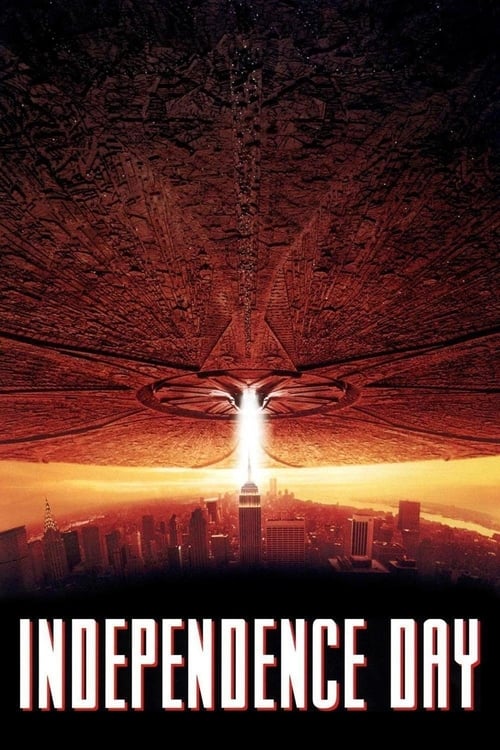
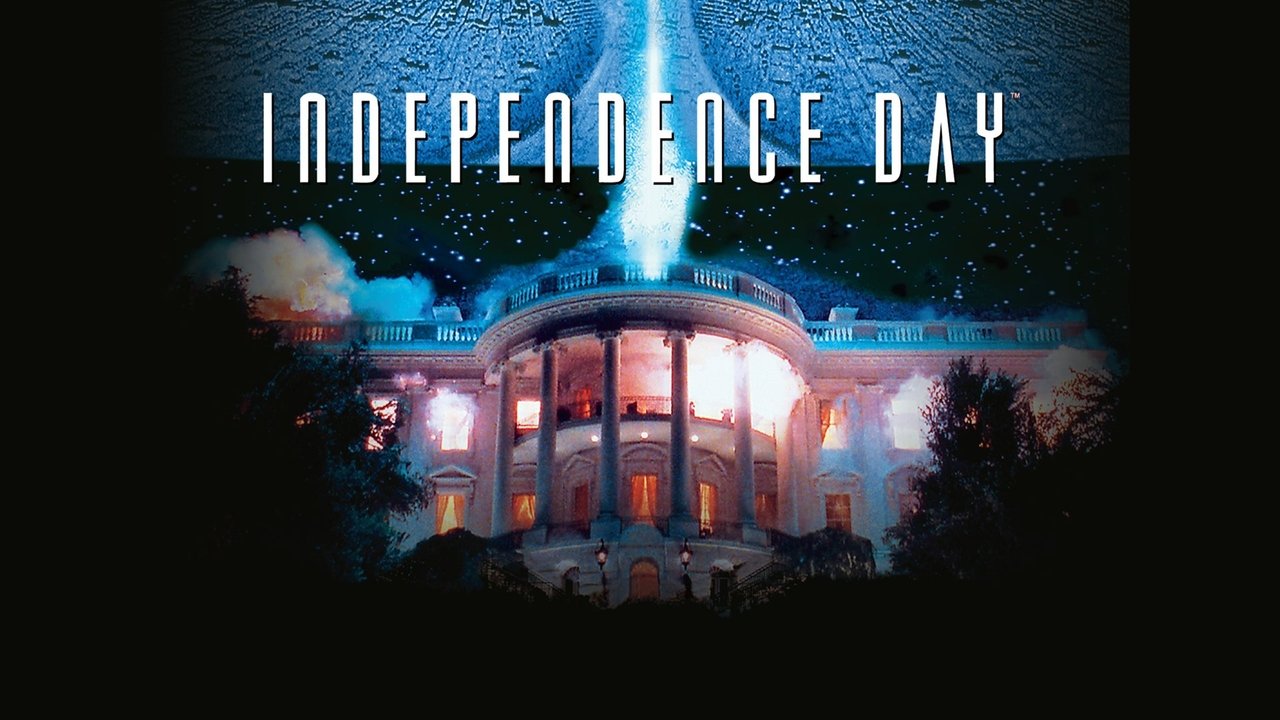
I remember the first time I saw the White House explode. It wasn’t in a theater; it was during a Super Bowl XXX commercial break. At the time, that thirty-second spot felt less like a movie trailer and more like a genuine threat to national security. By the time the film actually landed in July 1996, the hype wasn't just at a fever pitch—it was the atmosphere itself.
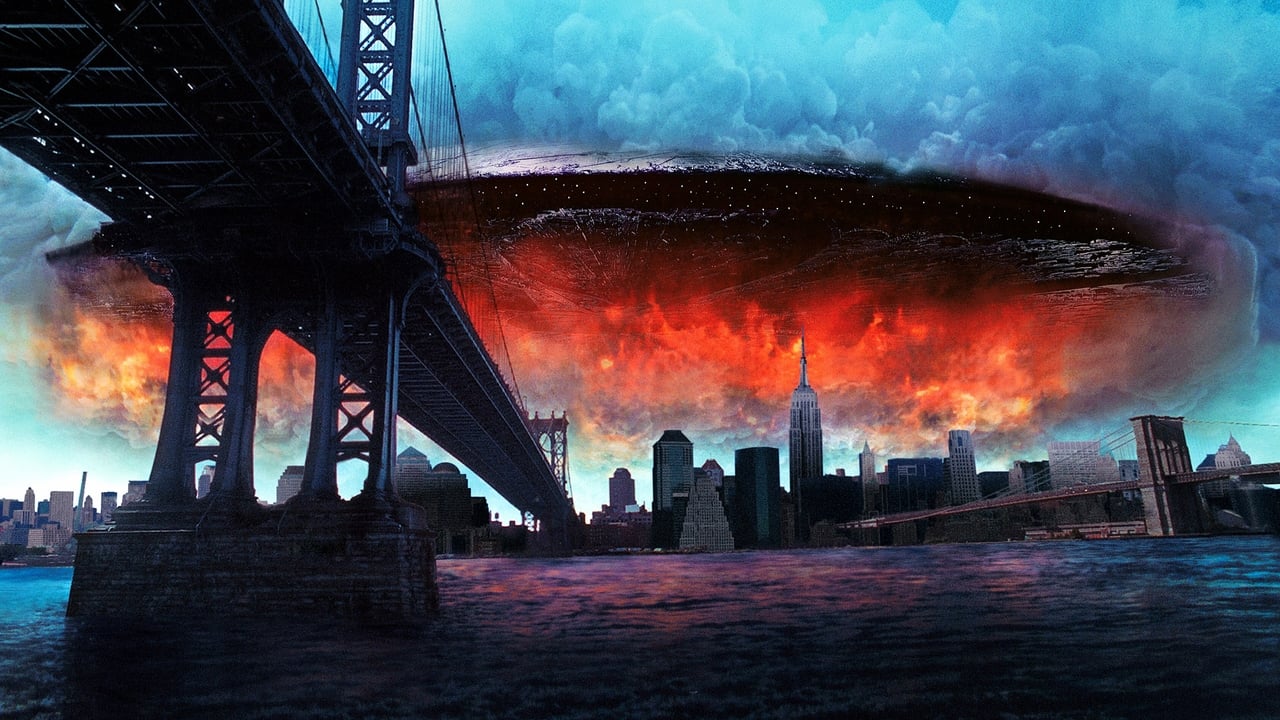
Looking back, Independence Day (or ID4, as the marketing team brilliantly rebranded it) represents the absolute zenith of the "Event Movie." It arrived at a specific window in film history where digital effects were becoming capable of city-wide destruction, yet directors like Roland Emmerich still leaned heavily on massive, physical miniatures. I watched this recently on a grainy old CRT television where the color balance was slightly off, making the alien ships look an accidental shade of lime green, and honestly? It still hits harder than the weightless, pixel-heavy spectacle we get today.
The Master of Disaster’s Practical Magic
While we often lump ID4 in with the CGI revolution of the 90s, the "Modern Cinema" era was actually a fascinating hybrid. Roland Emmerich and producer Dean Devlin knew that if you wanted a building to blow up and look real, you should probably just blow up a building—or at least a very big model of one. The iconic shot of the White House being obliterated involved a 1/12 scale model made of plaster, meticulously rigged with explosives. Because it was a physical object, the fire behaved like fire. It had weight, heat, and a terrifying expansion that modern algorithms still struggle to replicate.
The scale of the production was staggering. With a budget of $75 million, which was a "controlled" risk at the time, they managed to make a film that looked like it cost double. They used "cloud tanks" (basically injecting paint into water) to create those ominous, swirling fire-skies that preceded the ships. It gives the film a tactile, grim aesthetic that balances out the more "comic book" elements of the script. It’s essentially a high-budget 1970s disaster movie that happens to have laser-equipped spaceships.
The Birth of "Big Willy Style"
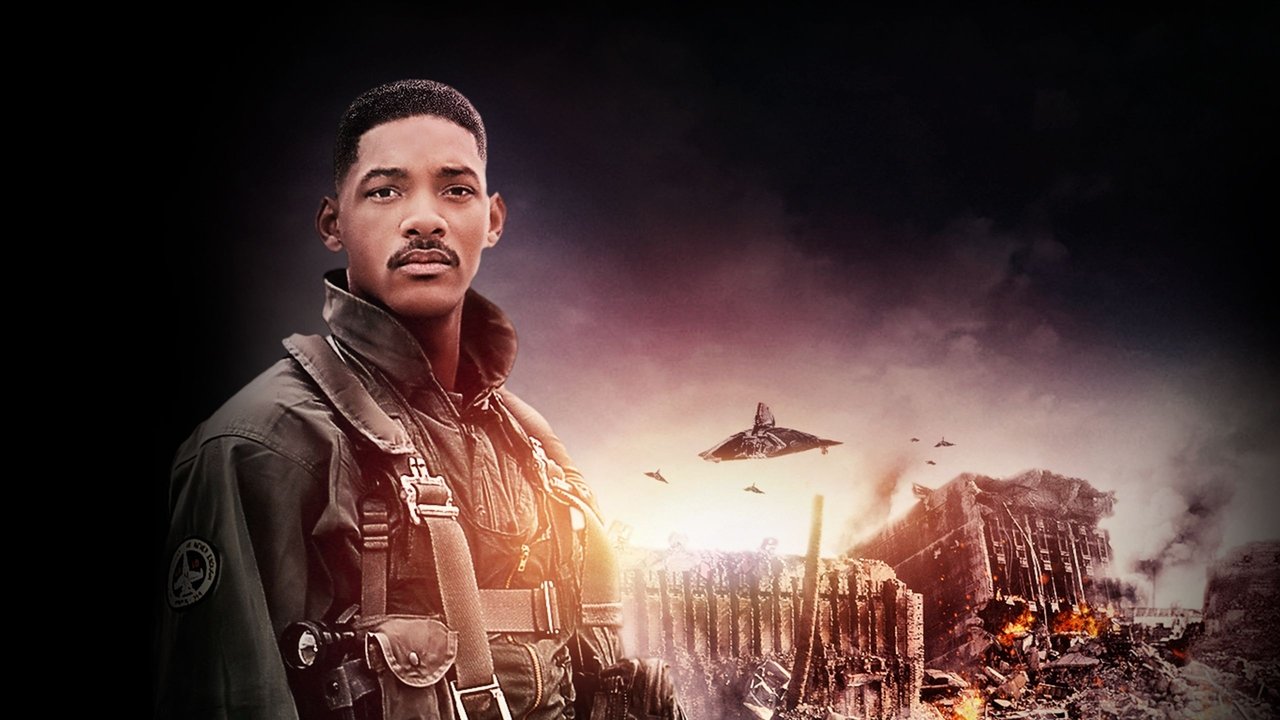
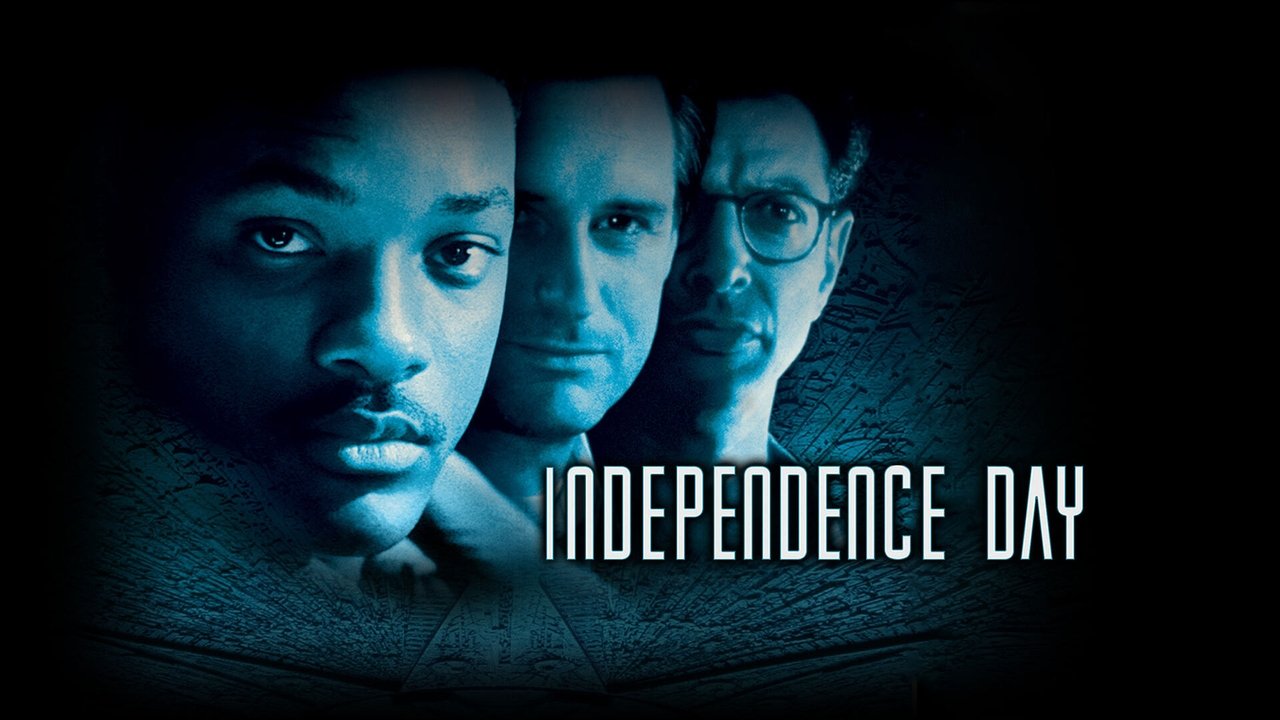
If the effects provided the spectacle, the cast provided the soul. This was the moment Will Smith officially graduated from TV’s Fresh Prince to the biggest movie star on the planet. As Capt. Steven Hiller, he brings a loose, improvisational energy that keeps the movie from sagging under its own self-importance. Whether he’s dragging a literal alien across the salt flats or punching a multi-tentacled monster in the face, he’s having a blast, and so are we.
Then you have the perfect "90s intellectual" pairing of Jeff Goldblum and Judd Hirsch. Jeff Goldblum does exactly what he was hired to do: he stutters, he gestures wildly, and he makes the absurdly dated tech-talk (using a 1995 PowerBook to upload a virus to an interstellar mothership) sound almost plausible. And let’s not forget Bill Pullman. His performance as President Whitmore culminated in what is arguably the most famous cinematic speech of the decade. It’s pure, unadulterated cheese, but Pullman delivers it with such earnest conviction that I still find myself wanting to enlist in a fictional air force every time I hear it.
A Snapshot of Pre-9/11 Optimism
Revisiting Independence Day today is a bit of a trip because of how it handles global catastrophe. Released five years before 2001, the film portrays the destruction of New York and D.C. with a sense of "gee-whiz" spectacle. There’s a strange, sunny optimism to the apocalypse here. The world doesn't descend into tribalism or political infighting; instead, the entire planet unites under the American Fourth of July banner to kick some extraterrestrial tail.
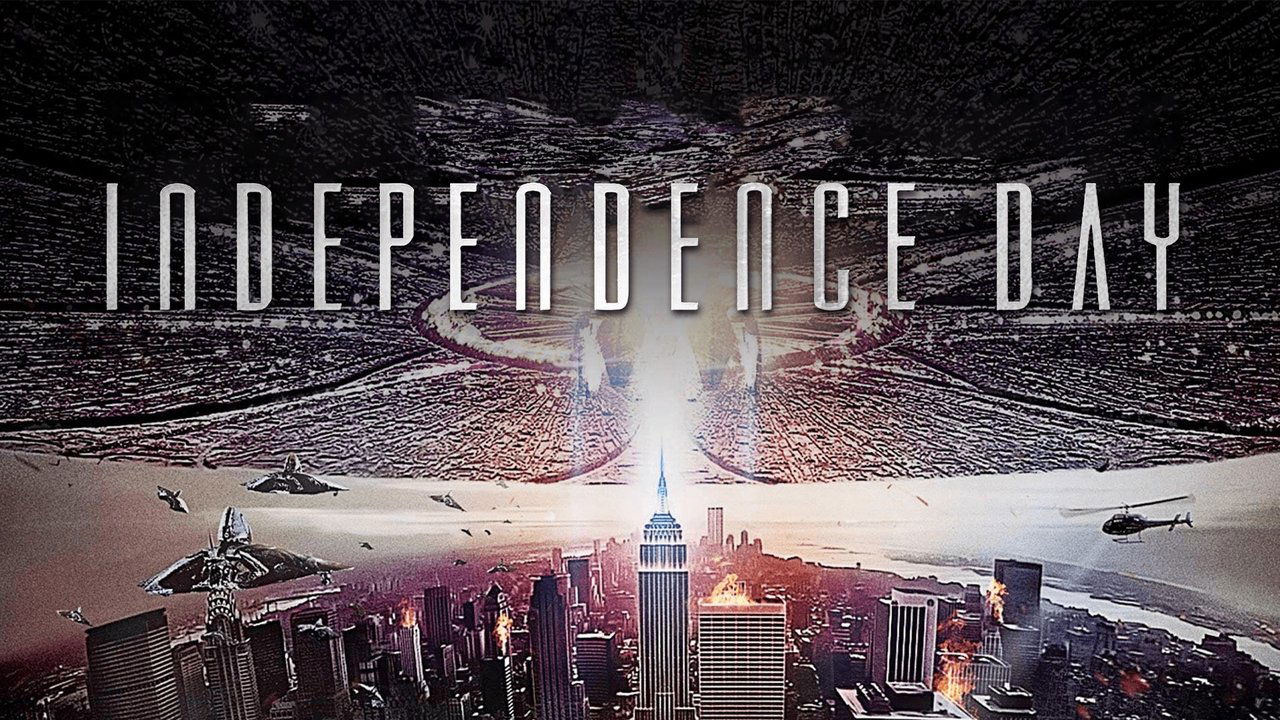
The film was a cultural juggernaut, grossing over $817 million worldwide—which, when adjusted for inflation, is roughly $1.6 billion today. It dominated the "watercooler talk" of 1996. I remember kids on the playground debating whether Area 51 was actually real, a testament to how the film tapped into the Y2K-adjacent obsession with government conspiracies and UFOs. The military actually withdrew their support for the film during production because the script refused to remove the references to Area 51, which only added to the film's "edgy" mystique at the time. The most realistic thing about this movie is the government actually hiding aliens in the desert for forty years.
Independence Day is the definitive 90s blockbuster. It’s loud, it’s proud, and it’s unashamedly focused on giving the audience exactly what they paid for: things blowing up in glorious, slow-motion detail. While the science is nonsense and the pacing in the second act slows down a bit too much for a rewatch, the sheer charisma of the lead performances and the craftsmanship of the practical effects make it an essential piece of popcorn cinema history.
It reminds me of a time when the "Summer Movie" was a singular, massive event that everyone shared. It doesn’t need a cinematic universe or a post-credits stinger to feel complete. It just needs a cigar, a "Welcome to Earth," and a very large explosion. If you haven't seen it in a while, do yourself a favor: turn off your brain, find the biggest screen possible, and celebrate your own personal independence day.
Keep Exploring...
-
Stargate
1994
-
Universal Soldier
1992
-
2012
2009
-

The Day After Tomorrow
2004
-
Men in Black
1997
-

The Lost World: Jurassic Park
1997
-
Armageddon
1998
-

Star Wars: Episode I - The Phantom Menace
1999
-

X-Men
2000
-

Jurassic Park III
2001
-
Star Trek: Generations
1994
-
Star Trek: First Contact
1996
-
Titan A.E.
2000
-
Total Recall
1990
-

Star Wars: Episode II - Attack of the Clones
2002
-

The Matrix Reloaded
2003
-
X2
2003
-

Spider-Man 2
2004
-

Star Wars: Episode III - Revenge of the Sith
2005
-
Spider-Man 3
2007