Jack
"Life is a blink, so make it bright."
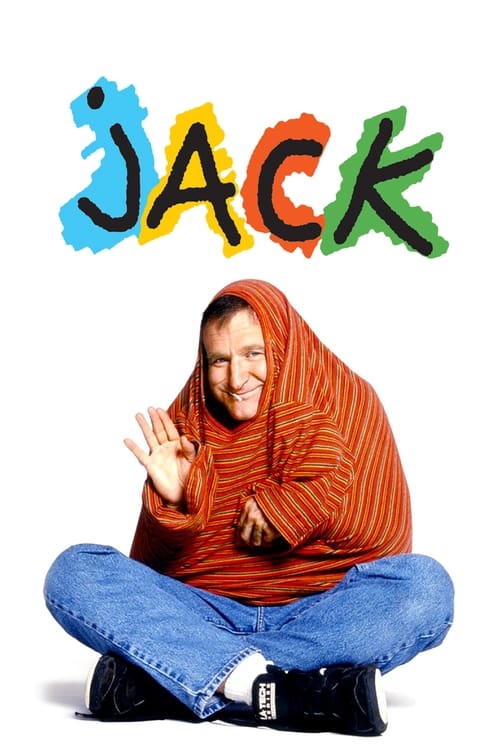
There is a specific kind of whiplash that comes from seeing the words "Directed by Francis Ford Coppola" appear on screen immediately following a scene where a forty-year-old man in overalls farts in a cardboard fort. It is one of the great "glitch in the matrix" moments of 1990s cinema. How did the titan behind The Godfather and Apocalypse Now end up directing a Disney-funded family dramedy about a boy who ages four times faster than normal? The answer is as messy and sentimental as the film itself, a project that feels less like a calculated career move and more like a strange, earnest fever dream captured on celluloid.
The Coppola Conundrum
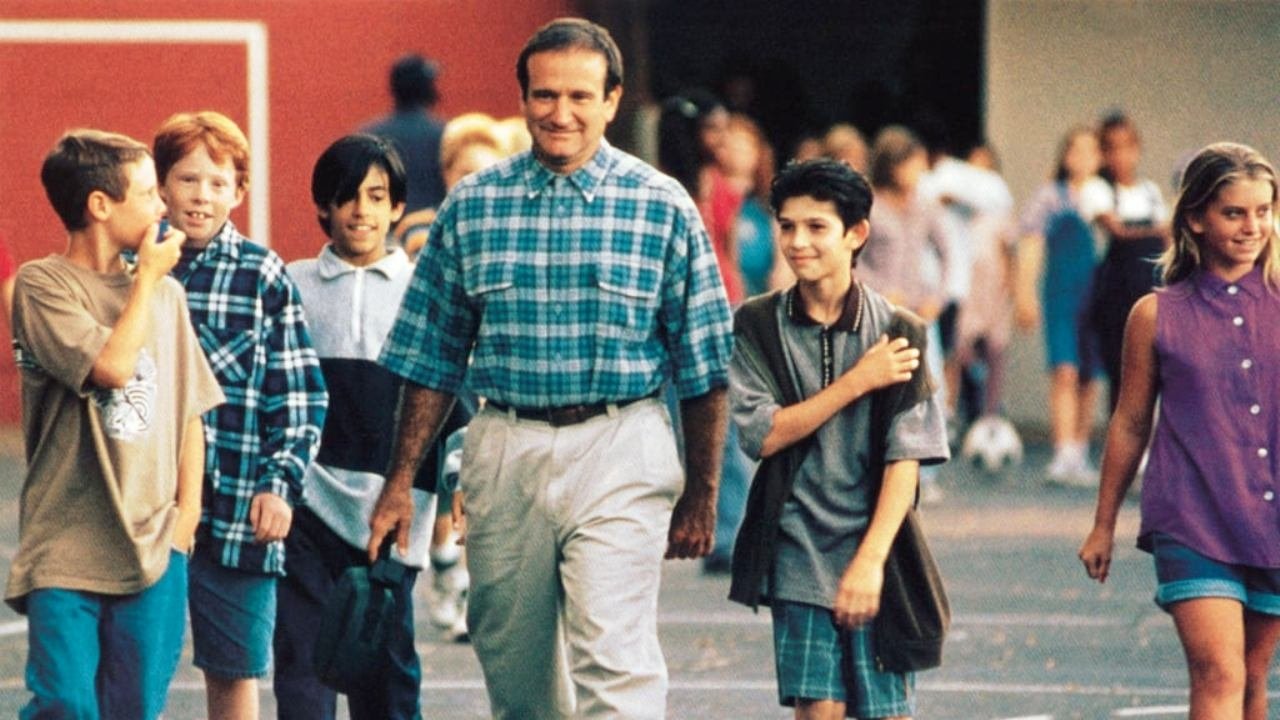
I recently revisited this during a rainstorm while eating a slightly stale bag of pretzels—the kind that are too salty but you can't stop eating—and I found myself struck by how much Jack feels like a time capsule of 1996. This was the era of the high-concept star vehicle, a time when you could pitch "Robin Williams is a ten-year-old" and get $45 million to make it happen. Coppola brings a surprisingly lush, cinematic eye to what could have been a flat sitcom. Working with cinematographer John Toll (who had just come off Braveheart), Coppola gives the Powell household a golden, honey-drenched glow that feels more like a period piece than a modern comedy.
There’s a tension here, though. Coppola is trying to make a "film" about the fleeting nature of life, while the studio clearly wanted a "movie" where Robin Williams does funny voices. The result is a tonal seesaw. One minute, Jack is trying to buy a dirty magazine to impress his fifth-grade friends; the next, he’s having a heart-to-heart with his tutor, played by Bill Cosby, about the terrifying reality that his internal organs are failing. It’s a jarring experience that leaves you wondering if you should be laughing or calling a therapist.
The Robin Williams Factor
The movie lives and dies on the back of Robin Williams. By 1996, Williams was the undisputed king of the "child-man" archetype, and Jack is the logical, if slightly literal, conclusion of that persona. He is remarkably good at capturing the physicality of a ten-year-old—the awkward limb movements, the lack of a personal-space filter, the way a kid’s face lights up at the prospect of a giant red ball.

But looking back, the performance is also heartbreaking. Because we know Jack is essentially a terminal patient, every moment of "acting like a kid" is tinged with the knowledge that he won’t get to be an adult. When he develops a crush on his teacher, Miss Marquez (played by a pre-superstardom Jennifer Lopez), it isn't just played for "creepy" laughs; there’s a genuine pathos to it. He’s a boy trapped in a man’s body, experiencing hormones he isn't emotionally ready for. The scene where he tries to ask her to the dance is legitimately more uncomfortable than any horror movie jump-scare. Williams nails the vulnerability, proving once again that his dramatic instincts were often sharper than his comedic ones, even when he was buried in a script that wanted him to play "the funny guy."
A Cast from a Different Dimension
The supporting cast is a wild "Who’s Who" of mid-90s pop culture that feels like it was assembled via dartboard. You have Diane Lane and Brian Kerwin as the parents, who have the thankless task of trying to ground a premise that is fundamentally absurd. Then you have Fran Drescher as Dolores Durante, bringing her signature The Nanny energy to a role that consists mostly of being hit on by a middle-aged-looking child.
Interestingly, the script was co-written by James DeMonaco, the man who would later create The Purge franchise. There’s something deeply funny about the guy who dreamt up "one night a year where all crime is legal" starting his career with a sentimental story about a boy with a growth disorder. You can almost see the seeds of his later work in the way Jack treats the public school system as a Darwinian jungle where the kids are often more cruel than the adults.
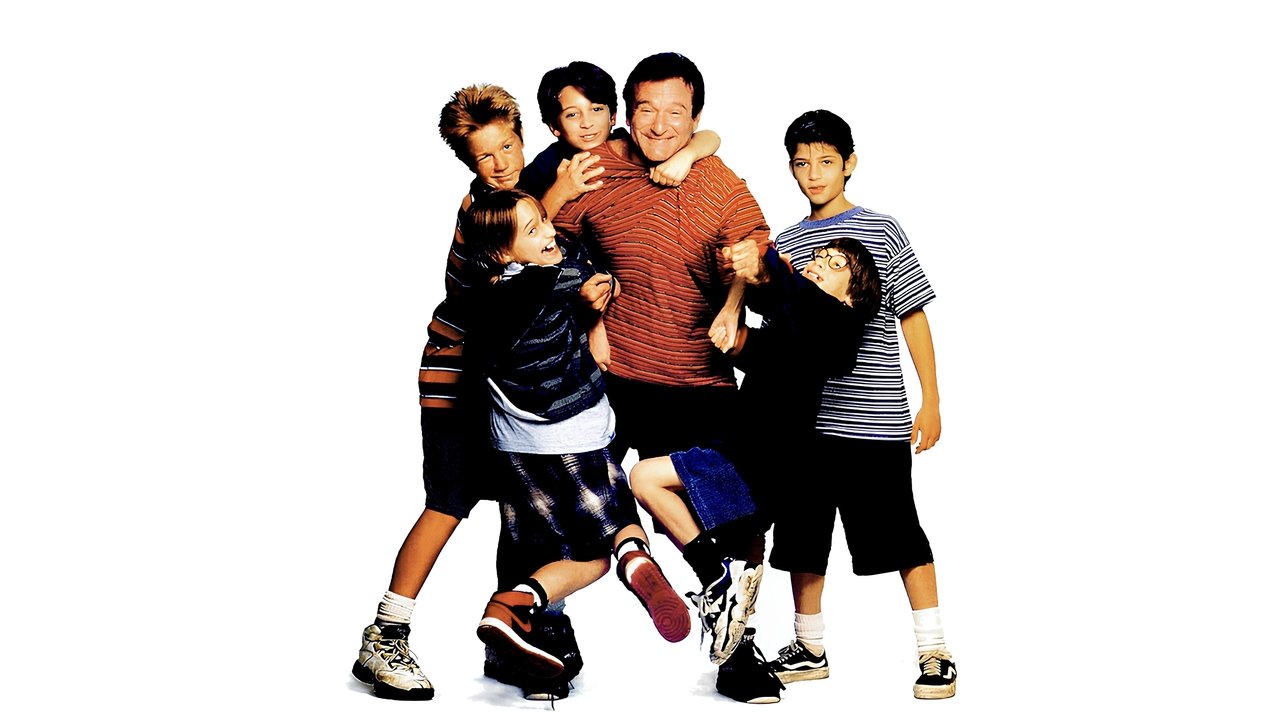
Turns out, the production was actually quite a happy one. Coppola apparently encouraged a lot of improvisation among the child actors to keep the energy authentic, which is why the scenes in the treehouse feel so much more natural than the scripted melodrama. It’s in these moments—away from the "aging" plot—that the film actually finds its heart. It’s about the brief, shining window of childhood where a cardboard box can be a castle, and your friends are the only people in the world who matter.
Jack is a fascinating failure. It’s too saccharine for adults and often too depressing for kids, yet it remains oddly watchable because of the sheer talent involved. You watch it and wonder what Coppola was thinking, but you also can’t help but be moved by Robin Williams' desperate desire to make us smile while his character’s clock is ticking down. It’s a movie that doesn't quite know what it wants to be, but in the landscape of today’s polished, focus-grouped cinema, there’s something almost refreshing about its messy, misguided ambition.
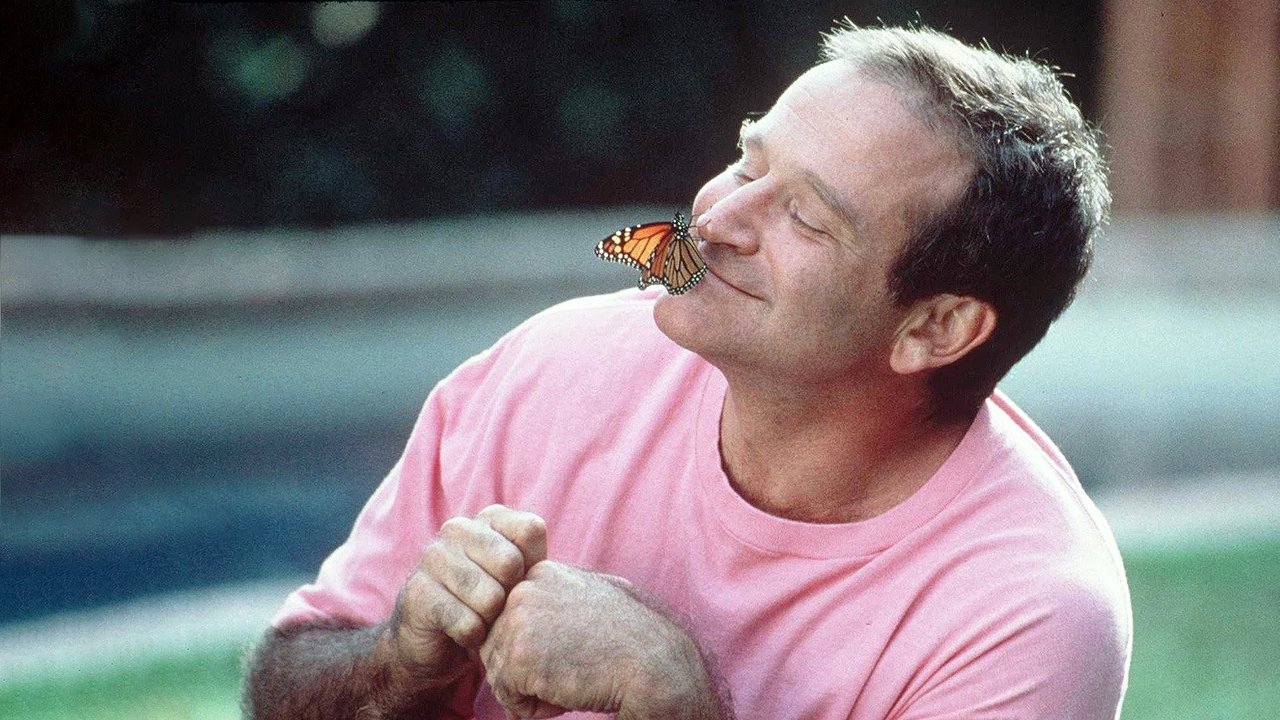
Keep Exploring...
-
The Mighty Ducks
1992
-
Jack Frost
1998
-
What a Girl Wants
2003
-
First Daughter
2004
-

Ice Princess
2005
-
Just My Luck
2006
-
The Odd Life of Timothy Green
2012
-
Mrs. Doubtfire
1993
-

The Santa Clause
1994
-
Princess Protection Program
2009
-
A Cinderella Story: Once Upon a Song
2011
-
Annie
2014
-
RV
2006
-
Teenage Mutant Ninja Turtles II: The Secret of the Ooze
1991
-
It Could Happen to You
1994
-

The Swan Princess
1994
-
It Takes Two
1995
-
The Rainmaker
1997
-
Blast from the Past
1999
-
Never Been Kissed
1999