James and the Giant Peach
"Big dreams come in fuzzy packages."
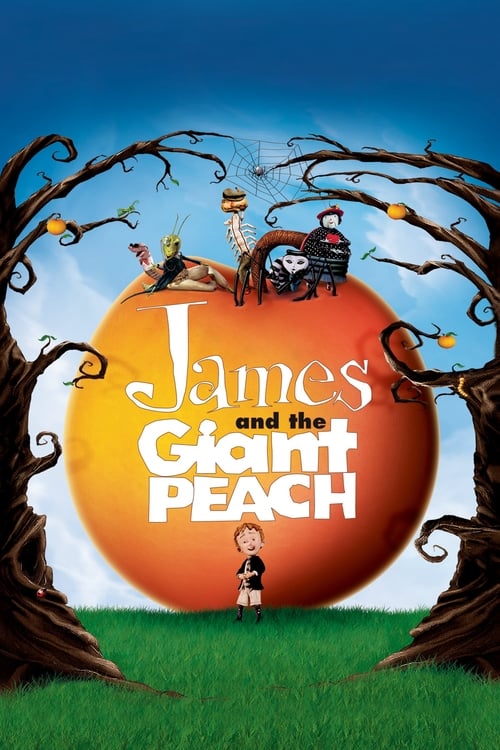
If you want to understand the visual whiplash of mid-90s cinema, look no further than the opening ten minutes of James and the Giant Peach. We start in a hazy, sepia-toned live-action world that feels like a dusty Victorian postcard, only to be swallowed whole by a vibrantly textured, stop-motion fever dream. It was 1996, a year when the industry was still reeling from the earthquake of Toy Story, and while everyone else was rushing to buy silicon workstations, Henry Selick was still playing with puppets.
I watched this again recently while nursing a slightly lukewarm cup of peppermint tea that I’d forgotten on the coaster for twenty minutes, and I was struck by how much braver this movie is than the CG-polished family fare we get today. It’s a film that isn't afraid to let its protagonist be genuinely miserable before things get magical, and it’s a film that understands that Roald Dahl’s world works best when it’s a little bit gross and a lot bit weird.
The Selick Touch in a Digital World
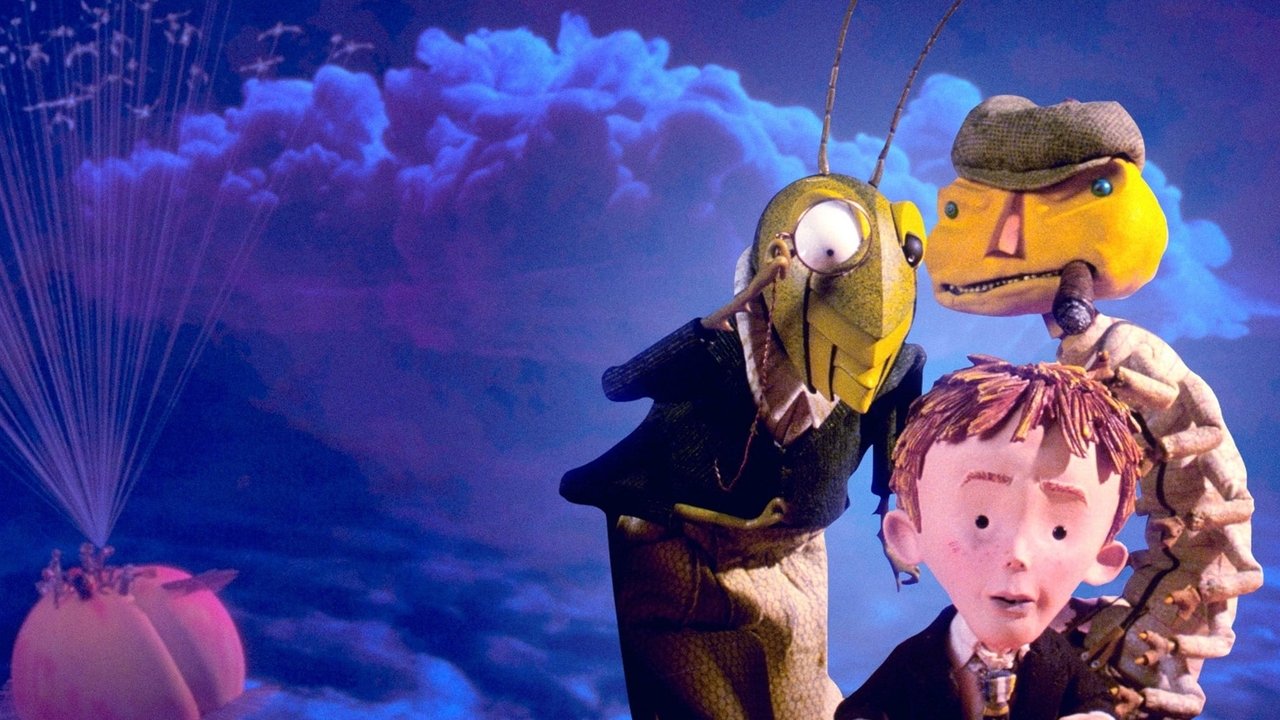
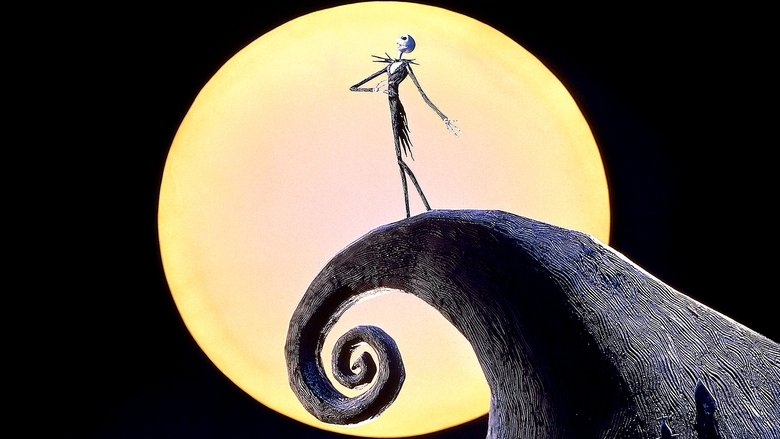
By the time this hit theaters, Henry Selick had already proven his mettle with The Nightmare Before Christmas (1993), but James and the Giant Peach felt like a different kind of challenge. It was a bridge between the analog past and the digital future. You can see the transition happening on screen; while the characters are meticulously crafted puppets, the film uses early digital compositing to give the ocean and the sky a scale that stop-motion usually struggles to achieve.
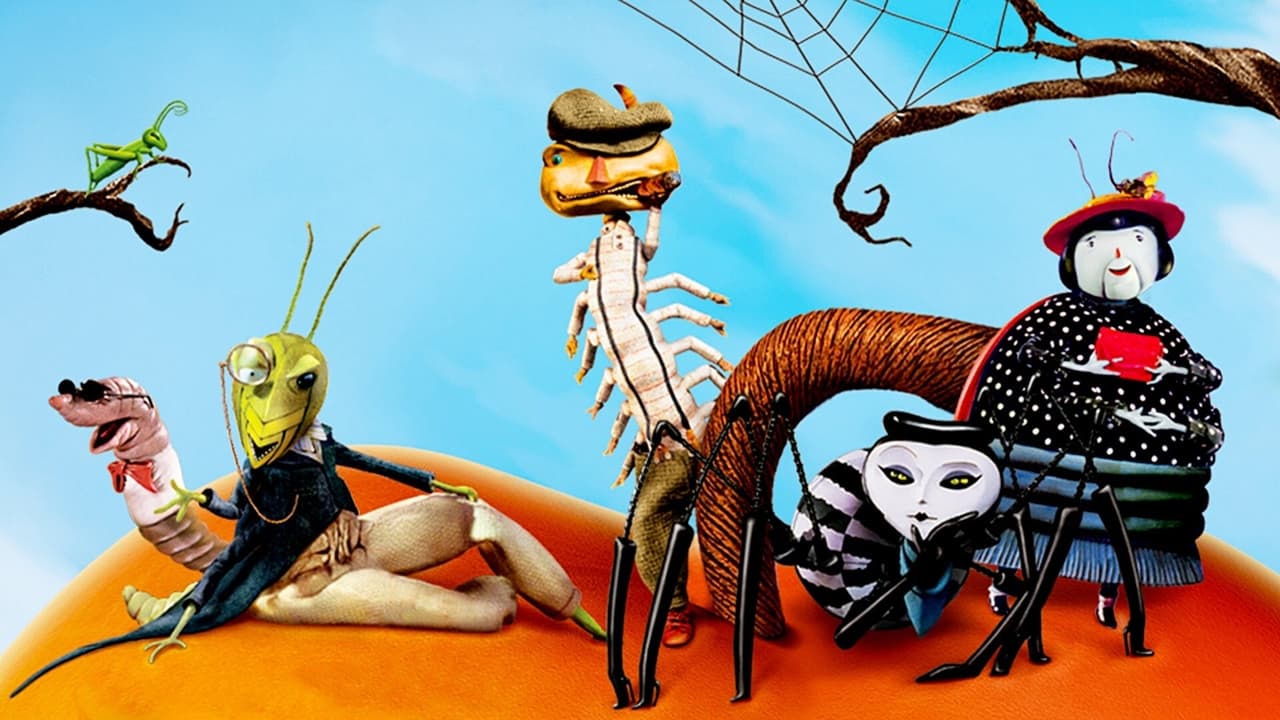
Looking back, it’s a fascinating snapshot of the "CGI Revolution" learning curve. The digital elements haven't all aged perfectly—some of the water effects look a bit like moving gelatin—but the tactile nature of the peach itself and the insect ensemble is timeless. There’s a weight to Paul Terry’s James (once he transforms into his animated self) that you just don’t get with modern motion capture. When the Centipede chomps on a piece of fruit, you feel the crunch.
A Chosen Family of Misfits
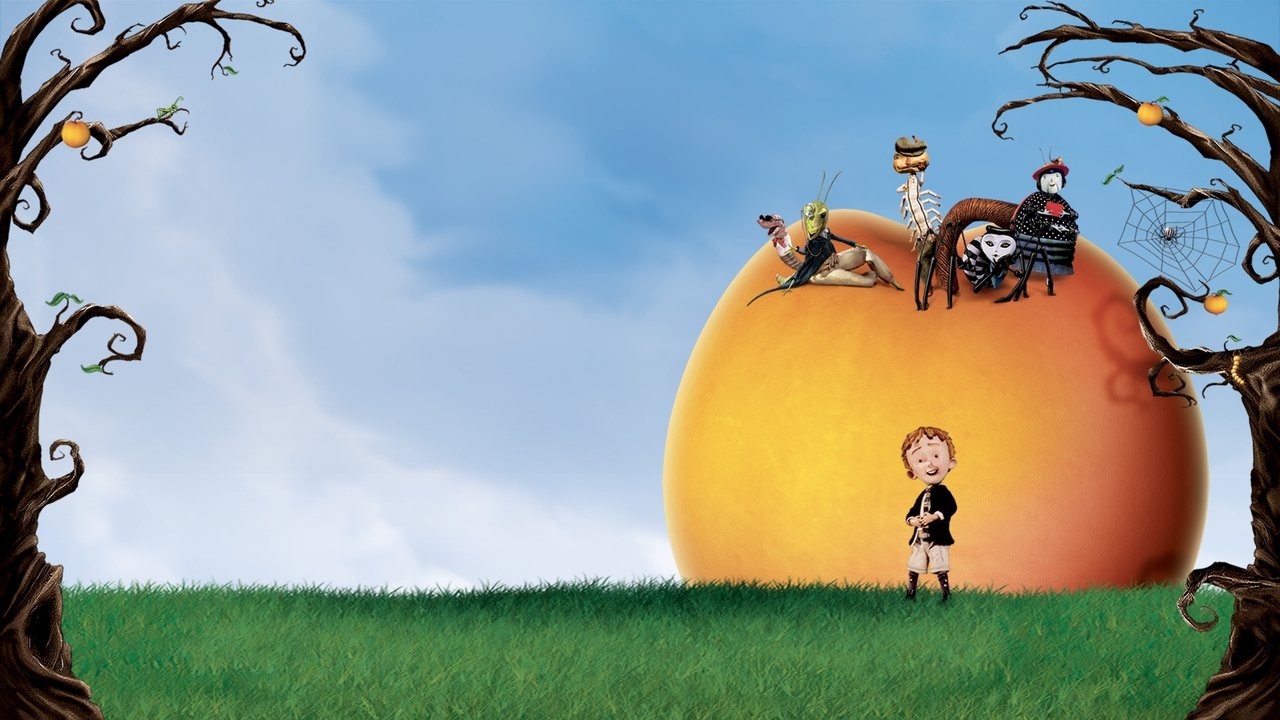
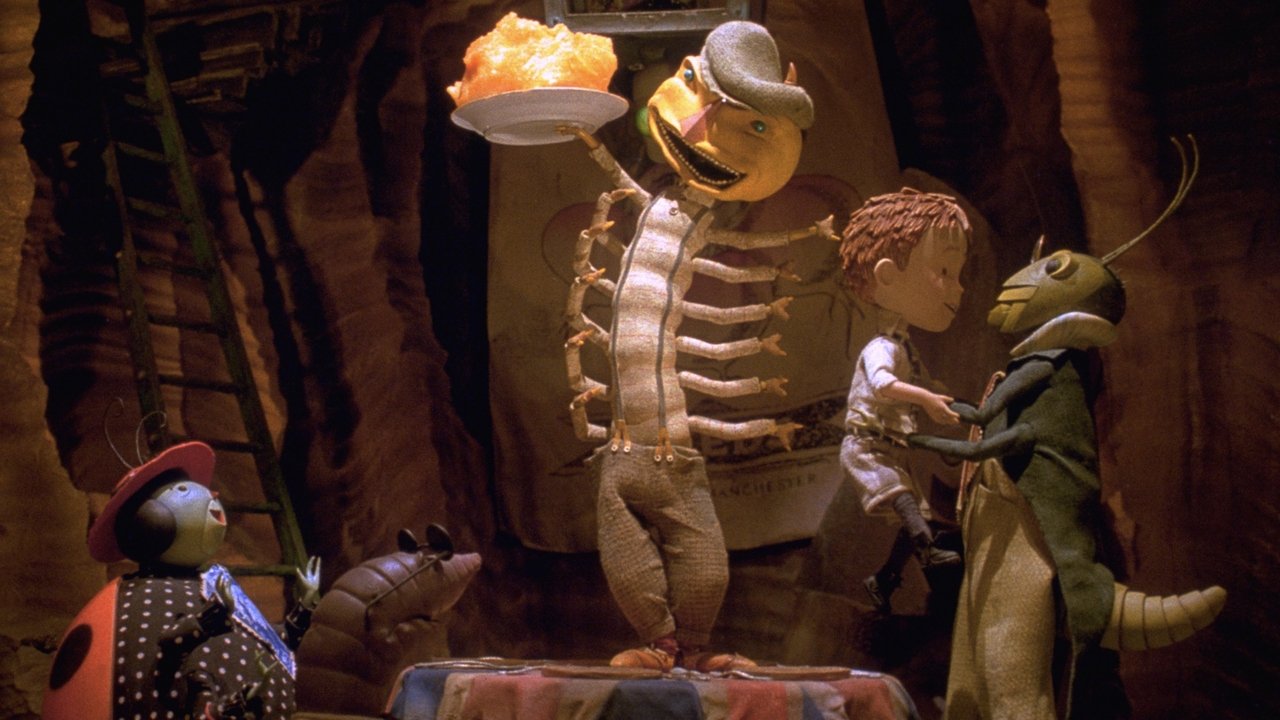
The heart of any adventure is the crew, and this one is an all-timer. I’ve always had a soft spot for Richard Dreyfuss (Jaws, Close Encounters of the Third Kind) as the Brooklyn-accented Centipede. He brings a cynical, fast-talking energy that balances out the more refined, Shakespearean tones of Simon Callow (Four Weddings and a Funeral) as the Grasshopper.
Then you have the aunts. Miriam Margolyes and Joanna Lumley as Spiker and Sponge are the absolute gold standard for child-traumatizing villains. They aren't just mean; they are grotesque, opportunistic, and deeply sweaty. The decision to keep them in live action while James transitions into animation creates this brilliant psychological divide: the "real" world is a place of stagnant cruelty, while the "fantasy" world is where James finally finds color and agency.
The camaraderie here feels earned because it’s forged in peril. Whether they’re fighting off a mechanical shark or navigating a graveyard of sunken pirate ships (a clear nod to producer Tim Burton’s aesthetic), the stakes feel high. The film doesn't treat "Family" as a foregone conclusion; it treats it as a MacGuffin that James has to actively protect.
Why Did This Peach Roll Away?
Despite its pedigree, James and the Giant Peach is often the forgotten middle child of the 90s Disney era. It didn't have the box office legs of the Renaissance musicals, and it lacked the holiday-staple immortality of Nightmare Before Christmas. It’s a bit of a "holy grail" for stop-motion nerds, but for the general public, it’s often relegated to a "Oh yeah, I remember that being weird" memory.
Part of the reason it disappeared might be its tone. It’s dark. It starts with a rhinoceros from the clouds eating James's parents, which is a bold way to open a Disney movie even by 90s standards. In an era where the industry was pivoting toward the bright, clean lines of Pixar, Selick’s gritty, fuzzy, and occasionally frightening textures might have felt like a step backward to audiences craving the "new."
But that obscurity is exactly why it’s worth a revisit. In the age of franchise planning and "safe" storytelling, this film feels like a handmade artifact. The Randy Newman score (before he became the "You’ve Got a Friend in Me" guy for every movie) provides a whimsical, slightly melancholic backbone that fits the sea-faring journey perfectly.
James and the Giant Peach is a triumph of practical imagination. It captures that specific Roald Dahl frequency—the one that broadcasts on a wavelength of "the world is scary, adults are often terrible, but there is magic in the most unlikely places." It’s an adventure that feels both epic and intimate, anchored by a visual style that refuses to play it safe.
If you haven't seen it since you were a kid, or if you skipped it because the puppets looked "creepy," give it those 79 minutes. It’s a brisk, beautiful reminder that before the world went entirely digital, we were building giant peaches out of foam and wire, and they flew just as well. Just maybe skip the peppermint tea if you’re prone to forgetting it during the musical numbers.
Keep Exploring...
-
The Rescuers Down Under
1990
-

The Swan Princess
1994
-

DuckTales: The Movie - Treasure of the Lost Lamp
1990
-
Tinker Bell
2008
-

The Ant Bully
2006
-
Shrek the Halls
2007
-
Tinker Bell and the Lost Treasure
2009
-
Tinker Bell and the Great Fairy Rescue
2010
-
A Monster in Paris
2011
-

Secret of the Wings
2012
-
The Nightmare Before Christmas
1993
-
Hercules
1997
-
Pokémon: The First Movie
1998
-
Pokémon the Movie 2000
1999
-

The Emperor's New Groove
2000
-
The Road to El Dorado
2000
-
A Goofy Movie
1995
-
Jimmy Neutron: Boy Genius
2001
-

The SpongeBob SquarePants Movie
2004
-
Kirikou and the Sorceress
1998