Jerry Maguire
"Show him the money. Show him the soul."
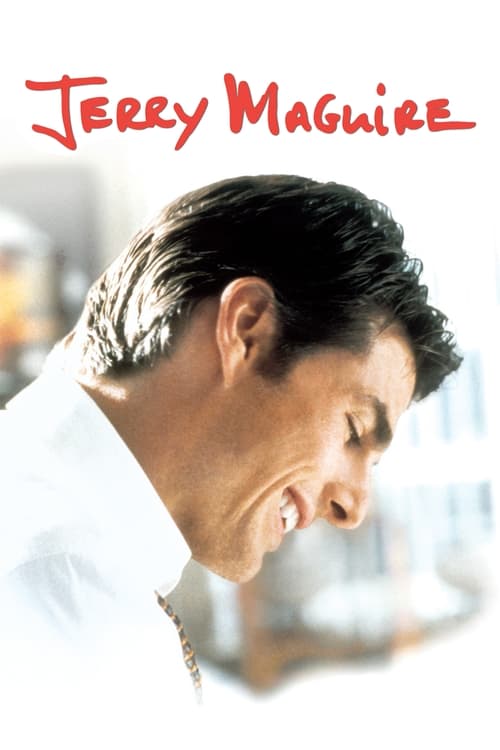
There is a 25-page document floating around the internet that I think every film fan should read at least once. It isn’t a script or a shooting schedule; it’s the actual "Mission Statement" that Cameron Crowe wrote for his fictional protagonist to hand out in a hotel lobby at 3:00 AM. It’s titled The Things We Think and Do Not Say, and it is the beating heart of a movie that, quite frankly, shouldn't work as well as it does in 2024. Watching Jerry Maguire today is a jarring reminder that there was a time when Hollywood would spend $50 million on a movie about a guy having an identity crisis, and audiences would turn it into a $270 million cultural juggernaut.

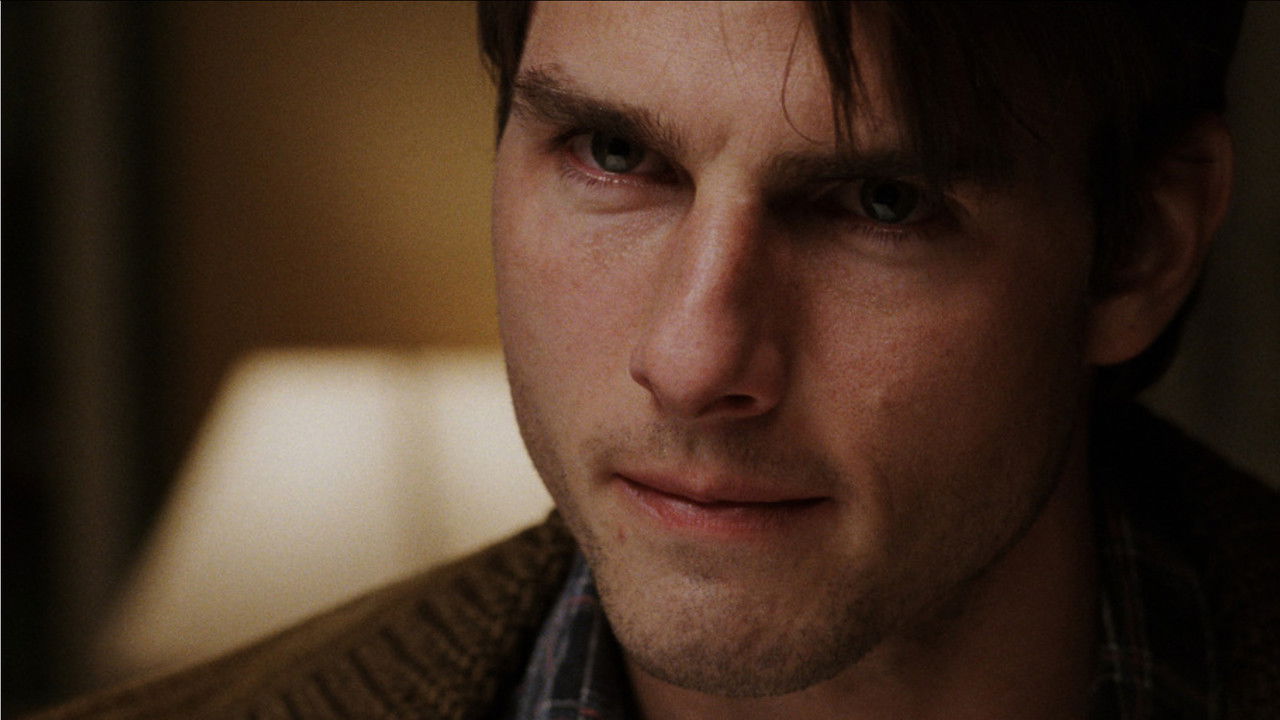
I watched this again recently while trying to assemble an IKEA nightstand, and I ended up sitting on the floor with a half-finished drawer in my lap for two hours because I simply couldn't look away from Tom Cruise's face.
The Shark with a Soul
This is, undeniably, the definitive Tom Cruise performance. We’ve grown so used to him as the immortal stunt-god of the Mission: Impossible franchise that it’s easy to forget he is a spectacular dramatic actor. As Jerry, he starts the film with this terrifying, high-wattage "shark-grin" that feels like a mask. When that mask slips after his late-night epiphany, we see a version of Cruise that is sweaty, desperate, and deeply uncool.
My personal hot take: Jerry Maguire is actually a chaotic nightmare of a human being for the first hour, and we only root for him because the movie is smart enough to surround him with people who are more grounded than he is. He’s a man who has spent his entire life selling "the dream" and suddenly realizes he’s been sleeping in a coffin. His chemistry with Renée Zellweger—in her breakout role as Dorothy Boyd—is what saves the character. Zellweger brings a quiet, observant stillness that acts as the perfect foil to Cruise’s manic energy. She doesn't just love him; she sees through him, which is far more romantic.
The Kwan and the Chaos
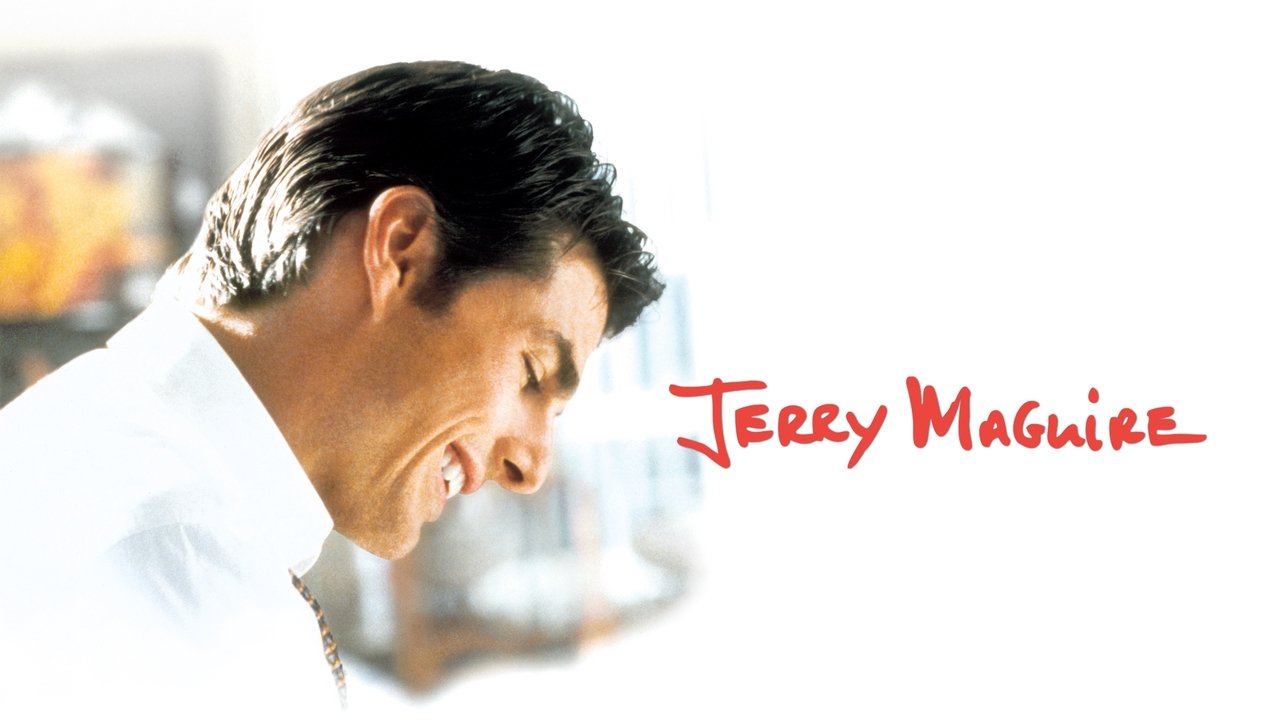
While the central romance is the hook, the movie’s engine is the relationship between Jerry and his only remaining client, Rod Tidwell. Cuba Gooding Jr. didn't just win an Oscar for this; he captured the lightning of the mid-90s sports era. His performance is loud and abrasive, yet he’s the only character who actually knows who he is from the jump. He has his "Kwan"—the love, the respect, the money, and the community. Jerry has none of that.
The cinematography by Janusz Kamiński (who is usually busy making Steven Spielberg’s films like Schindler's List look haunting) gives the movie a golden, slightly over-saturated glow. It feels like a memory of a time when the world was moving from the analog 80s into the digital 2000s. You see it in the chunky car phones and the fax machines, but the emotional core—the fear of being "just another suit"—is timeless. Cameron Crowe has this specific gift for dialogue that sounds like poetry but feels like a conversation you had at a bar at 2:00 AM. Whether it's the "Show me the money" sequence or the "You had me at hello" climax, the script is a minefield of catchphrases that actually feel earned.
Stuff You Didn't Notice
Looking back, the production of Jerry Maguire was as high-stakes as a fourth-quarter play. Apparently, Tom Cruise was so committed to the project that he took a massive pay cut in exchange for a percentage of the back-end profits—a gamble that paid off massively. Interestingly, the role of Jerry was originally written for Tom Hanks, but after seeing the finished product, it's impossible to imagine anyone else bringing that specific brand of "man on the edge" intensity.
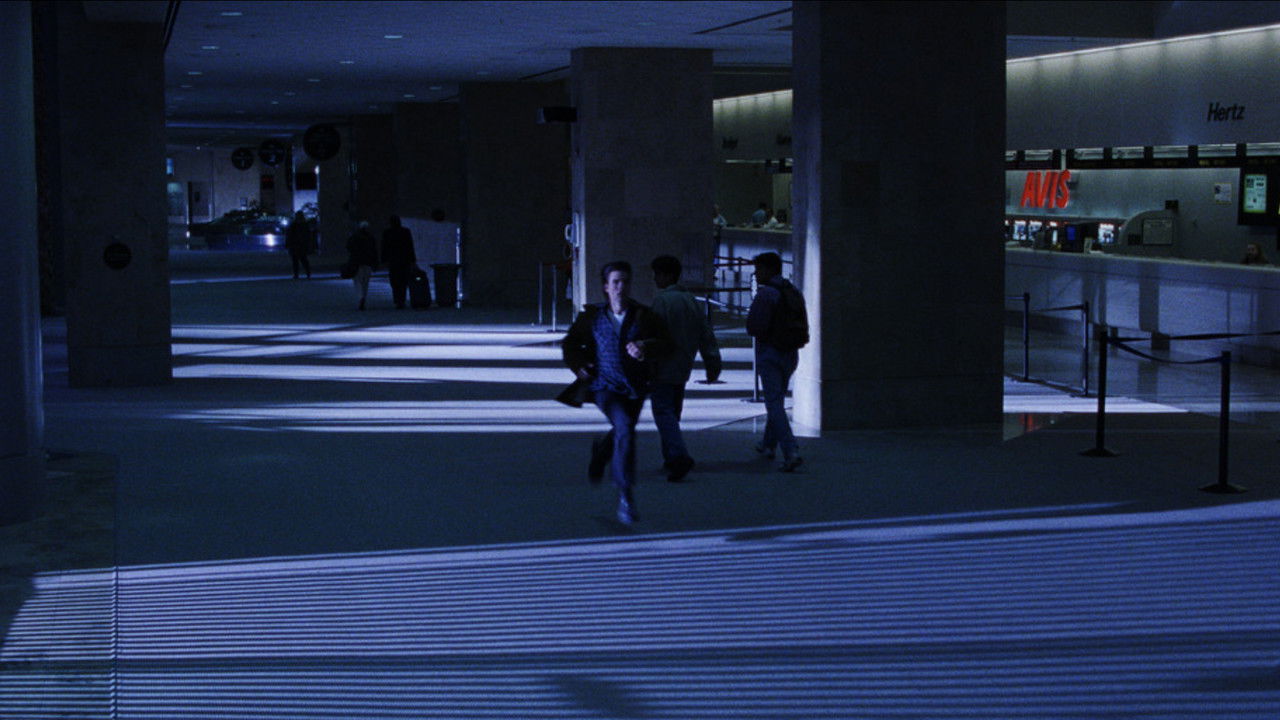
The kid, Ray (played by Jonathan Lipnicki), wasn’t just a "cute kid" trope; he was actually a last-minute casting find who reportedly showed up to the audition and started telling Tom Cruise random facts about the human head (most of which made it into the movie). Also, that famous "Show me the money" line? It wasn't just a screenwriter's invention. It was inspired by NFL player Tim McDonald, who told Crowe that's what he told his agent during contract negotiations. Even the "Mission Statement" was a real 25-page document Crowe wrote to help the cast understand Jerry’s headspace; he spent nearly a year perfecting it before filming even started.
Jerry Maguire is a rare breed: a romantic comedy-drama that manages to be cynical about the world and optimistic about people simultaneously. It captures that mid-90s transition perfectly, standing as a monument to a time when star power and a great script were the only special effects you needed. It’s funny, it’s loud, and it’s occasionally a bit too long, but it has more heart in its pinky finger than most modern blockbusters have in their entire runtime. If you haven't seen it in a decade, give it another look—you might find that you’re finally ready for the "Kwan."
Keep Exploring...
-
Elizabethtown
2005
-

Vanilla Sky
2001
-
As Good as It Gets
1997
-

We Bought a Zoo
2011
-

Stepmom
1998
-
Say Anything...
1989
-
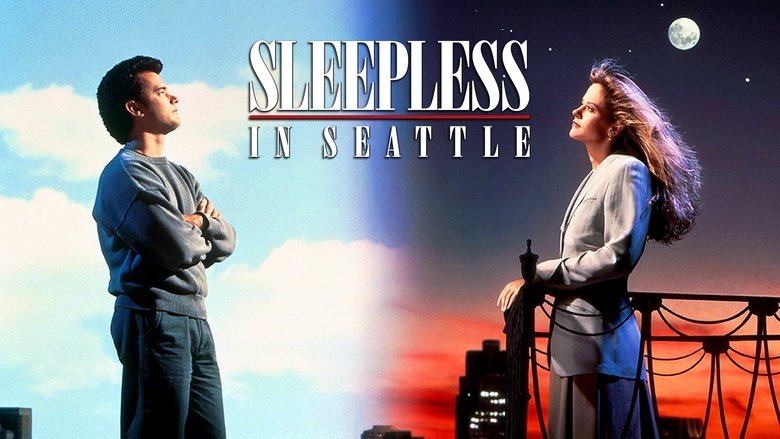
Sleepless in Seattle
1993
-
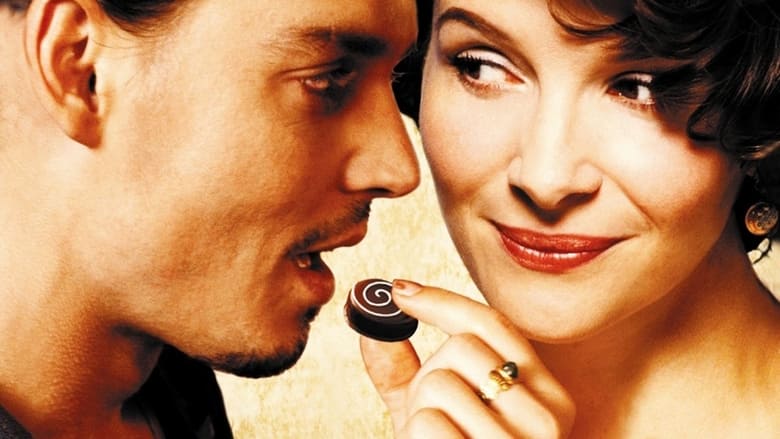
Chocolat
2000
-
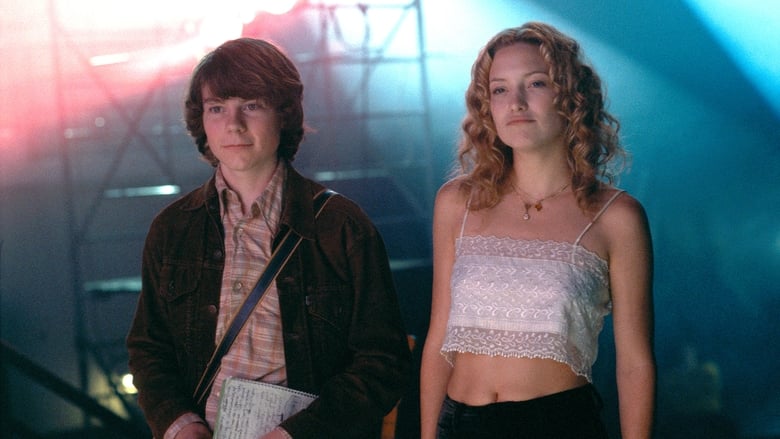
Almost Famous
2000
-

Something's Gotta Give
2003
-

Shall We Dance?
2004
-
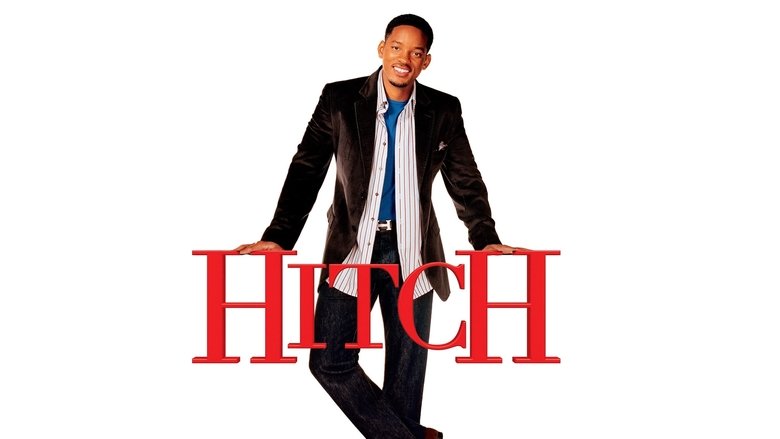
Hitch
2005
-

Sex and the City
2008
-
Four Weddings and a Funeral
1994
-

Bridget Jones's Diary
2001
-
High Fidelity
2000
-
The Family Man
2000
-
About a Boy
2002
-
Lost in Translation
2003
-

Sideways
2004