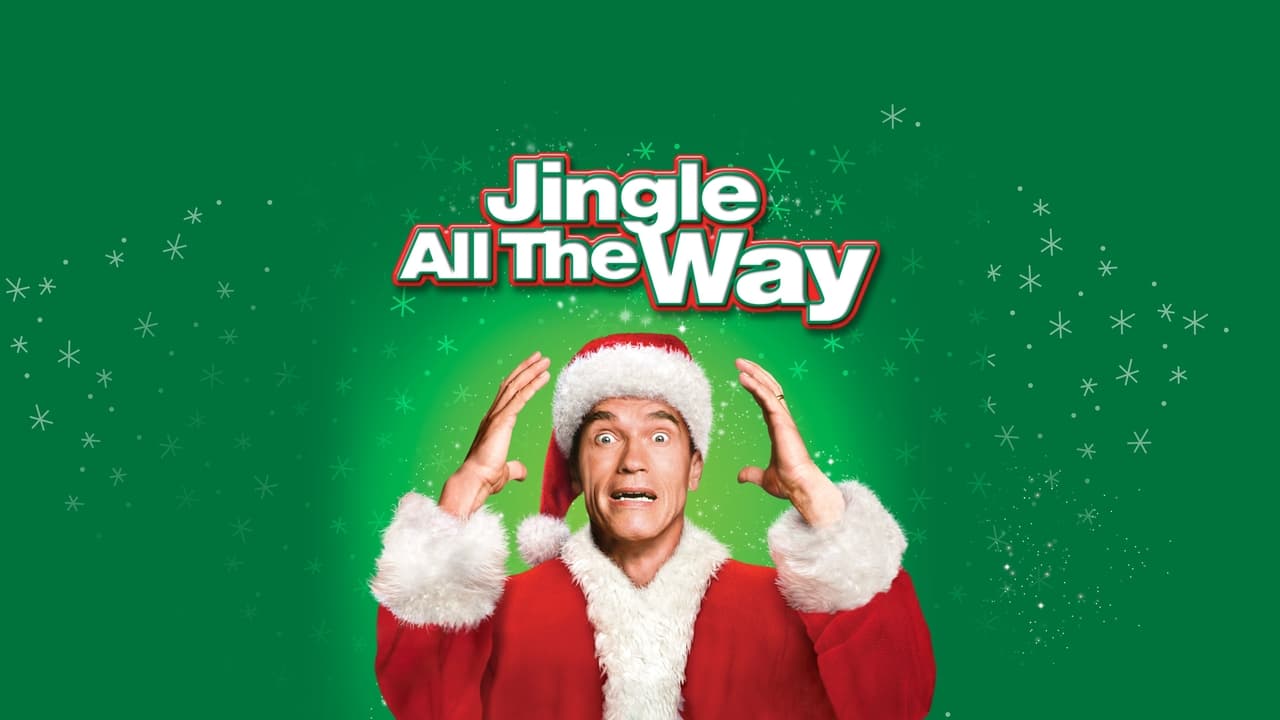
Jingle All the Way
"The most honest war movie about Christmas ever made."
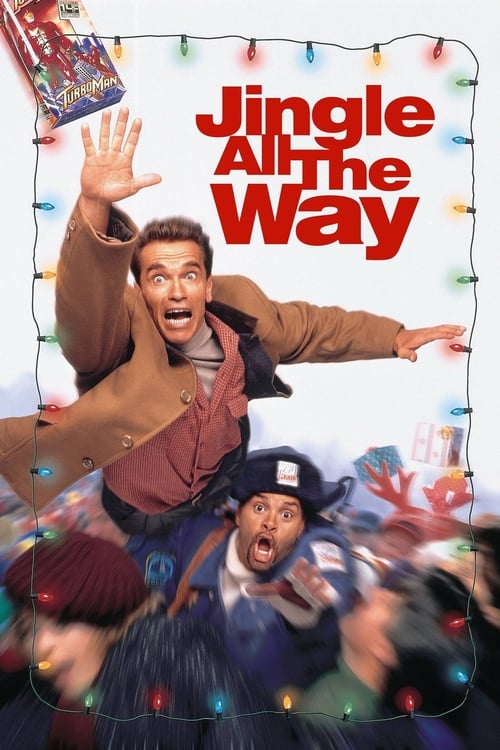
I watched this while trying to untangle a string of LED lights that hadn't worked since the Obama administration, and the rising blood pressure I felt perfectly synchronized with the sheer, unadulterated chaos on screen. There is something deeply cathartic about watching the most powerful action star of the 1990s get defeated by a revolving door and a radio station contest.
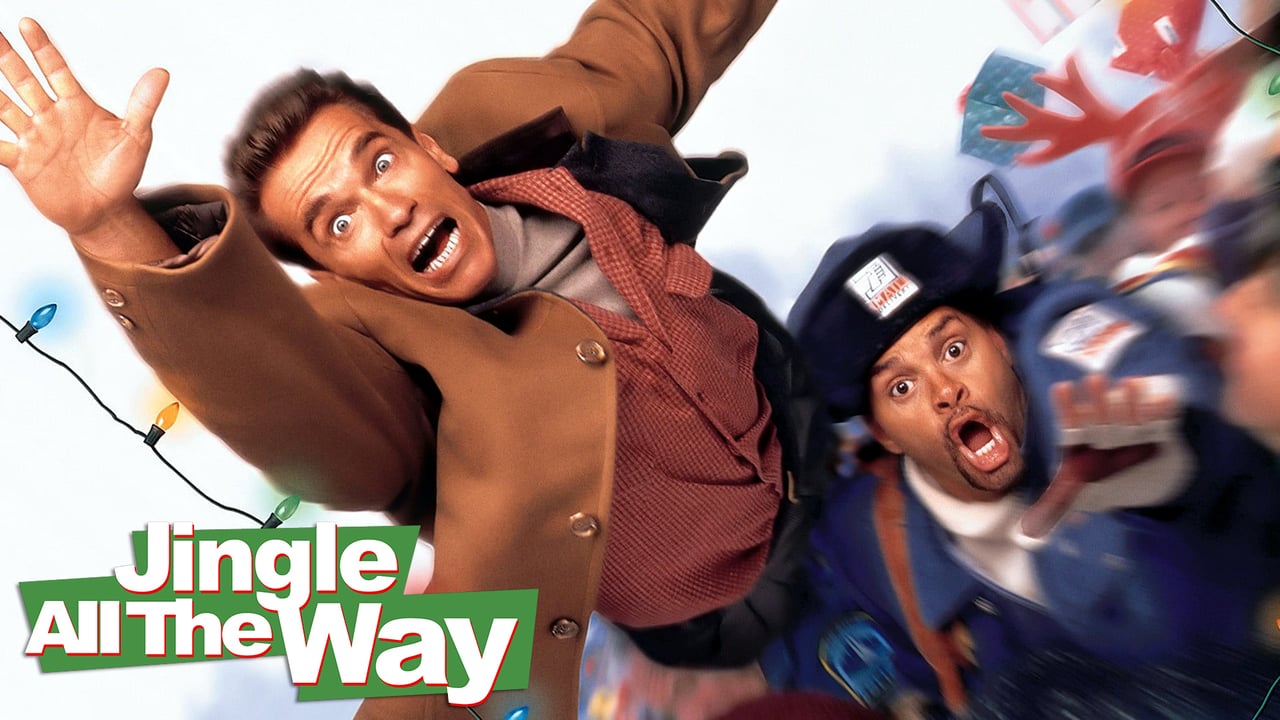
Jingle All the Way is a fascinating relic. Released in 1996, it captures the exact moment when American consumerism shifted from a hobby to a full-contact sport. It’s a movie that feels like it was filmed inside a pressure cooker filled with peppermint schnapps and espresso. While critics at the time dismissed it as loud and cynical, looking back from our era of two-click Amazon deliveries, this film serves as a vibrant, colorful, and surprisingly stressful historical document of the "Great Mall Era."
The Retail Odyssey
The plot is deceptively simple, echoing the structure of a classic Greek odyssey, if Odysseus was a mattress salesman and the Cyclops was a sweaty mall Santa. Arnold Schwarzenegger plays Howard Langston, a workaholic dad who has committed the ultimate suburban sin: he forgot to buy the season’s "it" toy, Turbo Man. What follows is a 24-hour descent into madness as Howard traverses a neon-lit Minneapolis, fighting off literal crowds of parents who have traded their holiday spirit for bloodlust.
What I love about the adventure here is how it escalates. It doesn't just stay in a toy store; it spills into the streets, into radio stations, and eventually into a massive city-wide parade. Director Brian Levant treats the quest for plastic as a high-stakes thriller. Howard isn't just looking for a toy; he's looking for redemption in the eyes of his son, and the movie understands that in the mid-90s, those two things were inextricably linked. It’s essentially Mad Max: Fury Road, but with more festive knitwear and fewer flamethrowing guitars.
A Masterclass in 90s Casting
The real fuel in the engine, however, is the supporting cast. Sinbad, playing the rival father and disgruntled postman Myron Larabee, is the perfect foil for Arnold. While Arnold is all stilted, panicked physical energy, Sinbad is a whirlwind of improvisational rants. I’ve read that the two of them were encouraged to ad-lib their insults, and you can feel that loose, manic energy in their confrontations. Myron isn't just a villain; he's a mirror of Howard's own failures, just with a slightly more explosive mailbag.
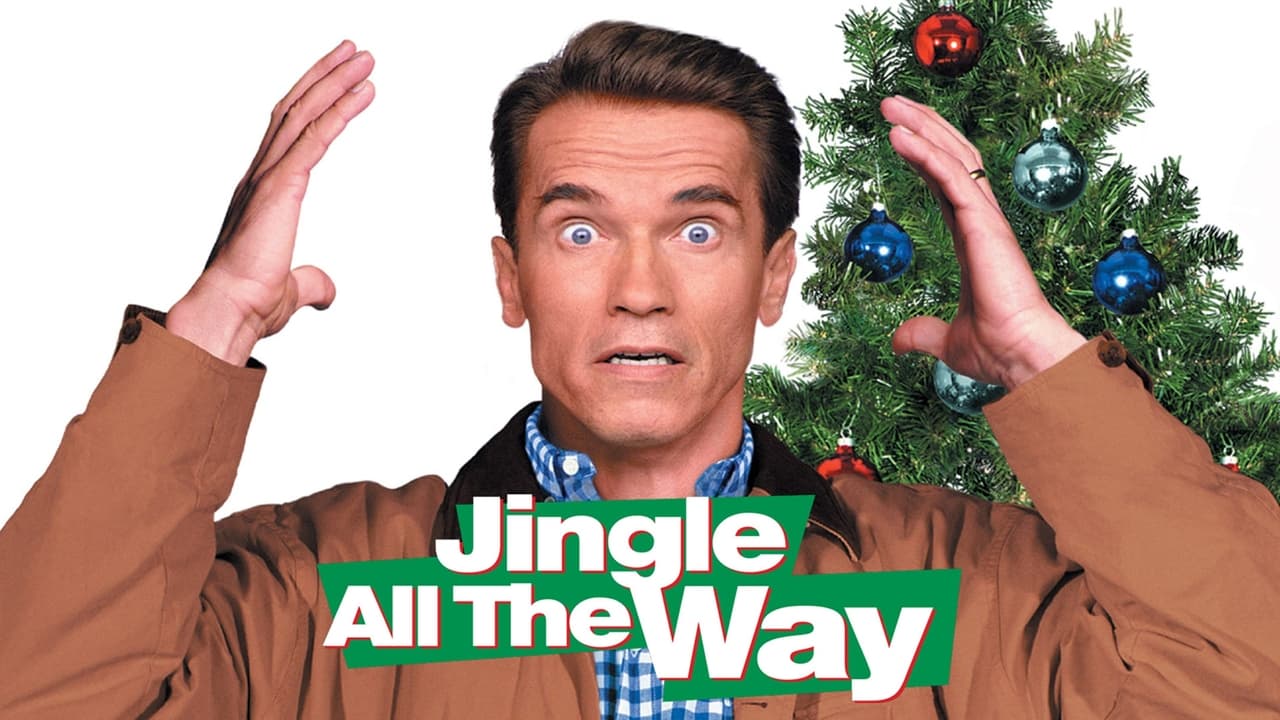
Then there’s the late, great Phil Hartman. As the "perfect" neighbor Ted, Hartman delivers a performance so oily you could fry a turkey in it. He represents the ultimate 90s suburban nightmare: the guy who fixes your wife’s car, bakes cookies, and tries to steal your life while wearing a turtleneck. This is Arnold’s most physically demanding role because he had to act like a normal human father while Phil Hartman was actively out-charming him in every scene. Every time Hartman winks at the camera or offers a "warm" glass of cider, you realize that the real monster isn't the shortage of Turbo Man dolls—it’s the guy next door.
The Chaos Behind the Scenes
Looking back at the production, it’s clear that 20th Century Fox knew they were tapping into a specific cultural vein. The film was inspired by the real-life "Tickle Me Elmo" and "Cabbage Patch Kids" crazes that turned department stores into riot zones. Apparently, the screenplay by Randy Kornfield was snatched up immediately because the studio recognized that "parental guilt" was a renewable energy source.
Here are a few bits of Turbo Man history I found fascinating:
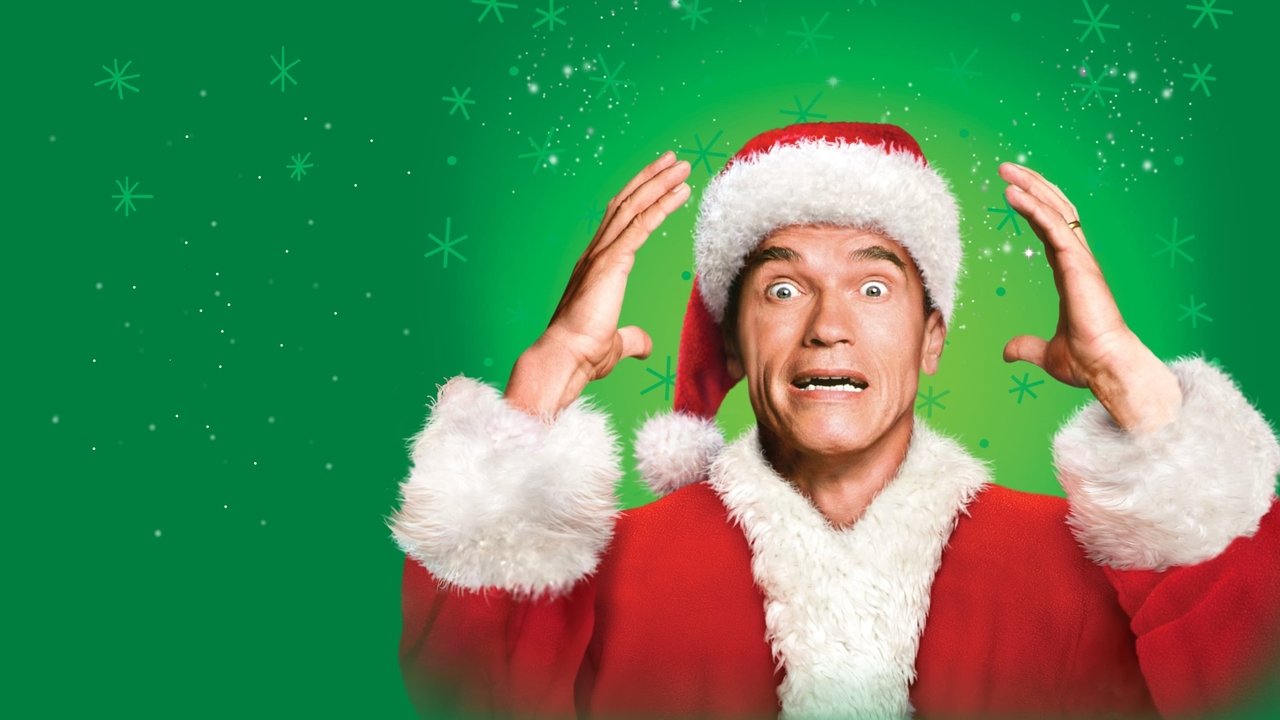
The film’s "Turbo Man" suit was so heavy and restrictive that Arnold Schwarzenegger could only wear it for short bursts, yet he insisted on doing many of the suit’s movements himself to maintain the character's presence. The massive parade at the end wasn't just a set; they actually staged a real parade in downtown Minneapolis with over 3,000 extras, many of whom were locals just happy to see the Terminator in spandex. Sinbad didn't even have to audition. Brian Levant simply saw his stand-up and late-night appearances and knew he had the specific "frenzied energy" required to match Arnold’s physique. The film’s budget was a staggering $60 million—a huge sum for a family comedy at the time—with $20 million of that going directly to Arnold, proving that even in 1996, his star power was the ultimate "Must-Have Toy." * The director of photography, Victor J. Kemper, used bright, saturated colors to make the film look like a comic book, which helps the later, more absurd CGI-heavy stunts feel a bit more at home.
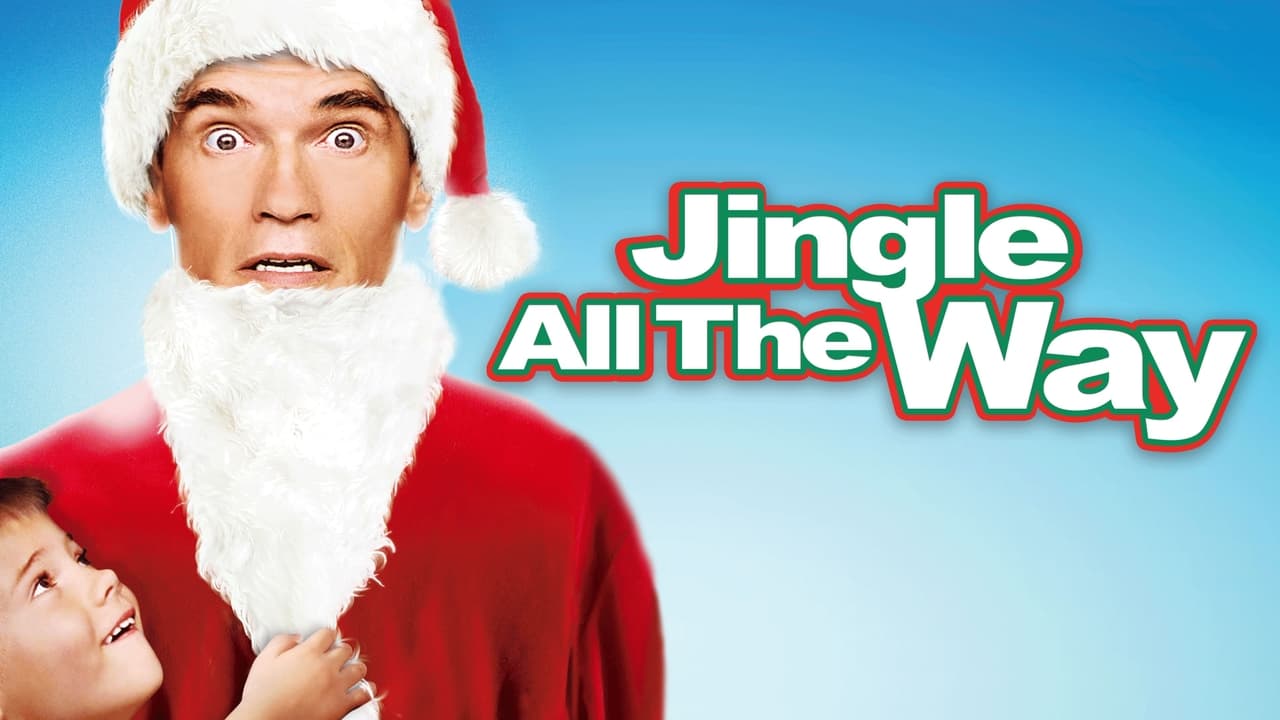
Jingle All the Way isn't a "good" movie in the traditional, prestigious sense. It’s frantic, the ending is absolutely bonkers, and it leans heavily into the kind of physical slapstick that defined 90s family cinema. But as a cult classic, it’s unbeatable. It captures the frantic, sweaty, caffeine-fueled desperation of the holidays better than almost any "prestige" Christmas film. It’s a movie that knows Christmas isn't just about peace on earth—it's about making sure your kid has the same hunk of plastic as every other kid on the block, no prisoners taken.
Final Thoughts
If you haven't revisited this one since the days of VHS, it’s worth a look for the Phil Hartman scenes alone. It's a loud, bright, slightly exhausting reminder of a time when the biggest threat to your sanity was a sold-out inventory at Mall of America. It doesn't have the grace of It's a Wonderful Life, but it has a jetpack-wearing bodybuilder fighting a giant reindeer, and honestly, sometimes that’s the kind of Christmas miracle I’m looking for.
Keep Exploring...
-
Last Action Hero
1993
-

Beethoven
1992
-
Are We There Yet?
2005
-
Antz
1998
-
Stuart Little
1999
-
Stuart Little 2
2002
-

Sinbad: Legend of the Seven Seas
2003
-
Lemony Snicket's A Series of Unfortunate Events
2004
-

Flushed Away
2006
-

Open Season
2006
-

Bee Movie
2007
-

Meet the Robinsons
2007
-

Bolt
2008
-
Night at the Museum: Battle of the Smithsonian
2009
-
Cars 2
2011
-

Brave
2012
-
Mirror Mirror
2012
-
Mr. Peabody & Sherman
2014
-
Night at the Museum: Secret of the Tomb
2014
-
Penguins of Madagascar
2014